

Paper
Sarah Yerkes, Natalie Triche, Amr Hamzawy
{
  "authors": [
    "Amr Hamzawy"
  ],
  "type": "legacyinthemedia",
  "centerAffiliationAll": "dc",
  "centers": [
    "Carnegie Endowment for International Peace",
    "Malcolm H. Kerr Carnegie Middle East Center"
  ],
  "collections": [],
  "englishNewsletterAll": "menaTransitions",
  "nonEnglishNewsletterAll": "",
  "primaryCenter": "Carnegie Endowment for International Peace",
  "programAffiliation": "MEP",
  "programs": [
    "Middle East"
  ],
  "projects": [],
  "regions": [
    "North Africa",
    "Egypt"
  ],
  "topics": [
    "Political Reform"
  ]
}
Source: Getty
The younger generation of Arab citizens has withdrawn from the public space.
Source: TEDx Talks
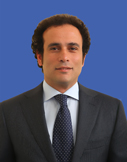
Carnegie's Amr Hamzawy took part of the TEDx Talks during TEDxMidAtlantic. Hamzawy states that in order to provide freedom of speech for all citizens, governments needto have stable institutions and ruling elites that govern based on a democratic mandate. He remarks that these factors were missing during the Arab uprisings. Hamzawy continues to say that in 2011, Egyptians were trying to get their government to listen.
Hamzawy notes that unless a government has popular acceptance it will end up in a relationship of based on fear with its citizens. And when the government puts forward repressive measures the citizens will eventually resist and take to the streets instead of the election booths. Hamzawy points out that during the Arab uprisings, citizens tried to keep their protests non-violent in 2011 and 2012; but in the last 3 years, there was an increase in violence in the Arab world.
He also discusses the younger generation of Arab citizens' use of social media to generate information, express their opinions, and demand change peacefully. He concludes that there is more vibrant dynamism taking place outside of the political sphere as young citizens have realized that change through institutions is not possible.

Director, Middle East Program
Amr Hamzawy is a senior fellow and the director of the Carnegie Middle East Program. His research and writings focus on Egypt’s and other middle powers’ involvement in regional security in the Middle East, particularly through collective diplomacy and multilateral conflict resolution
Recent Work

Sarah Yerkes, Natalie Triche, Amr Hamzawy
Amr Hamzawy
Carnegie does not take institutional positions on public policy issues; the views represented herein are those of the author(s) and do not necessarily reflect the views of Carnegie, its staff, or its trustees.

Ex-president Gurbanguly Berdimuhamedov remains interested in politics, but his son Serdar, Turkmenistan’s current president, is becoming increasingly independent and willing to break with his father’s legacy. If their covert rivalry goes too far, both risk losing power.

Galiya Ibragimova

A notable degree of participative democracy has firmly arrived in Europe. But to have more far-reaching impact, democratic deliberation needs to move into a radically new phase.

Richard Youngs
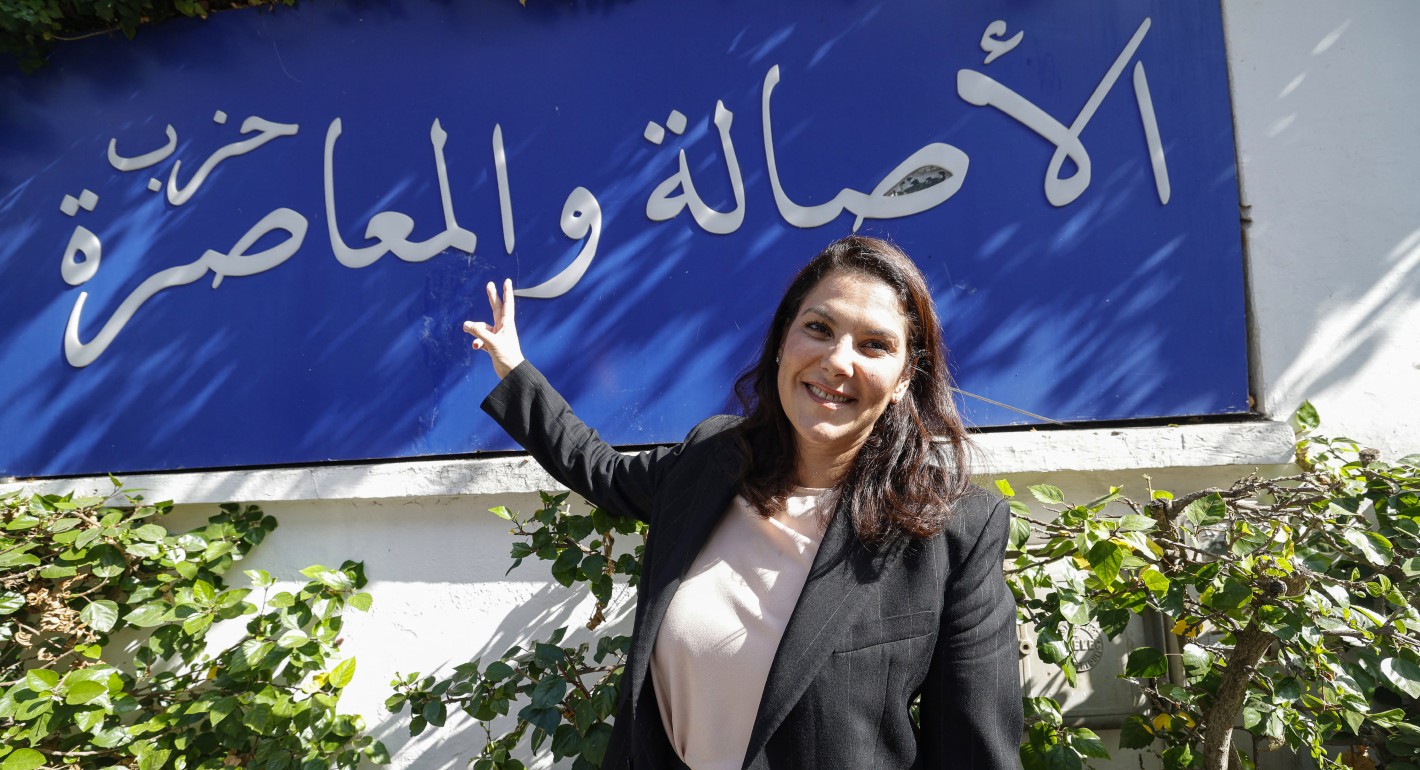
Fatima El Mansouri is the country’s first female prime minister. She’s also a privileged insider in a largely ceremonial position.
Sarah Yerkes

Sergei Kiriyenko used Russia’s parliamentary vote to further hone his strategy of corporate mobilization that is designed to maximize votes for United Russia.

Andrey Pertsev

Before the next wave of EU enlargement takes place, the union needs to grapple with thorny questions of how power is distributed among its members.


Emil Sondaj Hansen, Ditte Brasso Sørensen