

Report
- +2
George Perkovich, Jessica Tuchman Mathews, Joseph Cirincione, …
{
  "authors": [
    "Jon Wolfsthal"
  ],
  "type": "legacyinthemedia",
  "centerAffiliationAll": "dc",
  "centers": [
    "Carnegie Endowment for International Peace"
  ],
  "collections": [
    "Korean Peninsula"
  ],
  "englishNewsletterAll": "ctw",
  "nonEnglishNewsletterAll": "",
  "primaryCenter": "Carnegie Endowment for International Peace",
  "programAffiliation": "NPP",
  "programs": [
    "Nuclear Policy"
  ],
  "projects": [],
  "regions": [
    "East Asia",
    "North Korea"
  ],
  "topics": [
    "Nuclear Policy",
    "Arms Control"
  ]
}
Source: Getty
Tensions continue to mount between the U.S. and North Korea, prompting questions on the deterrence relationship and the reliability of North Korea's nuclear capabilities.
Source: The 1A, WAMU Radio
Carnegie NPP scholar Jon Wolfsthal answered listeners’ questions on North Korea and nuclear weapons capabilities. The nuclear program in North Korea, Wolfsthal explained, began in the 1950s, receiving significant assistance from the former Soviet Union. To date, North Korea has conducted, five nuclear weapons tests, a fact confirmed by the comprehensive test ban treaty organization, an international organization that monitors nuclear testing around the world. North Korea began testing short-range ballistic missiles several decades ago, but over the past three months the international community has witnessed North Korea’s program develop rapidly. The advancements include two weapons systems that could potentially deliver nuclear weapons to the continental United States. What we don’t know, Wolfsthal explains, is whether those systems are reliable, and if they work every time.
Wolfsthal further explained that the United States has engaged in a deterrant relationship with North Korea 50 years, while North Korea has deterred the United States from an attack for 50 years. This relationship can be messy and at times dangerous, but is sustainable if the United States continues to handle the relationship with care.
Though questions remain, there is no doubt that North Korea has crossed a number of thresholds, presenting a significant challenge for the United States and its allies.

Former Nonresident Scholar, Nuclear Policy Program
Jon Wolfsthal was a nonresident scholar with the Nuclear Policy Program.
Recent Work


George Perkovich, Jessica Tuchman Mathews, Joseph Cirincione, …
Jon Wolfsthal
Carnegie does not take institutional positions on public policy issues; the views represented herein are those of the author(s) and do not necessarily reflect the views of Carnegie, its staff, or its trustees.

U.S. trading partners in Asia are closely watching the dispute for signs of how it may affect their own interests.

Barbara Weisel
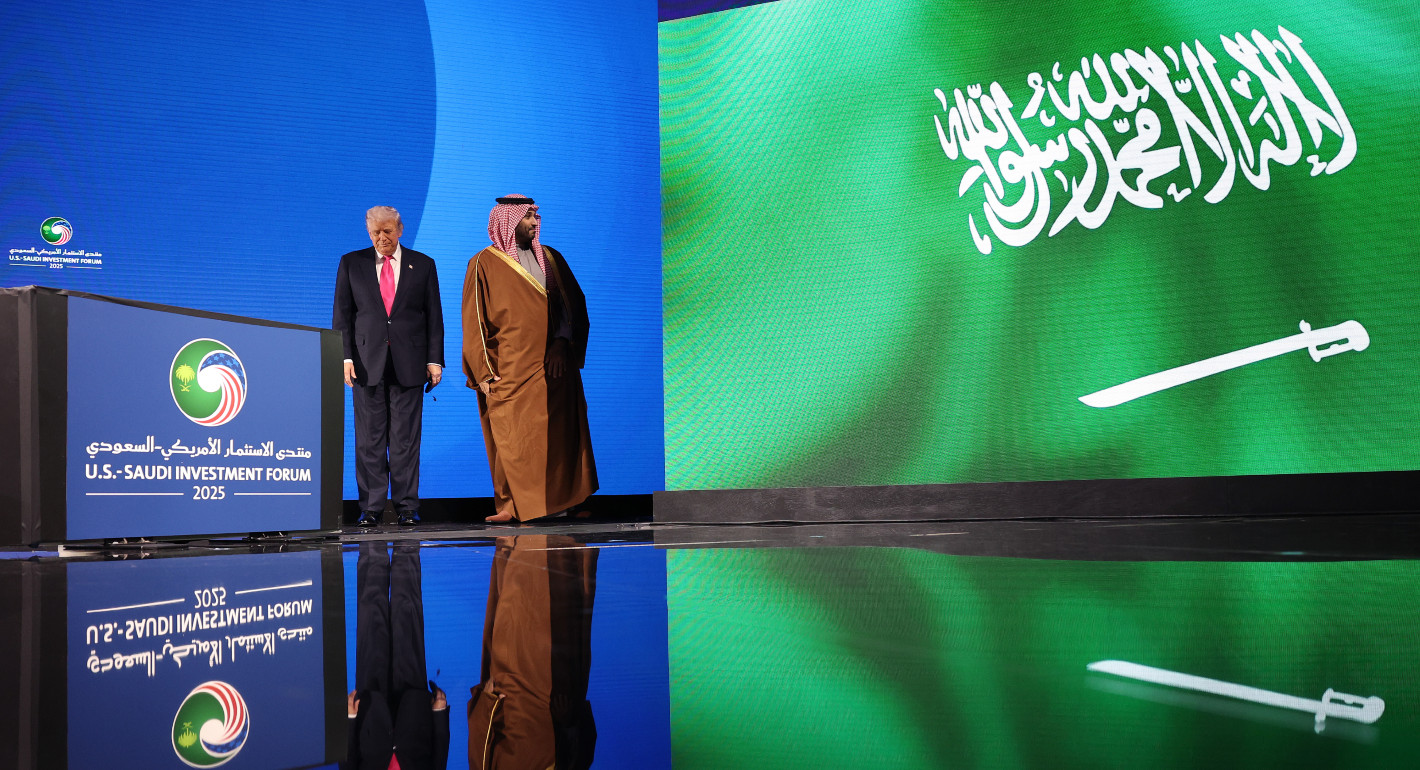
Congress should ask tough questions about the agreement’s more unique features and whether they advance U.S. interests or compromise them.

Jane Darby Menton
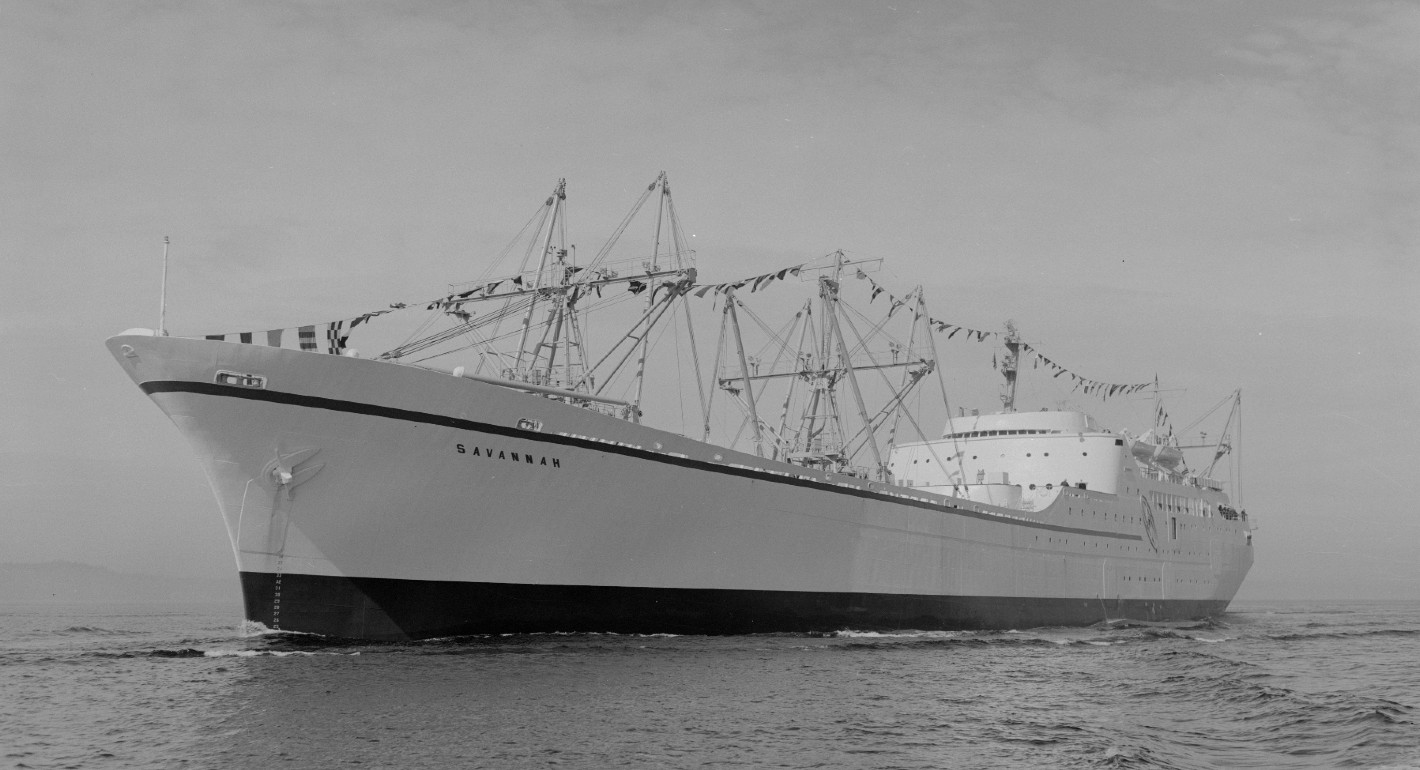
Nuclear and maritime communities face a long and challenging journey to deploy commercial nuclear applications at sea.


Jamie Kwong, Toby Dalton
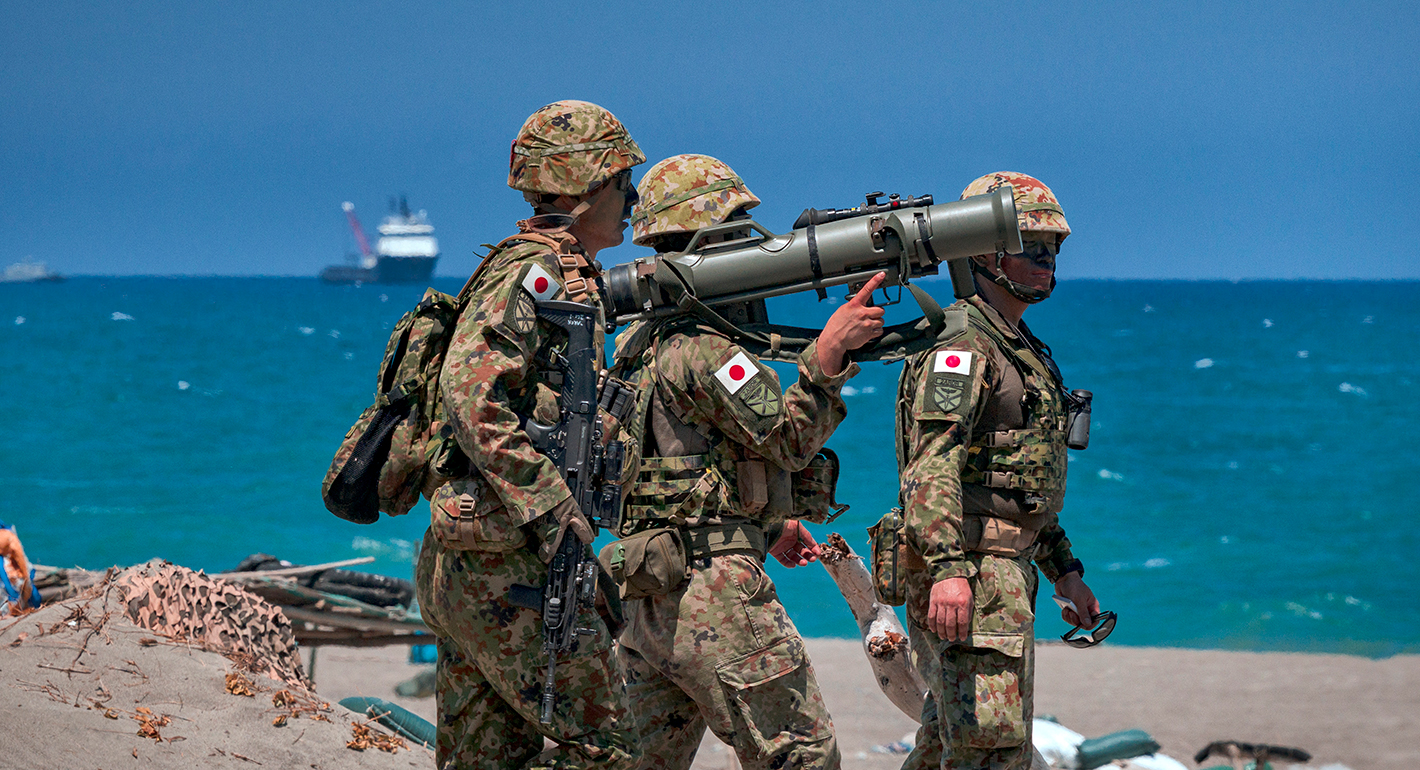
Japan’s revision of its three strategic documents reflects an intention to keep the United States engaged in the region while Japan fills any vacuums of U.S. power to preserve the Indo-Pacific order.

Ryo Sahashi

Chinese biotech companies have been on the receiving end of U.S. economic coercion. Yet their responses have differed significantly because firm and state interests are not uniformly aligned. For Washington, treating all Chinese tech firms the same, irrespective of their actual interests, risks pushing them farther into Beijing’s corner.

Xue Gong