

Commentary
Saskia Brechenmacher, Shreya Joshi
{
  "authors": [
    "Saskia Brechenmacher"
  ],
  "type": "legacyinthemedia",
  "centerAffiliationAll": "dc",
  "centers": [
    "Carnegie Endowment for International Peace"
  ],
  "collections": [
    "Democracy and Governance"
  ],
  "englishNewsletterAll": "democracy",
  "nonEnglishNewsletterAll": "",
  "primaryCenter": "Carnegie Endowment for International Peace",
  "programAffiliation": "DCG",
  "programs": [
    "Democracy, Conflict, and Governance"
  ],
  "projects": [],
  "regions": [
    "North Africa",
    "Egypt",
    "Southern, Eastern, and Western Africa",
    "Russia"
  ],
  "topics": [
    "Democracy",
    "Civil Society"
  ]
}
Source: Getty
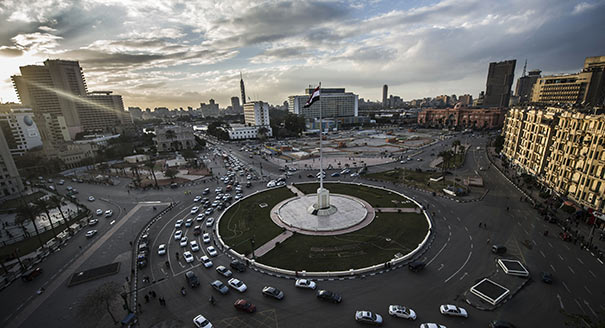
Governments are increasingly taking steps to shrink civil space and restrict the operations of civil society organizations. Both local operators and international actors must consider a response.
Source: ESAT Ethiopia
Speaking on ESAT Ethiopia, Carnegie’s Saskia Brechenmacher discussed the government-led attacks on the civil society sector in Russia, Egypt, and Ethiopia. She outlined how leaders like Vladimir Putin have used both legal and extralegal methods to restrict civil liberties with the aim of curbing domestic dissent. Within Ethiopia, she added, the government has ignored constitutionally-enshrined rights to free speech while violently targeting protestors.

Senior Fellow, Democracy, Conflict, and Governance Program
Saskia Brechenmacher is a senior fellow in Carnegie’s Democracy, Conflict, and Governance Program, where her research focuses on democratic erosion, gender, and civic activism in the United States and globally. She also serves on the board of the International Center for Not-for-Profit Law.
Recent Work
Saskia Brechenmacher, Shreya Joshi

Saskia Brechenmacher, Frances Z. Brown
Carnegie does not take institutional positions on public policy issues; the views represented herein are those of the author(s) and do not necessarily reflect the views of Carnegie, its staff, or its trustees.
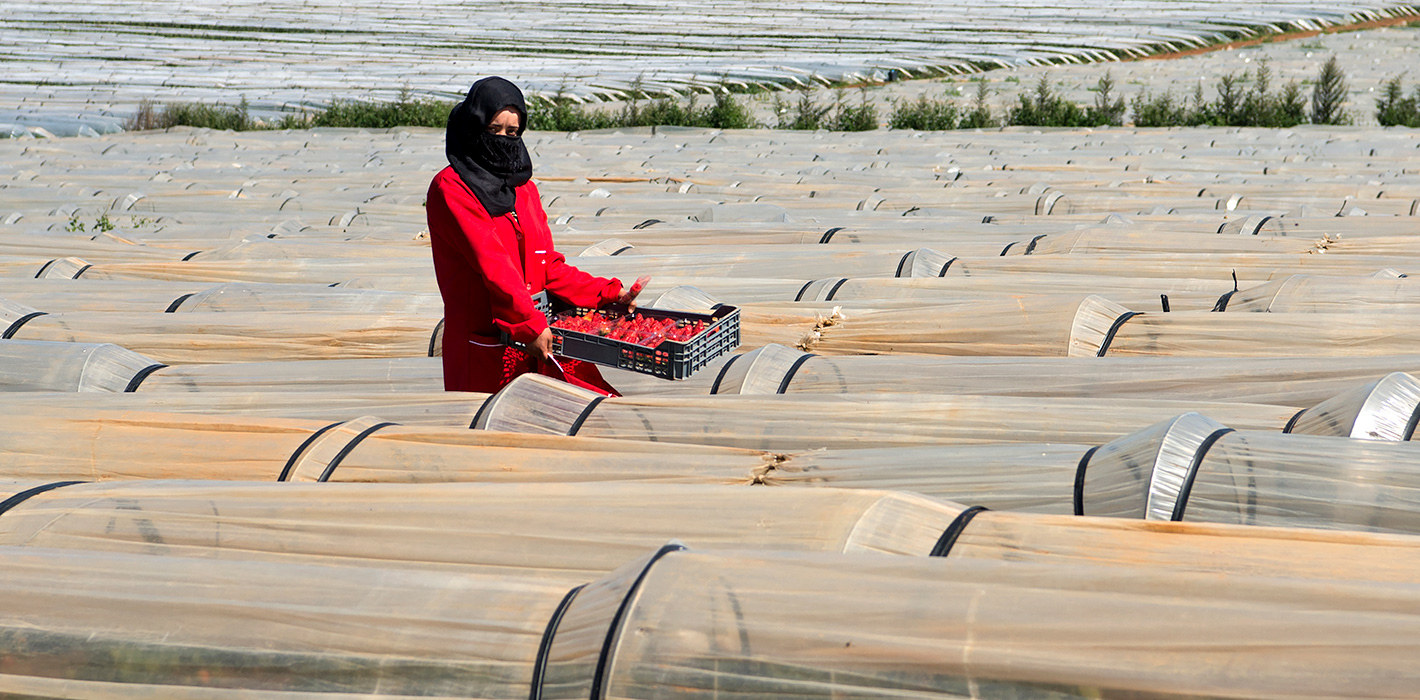
For Morocco, integrating gender into climate governance is not simply a matter of social justice. It is a strategic imperative for effective adaptation.
Fadwa Rajoauni

Despite having the resources and expertise, the Russian space industry missed the opportunity to offer the United States or China a mutually rewarding partnership in the lunar race.

Georgy Trishkin
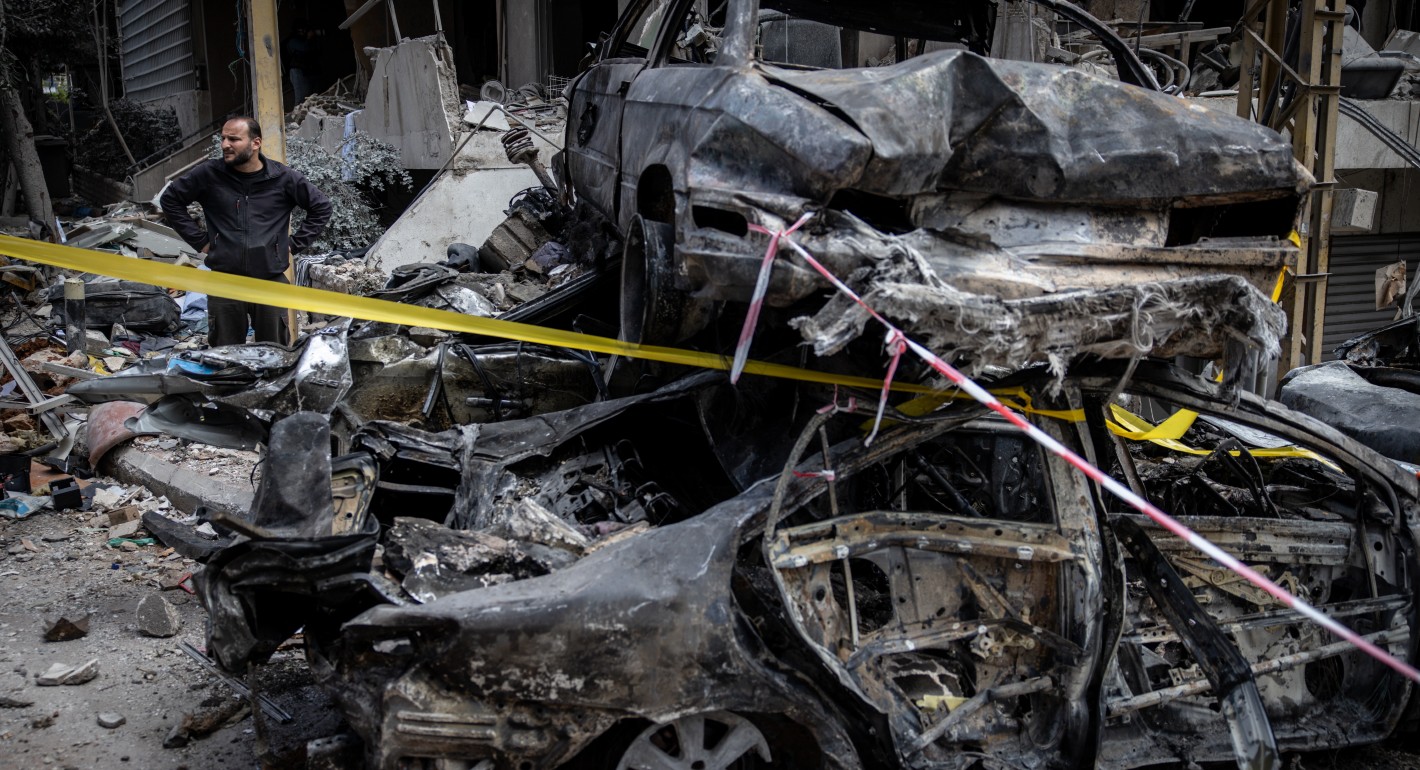
Four Middle East experts analyze the region’s reactions and next steps.



Amr Hamzawy, Andrew Leber, Eric Lob, …

The Africa Technology Policy Tracker reveals policymakers’ priorities for the continent’s digital transformation.
Jane Munga

The future looks bleak for independent media worldwide, but there is a robust infrastructure of knowledge, organizations, and people to build upon.


Daniel Sabet, Susan Abbott