

Report
- +8
Salman Ahmed, Wendy Cutler, Rozlyn C. Engel, …
{
  "authors": [
    "Jake Sullivan"
  ],
  "type": "legacyinthemedia",
  "centerAffiliationAll": "dc",
  "centers": [
    "Carnegie Endowment for International Peace"
  ],
  "collections": [],
  "englishNewsletterAll": "americanStatecraft",
  "nonEnglishNewsletterAll": "",
  "primaryCenter": "Carnegie Endowment for International Peace",
  "programAffiliation": "ASP",
  "programs": [
    "American Statecraft"
  ],
  "projects": [],
  "regions": [
    "North America",
    "United States"
  ],
  "topics": [
    "Political Reform",
    "Foreign Policy",
    "Global Governance"
  ]
}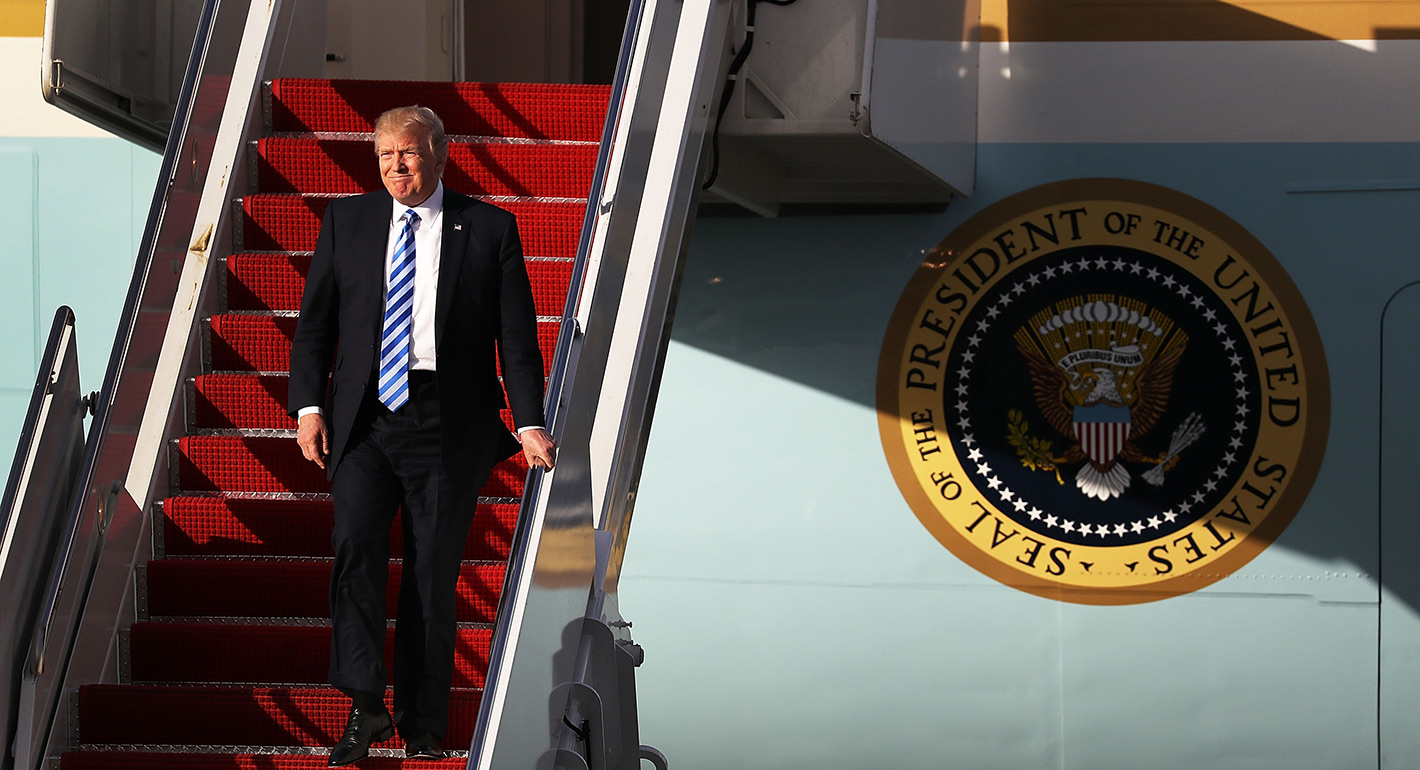
Source: Getty
There are big questions up for debate about the purpose in U.S. foreign policy and the sentiment is not for more of the same.
Source: Foreign Affairs
Since November 2016, the U.S. foreign policy community has embarked on an extended voyage of soul-searching, filling the pages of publications like this one with essays on the past, present, and future of the liberal international order and the related question of where U.S. grand strategy goes from here. The prevailing sentiment is not for just more of the same. Big questions are up for debate in ways they have not been for many years. What is the purpose of U.S. foreign policy? Are there fundamental changes in the world that demand a corresponding change in approach?
Into this earnest and reflective conversation enter Stephen Walt and John Mearsheimer, each with a new book, each making his long-standing argument about the failures of U.S. foreign policy with renewed ferocity. Walt’s is called The Hell of Good Intentions: America’s Foreign Policy Elite and the Decline of U.S. Primacy; Mearsheimer’s is The Great Delusion: Liberal Dreams and International Realities. The titles give clear hints of the cases they lay out: against democracy promotion, humanitarian intervention, nation building, and NATO expansion; for restraint and offshore balancing.
Each of the two books does add something new. Walt’s contains an extended attack on the foreign policy community, painting a dark picture, across multiple chapters, of a priesthood gripped by various pathologies, leading the country astray. Mearsheimer, meanwhile, turns to political theory to explore the relationship among liberalism, nationalism, and realism. Liberalism, he says, cannot alter or abolish nationalism and realism, and where the three meet, the latter two will prevail over the former. (Although he takes pains to stress that he is talking about liberalism in the classical sense, not as it is understood in American politics, his repeated assaults on “social engineering” reveal that he may mean it both ways.)
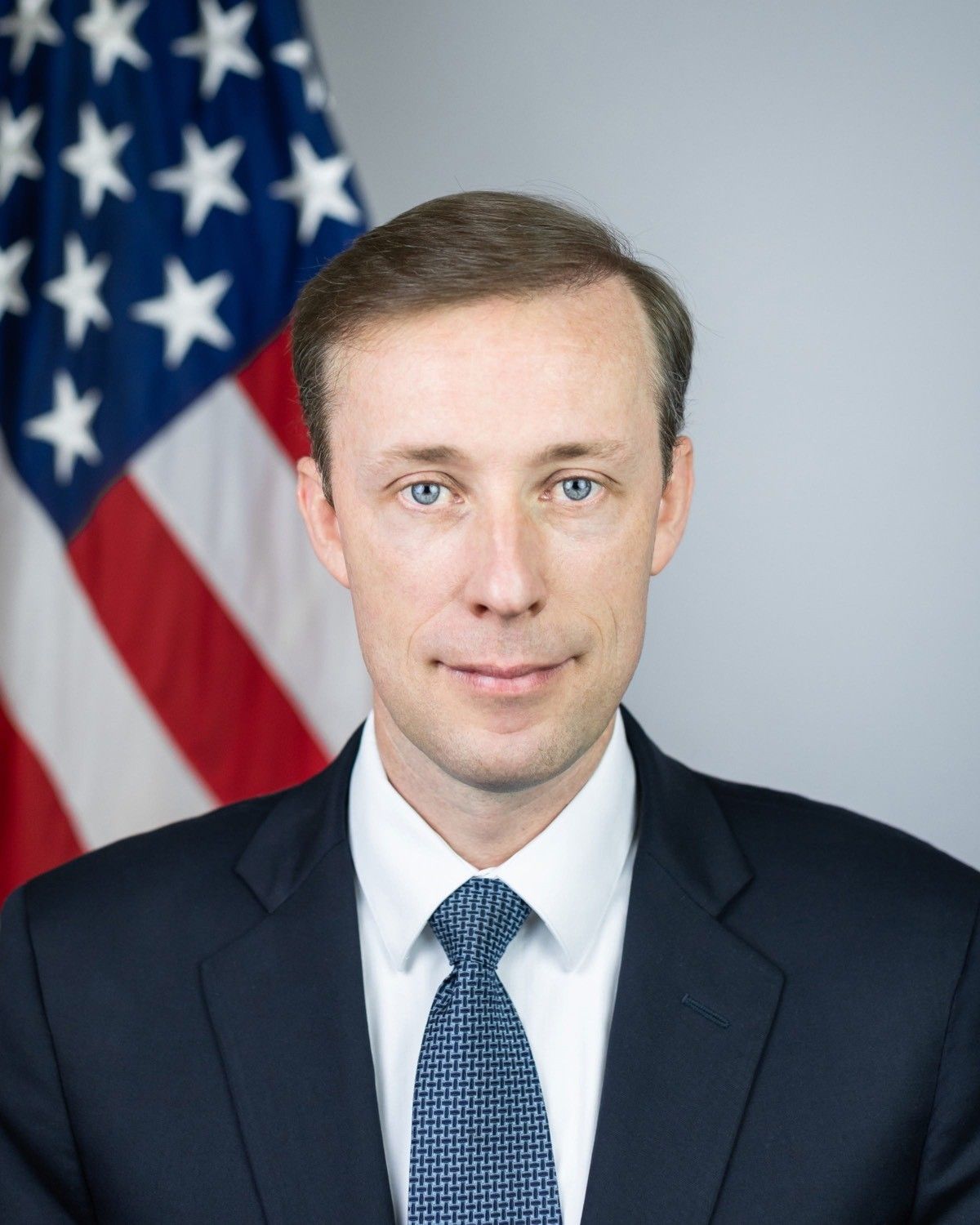
Former U.S. National Security Advisor to Former President Joe Biden
Jake Sullivan, a senior fellow at the University of New Hampshire's Carsey School of Public Policy, served as the United States national security advisor to former President Joe Biden from 2021 to 2025. Sullivan previously served as deputy assistant to former President Barack Obama, national security advisor to former Vice President Biden, director of policy planning in the State Department, and as deputy chief of staff to former U.S. Secretary of State Hillary Clinton.
Recent Work
Salman Ahmed, Wendy Cutler, Rozlyn C. Engel, …
Salman Ahmed, Allison Gelman, Tarik Abdel-Monem, …
Carnegie does not take institutional positions on public policy issues; the views represented herein are those of the author(s) and do not necessarily reflect the views of Carnegie, its staff, or its trustees.

Despite its flop at the box office, the film raises important questions for the climate community to answer.

Leonardo Martinez-Diaz

Funding Ukraine remains a priority for European leaders. As Russia’s war of aggression heads into another winter, two feasible options to mobilize support for Kyiv should be fast-tracked.


Vladyslav Rashkovan, Gregory P. Wilson

In an interview, Rozina Ali discusses her new book on the rise and manifestations of Islamophobia in the United States.

Michael Young

While the EU and European governments are embracing the much-lauded middle-power moment, this entails three difficult conundrums.

Richard Youngs
The middle power moment will not be defined by sovereign states alone, and California stands out for its potential contributions to international cooperation.


Ian Klaus, Stewart Patrick