

Commentary
It would provide a golden opportunity to reconsider what success looks like.
Michael Mazarr
{
  "authors": [
    "Toby Dalton",
    "Ariel (Eli) Levite"
  ],
  "type": "commentary",
  "centerAffiliationAll": "dc",
  "centers": [
    "Carnegie Endowment for International Peace"
  ],
  "collections": [
    "U.S. Nuclear Policy",
    "Korean Peninsula"
  ],
  "englishNewsletterAll": "ctw",
  "nonEnglishNewsletterAll": "",
  "primaryCenter": "Carnegie Endowment for International Peace",
  "programAffiliation": "NPP",
  "programs": [
    "Nuclear Policy"
  ],
  "projects": [],
  "regions": [
    "North America",
    "United States",
    "East Asia",
    "North Korea"
  ],
  "topics": [
    "Foreign Policy",
    "Nuclear Policy",
    "Arms Control"
  ]
}
Source: Getty
Testing North Korea’s sincerity to take concrete steps toward denuclearization requires flexibility and innovation in the U.S. approach.
President Donald Trump deserves credit for pursuing diplomacy with North Korea’s Kim Jong Un. Coercive sanctions and military saber rattling have proven necessary and effective at times, but they are clearly insufficient to force unilateral nuclear disarmament by the North Koreans. Trump has taken plenty of criticism for securing only vague commitments from Kim at their Singapore summit last year. But he should be lauded for taking risks to test Pyongyang’s willingness to accept nuclear constraints and, ultimately, give up its nuclear weapons.
Testing North Korea’s sincerity to take concrete steps toward denuclearization requires flexibility and innovation in the U.S. approach. Neither immediate handover of North Korea’s nuclear weapons nor a fully transparent declaration of the North Korean nuclear assets was ever an obtainable objective at the outset of the negotiation. In his second summit with Kim, Trump should aim to meet the following six realistic benchmarks to make clear progress.
It is too early to reach a detailed agreement on all the elements of what will necessarily be a very complicated nuclear end-state on the Korean Peninsula, but immediate and intermediate stages can and should be mapped. Most importantly for now, this needs to include an interim objective of a comprehensive, verifiable cap on North Korea’s nuclear arsenal, including its delivery capabilities. Instituting such a cap by the end of the president’s first term would be a huge strategic gain.
Kim Jong Un pledged on New Year’s Day 2019 that North Korea is not producing nuclear weapons. This needs to be defined, and must go beyond the current freeze on missile and nuclear tests. It should include a proscription on other kinds of developmental testing, construction of new facilities, manufacturing of nuclear weapon cores and warheads, and production of fissile materials, dual-capable missiles, missile transporter launchers, and missile engines. Nuclear and related missile facilities, infrastructure, and components must also be frozen in their current state and location, such that North Korea does not take additional steps to hide or disperse its arsenal.
One of the greatest risks is that North Korea will move its activities offshore or sustain its proliferation of WMD-related capabilities and missiles. The world needs a clear commitment that neither will happen, nor will importation of similar items for its nuclear program, with clarity that if such exports or imports are detected they will be treated as a violation of Kim’s commitments to the president.
North Korea is too wary at this point to provide a complete declaration of all its sensitive capabilities and their locations. But some transparency and accompanying verification scheme regarding its inventories and their general location is essential for any credible denuclearization road map. This could be accomplished without amplifying North Korean concerns that it would provide the United States with a targeting map. As a first step to demonstrate its sincerity and commitment to making progress, North Korea should immediately cease all fissile material activity at Yongbyon and open it to monitoring.
Capping and rolling back an indigenous nuclear program (and other WMD capabilities) as extensive as North Korea’s requires highly specialized expertise. No president or chairman—no matter how skilled—can be expected to master and negotiate the details. If the process is to lead to lasting peace and security, the two leaders need to give their staffs clear negotiating mandates.
Removing North Korea’s intercontinental ballistic missiles will be necessary at some point, and will actually improve allies’ security by sparing the United States of scenarios where it would have to risk losing Washington to defend Seoul or Tokyo. But for this reason, North Korea is most unlikely to relinquish this capability up front. What the United States can and should insist on now is verifiably diminished readiness of the North Korean nuclear arsenal. The remaining missile challenge can be later addressed in ways that Seoul and Tokyo will welcome.
Beyond these benchmarks, the United States needs to avoid temptations to demand things that no state like North Korea can agree upon at this stage. Neither Kim nor the North Korean military will provide a full and complete declaration of the country’s holdings yet. Nor will either agree to allow inspections anywhere, anytime. To realistically test North Korea’s intentions, and for them to test the United States’, confidence must be built through step-by-step progress.
Finally, the Trump administration should be careful not to overstate what’s possible. Nuclear experts and veterans of past Republican and Democratic administrations will recognize that even the benchmarks sketched here will be extremely difficult and unprecedented to achieve. This only underscores the importance of calibrating expectations in what could be a history-bending journey.

Senior Fellow and Co-director, Nuclear Policy Program
Toby Dalton is a senior fellow and co-director of the Nuclear Policy Program at the Carnegie Endowment. An expert on nonproliferation and nuclear energy, his work addresses regional security challenges and the evolution of the global nuclear order.

Senior Fellow, Nuclear Policy Program, Technology and International Affairs Program
Levite was the principal deputy director general for policy at the Israeli Atomic Energy Commission from 2002 to 2007.
Carnegie does not take institutional positions on public policy issues; the views represented herein are those of the author(s) and do not necessarily reflect the views of Carnegie, its staff, or its trustees.

It would provide a golden opportunity to reconsider what success looks like.

Michael Mazarr
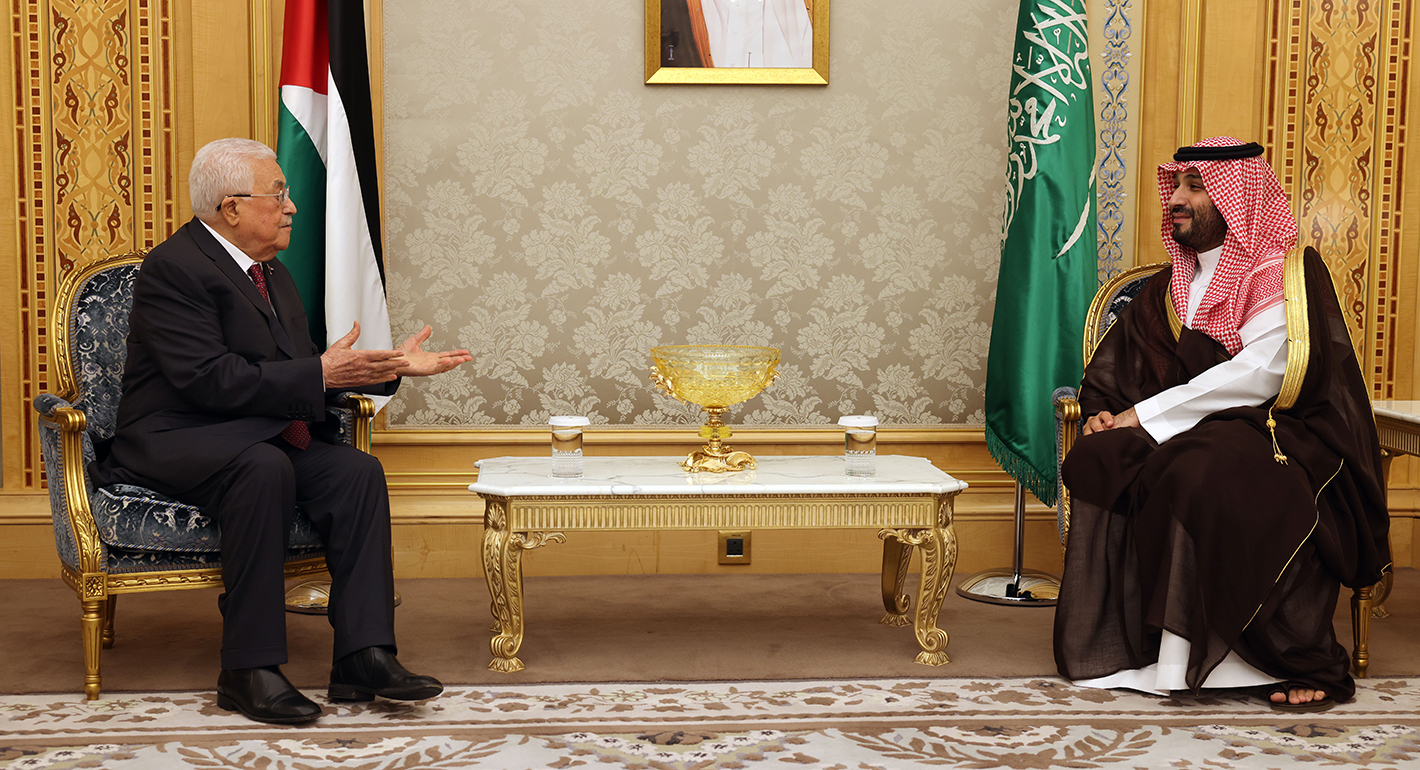
The U.S. midterm elections signal the opening of a narrow window for bold Saudi diplomacy on Palestine.

Andrew Leber, Zaha Hassan

China’s political future will be shaped between now and next October. As the Communist Party enters its intense “campaign season” to prepare for a major political transition in 2027, reading Beijing's actions and responses may become more difficult as domestic politics weigh on its behavior more than usual.

Damien Ma
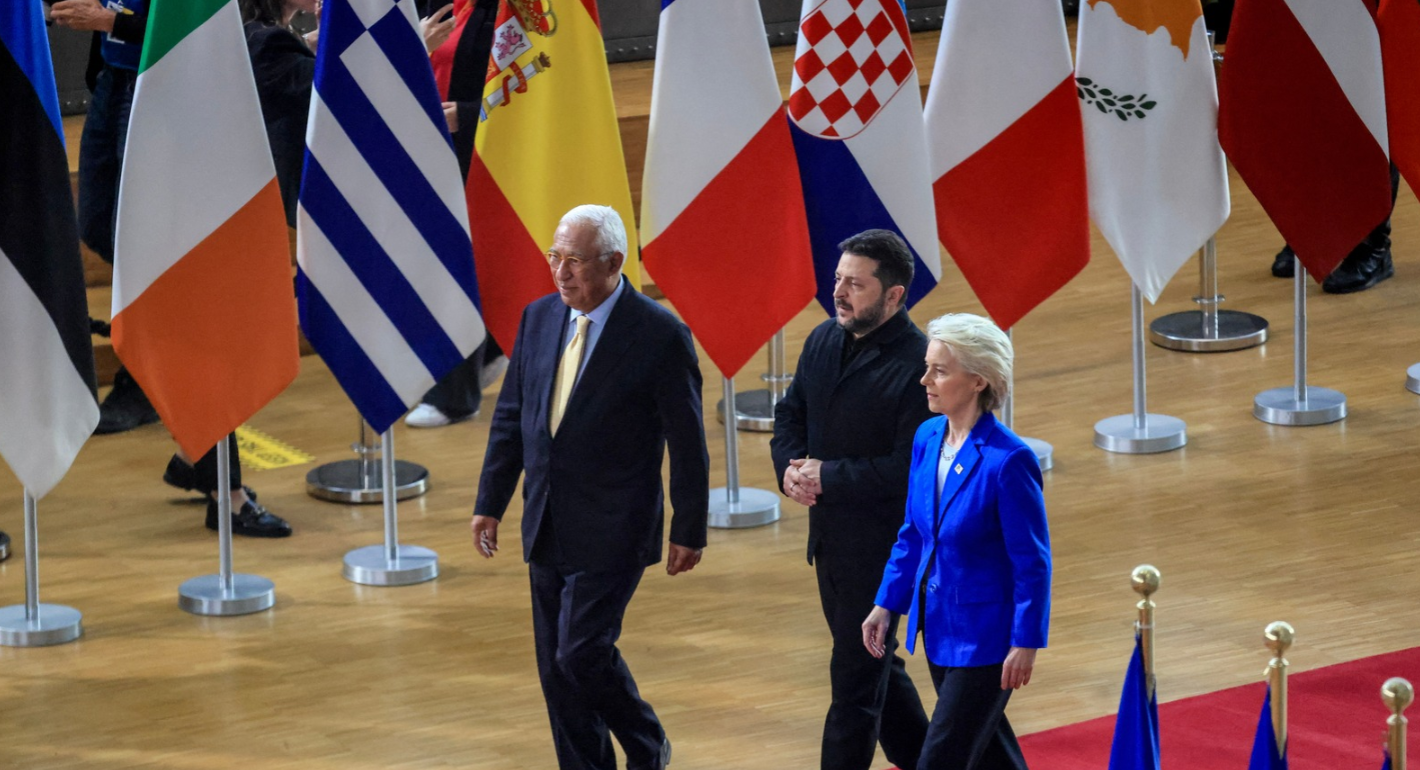
The EU can impose sanctions but struggles to enforce them without the United States. With Washington increasingly disinterested in backing European interests, the bloc must now fend for itself.


Nicu Popescu, Tiago Antunes
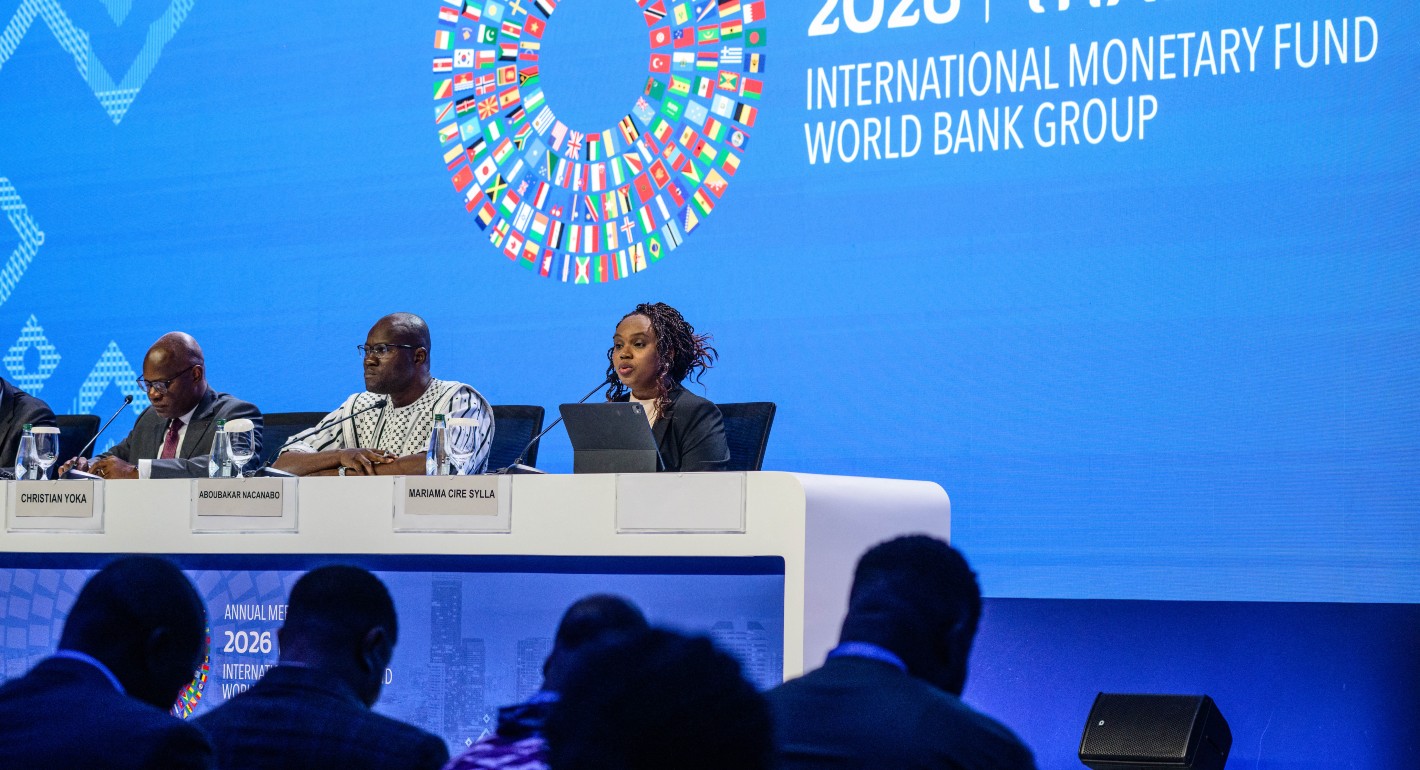
Global and rising powers will need to engage with Africa’s priorities and agency in order to secure the continent’s increasingly attractive partnerships.

Fonteh Akum