

Article
Thomas Carothers
{
  "authors": [
    "Thomas Carothers"
  ],
  "type": "other",
  "centerAffiliationAll": "dc",
  "centers": [
    "Carnegie Endowment for International Peace"
  ],
  "collections": [
    "Democracy and Governance"
  ],
  "englishNewsletterAll": "democracy",
  "nonEnglishNewsletterAll": "",
  "primaryCenter": "Carnegie Endowment for International Peace",
  "programAffiliation": "DCG",
  "programs": [
    "Democracy, Conflict, and Governance"
  ],
  "projects": [],
  "regions": [
    "Eastern Europe",
    "Western Europe"
  ],
  "topics": [
    "Democracy"
  ]
}
Source: Getty
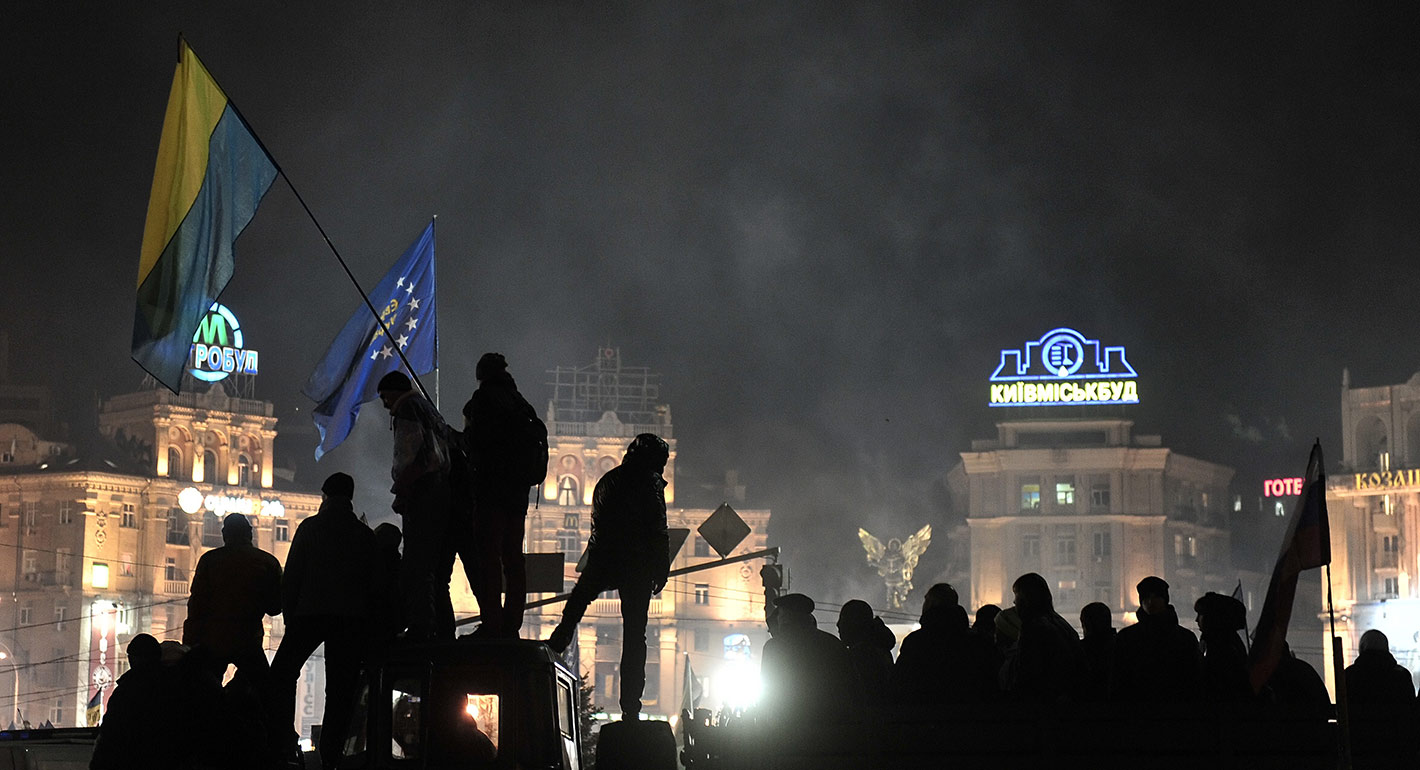
Sheri Berman’s substantial new history of democracy in Europe offers useful insights on the question of why democracy sometimes succeeds but often does not. Yet Western democracies are now experiencing tectonic shifts, and history offers only a limited guide to understanding their future.
Source: Foreign Affairs
Democracy’s global travails continue to mount. What looked as recently as a decade ago to be real democratic progress in countries as diverse as Brazil, Hungary, South Africa, and Turkey has been either reversed by illiberal strongmen or unsettled by revelations of systemic corruption. Some of the most stirring recent political openings, such as those in Egypt and Myanmar, have slammed shut. The United States and several long-standing democracies in western Europe are struggling with serious democratic challenges, especially the rise of illiberal populist forces. And the two most significant nondemocratic powers, China and Russia, are strutting on the global stage.
This book review was originally published in the May/June edition of Foreign Affairs.

Harvey V. Fineberg Chair for Democracy Studies; Senior Fellow, Democracy, Conflict, and Governance Program
Thomas Carothers, a senior fellow in the Carnegie Endowment for International Peace’s Democracy, Conflict, and Governance Program, is a leading expert on comparative democratization and international support for democracy.
Recent Work
Thomas Carothers
Thomas Carothers
Carnegie does not take institutional positions on public policy issues; the views represented herein are those of the author(s) and do not necessarily reflect the views of Carnegie, its staff, or its trustees.

A notable degree of participative democracy has firmly arrived in Europe. But to have more far-reaching impact, democratic deliberation needs to move into a radically new phase.

Richard Youngs
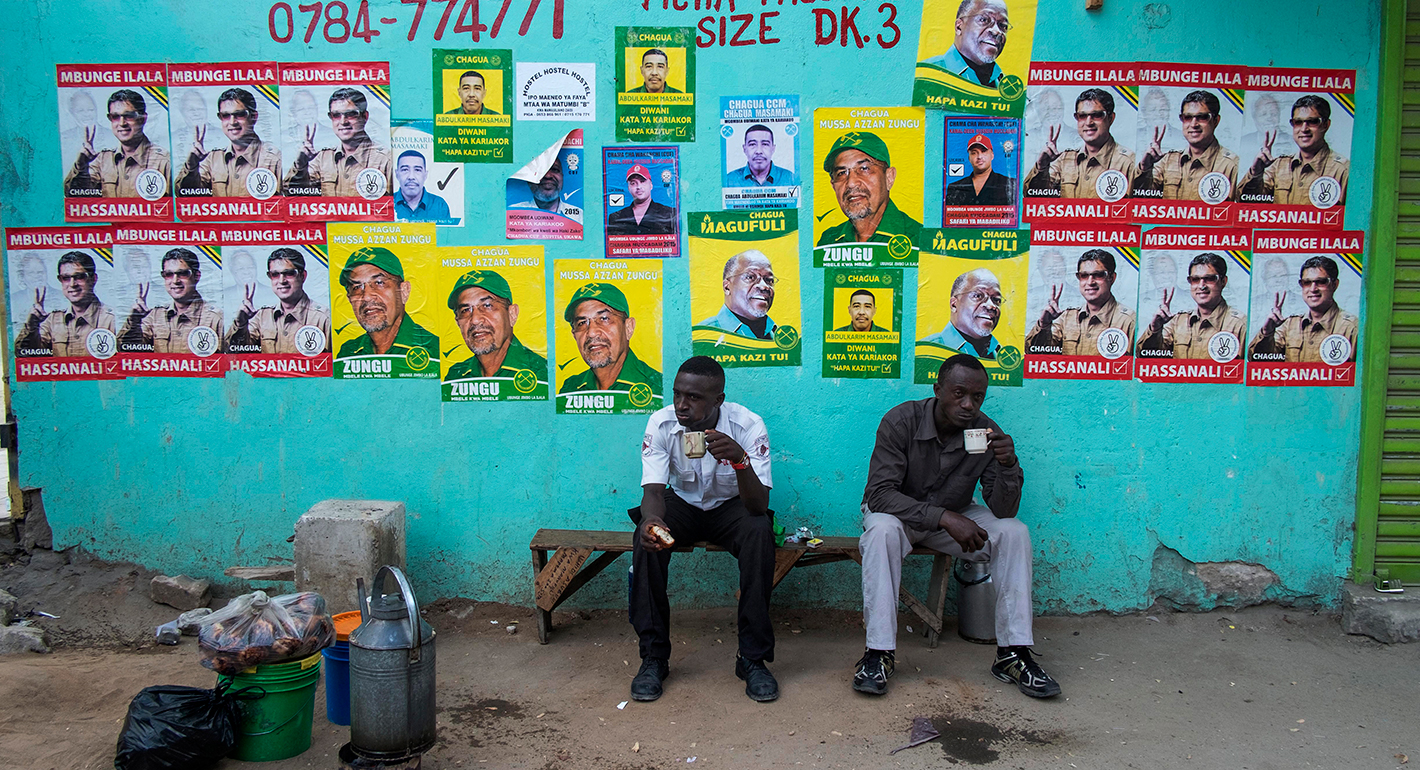
Today’s global democratic recession is partly rooted in a common perception that democracies have a delivery problem, with many citizens in both autocracies and democracies alike now believing that strongmen can achieve better governance outcomes. But a study of four countries in Africa reveals that democratic-leaning governments have demonstrated better governance performance than autocratic governments.


Sarah Yerkes, Natalie Triche, Amr Hamzawy
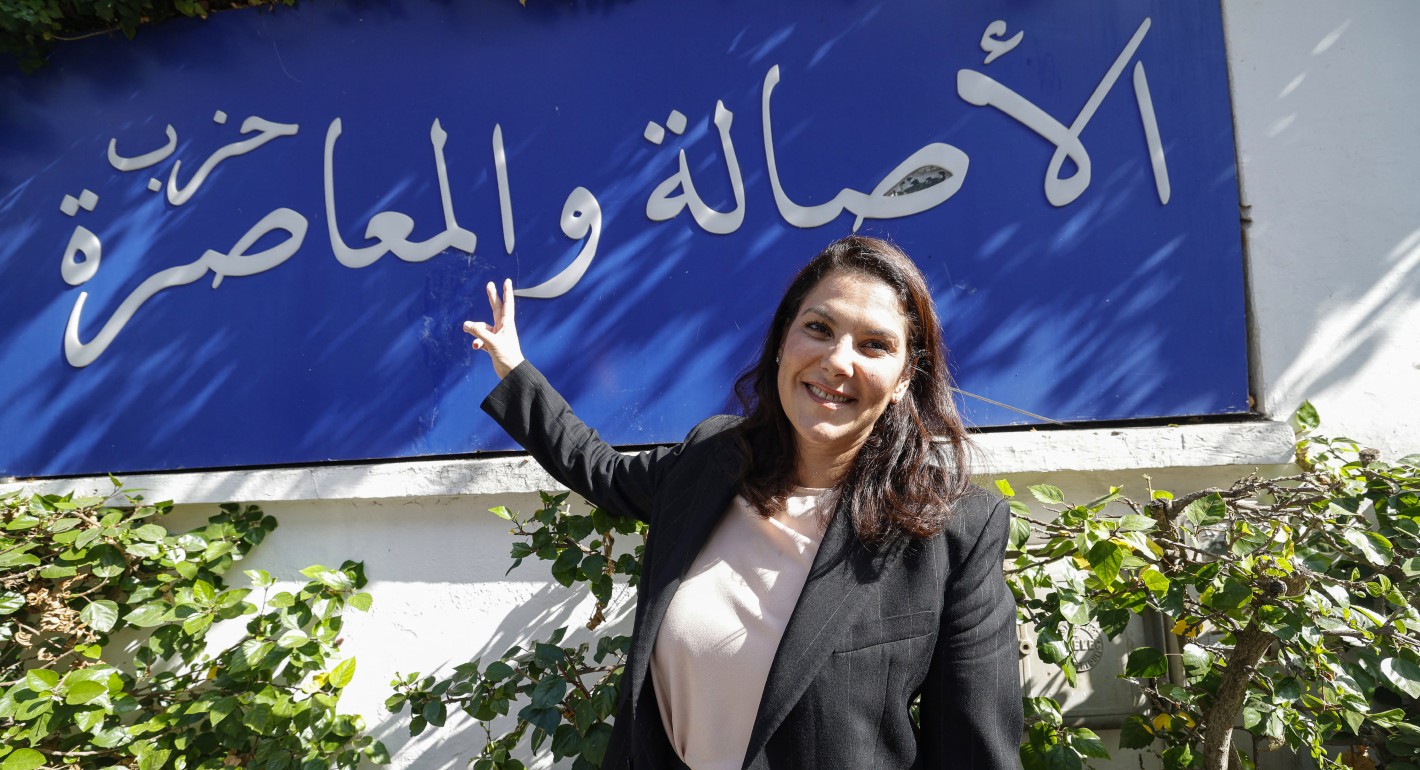
Fatima El Mansouri is the country’s first female prime minister. She’s also a privileged insider in a largely ceremonial position.
Sarah Yerkes

The domestic impacts of how long it is taking to end the war in Ukraine have pushed the French electorate to the political extremes and compromised the country’s diplomatic capacity.

Rym Momtaz

Before the next wave of EU enlargement takes place, the union needs to grapple with thorny questions of how power is distributed among its members.


Emil Sondaj Hansen, Ditte Brasso Sørensen