

Commentary
Judy Dempsey
{
  "authors": [
    "Judy Dempsey"
  ],
  "type": "commentary",
  "blog": "Strategic Europe",
  "centerAffiliationAll": "",
  "centers": [
    "Carnegie Endowment for International Peace",
    "Carnegie Europe"
  ],
  "collections": [
    "EU Integration and Enlargement",
    "Brexit and UK Politics"
  ],
  "englishNewsletterAll": "",
  "nonEnglishNewsletterAll": "",
  "primaryCenter": "Carnegie Europe",
  "programAffiliation": "",
  "programs": [],
  "projects": [],
  "regions": [
    "Europe",
    "Western Europe",
    "United Kingdom"
  ],
  "topics": [
    "EU",
    "Political Reform",
    "Security"
  ]
}

Source: Getty
The damage Brexit is inflicting on Northern Ireland and the Republic will become Europe’s newest neighborhood crisis.
You would think everything was normal.
The bus from Dublin Airport to Belfast, Northern Ireland’s capital, sped along the motorway flanked by farms with villages and towns nesting in the distance.
For a child born in the Republic of Ireland, I recall the heavily guarded border between the Republic and “the North”. Today, the border signs are gone: they disappeared after the historic Good Friday Agreement (GFA) signed in April 1998.My bus journey was seamless.
After three days in Belfast spent attending the annual Debates on Europe—which normally take place outside Western Europe—and walking for hours along the old fault lines between Catholic and Protestant communities, I boarded the bus back to Dublin. Not without a mixture of emotions.
Angry at the ignorance of the unelected elite around British Prime Minister Boris Johnson about how a hard, no-deal Brexit would destabilize Northern Ireland.
Sad about how all the extraordinary efforts made over the years between Dublin and London to improve a relationship so long steeped in disdain and recrimination had all but dissipated.
Shocked that Brexiteers could even imagine undoing the Good Friday Agreement, which was aimed at ending decades of sectarian killings underpinned by a disregard for human and civil rights.
Is this what the UK and the EU really want? Another neighborhood crisis? A new conflict zone on one of Europe’s furthest western borders?
The Belfast Debate on Europe focused on these issues.
Misha Glenny, a British journalist and writer, asked if the EU has lost sight of its initial philosophy as a peace project and warned of the global security aspects of Brexit.
Great news for Russian President Vladimir Putin and U.S. President Donald Trump, he opined. Europe would be weakened; their shared goal.
Katy Hayward, a political sociologist at Queen’s University Belfast, described the GFA as a model of European integration. “The things that happen are so unremarkable. Mundane things. Football matches across the border, water, agriculture,” she said. “It was also about Britain and Ireland managing their relationship.”
During other sessions, panelists weighed in about Brexit’s impact on the GFA. Three big issues emerged: First, Brexit could lead to a hard border between Northern Ireland and the Republic unless the EU stuck to its principles about not reinstating the border and adhere to the GFA.
Second, under the terms of the GFA, a border poll could be held that would try and assess public attitudes about joining with the Republic.
And third, Brexit has the potential for fundamentally destabilizing Northern Ireland—not to mention the damage it is already doing to Anglo-Irish relations.
“A no-deal Brexit would be catastrophic for the border,” Susan McKay, a writer, broadcaster, and journalist from Londonderry/Derry, Northern Ireland, said.
“The communities along the border areas will be vulnerable. There is the potential for dissident Republicans and paramilitary units [supporting the Unionists who want to remain part of the UK] to stir things up.”
Robin Wilson, editor of Social Europe and expert adviser to the Council of Europe on intercultural integration, warned that the GFA did not undo the sectarian divisions between Catholics and Protestants. “They are deeply entrenched and have not been addressed,” he warned.
He spoke of the violence, the social deprivation—issues that are very awkward for supporters of the GFA, because they haven’t been tackled.
Bob Collins, former director general of RTE, the Republic’s national broadcaster, and former chairman of the Equality Commission in Northern Ireland, was just as emphatic on another issue: the Republic’s attitude about a united Ireland.
“There doesn’t seem to be the slightest sense of how a united Ireland would alter people’s lives,” he said referring to the (Protestant) Unionists’ place in such a new political constellation.
“These issues are not being discussed [in the Republic],” he added.
Brexit, in short, can tap dangerous conflict zones. First, there is the sectarianism, which will—and only with careful investment and time—take years to overcome.
The fact that the Northern Ireland Assembly, the political executive, hasn’t met since January 2017, following a financial scandal by the Democratic Unionist Party, has weakened democratic accountability and representation. That has been detrimental for tackling social issues, funding community programs, and using culture and the arts to bring people together, as Jan Carson, a Belfast-based writer and community arts facilitator, repeatedly warned.
Second, Brexit could precipitate a border poll, which is stipulated in the GFA. That poll was designed to test the readiness for a united Ireland.
But, as Collins pointed out, these conversations are not taking place. And because of Brexit, and exacerbated by the absence of the Assembly and the entrenched sectarianism in Northern Ireland, the GFA is under strain.
The hope is that the EU doesn’t buckle and keeps the border invisible.
“Brexit is going to be a big mess for Northern Ireland,” Susan McKay said.
“The children of the peace process deserve better.”

Nonresident Senior Fellow, Carnegie Europe
Judy Dempsey is a nonresident senior fellow at Carnegie Europe
Recent Work
Judy Dempsey
Judy Dempsey
Carnegie does not take institutional positions on public policy issues; the views represented herein are those of the author(s) and do not necessarily reflect the views of Carnegie, its staff, or its trustees.
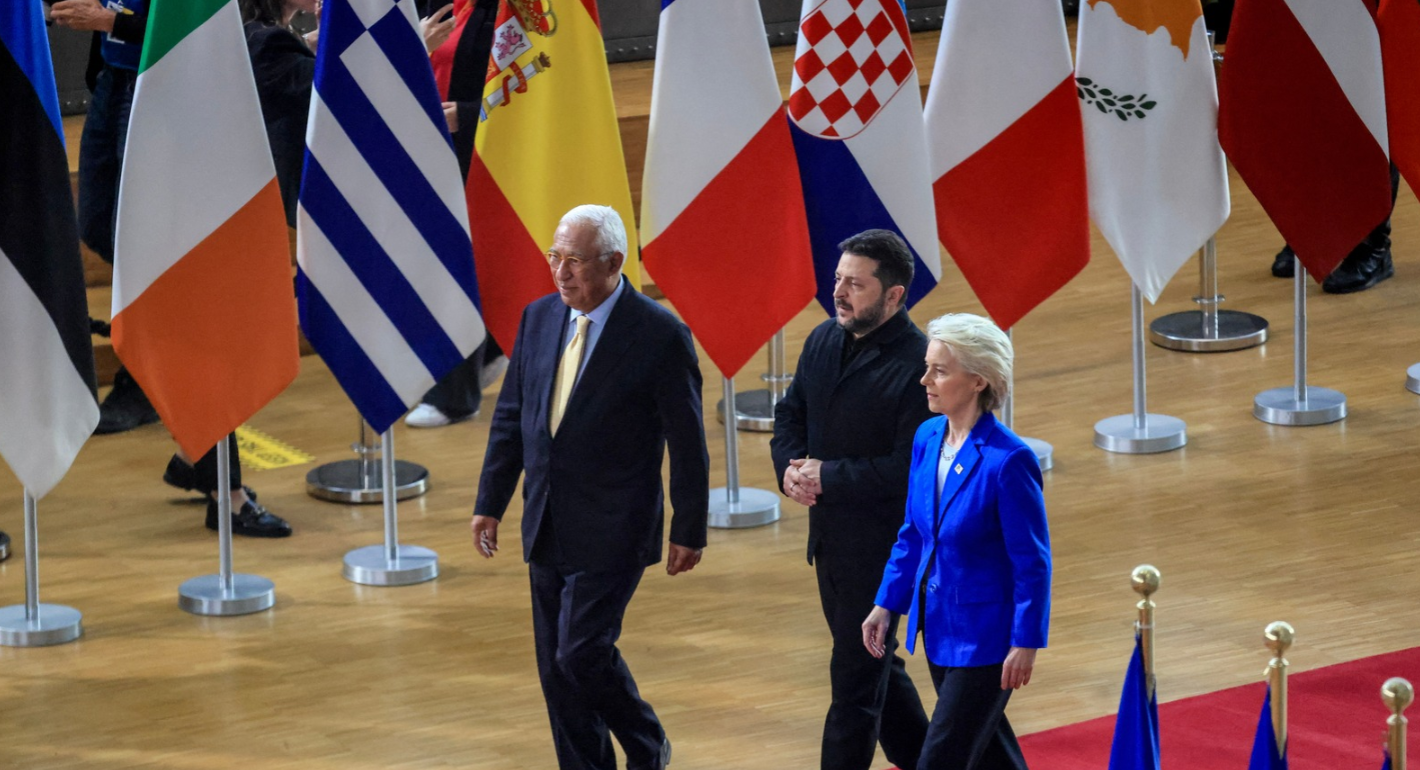
The EU can impose sanctions but struggles to enforce them without the United States. With Washington increasingly disinterested in backing European interests, the bloc must now fend for itself.


Nicu Popescu, Tiago Antunes
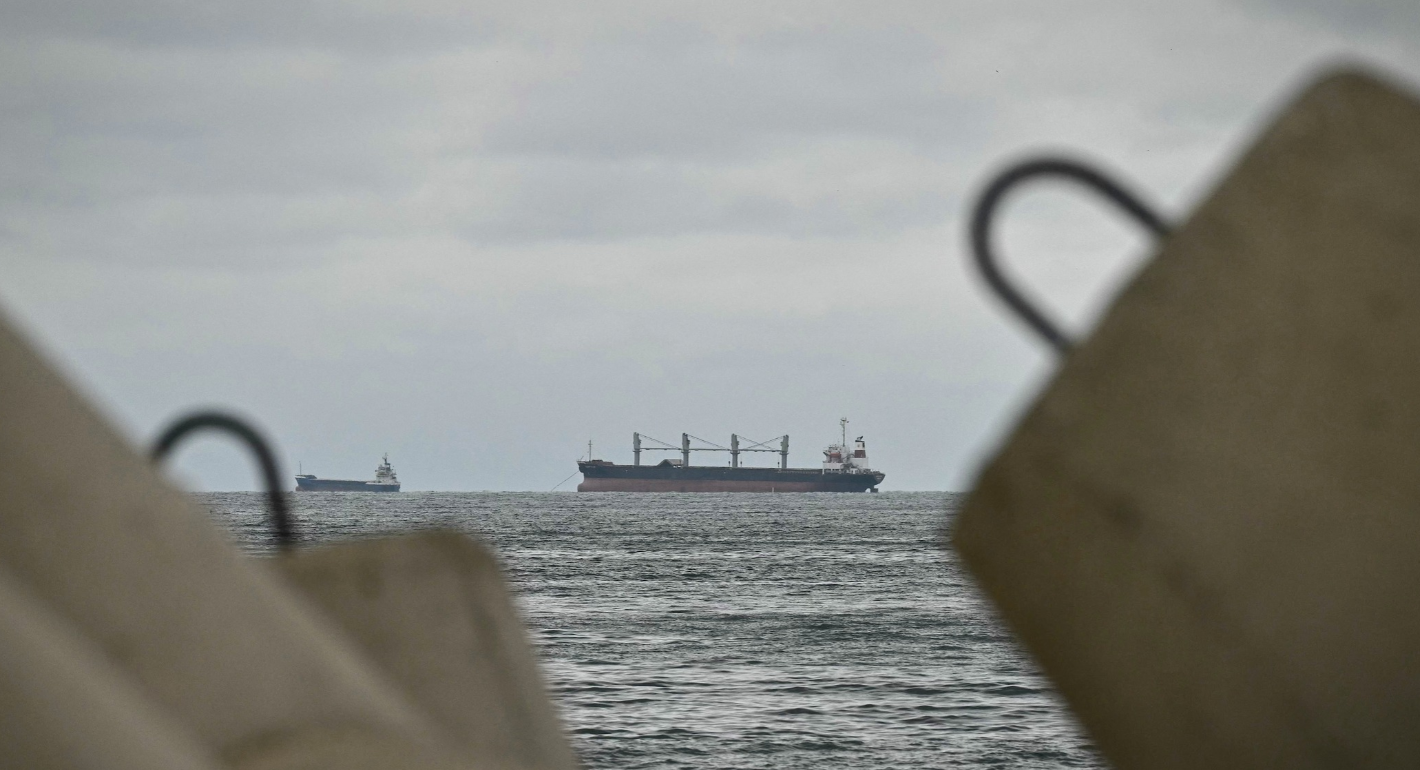
Russia is testing the waters of NATO’s mutual defense clause. What do strikes in Romanian territorial waters mean for the alliance’s posture toward Moscow?

Dimitar Bechev
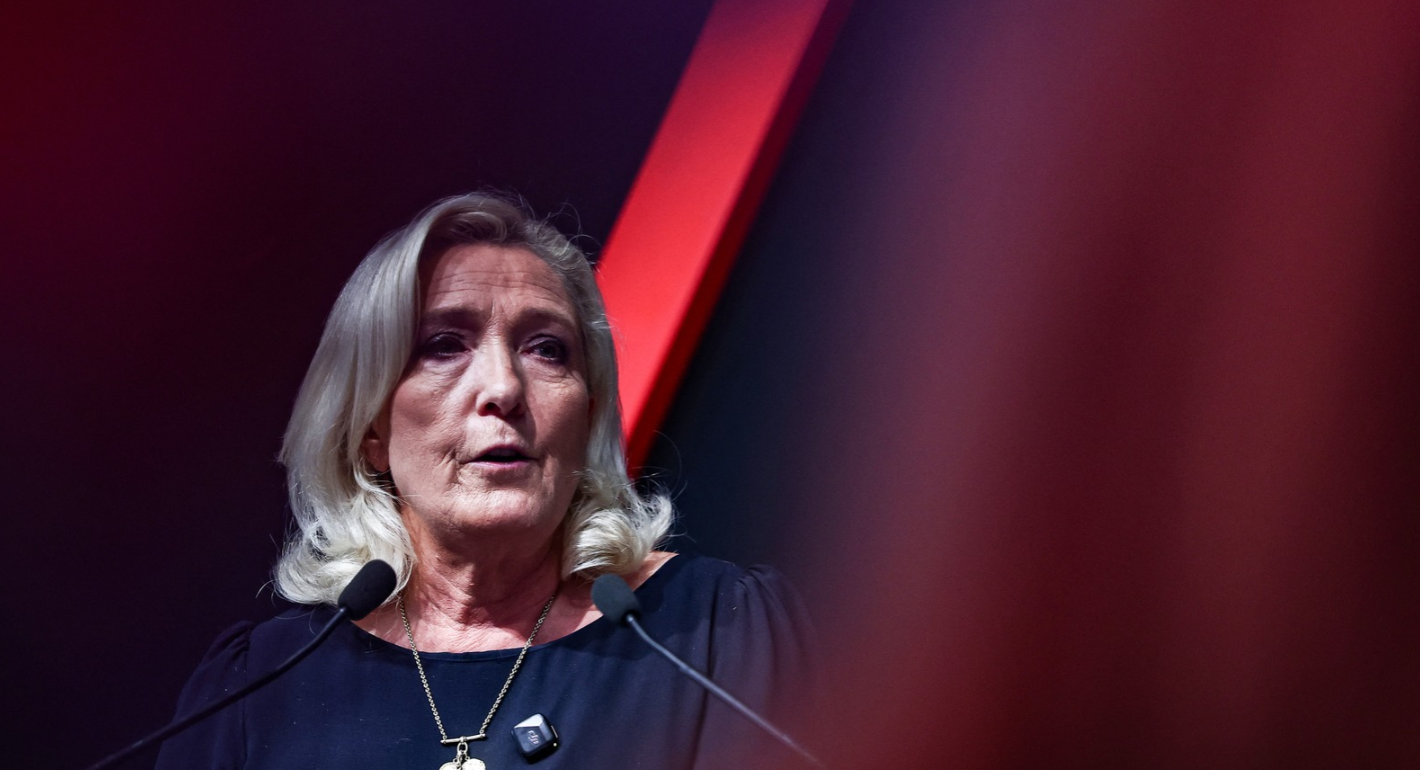
With its public finances in shambles, the far right polling at 35 percent ahead of the 2027 presidential election, and a growing protest movement, is France’s crisis a threat to the EU’s geopolitical awakening?

Rym Momtaz, ed.
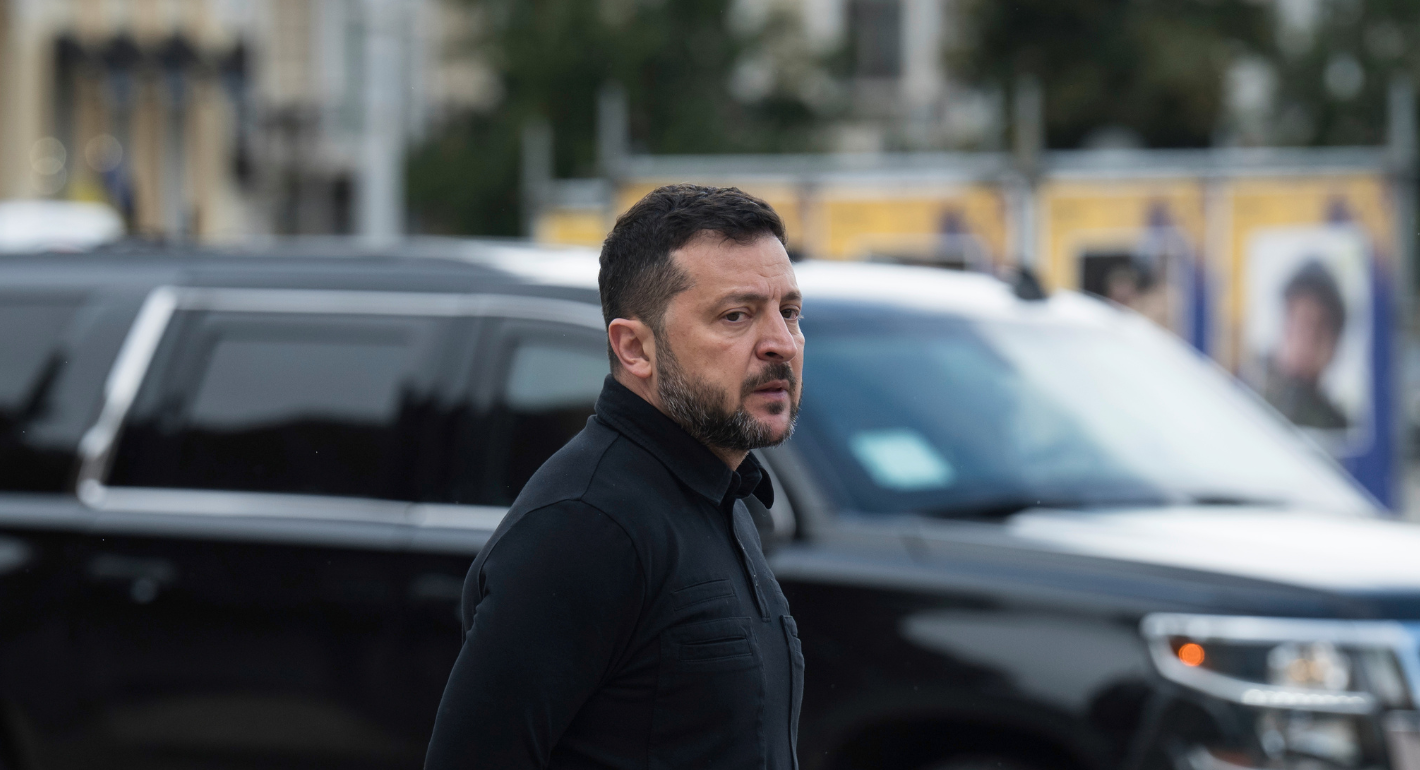
Ahead of a tough winter for Ukraine, Donald Trump’s swing back toward Russia bodes ill. But instead of panicking, Kyiv’s European allies are focusing on action.
Rym Momtaz
While the EU and European governments are embracing the much-lauded middle-power moment, this entails three difficult conundrums.

Richard Youngs