

Other
François Godement, Ashley J. Tellis
{
  "authors": [
    "François Godement"
  ],
  "type": "other",
  "centerAffiliationAll": "dc",
  "centers": [
    "Carnegie Endowment for International Peace"
  ],
  "collections": [],
  "englishNewsletterAll": "asia",
  "nonEnglishNewsletterAll": "",
  "primaryCenter": "Carnegie Endowment for International Peace",
  "programAffiliation": "AP",
  "programs": [
    "Asia"
  ],
  "projects": [],
  "regions": [],
  "topics": [
    "Global Governance"
  ]
}
Source: Getty
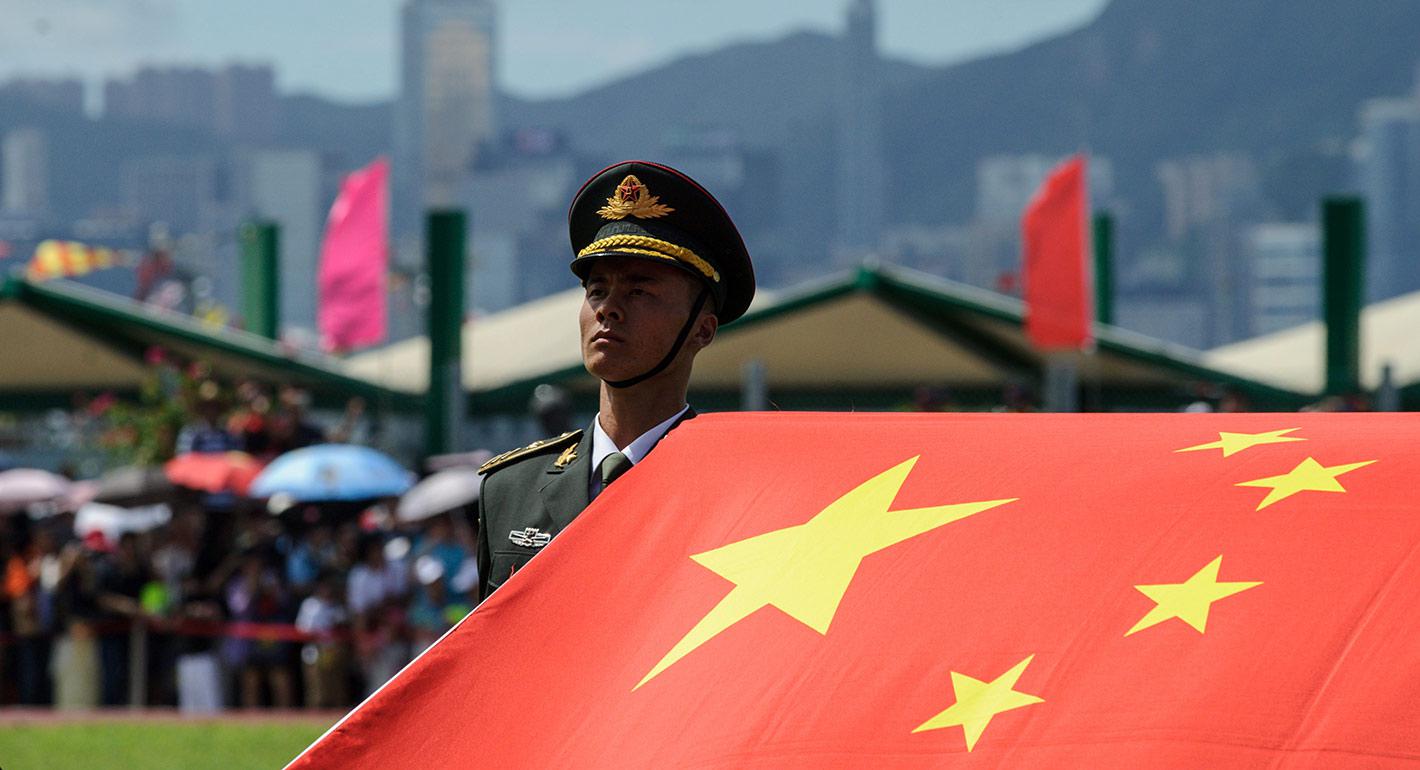
What China seeks is a nonintrusive, low-cost international order built on two very contrasting pillars: national sovereignty as an absolute principle, and the free flow of goods and services for as long as China’s exceptional status as a nominal developing economy is maintained.
Source: The National Bureau of Asian Research
China has moved over time from a global alliance with the Soviet Union, followed by a short-lived revolutionary stance, to a path of integration with most international institutions and rules. But that course has abated as the country has gained wealth and power. With Xi Jinping’s ascent, China has set aside its long-standing reservations and defensive stance and begun to directly contest the liberal world order through the promotion of Chinese alternatives presented as “complementary,” with a strong preference for bilateral deals with other nation-states. China is more interested in hollowing out the international order than in a revisionist upheaval, and it also rides the trend of self-doubt and isolationism in several democracies. Mutual interest is the operative factor, often coinciding with the lure of financial gains for partners. China’s approach remains pragmatic, emphasizing diversified participation in multilateral institutions. What China seeks is a nonintrusive, low-cost international order built on two very contrasting pillars: national sovereignty as an absolute principle, and the free flow of goods and services for as long as China’s exceptional status as a nominal developing economy is maintained.
Former Nonresident Senior Fellow, Asia Program
Godement, an expert on Chinese and East Asian strategic and international affairs, was a nonresident senior fellow in the Asia Program at the Carnegie Endowment for International Peace.
Recent Work
François Godement, Ashley J. Tellis

François Godement, Abigaël Vasselier
Carnegie does not take institutional positions on public policy issues; the views represented herein are those of the author(s) and do not necessarily reflect the views of Carnegie, its staff, or its trustees.
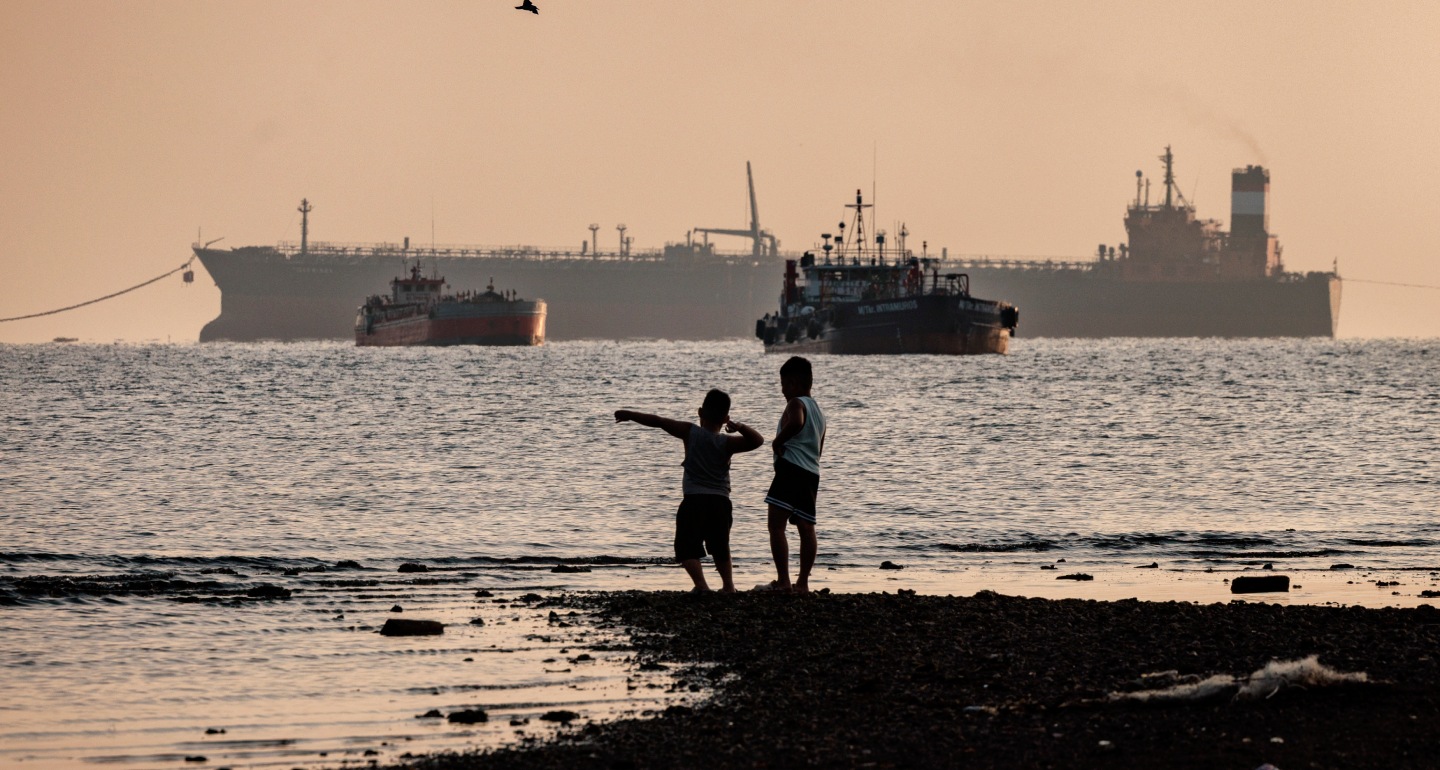
Although Ukrainian strikes have led to a noticeable decline in the physical volume of Russian oil exports, the rise in prices has more than made up for it.

Sergey Vakulenko
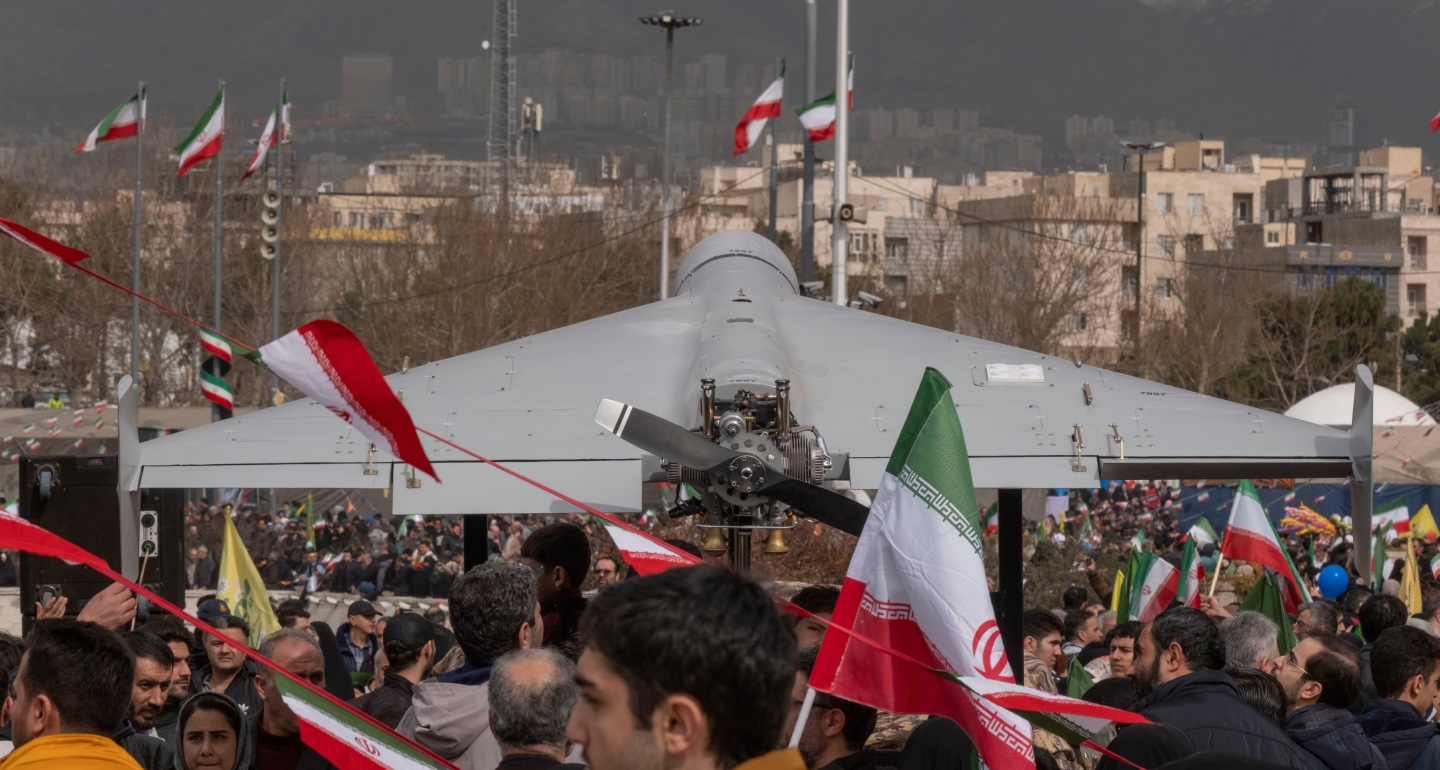
The Russian leadership wants to avoid a dangerous precedent in which it is squeezed out of Iran by the United States and Israel—and left powerless to respond in any meaningful way.

Nikita Smagin

Orbán created an image for himself as virtually the only opponent of aid to Ukraine in the entire EU. But in reality, he was simply willing to use his veto to absorb all the backlash, allowing other opponents to remain in the shadows.
Maksim Samorukov
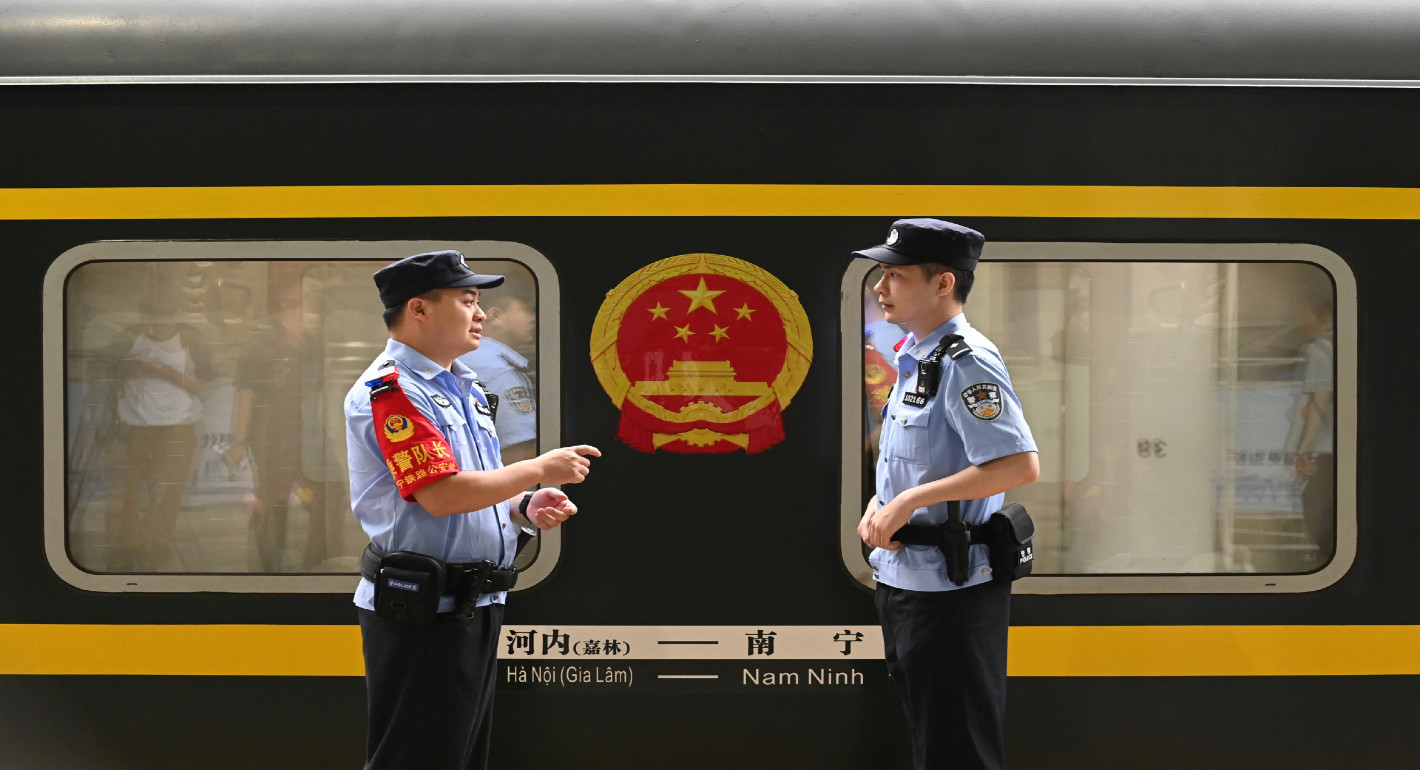
Despite long-standing differences, China and Vietnam are reinforcing common ground for collaboration, especially in public security. This internal security–centered diplomacy offers a strengthened road map for how China moves forward with Southeast Asia.
Sophie Zhuang

Climate mobility interventions can vary, but they all present opportunities to unlock transformative results that mitigate costs associated with inaction.

Alejandro Martin Rodriguez