
• Research
  • Emissary
  • About
  • Experts
Carnegie Global logoCarnegie lettermark logo
DemocracyIran
  • Donate
{
  "authors": [
    "Rachel Kleinfeld",
    "Amanda Ripley"
  ],
  "type": "legacyinthemedia",
  "centerAffiliationAll": "dc",
  "centers": [
    "Carnegie Endowment for International Peace"
  ],
  "collections": [],
  "englishNewsletterAll": "democracy",
  "nonEnglishNewsletterAll": "",
  "primaryCenter": "Carnegie Endowment for International Peace",
  "programAffiliation": "DCG",
  "programs": [
    "Democracy, Conflict, and Governance"
  ],
  "projects": [],
  "regions": [
    "North America",
    "United States"
  ],
  "topics": [
    "Political Reform",
    "Democracy",
    "Civil Society"
  ]
}

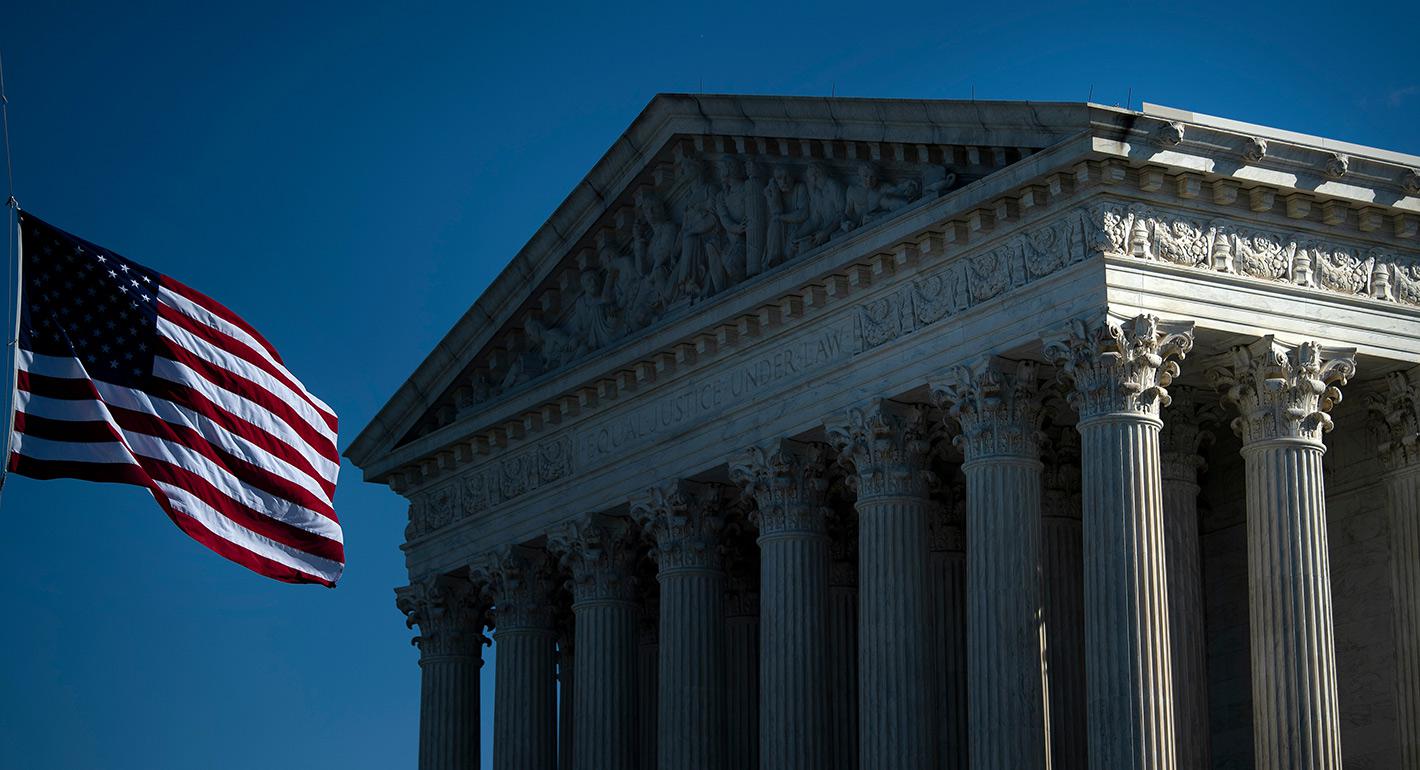
Source: Getty

In The Media

How to Cover Electoral Conflict

The United States is different from other countries in many ways. But polarized people tend to be have similarly, all over the world. And in this context, the usual traditions of journalism will not work—and can do enormous harm

Link Copied
By Rachel Kleinfeld and Amanda Ripley
Published on Oct 8, 2020
Program mobile hero image

Program

Democracy, Conflict, and Governance

The Democracy, Conflict, and Governance Program is a leading source of independent policy research, writing, and outreach on global democracy, conflict, and governance. It analyzes and seeks to improve international efforts to reduce democratic backsliding, mitigate conflict and violence, overcome political polarization, promote gender equality, and advance pro-democratic uses of new technologies.

Learn More

Source: Election SOS

The 2020 election feels unprecedented in the United States. Nearly three out of four Americans are worried there will be widespread violence in response to the results, according to More in Common. Protests, racial discord and the pandemic have aggravated anxiety and suspicion in a nation already under strain

But journalists have covered elections similar to this, all over the world, for many years. They’ve agonized over their mistakes and learned from their best coverage. They’ve created playbooks for covering contested elections in frayed societies.

Read the Full Text

This article was originally published by Election SOS.

About the Authors

Rachel Kleinfeld

Senior Fellow, Democracy, Conflict, and Governance Program

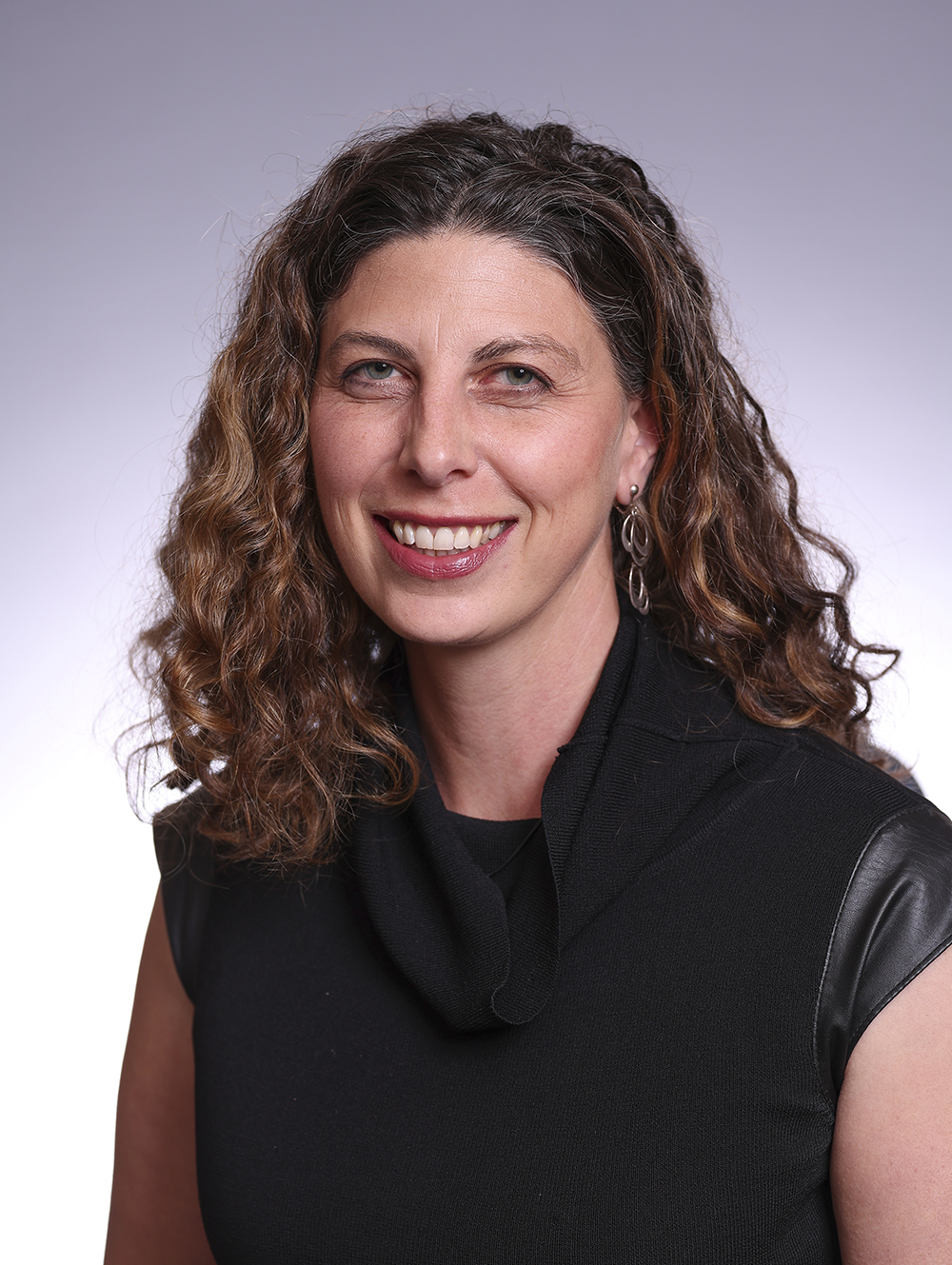
Rachel Kleinfeld is a senior fellow in Carnegie’s Democracy, Conflict, and Governance Program, where she focuses on issues of rule of law, security, and governance in democracies experiencing polarization, violence, and other governance problems.

Amanda Ripley

Authors

Rachel Kleinfeld
Senior Fellow, Democracy, Conflict, and Governance Program
Rachel Kleinfeld
Amanda Ripley
Political ReformDemocracyCivil SocietyNorth AmericaUnited States

Carnegie does not take institutional positions on public policy issues; the views represented herein are those of the author(s) and do not necessarily reflect the views of Carnegie, its staff, or its trustees.

More Work from Carnegie Endowment for International Peace

  • Commentary
    The Unresolved Challenges in U.S.–India Semiconductor Cooperation

    The U.S.–India semiconductor cooperation story is well-stocked with top-level strategic intent. What remains unresolved, however, are some underlying challenges that will determine whether the cooperation actually functions. Three such friction points stand out.

      Shruti Mittal

  • Commentary
    Diwan
    Corrupted by Absolute Power

    In an interview, Marc Lynch discusses his new book decrying the post-1990 U.S.-dominated order in the Middle East.

      Michael Young

  • Tiananmen Gate with US and Chinese flags
    Commentary
    Emissary
    Trump and Xi Should Tackle a Previously Impossible AI Conversation

    Previous dialogues ended in failure. This time could be different.

      Scott Singer

  • Trump and others walking down a red carpet, with Air Force One in the background
    Commentary
    Emissary
    “China Doesn’t Do Anything for Free”

    Why the outcomes of the U.S.-China meetings may be limited.


      Aaron David Miller, David Rennie

  • A drone flies in front of an Iranian flag in southern Tehran, Iran
    Article
    The Unintended Consequences of Iran’s Asymmetric Strategy and America’s AI War

    The Iran war is unique in the scope and scale of asymmetric warfare and AI-enabled conflict. These will test the limits of protecting civilians.

      Steve Feldstein

Get more news and analysis from
Carnegie Endowment for International Peace
Carnegie global logo, stacked
1779 Massachusetts Avenue NWWashington, DC, 20036-2103Phone: 202 483 7600
  • Research
  • Emissary
  • About
  • Experts
  • Donate
  • Programs
  • Events
  • Blogs
  • Podcasts
  • Contact
  • Annual Reports
  • Careers
  • Privacy
  • For Media
  • Government Resources
Get more news and analysis from
Carnegie Endowment for International Peace
© 2026 Carnegie Endowment for International Peace. All rights reserved.