

{
  "authors": [
    "Michael Krepon",
    "Debak Das",
    "Beenish Pervaiz",
    "Toby Dalton"
  ],
  "type": "event",
  "centerAffiliationAll": "dc",
  "centers": [
    "Carnegie Endowment for International Peace"
  ],
  "collections": [],
  "englishNewsletterAll": "ctw",
  "nonEnglishNewsletterAll": "",
  "primaryCenter": "Carnegie Endowment for International Peace",
  "programAffiliation": "NPP",
  "programs": [
    "Nuclear Policy",
    "South Asia"
  ],
  "projects": [],
  "regions": [
    "South Asia",
    "India",
    "Pakistan"
  ],
  "topics": [
    "Nuclear Policy"
  ]
}
Nuclear Peace in South Asia?
Wed, November 17th, 2021
Live Online
Most discussions on future nuclear arms control focus narrowly on U.S. negotiations with Russia and potential negotiations with China. This leaves out two pairs of nuclear-armed competitors that engage in border clashes—India and China and Pakistan and India. Are there more inclusive approaches to reduce the nuclear dangers involving these countries? If so, what might be the most productive way to proceed, given evolving technologies and the worsening security conditions in southern Asia?
We hosted a special event with Michael Krepon on the future of arms control from his recently published book, Winning and Losing the Nuclear Peace. He wias joined in conversation by Beenish Pervaiz and Debak Das. Toby Dalton moderated.
Carnegie does not take institutional positions on public policy issues; the views represented herein are those of the author(s) and do not necessarily reflect the views of Carnegie, its staff, or its trustees.
Event Speakers
Michael Krepon
Michael Krepon co-founded the Stimson Center in 1989. He worked previously in the executive branch and on Capitol Hill.
Debak Das
Assistant Professor, University of Denver
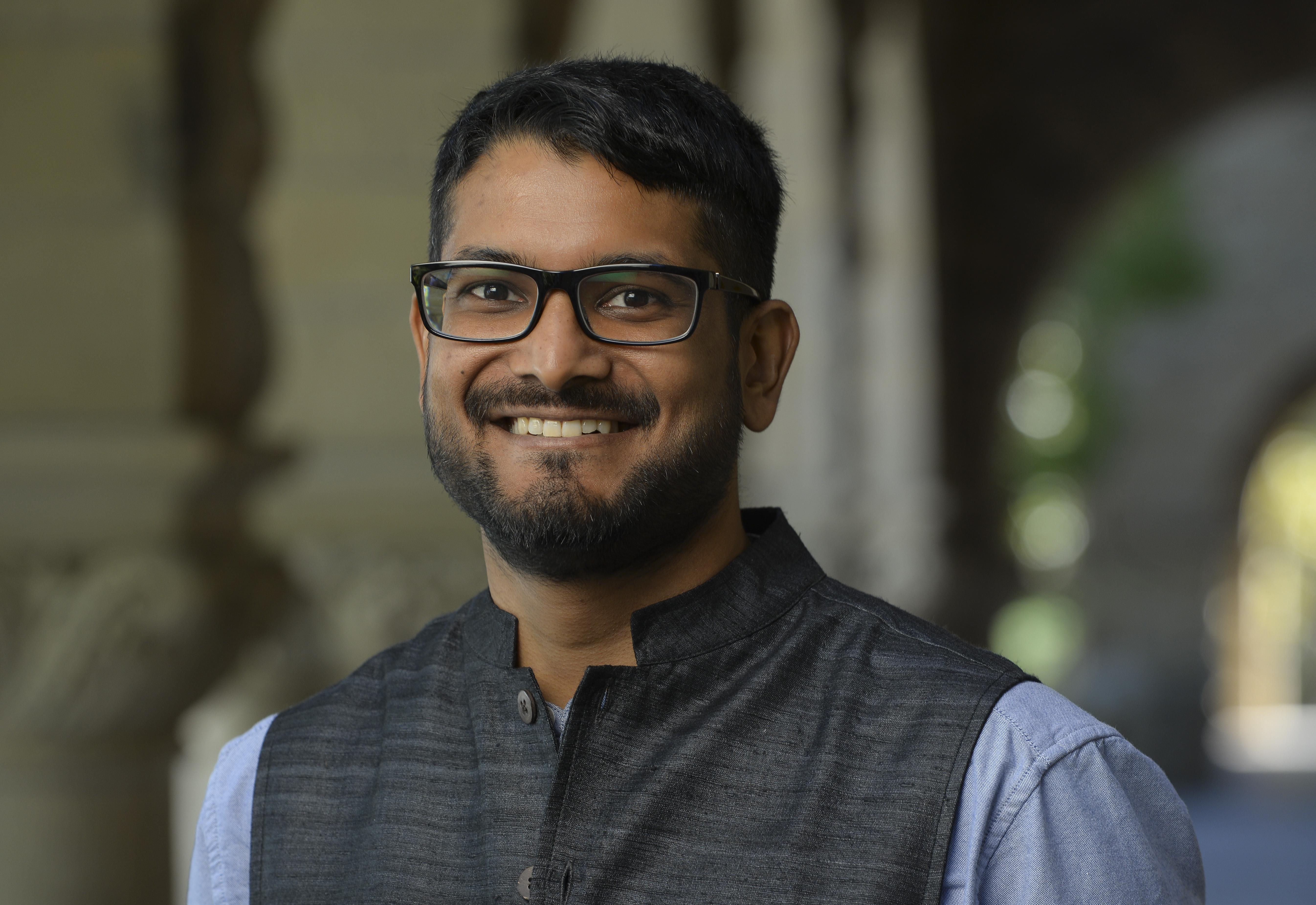
Debak Das is an assistant professor at the Josef Korbel School of Global and Public Affairs at the University of Denver. Previously, he held pre- & post-doctoral fellowships at the Center for International Security and Cooperation at Stanford University.
Beenish Pervaiz

Beenish Pervaiz is a fourth year Phd Candidate in the Political Science department at Brown University studying international relations and nuclear politics in South Asia.
Senior Fellow and Co-director, Nuclear Policy Program

Toby Dalton is a senior fellow and co-director of the Nuclear Policy Program at the Carnegie Endowment. An expert on nonproliferation and nuclear energy, his work addresses regional security challenges and the evolution of the global nuclear order.