

Commentary
Oliver Stuenkel, Adrian Feinberg
{
  "authors": [
    "Oliver Stuenkel"
  ],
  "type": "commentary",
  "blog": "Emissary",
  "centerAffiliationAll": "dc",
  "centers": [
    "Carnegie Endowment for International Peace"
  ],
  "collections": [],
  "englishNewsletterAll": "democracy",
  "nonEnglishNewsletterAll": "",
  "primaryCenter": "Carnegie Endowment for International Peace",
  "programAffiliation": "DCG",
  "programs": [
    "Democracy, Conflict, and Governance"
  ],
  "projects": [],
  "regions": [
    "North America",
    "South America"
  ],
  "topics": [
    "Democracy"
  ]
}
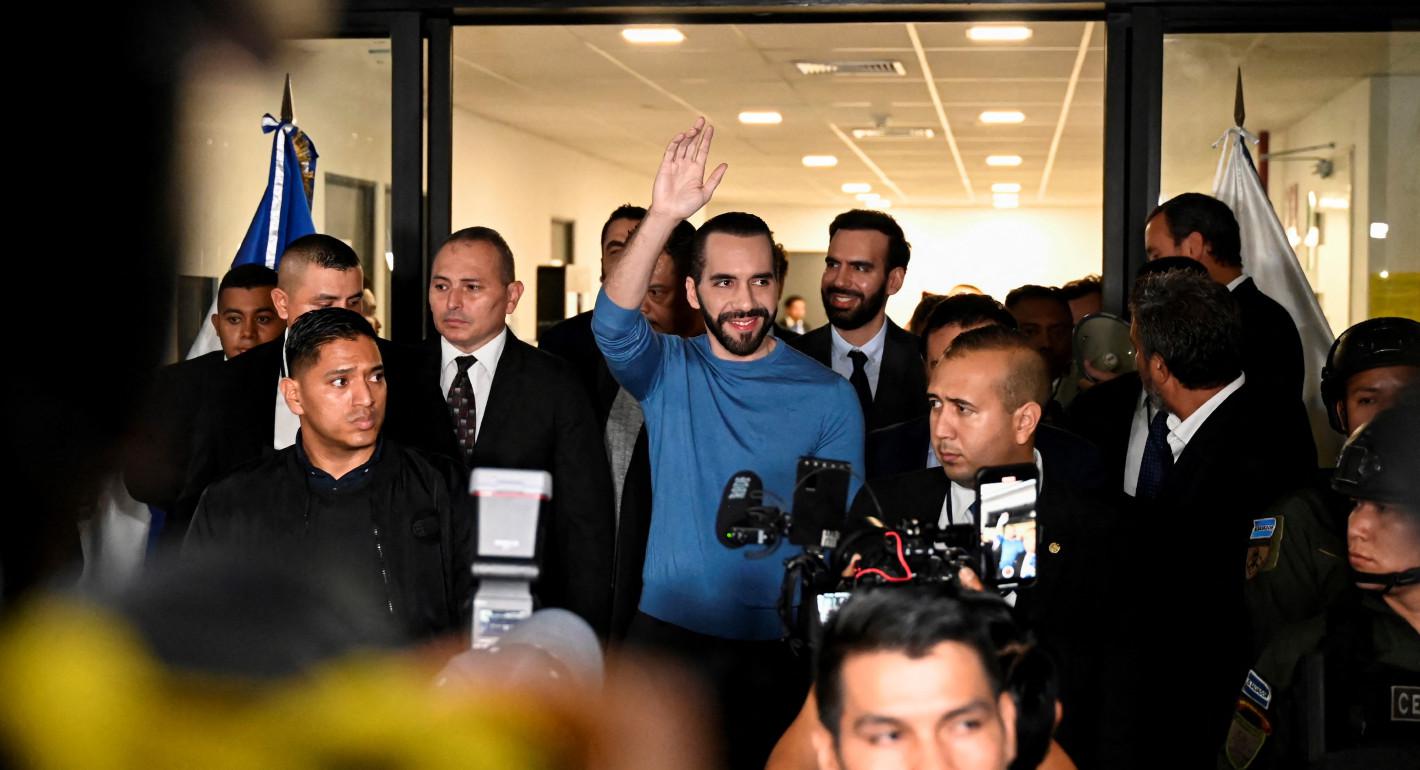
Source: Getty
Defying a constitutional ban on serving consecutive terms, President Nayib Bukele is set to win Sunday’s vote in a landslide.
El Salvador and its 6.3 million inhabitants have traditionally not been in the international limelight. Yet President Nayib Bukele’s controversial strategy to fight organized crime—which involved suspending some civil rights and detaining more than 70,000 people, leaving nearly 2 percent of the Central American country’s population in prison—has continuously made global headlines. The strategy has resulted in plummeting homicide rates, transforming the country from one of Latin America’s most dangerous into one of its safest. It has also made Bukele into a highly visible and divisive figure in the region.
For a growing number of conservative voters across Latin America, Bukele’s approach is the only way to wrest back control from increasingly powerful drug cartels. For example, in neighboring Costa Rica, Bukele was voted the country’s favorite politician, leading Costa Rican President Rodrigo Chaves to propose similar policies. As crime rates in countries such as Ecuador and Chile increase, Bukele’s approach is bound to inspire politicians there as well.
On the other hand, human rights organizations warn that El Salvador has seen a marked increase in repression. They’ve also noted that the government’s crackdown on gangs involved the systematic use of torture of detainees and threats to due process, such as access to a lawyer.
A second reason why Bukele has gained considerable visibility abroad is his innovative use of social media. El Salvador’s president has more than 7 million followers on TikTok alone and has developed a very unique style of “infotainment.”
This style may explain why opposition figures, such as Manuel Flores of the leftist Farabundo Martí National Liberation Front and Joel Sánchez of the right-wing Nationalist Republican Alliance, have struggled to gain traction ahead of the elections on February 4, when Bukele is expected to win by a landslide and remain president until at least 2028. Some opinion polls say up to 90 percent of voters approve of the president.
This has made it easier for the former mayor of San Salvador to undermine checks and balances, tame the country’s judiciary, and convince the Supreme Court to allow him to run for reelection, even though the country’s constitution explicitly prohibits consecutive terms. In addition, Bukele’s New Ideas party is set to retain control of the National Assembly, giving him unrestrained power and posing an acute threat to the country’s democracy.
Previously in this series:
Senior Fellow, Democracy, Conflict, and Governance Program
Oliver Stuenkel is an associate professor at the School of International Relations at Fundação Getulio Vargas (FGV) in São Paulo, Brazil. He is also a senior fellow affiliated with the Democracy, Conflict, and Governance Program at the Carnegie Endowment for International Peace.
Recent Work
Oliver Stuenkel, Adrian Feinberg
Oliver Stuenkel, Adrian Feinberg
Carnegie does not take institutional positions on public policy issues; the views represented herein are those of the author(s) and do not necessarily reflect the views of Carnegie, its staff, or its trustees.
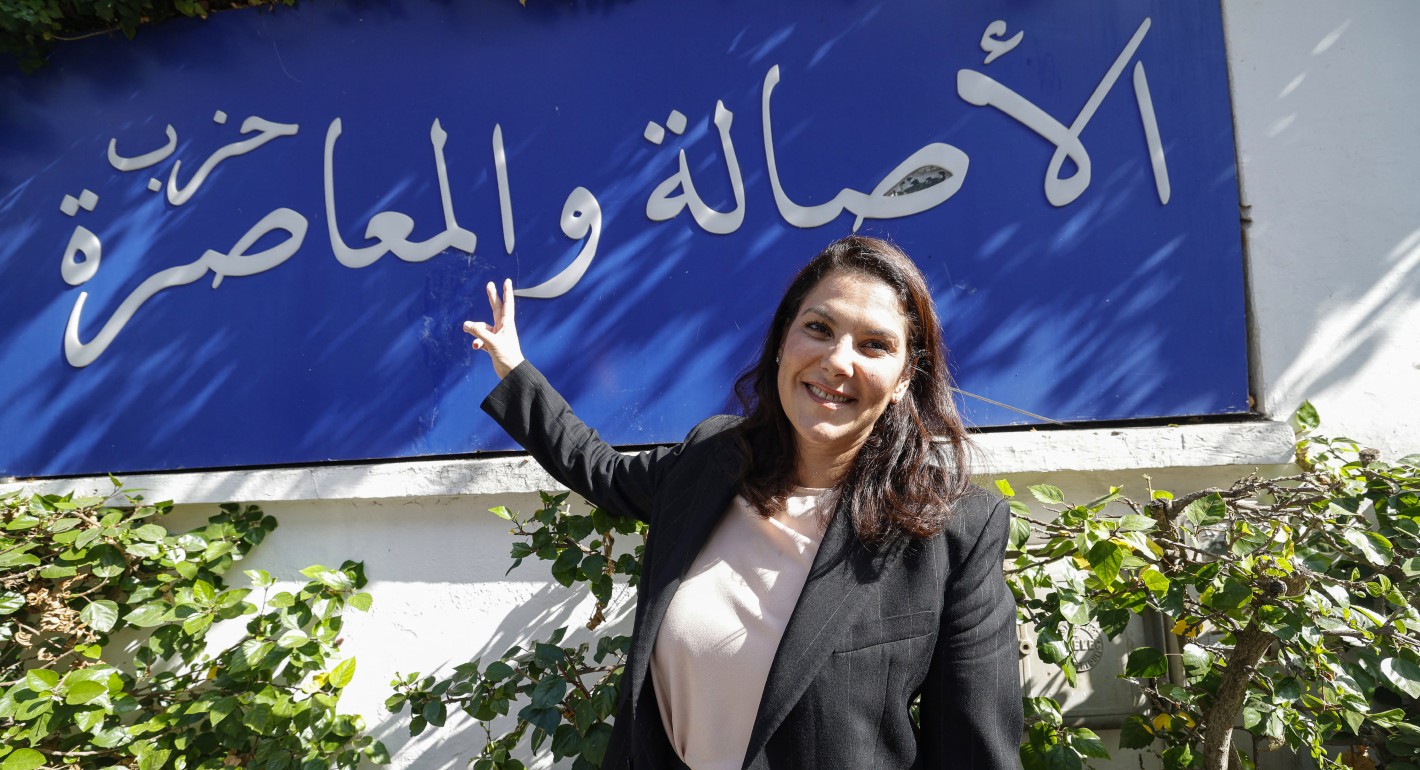
Fatima El Mansouri is the country’s first female prime minister. She’s also a privileged insider in a largely ceremonial position.

Sarah Yerkes

By focusing only on hard security, the Shield ignores the conditions that fuel cartel power.

Alejandro Martin Rodriguez, Kayly Ober
Lee’s tour shows how Seoul is reorganizing its diplomacy away from Pyongyang and toward industrial networks and the geography of the compute economy.

Darcie Draudt-Véjares
Saied’s main accomplishment has been to destroy a decade’s worth of democratic progress.
Sarah Yerkes
In Colombia and elsewhere in the region, the United States is trying to shape election outcomes—but at what cost?
Oliver Stuenkel, Adrian Feinberg