

Paper
Sarah Yerkes, Natalie Triche, Amr Hamzawy
{
  "authors": [
    "Sarah Yerkes"
  ],
  "type": "questionAnswer",
  "blog": "Emissary",
  "centerAffiliationAll": "dc",
  "centers": [
    "Carnegie Endowment for International Peace"
  ],
  "englishNewsletterAll": "menaTransitions",
  "nonEnglishNewsletterAll": "",
  "programAffiliation": "MEP",
  "programs": [
    "Middle East"
  ],
  "regions": [
    "Morocco",
    "North Africa"
  ],
  "topics": [
    "Domestic Politics",
    "Democracy"
  ]
}
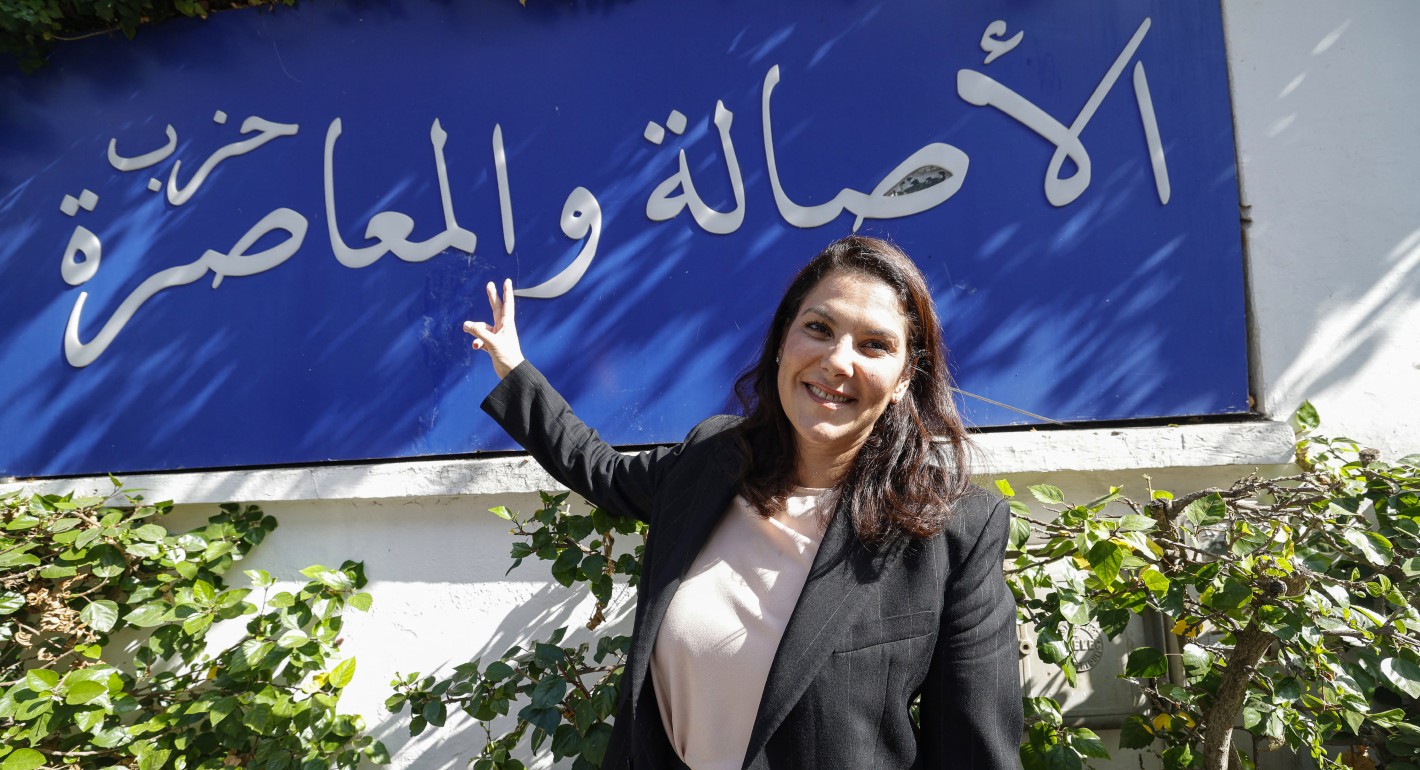
El Mansouri flashes the victory sign as she leaves her party’s headquarters on September 24, 2026. (Photo by Abdel Majid Bziouat/AFP via Getty Images)
Fatima El Mansouri is the country’s first female prime minister. She’s also a privileged insider in a largely ceremonial position.
Morocco now has a female prime minister. Is that a big deal?
Fatima El Mansouri was appointed prime minister by Morocco’s king on Wednesday, after her party won the most seats (95 out of 395) in the recent legislative elections.
El Mansouri’s appointment is notable, as she is the country’s first woman to be named prime minister—and only the third woman in the Arab world to hold that post. But much like those of the two women who preceded her—Najla Bouden, who served as prime minister of Tunisia from 2021–2023 and Tunisia’s current head of government, Sarra Zaafarani—El Mansouri’s role is largely ceremonial.
Morocco is a constitutional monarchy, with a parliament and independent judiciary, but final authority rests with the king. Among the prime minister’s limited powers is the ability to propose ministers who make up the Council of Ministers. The council is responsible for appointing ambassadors, governors, and other powerful postitions and passes some of the most important types of laws. But the king, who chairs the council, can veto those appointments and has the power to fire ministers. The king also retains power over the armed forces, can submit his own constitutional revisions without the government’s say, and has the power to dissolve parliament—and, by extension, fire the prime minister.
And because El Mansouri’s Party of Authenticity and Modernity (PAM) was formed by one of the king’s top advisers (and remains very close to the palace), and she has been a part of the PAM since its inception, there is no expectation that she will operate independently of the monarchy.
Is El Mansouri in a position to address the issues that have sparked recent protests?
Yes and no. She has quite a bit of political experience, having served previously as mayor of Marrakesh (twice) and in parliament. And her recent background as minister of national spatial planning, urban development, housing, and urban policy means she is acutely familiar with some of the socioeconomic grievances that drove tens of thousands of Moroccans to attempt to migrate to Spain in August, including poor healthcare and education infrastructure as well as rising unemployment and cost of living.
Ostensibly, she will be able to contribute to discussions around budget priorities and can at least pay lip service to the demands of the public. But her record in the wake of the devastating 2023 Al Haouz earthquake, when she simultaneously held the posts of mayor of Marrakesh and housing minister, wasn’t great: Three years after the earthquake, many victims continue to be without sufficient shelter and have received limited aid. Some families were forced to return to dangerous structures, and others have received no aid at all.
Another issue driving more recent protests is Morocco’s continued normalization of relations with Israel, as the two countries recently agreed to establish embassies and exchange ambassadors. This is not an area in which El Mansouri will have any say.
What issues is she expected to face?
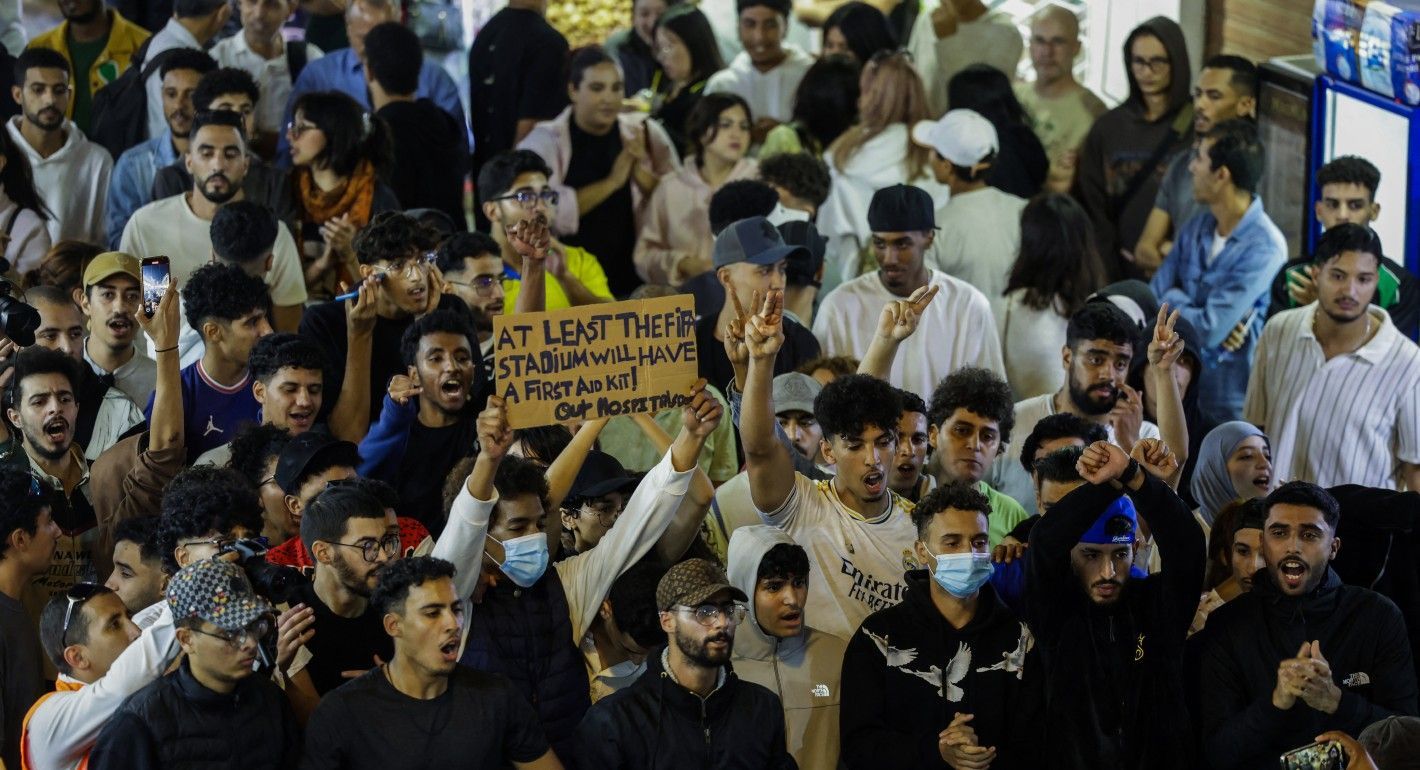
One of the biggest items on her docket will be preparing Morocco for the 2030 World Cup, which it is co-hosting with Spain and Portugal. The grievances that led to last year’s GenZ 212 protests in part stemmed from perceived government mismanagement and poor prioritization of resources as Morocco prepared to host the Africa Cup of Nations soccer tournament. Thousands of Moroccans, particularly youth, chanted, “The youth don’t want the World Cup! Health! Education!” They were angry that the government was building and upgrading fancy stadiums and other prestige projects while hospitals and schools were falling apart.
This issue will undoubtedly continue as the World Cup approaches. And it will be nearly impossible for El Mansouri to deliver on both improving socioeconomic outcomes for young people and spending billions of dollars to prepare Morocco to host the tournament.
Another issue she faces is the growth of the Islamist Justice and Development Party (PJD), the PAM’s longtime ideological opponent, and its share of parliament. The PJD led the first two post–Arab Spring governments beginning in 2011 but lost nearly all of its seats in the 2021 elections. In September’s vote, it came in fourth, growing its share from 13 to 54 seats. El Mansouri will be forced to form a coalition government, and she may need the PJD if one of the larger parties is not on board.
El Mansouri framed the move as “a message to all women in the kingdom.” What kind of message is she hoping to send versus what might be seen on the ground?
The message is meant to be one of a step forward for gender equality. But her appointment is not likely to move the needle in a very conservative country that continues to rank as one of the worst in the world for gender equality.
Additionally, El Mansouri is squarely a part of the Moroccan elite. Her father was a major landowner known as the “pasha of Marrakesh” and ambassador to the UAE, and she was educated in France and the United States. In addition, the PAM faced several corruption allegations in advance of the elections, including a drug trafficking scandal that landed multiple party leaders in jail. Any claim that El Mansouri represents “ordinary Moroccans” will likely fall on deaf ears.
Did anything else notable come out of the Moroccan elections?
Voter turnout in the elections was abysmally low—just 38 percent of registered voters cast ballots, the lowest since 2007. Some of this was attributed to a youth boycott. That means that El Mansouri and the Moroccan government is facing an uphill battle with a population that is already primed to mistrust it and its actions.
The latest from Carnegie scholars on the world’s most pressing challenges, delivered to your inbox.

Acting Co-Director and Senior Fellow, Middle East Program
Sarah Yerkes is acting co-director and a senior fellow in the Middle East Program at the Carnegie Endowment for International Peace. Her research focuses on democracy and governance, U.S. foreign policy towards the Middle East and North Africa, and political and economic reform in Tunisia.
Recent Work

Sarah Yerkes, Natalie Triche, Amr Hamzawy
Carnegie does not take institutional positions on public policy issues; the views represented herein are those of the author(s) and do not necessarily reflect the views of Carnegie, its staff, or its trustees.
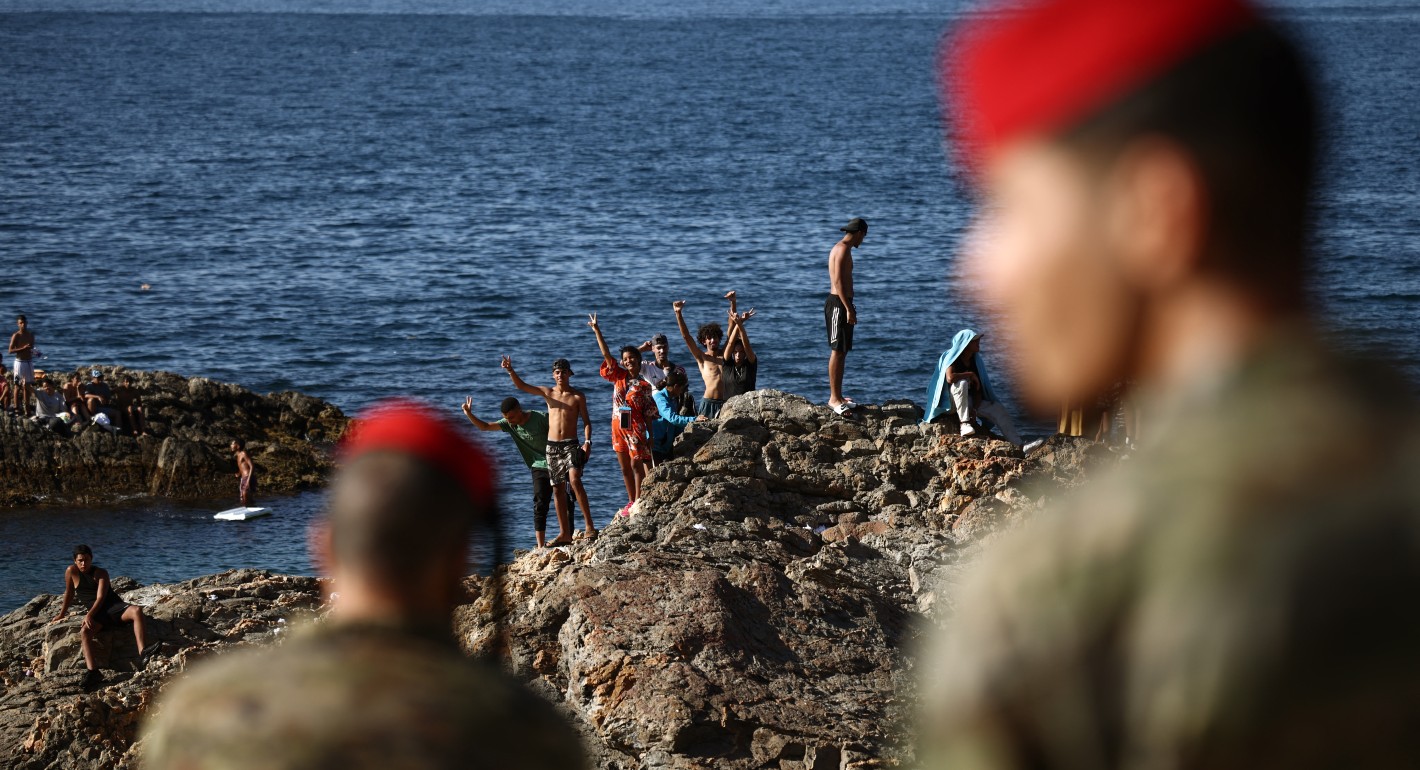
Most migrants may have left Ceuta, but the effects may linger.

Alejandro Martin Rodriguez, Sarah Yerkes
Despite Morocco’s hopes that its film industry would reap rewards, the blockbuster’s success will be tainted by controversy surrounding filming in occupied Western Sahara.
Sarah Yerkes
They have more in common with other recent youth-led demonstrations in Nepal and Madagascar.
Sarah Yerkes, Kathryn Selfe
The operation against Hamas in Doha has eliminated the notion that the Middle East can rely on America for protection of its lands.


Amr Hamzawy, Andrew Leber, Marwan Muasher, …

Despite public disputes over trade and immigration, the strategic partnership’s foundations remain sturdy.

Sameer Lalwani