The death of Osama bin Laden strikes several blows against global terrorism and provides President Obama the opportunity to relaunch his dialogue with the Muslim world.
Bin Laden and the Theater of TerrorismAs usual, Oscar Wilde got it right when he said, “As long as war is regarded as wicked, it will always have its fascination. When it is looked upon as vulgar, it will cease to be popular.”
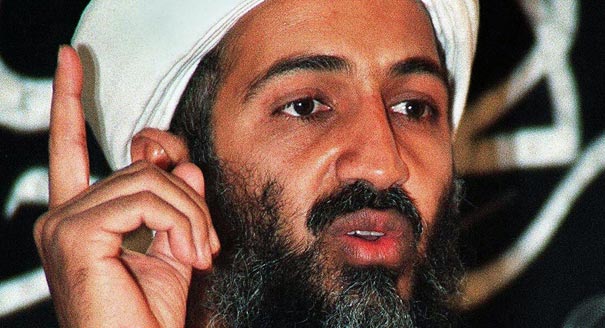
The same should be true of terrorism. It is wicked of course, but that is not the point. When you embark on mass killing you want to be wicked. Which is why the deadliest blow struck against al-Qaeda by this administration since killing Osama Bin Laden is the release of the footage of a grizzled old man in a small room watching television. Wrapped in a blanket and gripping the remote control as he watches old TV pictures of himself, he could be an alcoholic in a shelter. And this was the emir of radical Islam, the prophet of a new civilization?
This sad old man was very dangerous and he posed a physical threat to thousands of people. But he was not an equal adversary or an existential threat. His ideas about a Muslim caliphate were theologically confused and increasingly irrelevant, especially in the light of the Arab Spring. A perceptive al-Qaeda watcher, Peter Bergen, points out, “the burial of bin Ladenism had been a decade in the making.”
Hamas or Hezbollah look positively Jeffersonian by comparison. Bergen notes that, like the leaders of many extremist cults, Bin Laden doomed his movement to failure by authoritarian leadership, which suffocated debate and magnified his delusions into not-to-be-questioned precepts. He was a warped bundle of paranoid conspiracy theories playing to the lowest common denominator in the Arab and Pashtun street. He was vain and nasty. Oscar Wilde would have called him vulgar.
Unfortunately he was also a good demagogue. Far more than regular warfare, terrorism relies on the message—it is one part violence to ten parts terror. In an asymmetrical fight, a comparatively weaker actor targets civilians with mass violence not because he can win a victory but because he wants to sow terror in the enemy and inspiration in the hearts of followers.
All of the most successful terrorist masterminds are masters of communication as well. The IRA built up their fearsome reputation by being able to bring central London to a halt with a few strategically placed parcel-bombs—before they ran out of ideas and were rejected by a new generation in Northern Ireland. The Chechen warrior-turned-terrorist Shamil Basayev was a PR master, who held the whole of Russia hostage for several days in 1994 when he captured a hospital in the town of Budyonnovsk. In 2002, Basayev displayed an even more chilling understanding of the mechanics of modern-day media-terrorism, by ordering the seizure of a whole theater in Moscow. The theater of terrorism was played out in a real theater. But the greatest talent for PR belonged to the man killed in Pakistan this month. Bin Laden was hell’s television producer, masterminding the horrific spectacle of the two planes flying into the World Trade Center.
Half the counterterrorist effort is also PR. Obviously, you need a huge operational intelligence effort. But you strike the strongest blow when you manage to preserve a state of normality and refuse to dignify attacks against you with the name of a war or a clash of civilizations. To accept the terrorist’s challenge is the geopolitical equivalent of a woman telling a stalker that she regards him as an existential threat.
Rudy Giuliani got it right after September 11 with his famous Broadway-defeats-terrorism comments: “Come to New York, go to a play, go to a Yankee or Met game, come and spend some money here.” Cool and Lofty Obama also gets it as Warrior Bush never did. Obama hit the right note when he told West Point graduates a year ago, “The threat will not go away soon. But let's be clear: al-Qaeda and its affiliates are small men on the wrong side of history." The release of the Abbotabad home videos reinforces the same message.
Bin Laden’s death now gives the president the opportunity to relaunch his faltering dialogue with the Muslim world. There are reports that Obama will make a speech next week, drawing together a positive message from the killing of Bin Laden and the Arab spring.
The idea of a thematic speech is a great idea, but it also of course needs some positive content. How about a substantial initiative on the Israel-Palestine conflict?
Carnegie does not take institutional positions on public policy issues; the views represented herein are those of the author(s) and do not necessarily reflect the views of Carnegie, its staff, or its trustees.
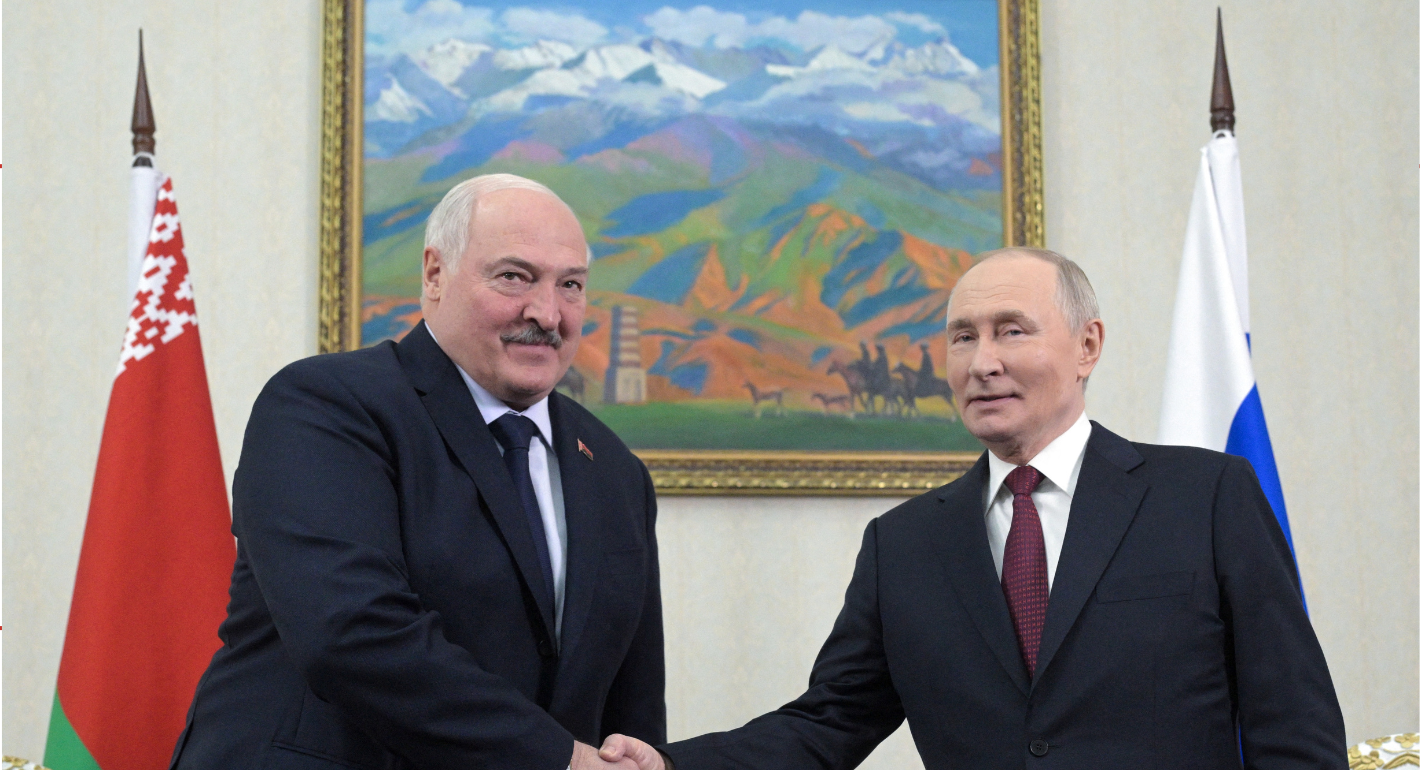
In return for a trade deal and the release of political prisoners, the United States has lifted sanctions on Belarus, breaking the previous Western policy consensus. Should Europeans follow suit, using their leverage to extract concessions from Lukashenko, or continue to isolate a key Kremlin ally?
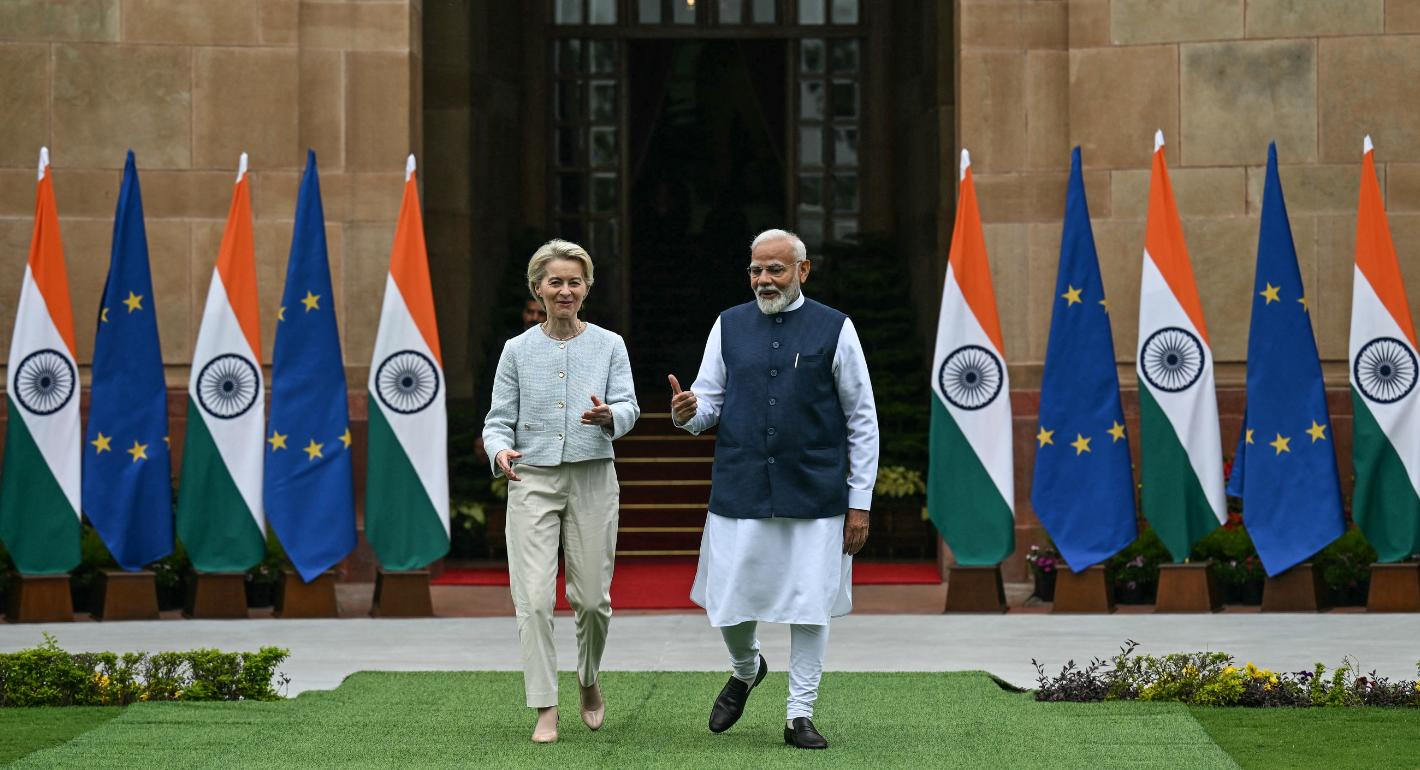
As European leadership prepares for the sixteenth EU-India Summit, both sides must reckon with trade-offs in order to secure a mutually beneficial Free Trade Agreement.
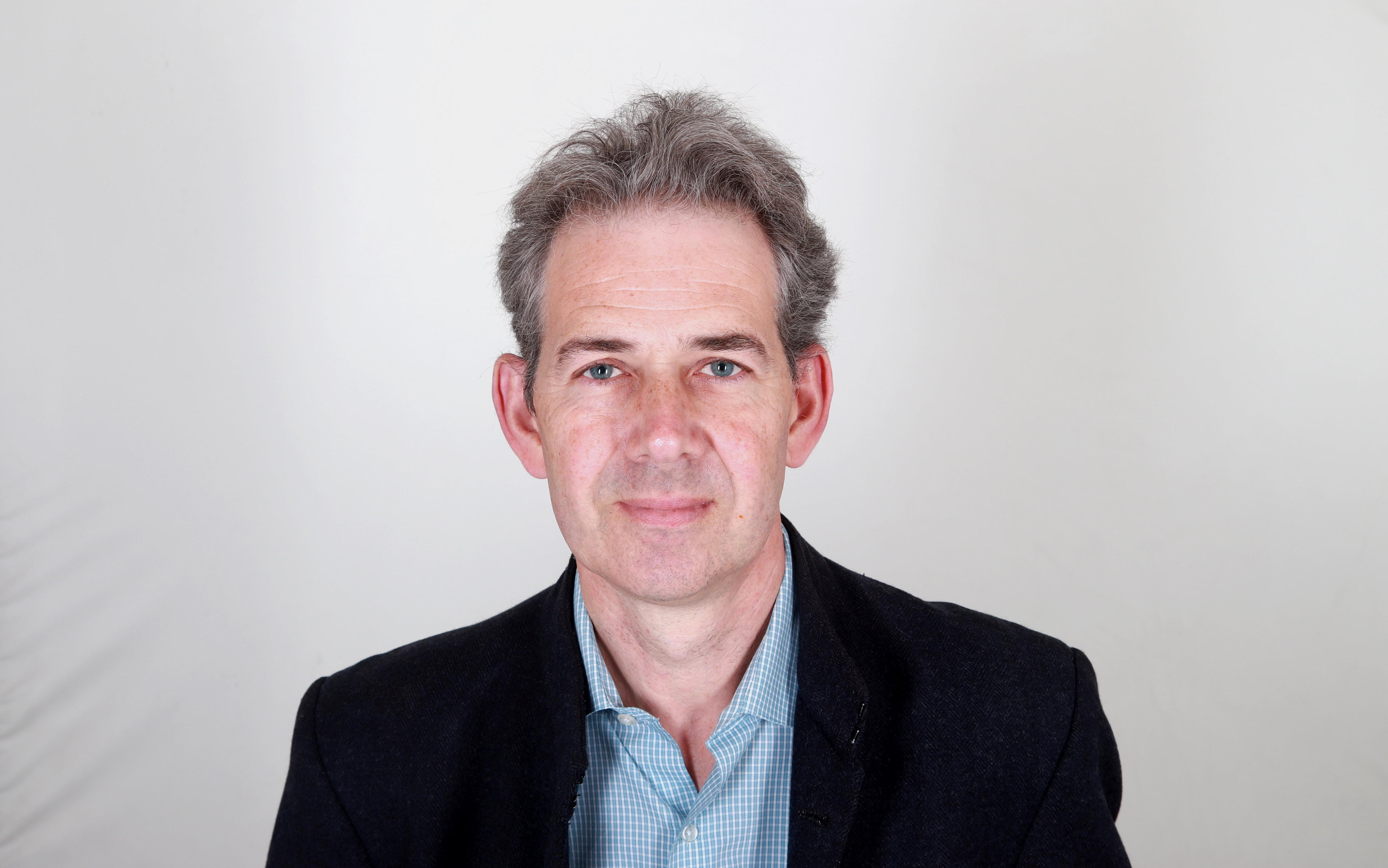
The hyper-personalized new version of global sphere-of-influence politics that Donald Trump wants will fail, as it did for Russia. In the meantime, Europe must still deal with a disruptive former ally determined to break the rules.
Between Greenland and U.S. interference in Europe’s democracies, transatlantic relations risk rising to an unprecedented level of crisis. Amid continued arguments on how Brussels should react, tough times lie ahead for European leaders.