

Commentary
As European leadership prepares for the sixteenth EU-India Summit, both sides must reckon with trade-offs in order to secure a mutually beneficial Free Trade Agreement.
Dinakar Peri
{
  "authors": [
    "Ukraine Reform Monitor Team"
  ],
  "type": "other",
  "centerAffiliationAll": "",
  "centers": [
    "Carnegie Endowment for International Peace",
    "Carnegie Europe"
  ],
  "collections": [
    "Europe’s Eastern Neighborhood",
    "Ukraine Reform Monitor"
  ],
  "englishNewsletterAll": "",
  "nonEnglishNewsletterAll": "",
  "primaryCenter": "Carnegie Endowment for International Peace",
  "programAffiliation": "",
  "programs": [
    "Russia and Eurasia"
  ],
  "projects": [
    "Reforming Ukraine"
  ],
  "regions": [
    "Eastern Europe",
    "Ukraine",
    "Europe"
  ],
  "topics": [
    "Political Reform",
    "Economy",
    "Security",
    "Foreign Policy"
  ]
}
Despite the growing scale and scope of reform activity and increasing support for it, the overall effort appears to be suffering from a lack of strategic direction.
The Ukraine Reform Monitor provides independent, rigorous assessments of the extent and quality of reforms in Ukraine. The Carnegie Endowment has assembled an independent team of Ukraine-based scholars to analyze reforms in four key areas. This second memo covers August and September 2015. The monitor is supported in part by a grant from the Open Society Foundations.
In August and September 2015, the Ukrainian government accomplished two major breakthroughs. It succeeded in negotiating a debt-restructuring deal with creditors, and it made progress toward parliamentary approval of a decentralization package. The first was an unqualified success. The second was a highly controversial event that triggered protests and violence and resulted in several fatalities, reaffirming that constitutional reform will be a difficult challenge for Ukraine. In addition to these major developments, the government used a relative lull in the fighting in eastern Ukraine to advance several less noted but important reforms.

Carnegie does not take institutional positions on public policy issues; the views represented herein are those of the author(s) and do not necessarily reflect the views of Carnegie, its staff, or its trustees.
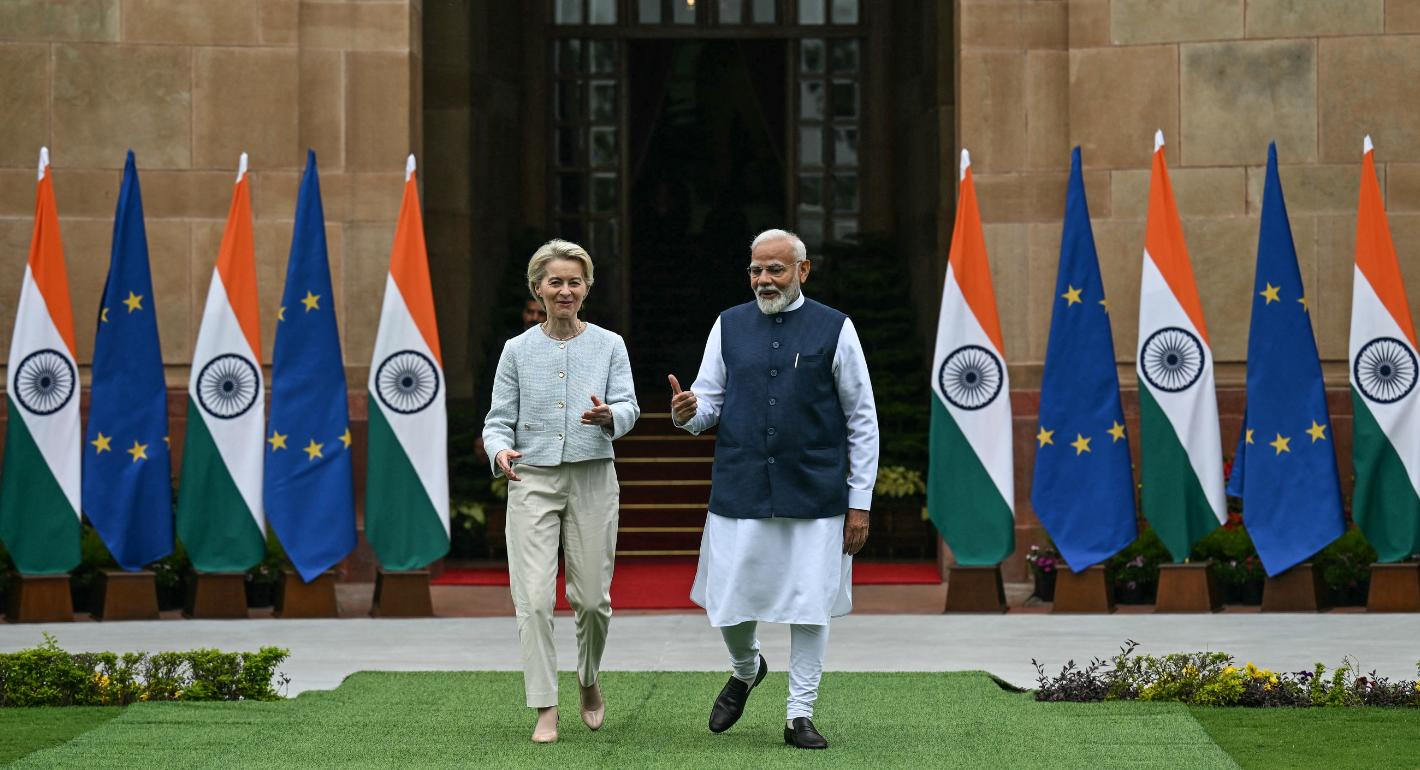
As European leadership prepares for the sixteenth EU-India Summit, both sides must reckon with trade-offs in order to secure a mutually beneficial Free Trade Agreement.

Dinakar Peri
Carnegie scholars examine the crucial elements of a document that’s radically different than its predecessors.



James M. Acton, Saskia Brechenmacher, Cecily Brewer, …
The hyper-personalized new version of global sphere-of-influence politics that Donald Trump wants will fail, as it did for Russia. In the meantime, Europe must still deal with a disruptive former ally determined to break the rules.
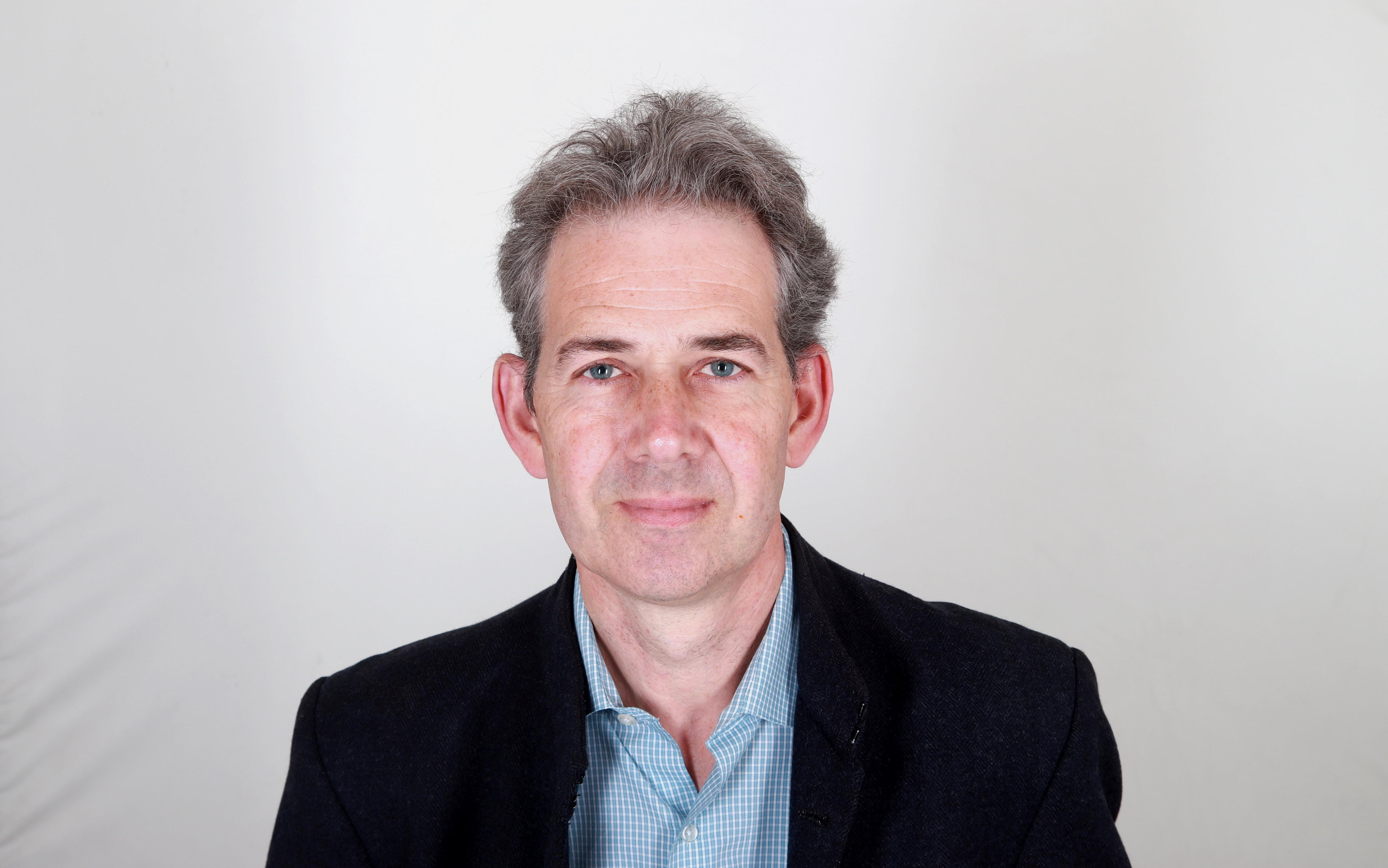
Thomas de Waal
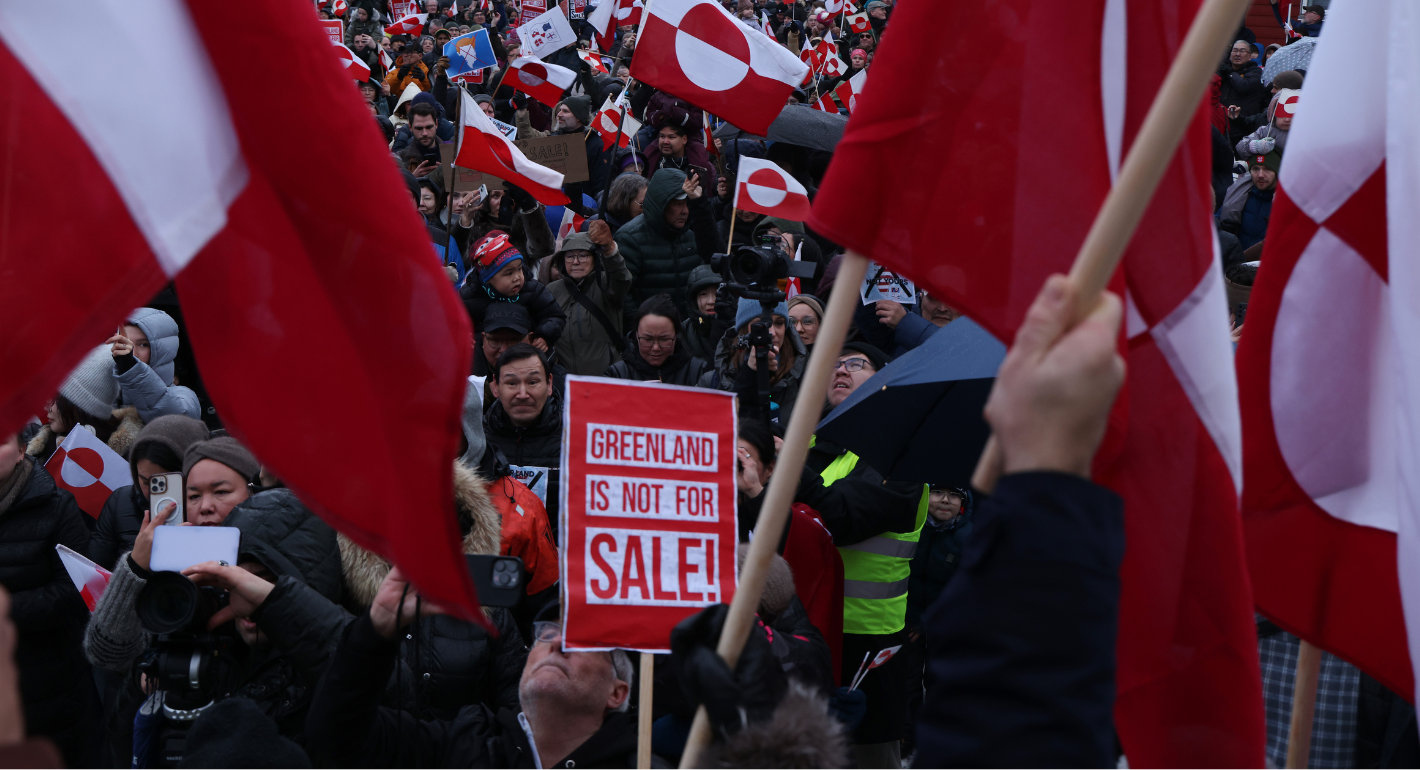
Between Greenland and U.S. interference in Europe’s democracies, transatlantic relations risk rising to an unprecedented level of crisis. Amid continued arguments on how Brussels should react, tough times lie ahead for European leaders.
Marc Pierini
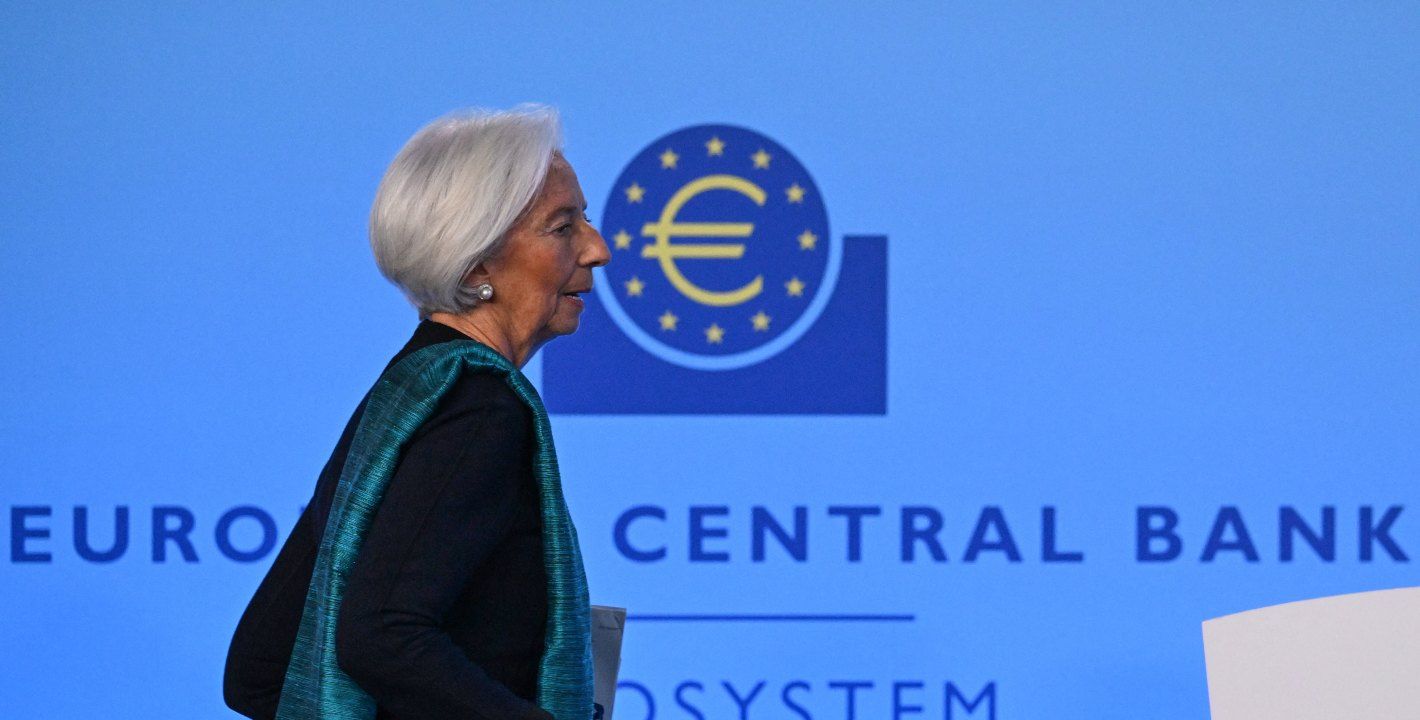
2026 has started in crisis, as the actions of unpredictable leaders shape an increasingly volatile global environment. To shift from crisis response to strategic foresight, what under-the-radar issues should the EU prepare for in the coming year?
Thomas de Waal