• Research
  • Strategic Europe
  • About
  • Experts
Carnegie Europe logoCarnegie lettermark logo
EUUkraine
  • Donate
{
  "authors": [
    "Tomáš Valášek"
  ],
  "type": "other",
  "centerAffiliationAll": "",
  "centers": [
    "Carnegie Endowment for International Peace",
    "Carnegie Europe"
  ],
  "collections": [
    "Transatlantic Cooperation",
    "European Defense in a New Transatlantic Context"
  ],
  "englishNewsletterAll": "",
  "nonEnglishNewsletterAll": "",
  "primaryCenter": "Carnegie Europe",
  "programAffiliation": "",
  "programs": [
    "Europe"
  ],
  "projects": [],
  "regions": [
    "Europe",
    "North America",
    "United States",
    "Western Europe",
    "Iran"
  ],
  "topics": [
    "Foreign Policy",
    "Security"
  ]
}
Other
Carnegie Europe

European Defense Capabilities: A Conversation With Tomáš Valášek

Could the creation of a common defense project help Europe move toward deeper economic integration?

Link Copied
By Tomáš Valášek
Published on Jul 10, 2017

Source: Center for a New American Security

In this podcast, Tomáš Valášek, the director of Carnegie Europe, sits down with Julie Smith, senior fellow and director of the Transatlantic Security Program at the Center for a New American Security, to discuss European defense capabilities and Central Europe’s perception of U.S. President Donald Trump.

This interview was originally aired by the Center for a New American Security.

Tomáš Valášek
Former Director, Carnegie Europe
Tomáš Valášek
Foreign PolicySecurityEuropeNorth AmericaUnited StatesWestern EuropeIran

Carnegie does not take institutional positions on public policy issues; the views represented herein are those of the author(s) and do not necessarily reflect the views of Carnegie, its staff, or its trustees.

More Work from Carnegie Europe

  • Commentary
    Strategic Europe
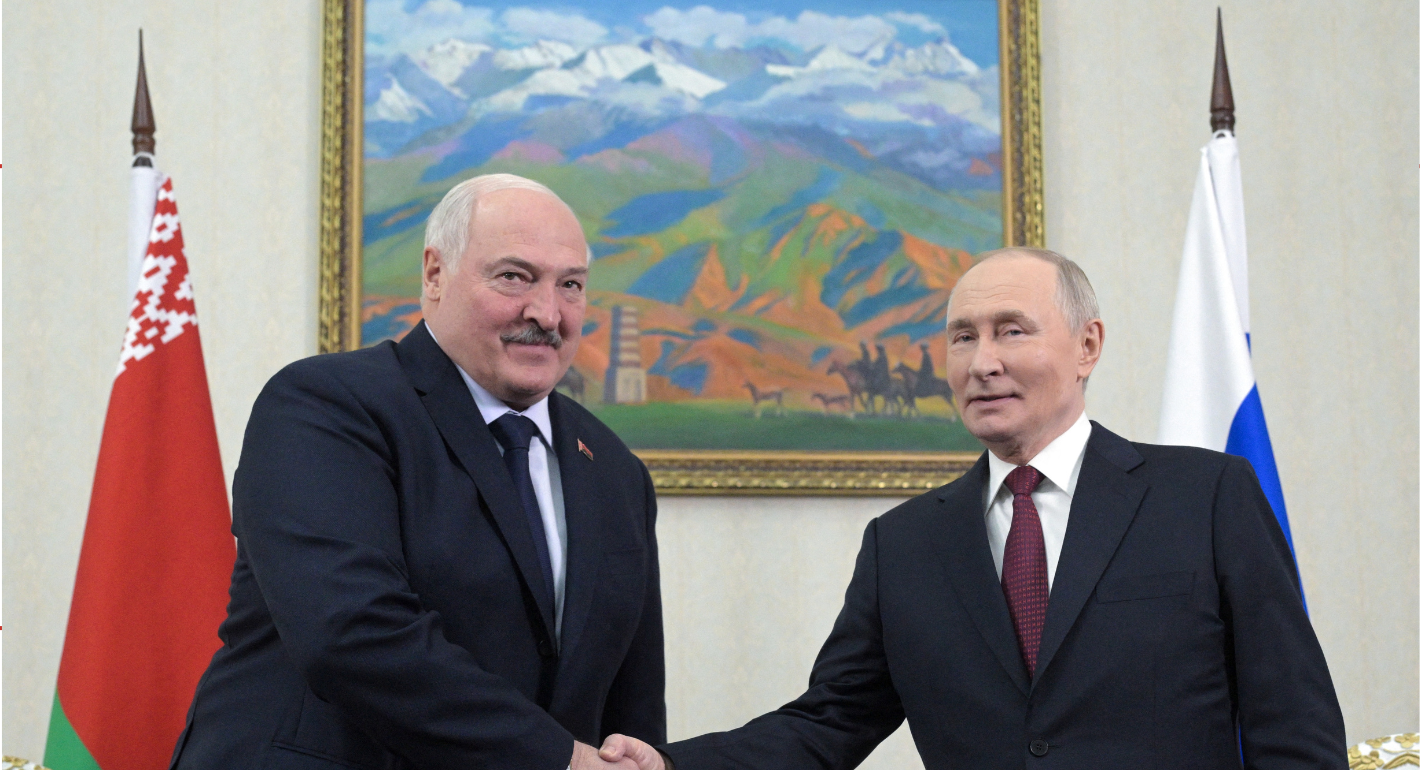
    Taking the Pulse: Is It Time for Europe to Reengage With Belarus?

    In return for a trade deal and the release of political prisoners, the United States has lifted sanctions on Belarus, breaking the previous Western policy consensus. Should Europeans follow suit, using their leverage to extract concessions from Lukashenko, or continue to isolate a key Kremlin ally?

      Thomas de Waal, ed.

  • Commentary
    Strategic Europe
    New Tricks and AI Tools in Hungary’s High-Stakes Election

    Hungarian Prime Minister Viktor Orbán faces his most serious challenge yet in the April 2026 parliamentary elections. All of Europe should monitor the Fidesz campaign: It will use unprecedented methods of electoral manipulation to secure victory and maintain power.

      Zsuzsanna Szelényi

  • Commentary
    Strategic Europe
    The EU and India in Tandem

    As European leadership prepares for the sixteenth EU-India Summit, both sides must reckon with trade-offs in order to secure a mutually beneficial Free Trade Agreement.

      Dinakar Peri

  • Trump speaking to a room of reporters
    Commentary
    Emissary
    Unpacking Trump’s National Security Strategy

    Carnegie scholars examine the crucial elements of a document that’s radically different than its predecessors.

      • Cecily Brewer
      • +18

      James M. Acton, Saskia Brechenmacher, Cecily Brewer, …

  • Commentary
    Strategic Europe
    Europe Faces the Gone-Rogue Doctrine

    The hyper-personalized new version of global sphere-of-influence politics that Donald Trump wants will fail, as it did for Russia. In the meantime, Europe must still deal with a disruptive former ally determined to break the rules.

      Thomas de Waal

Get more news and analysis from
Carnegie Europe
Carnegie Europe logo, white
Rue du Congrès, 151000 Brussels, Belgium
  • Research
  • Strategic Europe
  • About
  • Experts
  • Projects
  • Events
  • Contact
  • Careers
  • Privacy
  • For Media
  • Gender Equality Plan
Get more news and analysis from
Carnegie Europe
© 2026 Carnegie Endowment for International Peace. All rights reserved.