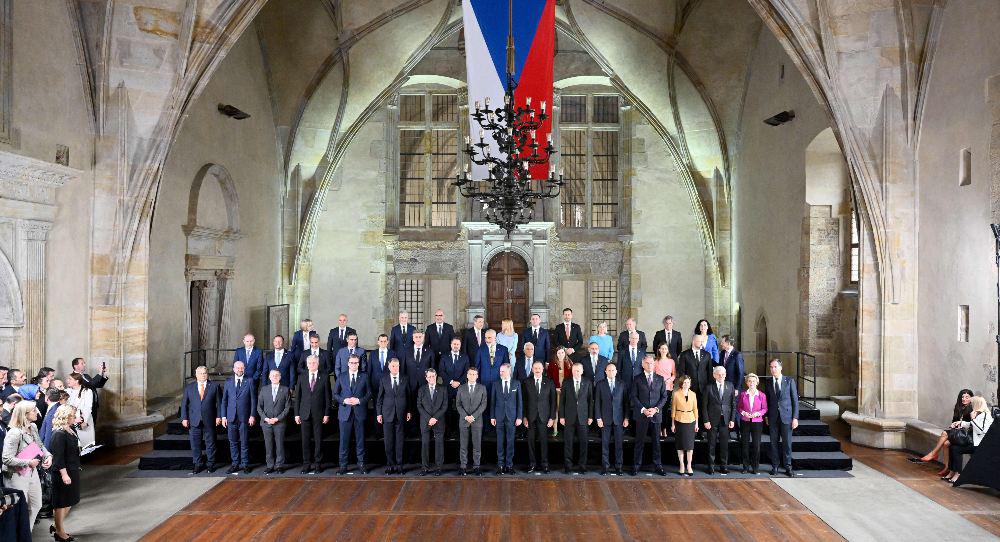
The first notable achievement of the October 6–7 summit in Prague is simply that it happened. When the idea of a European Political Community was floated on May 9 by France’s President Emmanuel Macron, the concept was wide in scope: “This new European organization would allow democratic European nations that subscribe to our shared core values to find a new space for political and security cooperation, cooperation in the energy sector, in transport, investments, infrastructures, the free movement of persons and in particular of our youth”.
Yet, it was received with a measure of skepticism by many, some hesitations by others, and serious opposition on key points by a few. But in the end, the leaders of forty-four countries, from Armenia to Iceland, and from Malta to Norway, were in attendance, including Ukraine’s President Volodymyr Zelensky by video link.
With the European continent going through its darkest moments in a very long time, the steadfast resistance to Russia’s invasion of Ukraine was a strong message to the Kremlin.
The message would indeed have been stronger if the summit had ended with an agreed set of conclusions, but this was prudently considered to be beyond reach. The summit happened and this was a positive sign in times of doubt and war, largely to the credit of the Czech Republic, which currently holds the presidency of the Council of the EU, and France.
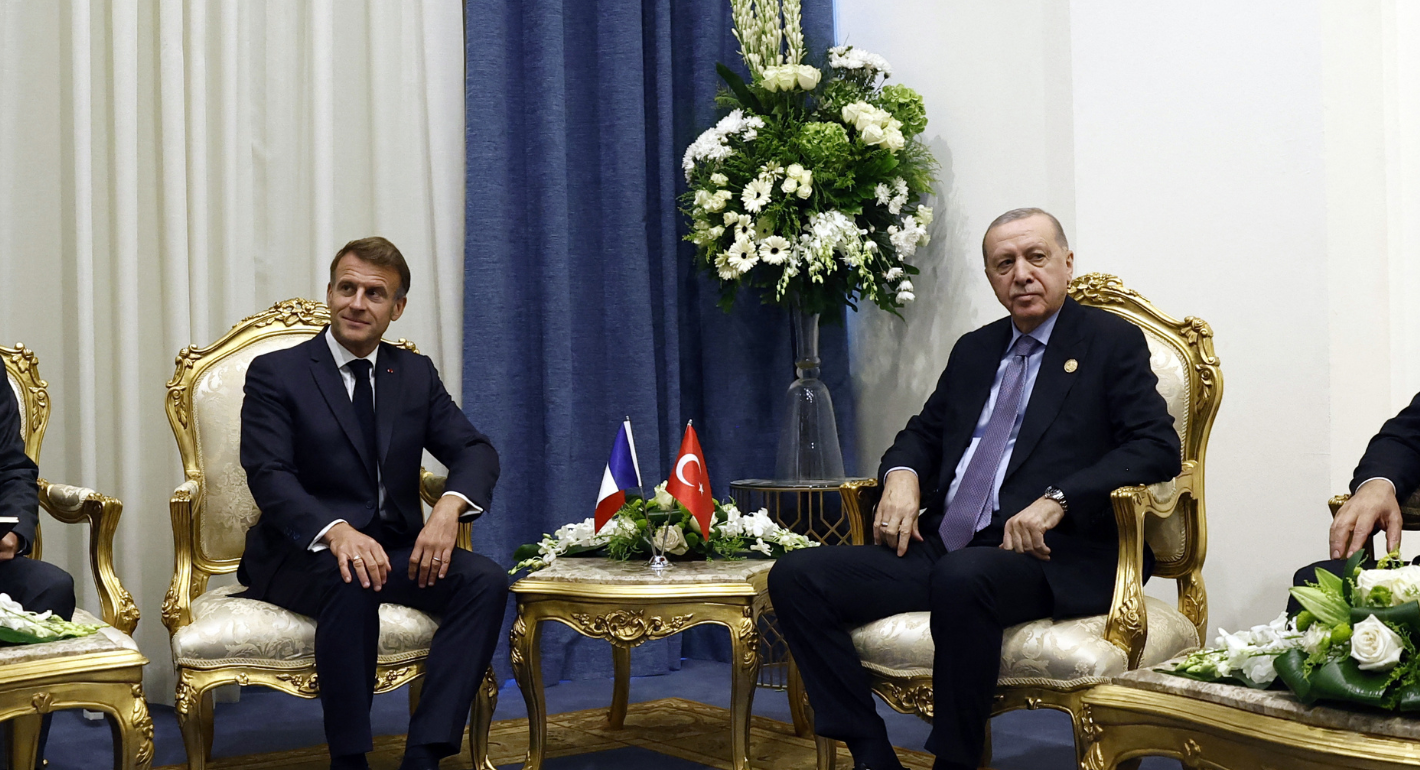
Among many asides to the summit, a quadrilateral meeting took place between the presidents of Azerbaijan, France, and the European Council, and the prime minister of Armenia. This resulted in some progress between the two South Caucasus countries.
The second notable piece of news is that Prague witnessed a modest return of the United Kingdom to a continental forum, thereby eliminating the vexing feelings of post-Brexit alienation from Europe-wide geopolitical discussions. Interestingly, British Prime Minister Liz Truss declared: “Brexit was never about the UK stepping away from our proud and historic role as a leading nation in the region and beyond. We always believed we would find new ways of working that reflected our shared values and interests.”
Ultimately, the summit proved to be one of those “new ways” and the United Kingdom even earned a nod to host one of its future iterations. In another sign of warming EU-UK relations, members of the EU’s Permanent Structured Cooperation (PESCO)—an EU defense initiative running sixty projects, with the participation of third countries like Canada, Norway, and the United States—voted unanimously on October 6 to invite the UK to join the military mobility project. In addition, it was announced a British-French summit would be held in 2023.
The third takeaway is that the Prague Summit was definitely not a democratic nations’ gathering. It is no secret that the French insistence on discussing democracy and the rule of law was clashing with the presence of Azerbaijan, Serbia, and Turkey in the room.
In other words, realpolitik and “get-together-diplomacy” took precedence over European values and principles.
This turn of events inevitably somewhat devalues the message to Russia and, more importantly, questions the medium- and long-term sustainability of the exercise. It would be immensely risky if the European Political Community were to align the entire continent on the smallest common democratic denominator. In this domain, benign neglect is not an option for the EU and keeping communication channels open with Russia does not imply collectively trampling European values and principles. It’s rather the opposite. Here, the jury is still out.
The fourth lesson is that Prague was “not an EU construct,” in Liz Truss’ words, although the European Council President Charles Michel gave the summit some publicity.
It was even less about enlargement. Given the diversity of situations among the non-EU countries, ending the summit in some misgivings on EU enlargement was unavoidable, as visible in the Albanian prime minister’s statement.
Some countries are staunchly non-EU (Norway, Switzerland), one just got out of the club (United Kingdom), some have started accession negotiations but reached an indefinite deadlock (Turkey), others are at various stages of the accession process (Western Balkans), while others yet just earned their qualifications toward negotiating status (Moldova, Ukraine).
This being said, the summit ended with open questions: What is the future of the EU’s enlargement policy? Does it still exist? Does it need reforming? Will some of the seventeen non-EU countries be allocated different categories regarding accession? A long debate is looming.
Finally, the fifth takeaway is that the summit was not a continent-wide security forum—far from it. Despite being triggered by the Russian invasion of Ukraine and the political urge to show a common resolve against Moscow, the summit’s meaning in terms of collective security was limited for two main reasons.
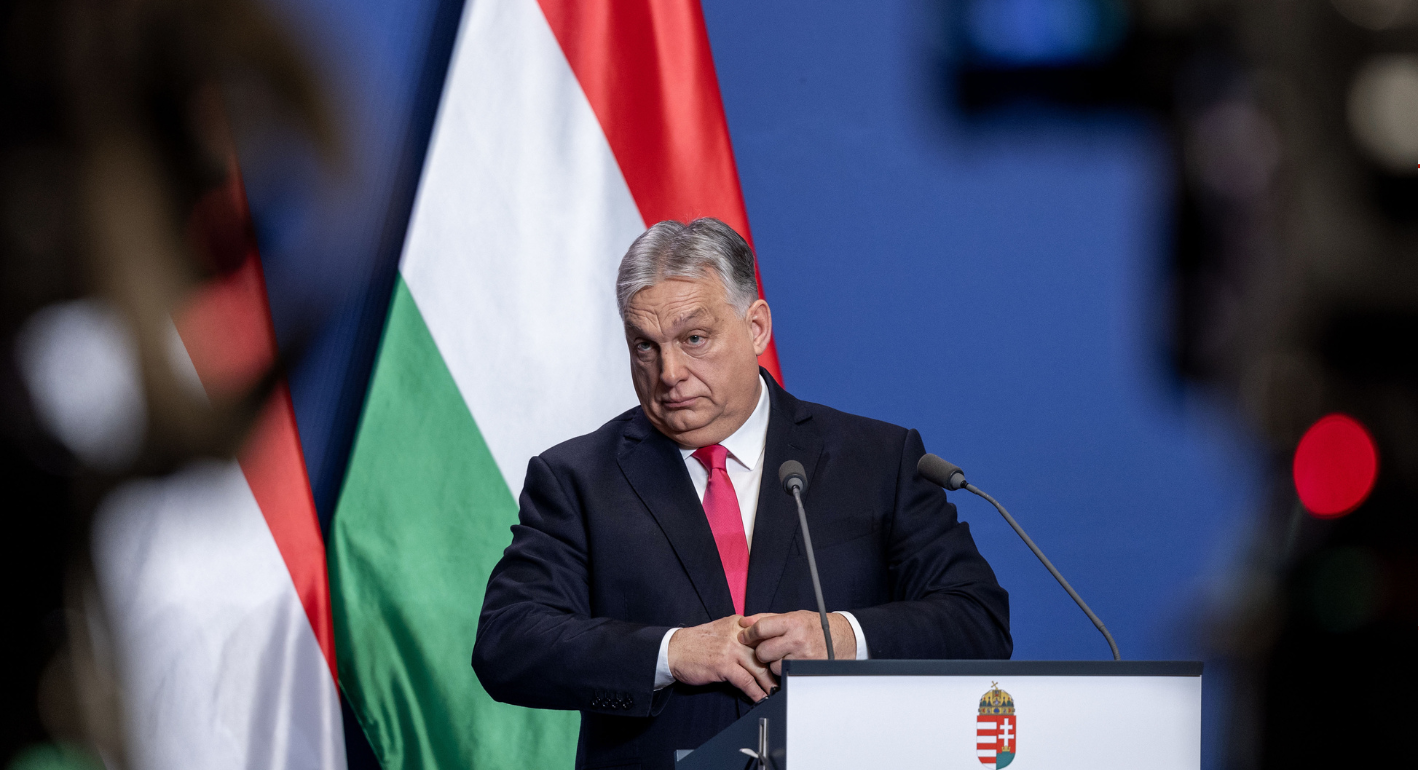
On the one hand, some participating countries (Azerbaijan, Hungary, Serbia, Turkey) are keen to maintain their close relations with Moscow. On the other hand, no continental discussion of collective security can take place in the absence of the United States and NATO. Let alone the obvious fact that resuming a security discussion with Russia is unconceivable under current circumstances. This exercise will have to wait for different day and age.