

Commentary
As European leadership prepares for the sixteenth EU-India Summit, both sides must reckon with trade-offs in order to secure a mutually beneficial Free Trade Agreement.
Dinakar Peri
{
  "authors": [
    "Thomas de Waal"
  ],
  "type": "commentary",
  "blog": "Strategic Europe",
  "centerAffiliationAll": "",
  "centers": [
    "Carnegie Endowment for International Peace",
    "Carnegie Europe",
    "Carnegie Russia Eurasia Center"
  ],
  "collections": [
    "Aso Tavitian Initiative"
  ],
  "englishNewsletterAll": "",
  "nonEnglishNewsletterAll": "",
  "primaryCenter": "Carnegie Russia Eurasia Center",
  "programAffiliation": "",
  "programs": [],
  "projects": [],
  "regions": [
    "Europe",
    "Armenia",
    "Azerbaijan",
    "Türkiye",
    "United States",
    "Caucasus"
  ],
  "topics": [
    "EU",
    "Foreign Policy",
    "Political Reform",
    "Civil Society",
    "Global Governance"
  ]
}
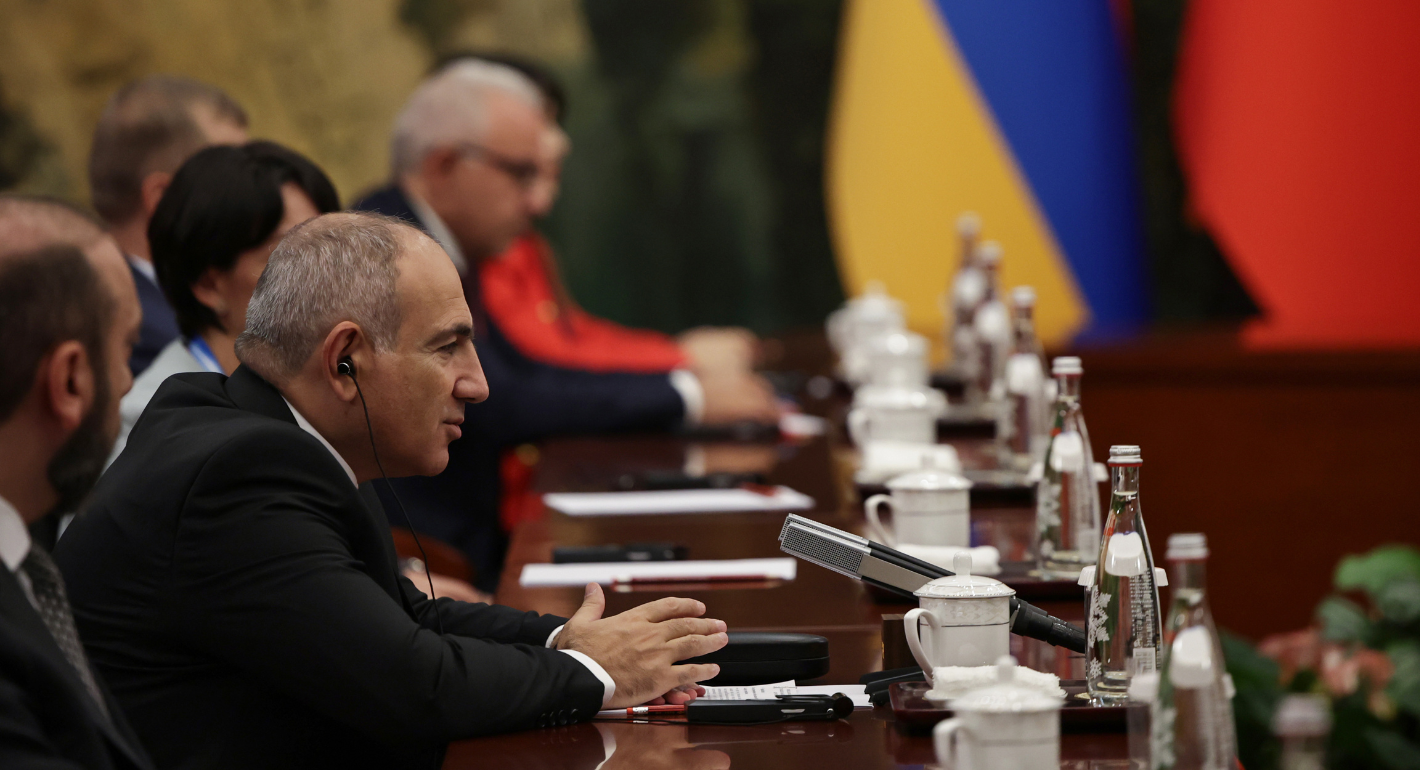
As the 2026 Armenian election approaches, Prime Minister Nikol Pashinyan is facing fierce opposition from both Russia and the diaspora. He will need the help of Europe, the United States, and regional neighbours to advance his ambitious foreign policy.
After Moldova, it’s Armenia’s turn. Another critical election is approaching in a post-Soviet country, which will be a plebiscite on its future geopolitical trajectory. Once again, outside forces will have a crucial role in shaping the result.
Even though Armenia’s parliamentary election is due only in June next year, the campaign has already begun and promises to be ferocious.
The battle lines are drawn around the national project that Prime Minster Nikol Pashinyan will make the main drive of his campaign, under the slogan “Real Armenia.” That is to reopen the country’s borders, lower dependence on Russia, and diversify its foreign and economic profile by normalizing relations with traditional adversaries Azerbaijan and Turkey. In August 2025, Pashinyan scored the first big success of this agenda by agreeing a framework deal with Azerbaijan in a White House meeting brokered by U.S. President Donald Trump.
The Real Armenia project—which the prime minister contrasts with the dreams of his opponents for a “Historic Armenia” holding territorial claims against its neighbours—is born out of both real courage and political necessity. Yerevan was brought down to earth by two crushing military defeats in 2020 and 2023, which saw the full Azerbaijani takeover of the Armenian-populated region of Nagorno-Karabakh and the flight of its inhabitants.
Since coming to power in a popular revolution in 2018, Pashinyan’s approval rating has dropped sharply, but his domestic opposition is also very weak. That is why two forces beyond the country’s borders, which have had significant influence there for two decades, are now leading the charge against him: the nationalist wing of the Armenian diaspora, especially in the United States, and Russia.
These two forces took on a single face last week as American right-wing commentator Tucker Carlson trailed a new potential opposition candidate.
The pundit, known for his pro-Kremlin views and a famously soft interview with Russian President Vladimir Putin, hosted Nareg Karapetyan, nephew of the Armenian-Russian oligarch Samvel Karapetyan, on his podcast. The latter is part of the wider Russian elite, and was estimated by Forbes in 2018 to be worth 5.3 billion dollars (4.6 billion euros). Now, he is in jail for an alleged plot to oust the prime minister, assisted by members of the Armenian Apostolic church, also known for their pro-Russian tendencies.
In the interview, the younger Karapetyan welcomed Carlson’s invitation to lambast Pashinyan, accusing him of waging “a war against Christianity” and seeking to instil an “LGBTQ agenda” on Armenia. His uncle was imprisoned, he said, not because of his ties to Moscow, but for defending the church. Karapetyan added that the government was telling its citizens to “forget history” by selling the country out to Turkey and betraying the Armenians of Nagorno-Karabakh.
The discussion amplified not only Carlson’s far-right Christian agenda but also the message Moscow uses across Eastern Europe: that the decadent West seeks to sow chaos and destroy traditional religious values.
Russia’s standing in Armenia, however, has plummeted over the last five years, and the Real Armenia project still resonates better with the public than the alternative. An opinion poll published by the International Republic Institute in June, before the positive optics of the Trump meeting, showed that 47 percent of Armenians supported signing a peace treaty with Baku, with 40 percent against.
That is good news for anyone who wants to see Armenia break free of isolation and the cycle of conflict with Azerbaijan.
But Pashinyan is still vulnerable. The erratic way the prime minister communicates his ideas—long monologues without much dialogue—will cost him support. Moreover, his ability to deliver results is not in his hands alone. To win votes, he must show strong signs of progress in tackling the three key challenges in Armenian foreign relations, namely from Azerbaijan, Turkey, and the United States.
The text of the peace agreement agreed in the White House was initialled, but not signed. To complete the deal, Baku has one more difficult demand: it says Yerevan must revise its constitution, which has an indirect reference to the union of Armenia and Nagorno-Karabakh.
That will require a referendum on a new constitution, held separately from the parliamentary election. This is not an easy task to complete, as illustrated by the Moldovan ruling party’s razor-thin majority in its own off-cycle referendum, on European integration.
The second issue, Turkey’s willingness to open the border and normalize relations, is key to breaking Armenia free of its current geopolitical bonds. But Ankara still moves cautiously toward this, out of deference to its ally Azerbaijan—even though most analysts, inside and outside the country, argue that it is in Turkey’s strategic interests to act now, while the opportunity is there and Russia is still distracted in Ukraine.
It is mainly up to Washington to deliver the third project: the Trump Route for International Peace and Prosperity (TRIPP), signed in August, to jointly rebuild a railway line across Armenia connecting Azerbaijan with its exclave of Nakhchivan. If successfully completed, this has the potential to ensure economic interdependence between the two countries, remove the threat of war, and reintegrate both Nakhchivan and Armenia. The European Union, working less in the spotlight, is also a crucial partner in this new regional connectivity agenda.
Both Yerevan and Washington want to see tangible results of the plan before next summer’s Armenian election, and the end of Trump’s presidential term in 2028. But big technical challenges still lie ahead. Yerevan lacks the strong capacity to plan and complete big infrastructure projects in a short time frame. Washington has the leadership and ideas, but the U.S. team is still small. For that reason, TRIPP stands out as one foreign policy issue in which officials in the United States welcome collaboration with the EU and others.
Armenia’s lack of long-term governmental capacity is also a challenge for the EU as it tries to build a new relationship. To turn that around will require substantial funding as well as a change of mindset in the Pashinyan government: a former revolutionary just a few years ago, the prime minister still values loyalty above all and relies on a small group to run the country.
But that issue, along with many other systemic problems, is a conversation for after the election. Before that, Armenia’s future is up for grabs.
Carnegie does not take institutional positions on public policy issues; the views represented herein are those of the author(s) and do not necessarily reflect the views of Carnegie, its staff, or its trustees.
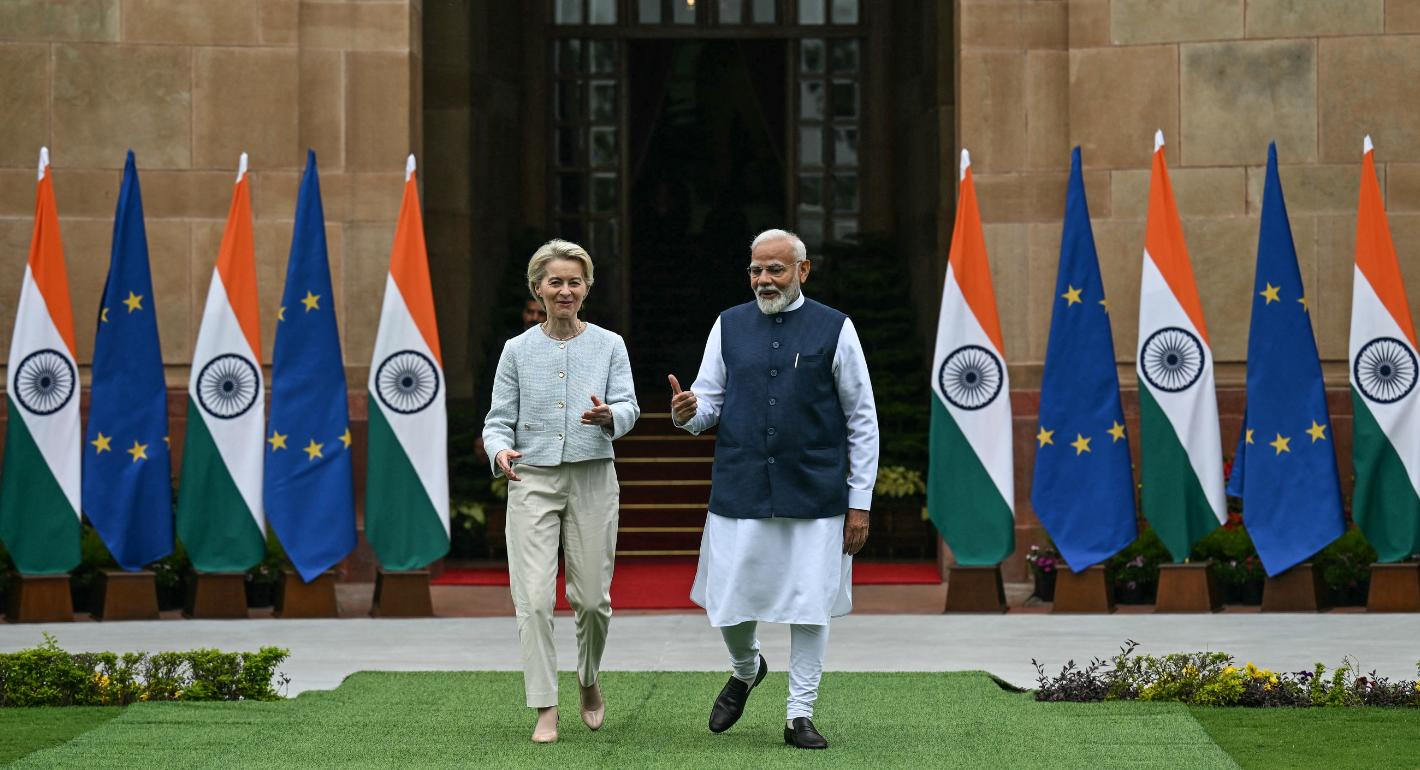
As European leadership prepares for the sixteenth EU-India Summit, both sides must reckon with trade-offs in order to secure a mutually beneficial Free Trade Agreement.

Dinakar Peri
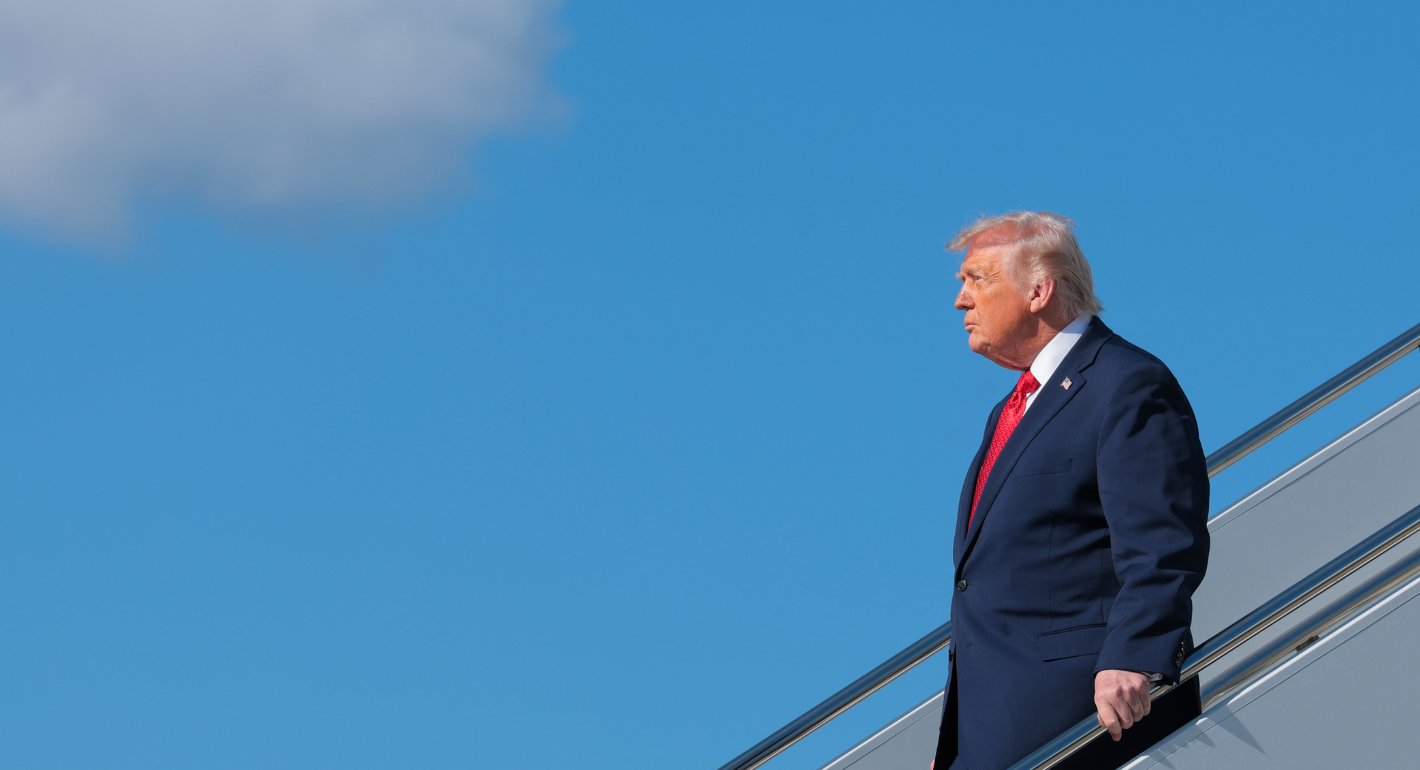
The hyper-personalized new version of global sphere-of-influence politics that Donald Trump wants will fail, as it did for Russia. In the meantime, Europe must still deal with a disruptive former ally determined to break the rules.

Thomas de Waal
2026 has started in crisis, as the actions of unpredictable leaders shape an increasingly volatile global environment. To shift from crisis response to strategic foresight, what under-the-radar issues should the EU prepare for in the coming year?
Thomas de Waal
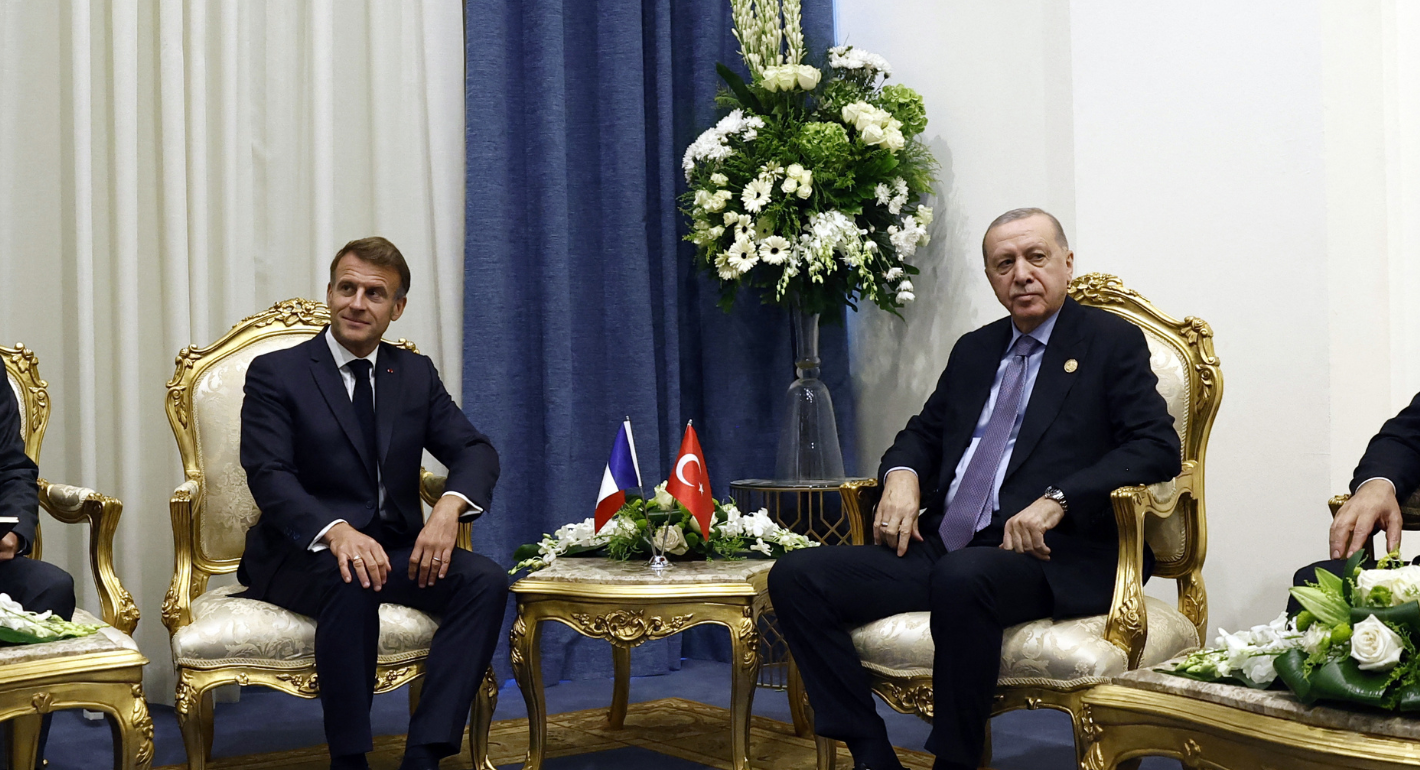
A renewal of relations between France and Turkey is vital to strengthen European strategic autonomy. To make this détente a reality, Paris and Ankara should move beyond personal friction and jointly engage with questions of Black Sea security.
Romain Le Quiniou
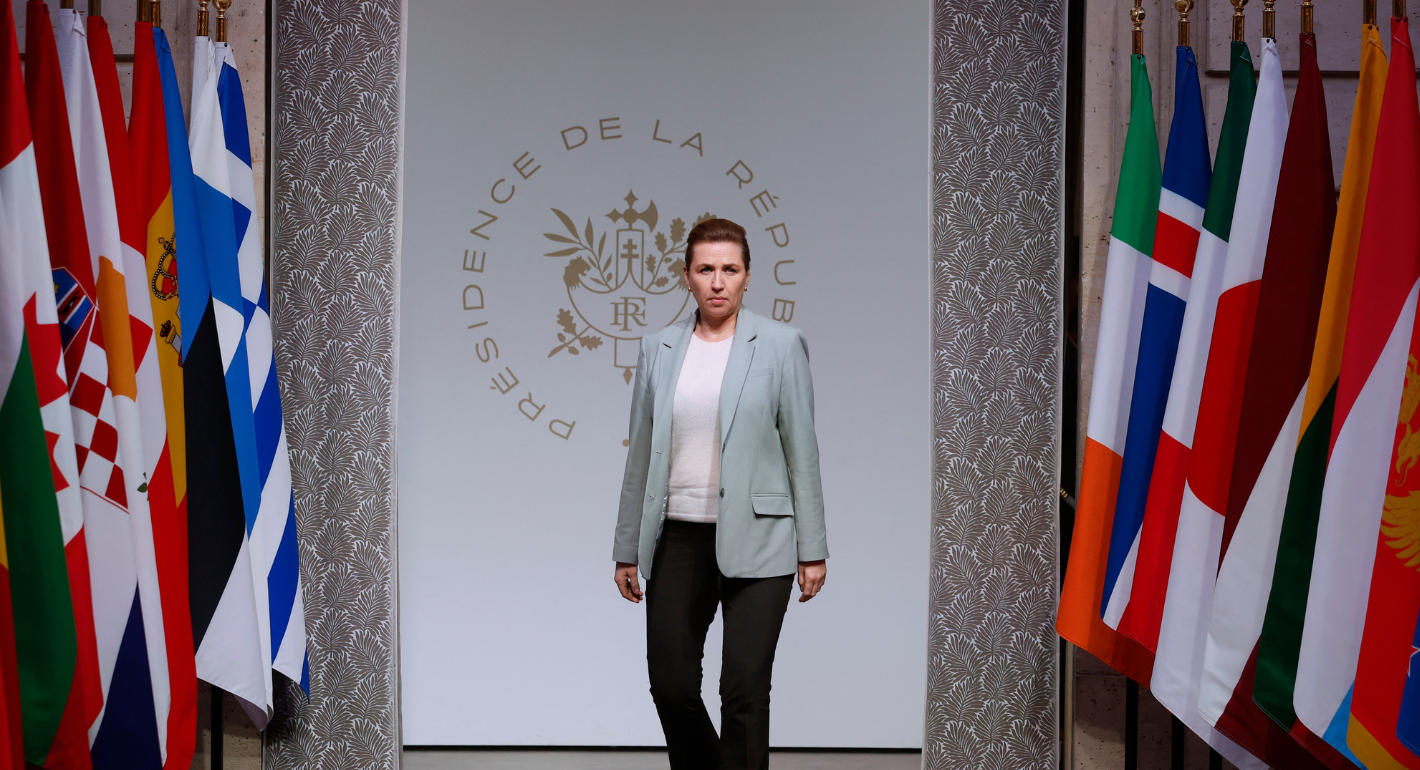
Europe is designing a new model of collective security that no longer relies on the United States. For this effort to succeed, solidarity between member states that have different threat perceptions is vital.

Erik Jones