
• Research
  • Emissary
  • About
  • Experts
Carnegie Global logoCarnegie lettermark logo
Democracy
  • Donate
{
  "authors": [
    "George Perkovich"
  ],
  "type": "legacyinthemedia",
  "centerAffiliationAll": "",
  "centers": [
    "Carnegie Endowment for International Peace"
  ],
  "collections": [],
  "englishNewsletterAll": "",
  "nonEnglishNewsletterAll": "",
  "primaryCenter": "Carnegie Endowment for International Peace",
  "programAffiliation": "",
  "programs": [
    "Nuclear Policy"
  ],
  "projects": [],
  "regions": [],
  "topics": [
    "Nuclear Policy"
  ]
}

In The Media

Principles for Reforming the Nuclear Order

The "first nuclear order" inherited from the Cold War is under growing pressure. Before discussing how a reformed nuclear order could be built, it is necessary to identify and discuss the basic principles defining the old order. Without this understanding the current effort will fail.

Link Copied
By George Perkovich
Published on Oct 20, 2008
Program mobile hero image

Program

Nuclear Policy

The Nuclear Policy Program aims to reduce the risk of nuclear war. Our experts diagnose acute risks stemming from technical and geopolitical developments, generate pragmatic solutions, and use our global network to advance risk-reduction policies. Our work covers deterrence, disarmament, arms control, nonproliferation, and nuclear energy.

Learn More

Source: Ifri Security Studies Center Proliferation Paper No. 22

The creation of a rules-based regime for managing nuclear technology and preventing its proliferation for weapons purposes is a historically remarkable achievement. Its foundation is the International Atomic Energy Agency (IAEA) safeguards system established in the late 1950s, which reflected the recognition that nuclear material and technology needed to be closely monitored with common standards if the benefits of atomic energy were to be widely and safely shared. The cornerstone of this regime is the 1968 Nuclear Nonproliferation Treaty (NPT), which recognized that preventing the spread of nuclear weapons required the provision of major incentives to states that might otherwise seek these weapons. These incentives were security – agreement by "your" neighbors not to acquire nuclear weapons, and by the established nuclear-weapon states to protect you – technological cooperation, and the promise of a more equitable nuclear future when no one possesses nuclear weapons.

Click here for other Proliferation Papers published by the Institut Français des Relations Internationales' (Ifri) Security Studies Center.

George Perkovich
Japan Chair for a World Without Nuclear Weapons, Senior Fellow
George Perkovich
Nuclear Policy

Carnegie does not take institutional positions on public policy issues; the views represented herein are those of the author(s) and do not necessarily reflect the views of Carnegie, its staff, or its trustees.
More Work from Carnegie Endowment for International Peace

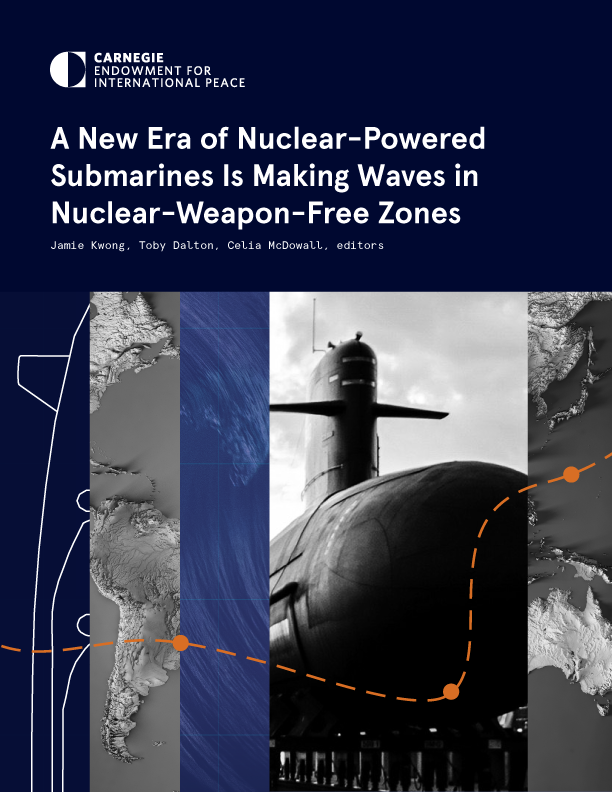
  • A New Era of Nuclear-Powered Submarines Is Making Waves in Nuclear-Weapon-Free Zones
    Research
    A New Era of Nuclear-Powered Submarines Is Making Waves in Nuclear-Weapon-Free Zones

    As states without nuclear weapons develop nuclear-powered submarines, can NWFZ regimes adapt to manage new technical, legal, procedural, and normative challenges?


      Jamie Kwong, ed., Toby Dalton, ed., Celia McDowall, ed.
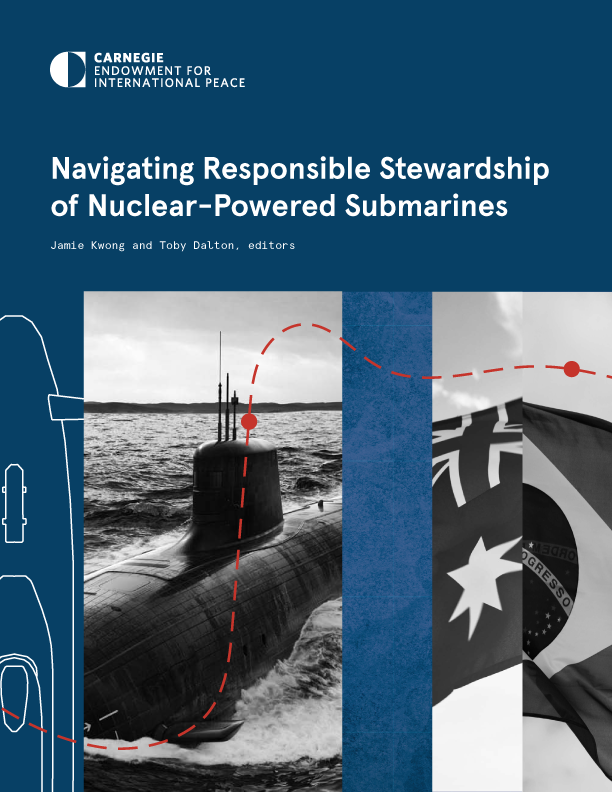
  • Navigating Responsible Stewardship of Nuclear-Powered Submarines
    Research
    Navigating Responsible Stewardship of Nuclear-Powered Submarines

    As the first states without nuclear weapons set to acquire nuclear-powered attack submarines, Australia and Brazil face new questions and challenges as they seek to responsibly manage the risks of naval nuclear propulsion.

      Jamie Kwong, ed., Toby Dalton, ed.

  • Assessing the International Legality of Nuclear Threats
    Paper
    ‘All Options Are on the Table’: Assessing the International Legality of Nuclear Threats

    There is an urgent need to strengthen the relevant international legal frameworks if they are to protect against threats to use nuclear weapons.

      Anna Hood, Monique Cormier
  • Commentary
    Carnegie Politika
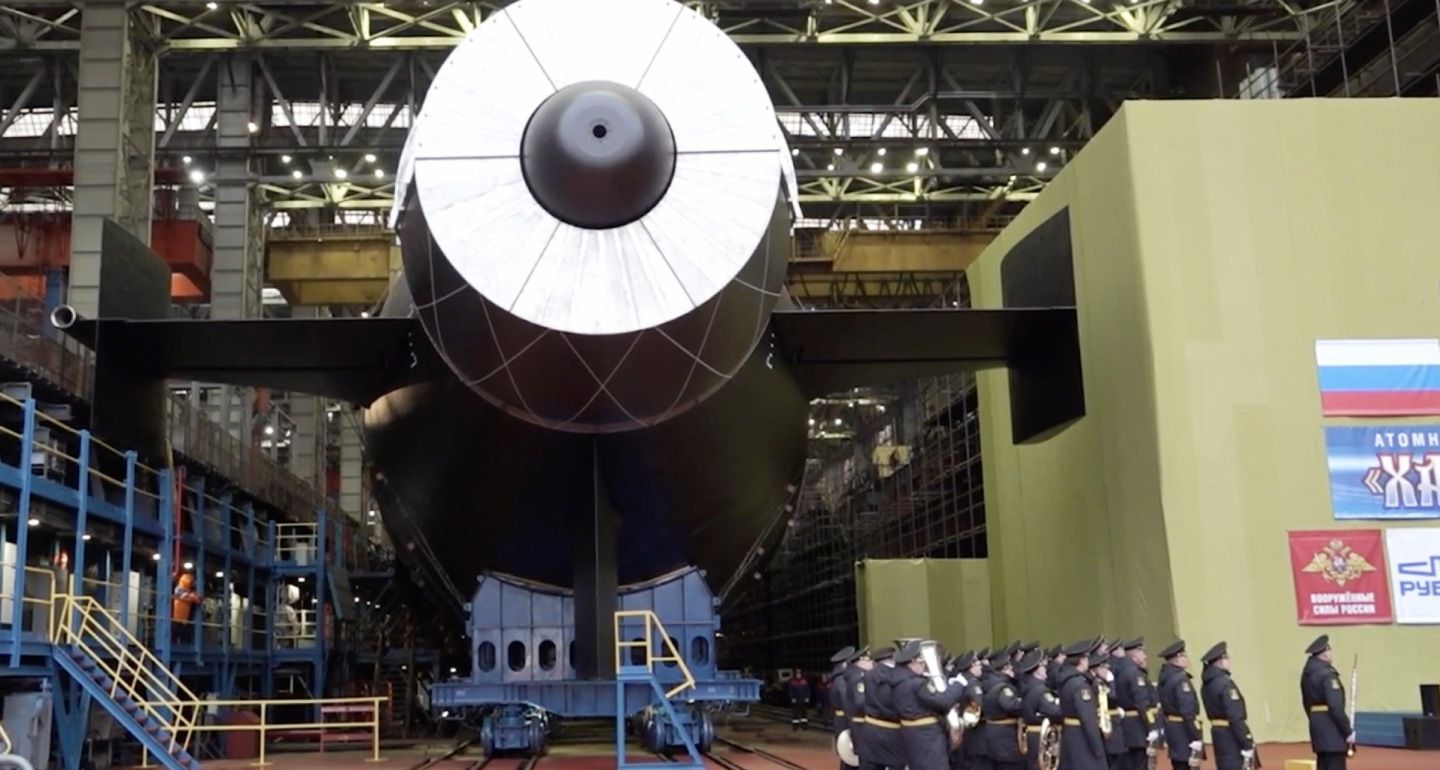
    Russia’s Latest Weapons Have Left Strategic Stability on the Brink of Collapse

    The Kremlin will only be prepared to negotiate strategic arms limitations if it is confident it can secure significant concessions from the United States. Otherwise, meaningful dialogue is unlikely, and the international system of strategic stability will continue to teeter on the brink of total collapse.

      Maxim Starchak
  • Paper
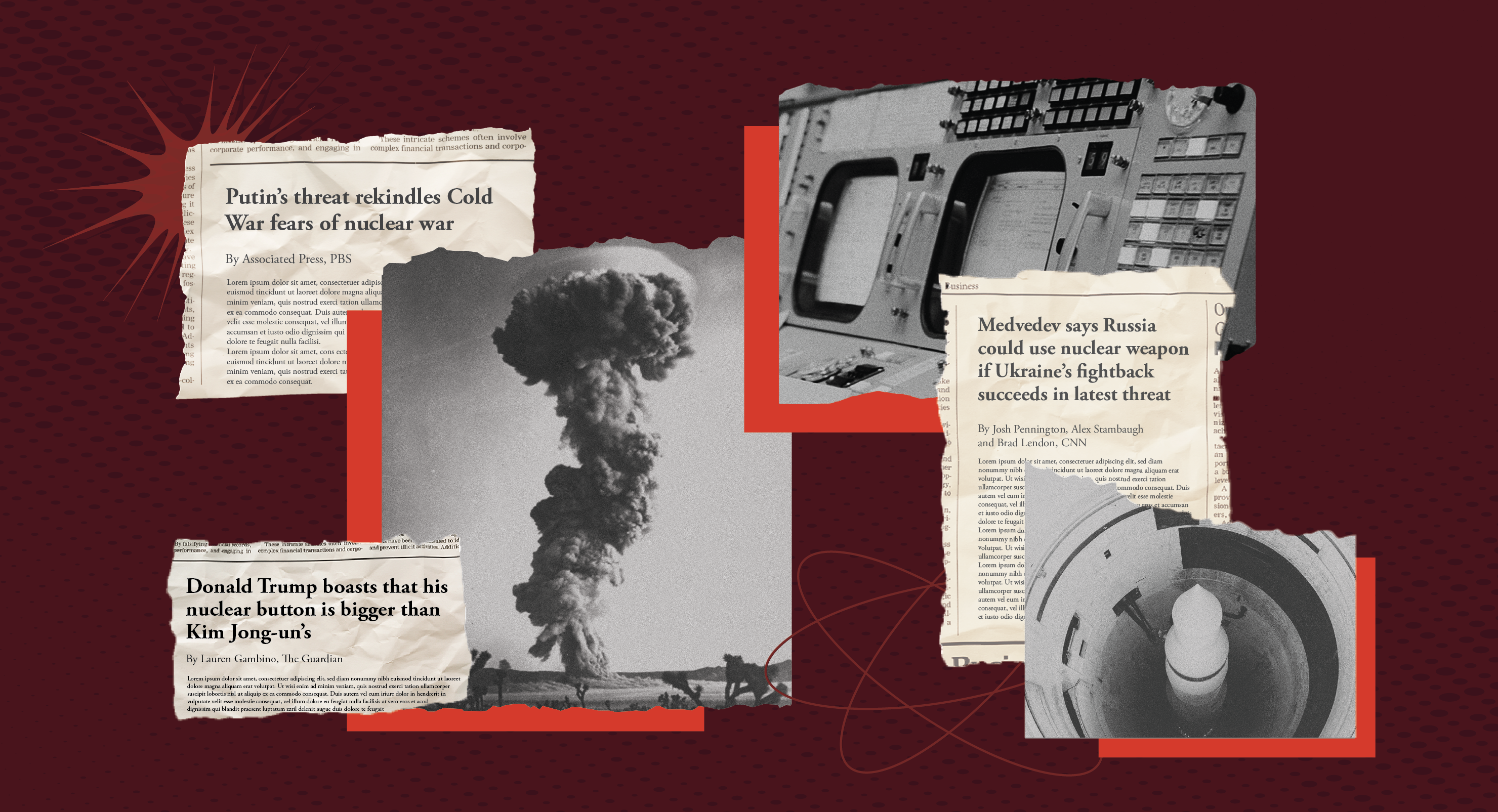
    How to Assess Nuclear ‘Threats’ in the Twenty-First Century

    The less precise our nuclear discourse, the more fear nuclear manipulators can elicit.

      George Perkovich

Get more news and analysis from
Carnegie Endowment for International Peace
Carnegie global logo, stacked
1779 Massachusetts Avenue NWWashington, DC, 20036-2103Phone: 202 483 7600Fax: 202 483 1840
  • Research
  • Emissary
  • About
  • Experts
  • Donate
  • Programs
  • Events
  • Blogs
  • Podcasts
  • Contact
  • Annual Reports
  • Careers
  • Privacy
  • For Media
  • Government Resources
Get more news and analysis from
Carnegie Endowment for International Peace
© 2026 Carnegie Endowment for International Peace. All rights reserved.