

Commentary
The government’s gains in the northwest will have an echo nationally, but will they alter Israeli calculations?
Armenak Tokmajyan
{
  "authors": [
    "Alexey Malashenko"
  ],
  "type": "legacyinthemedia",
  "centerAffiliationAll": "",
  "centers": [
    "Carnegie Endowment for International Peace",
    "Malcolm H. Kerr Carnegie Middle East Center",
    "Carnegie Russia Eurasia Center"
  ],
  "collections": [],
  "englishNewsletterAll": "",
  "nonEnglishNewsletterAll": "",
  "primaryCenter": "Carnegie Russia Eurasia Center",
  "programAffiliation": "",
  "programs": [],
  "projects": [
    "Eurasia in Transition"
  ],
  "regions": [
    "Egypt",
    "Gulf",
    "Levant",
    "Maghreb"
  ],
  "topics": []
}
Russia plays an extremely important role as mediator in the current Libyan conflict. If Moscow can succeed in this role, there would be a clear positive benefit to Libya and its neighbors.
Source: RIA Novosti's Russian Angle

Speaking on RIA Novosti, Carnegie Moscow's Alexey Malashenko notes that Russia plays an extremely important role as mediator in the current Libyan conflict. If Russia can succeed in this role, there would be a clear positive benefit to Libya and its neighbors. Turning to the increasing violence in other parts of the region, Malashenko argued that a Libya-style involvement by the West in Syria would be a “big mistake,” as it could destabilize the region in unpredictable ways, and that a revolution in Yemen could lead to Islamic radicalization in neighboring states, including as Sudan, Somalia, and Eritrea.
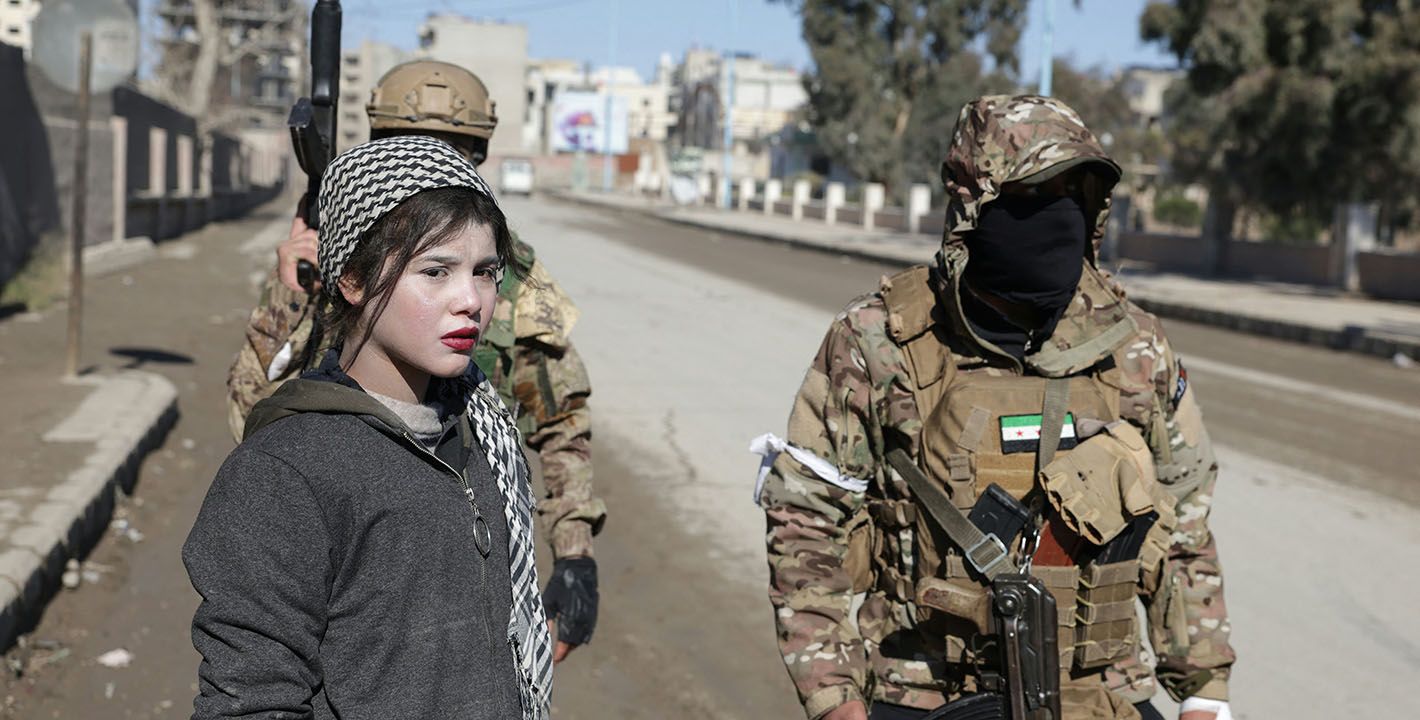
The government’s gains in the northwest will have an echo nationally, but will they alter Israeli calculations?
Armenak Tokmajyan
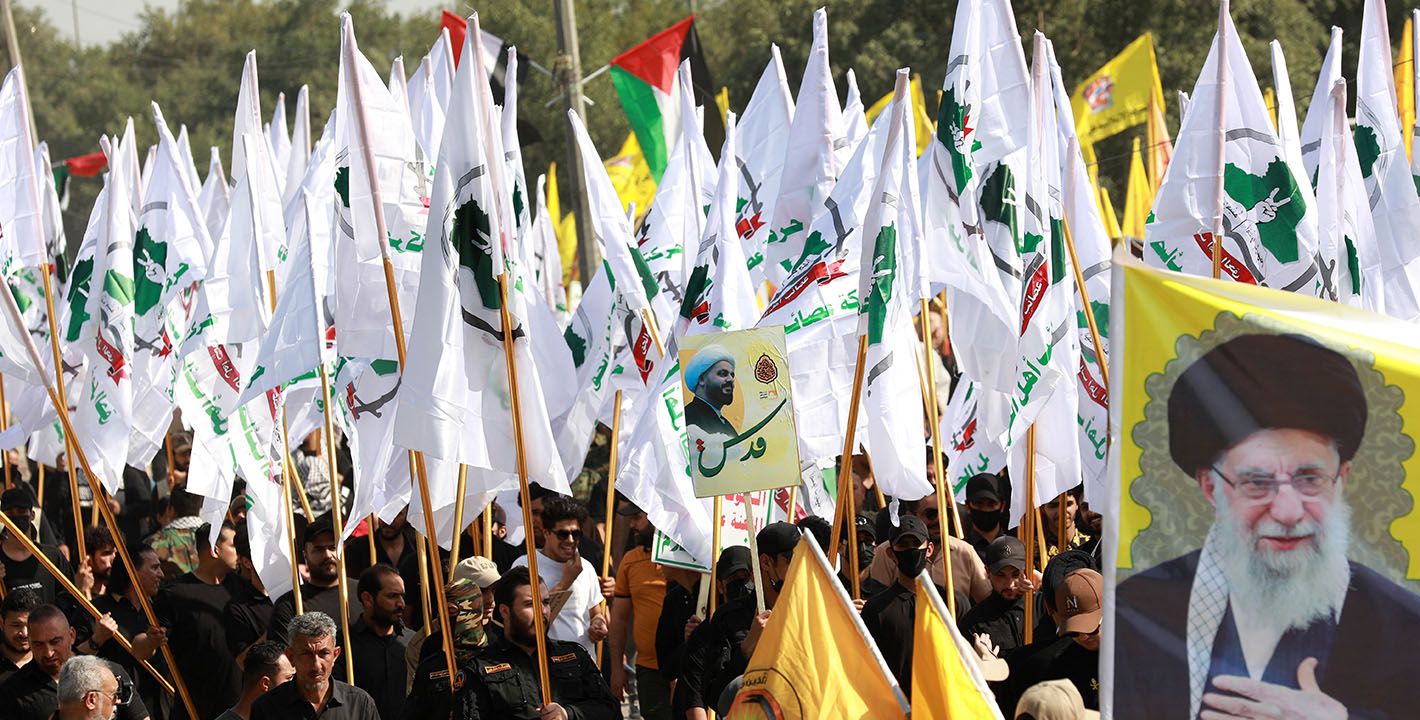
Beirut and Baghdad are both watching how the other seeks to give the state a monopoly of weapons.
Hasan Hamra
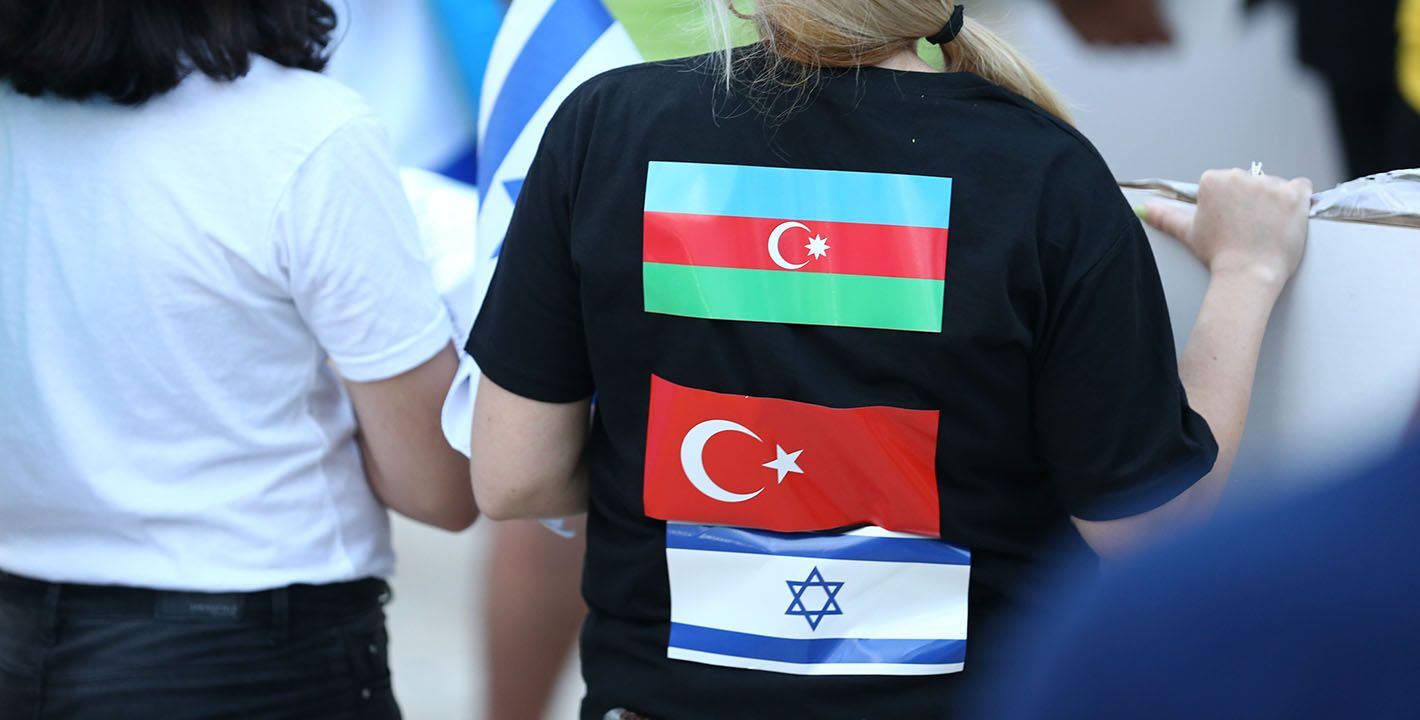
The country’s leadership is increasingly uneasy about multiple challenges from the Levant to the South Caucasus.
Armenak Tokmajyan
Recent leaks made public by Al-Jazeera suggest that this is the case, but the story may be more complicated.
Mohamad Fawaz
The U.S. is trying to force Lebanon and Syria to normalize with Israel, but neither country sees an advantage in this.
Michael Young