

Article
Supporters of democracy within and outside the continent should track these four patterns in the coming year.
Saskia Brechenmacher, Frances Z. Brown
{
  "authors": [],
  "type": "other",
  "centerAffiliationAll": "",
  "centers": [
    "Carnegie Endowment for International Peace"
  ],
  "collections": [],
  "englishNewsletterAll": "",
  "nonEnglishNewsletterAll": "",
  "primaryCenter": "Carnegie Endowment for International Peace",
  "programAffiliation": "",
  "programs": [],
  "projects": [],
  "regions": [
    "North Africa",
    "Egypt"
  ],
  "topics": []
}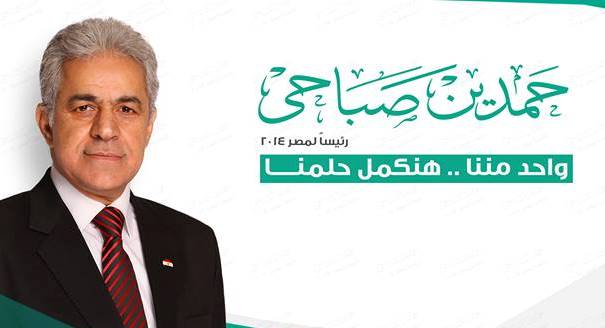
A backgrounder on the Karama Party.
This resource was published on 02/15/2012 and is not updated to reflect changing circumstances.
Al-Karama, a leftist pan-Arab, nationalist, Nasserist party, was founded in 1996 by Hamdeen Sabahi, a former parliamentary representative of the Democratic Arab Nasserite Party, who had defected from the group over disagreements with its then president, Diaeddin Daoud. Al-Karama has socialist tendencies and calls for political pluralism. During the Mubarak era, the party denounced the government for monopolizing political power and restricting the activities of opposition groups. After the January 2011 uprising, al-Karama allied with the Freedom and Justice Party–led Democratic Alliance and was one of the few secular parties to remain in the coalition at the time of the People’s Assembly election.
Hamdeen Sabahi: President and founder
Amin Iskandr: Leading party member and founder
Kamal Abu Eita: Leading party member
Al-Karama petitioned the Political Parties Committee for legal status during the Mubarak era without success. In 2002, the committee rejected al-Karama on the grounds that the party’s platform was not unique enough to distinguish it from existing opposition groups, and in 2004, the committee again denied the party legal status because it allegedly “espoused a radical ideology.” Once again, al-Karama sought legal status in 2006, but the committee denied the request for the same reasons cited in 2002. In August 2011, the party finally gained legal status.
In the 2000 parliamentary elections, al-Karama leader Hamdeen Sabahi ran as an independent candidate and won a seat. In April 2009, al-Karama joined the Egyptian Coalition for Change, an alliance that included the Kifaya movement, the April 6 Youth Movement, al-Wasat, and individual members of the Muslim Brotherhood. After the uprising, al-Karama joined the Democratic Alliance for Egypt with the Muslim Brotherhood’s Freedom and Justice Party, and although the party considered leaving the alliance as did most other secular parties, it remained part of the coalition through the November 2011 parliamentary elections, winning six seats. Sabahi ran as a presidential candidate in the 2012 presidential elections, finishing third behind Mohamed Morsi and Ahmed Shafik.
Carnegie does not take institutional positions on public policy issues; the views represented herein are those of the author(s) and do not necessarily reflect the views of Carnegie, its staff, or its trustees.
Supporters of democracy within and outside the continent should track these four patterns in the coming year.


Saskia Brechenmacher, Frances Z. Brown
2026 has started in crisis, as the actions of unpredictable leaders shape an increasingly volatile global environment. To shift from crisis response to strategic foresight, what under-the-radar issues should the EU prepare for in the coming year?

Thomas de Waal
The UN Support Mission in the country should reassess its approach so that consensus between the warring parties becomes the eventual goal, rather than a procedural matter that dogs the negotiating process at every turn.
Soraya Rahem
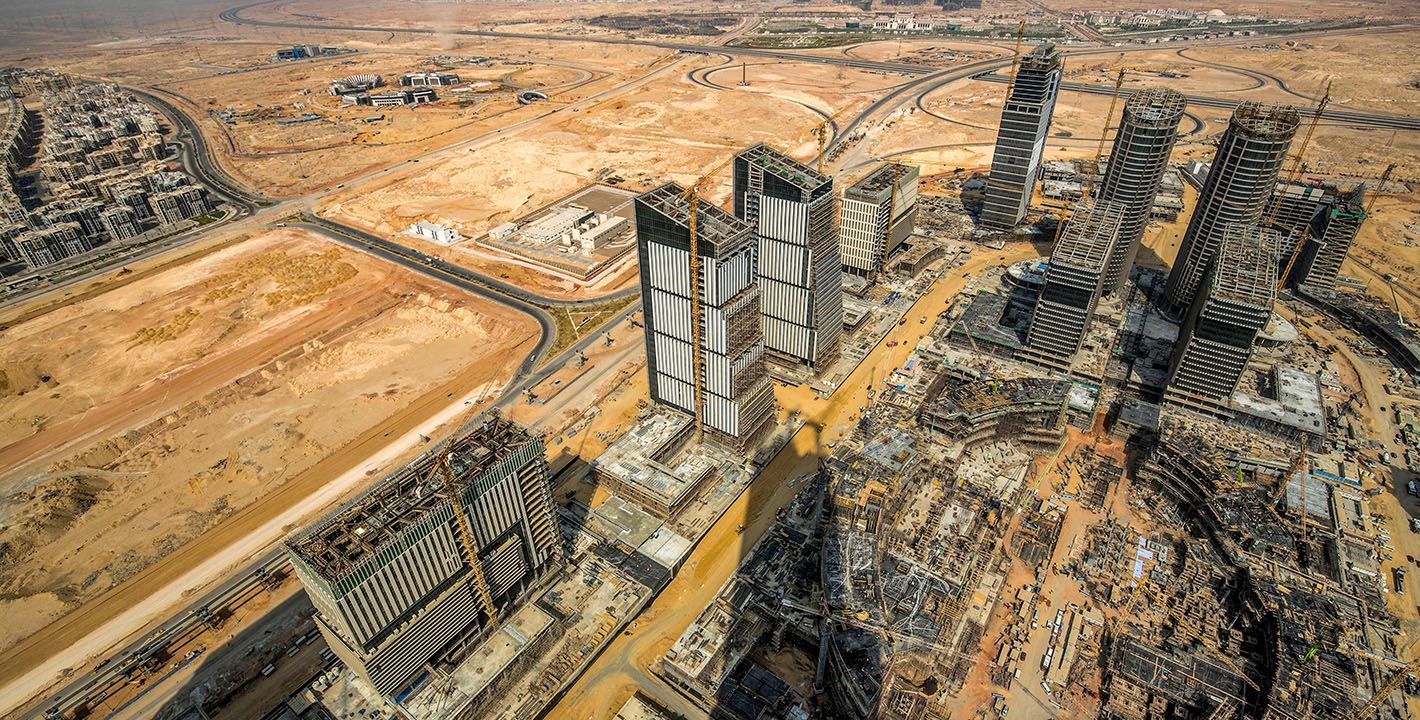
Mustaqbal Misr has expanded its portfolio with remarkable speed, but a lack of transparency remains.

Yezid Sayigh
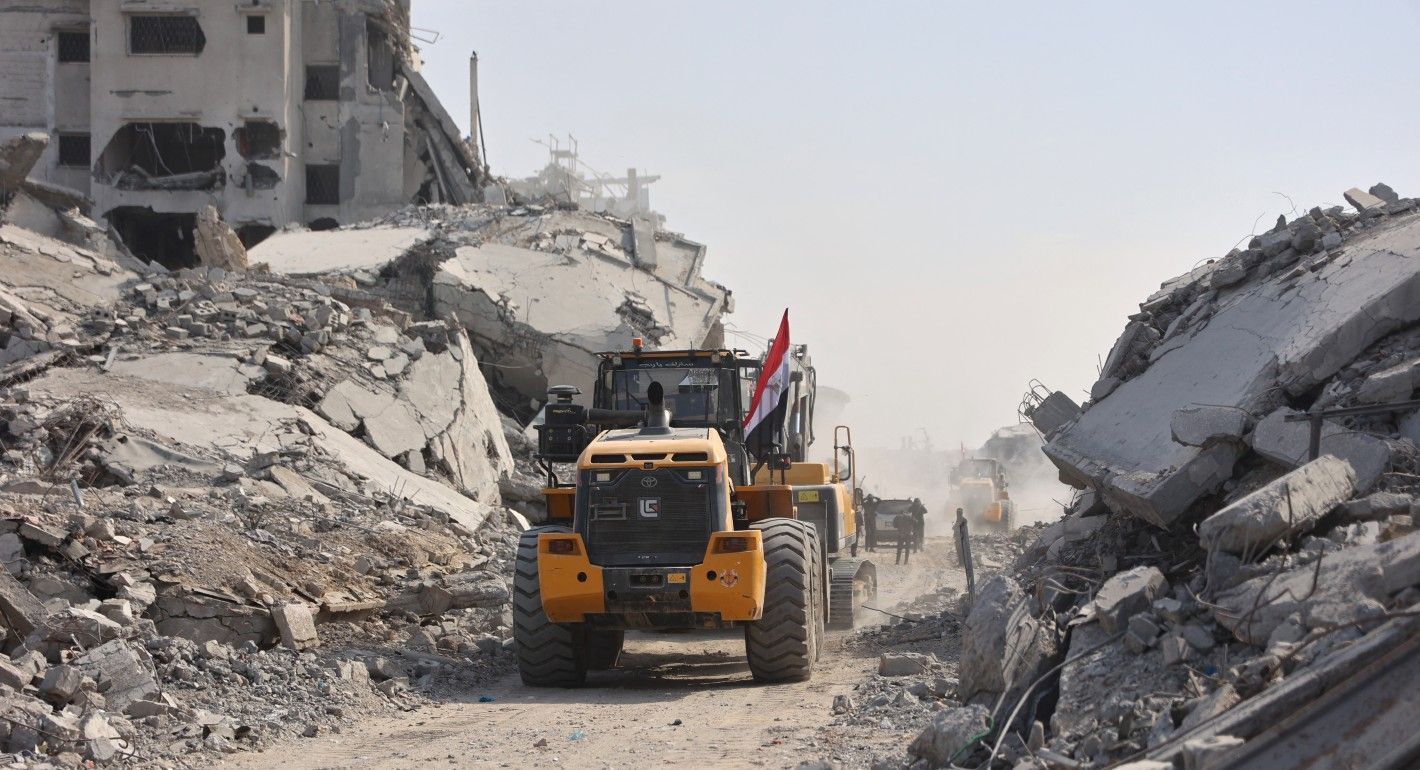
Its role in facilitating security, governance, and other key components of the plan would help avoid the dangers of a permanent transitional administration.
Amr Hamzawy