

Commentary
Implementing Phase 2 of Trump’s plan for the territory only makes sense if all in Phase 1 is implemented.
Yezid Sayigh
{
  "authors": [
    "Petr Topychkanov"
  ],
  "type": "legacyinthemedia",
  "centerAffiliationAll": "",
  "centers": [
    "Carnegie Endowment for International Peace",
    "Carnegie Russia Eurasia Center"
  ],
  "collections": [],
  "englishNewsletterAll": "",
  "nonEnglishNewsletterAll": "",
  "primaryCenter": "Carnegie Russia Eurasia Center",
  "programAffiliation": "",
  "programs": [],
  "projects": [],
  "regions": [
    "North America",
    "United States",
    "Russia"
  ],
  "topics": [
    "Foreign Policy"
  ]
}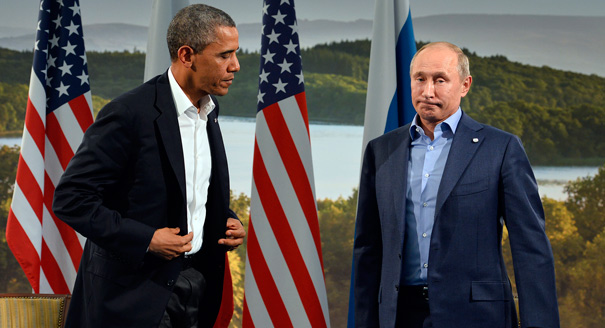
The current standoff between Moscow and Washington, should it persist longer, could have disastrous implications for nuclear nonproliferation.
Source: Russia Direct
Recent high-level statements from both sides indicate that the political leaders of Russia and the West don’t trust each other. The sanctions war between Russia and the West, talk of a new Cold War, and the ongoing saber rattling exacerbate the problem. However, there is one area where the leaders of both sides can agree – and that’s the desire to keep nuclear weapons and other weapons of mass destruction out of the hands of terrorists.
That’s one big difference between now and the period of the first Cold War. There is now a universal understanding of common security threats, although their interpretations may be different in Moscow, Washington and Brussels. In short, the rise of terrorist groups such as the Islamic State of Iraq and the Greater Syria (ISIS) has re-centered the focus of Russia and the West on the risks of nuclear proliferation.The fate of Syrian President Bashar al-Assad was one of the key disagreements between Russia and the West: while the Kremlin supports him, the West seeks to oust him. But chemical weapons in Syria brought them closer together and Moscow and Washington agreed jointly to contribute to the dismantlement of chemical weapons of Syria, and forced the Assad regime to ratify the Chemical Weapons Convention in 2013.
Russia doesn't agree with the U.S. on how to deal with either North Korea or Iran – Moscow criticizes the unilateral pressure of Washington on these two countries, especially when it comes to human rights and democracy. But the Kremlin and the White House find common ground in the ways of how to address the nonproliferation challenges and threats posed by these countries. For example, the Kremlin and the White House succeeded in resolving the Iranian nuclear problem and signed the Iranian nuclear deal with other P5+1 countries (the permanent members of the UN Security Council plus Germany).
Likewise, Russia and the U.S. were able to agree on the sanctions against Iran and North Korea for their nuclear testing and attempts to acquire nuclear technologies. One of the recent examples of such compromise is the UN Security Council’s Mar. 2 Resolution 2270, which toughens sanctions on North Korea and expands them to different fields.
Russia and the West continue to share common understanding of key challenges to the nonproliferation regime. In short, Russians, Americans, and Europeans do not want new states to acquire nuclear weapons. And they especially do not want non-state actors to have access to weapons of mass destruction.
Moscow, Washington and Brussels seem to have accepted the idea that they may be cooperative when it comes to nonproliferation (at least, in the most important cases), and at the same time they may be confrontational in their relations with each other.
The danger is that the confrontation between Russia and the West weakens international nonproliferation collaboration. The positive examples of cooperation shouldn't be misleading. After all, the fact that Russia and the U.S. can agree on the Iranian or North Korean challenge doesn’t mean that their nonproliferation effort is going to work as usual. Moreover, lack of understanding between the U.S. and Russia could derail the international nonproliferation effort for four major reasons.
First, the U.S.-Russian nuclear disarmament partnership is frozen, which sends worrying signals to both nuclear and non-nuclear states worldwide. Some may interpret this to mean that it is high time to arm, not to disarm.
Second, mutual accusations about the violation of the 1987 Intermediate-Range Nuclear Forces (INF) Treaty lead to questions, raised by other members of international community, about the responsibility of Russia and the U.S., their adherence to their commitments, and ability to negotiate effectively.
Third, the lack of communication channels between political, military, and intelligence communities of Russia and the West leave them without important ways to detect proliferation threats and cooperate in counter-proliferation.
Fourth, the aggressive rhetoric of some Russian and American politicians and top military leaders gives a bad example to others countries' leaders, who might switch to using the same rhetoric.
Despite several success stories in the field of nonproliferation, Russia and the West are creating conditions for new proliferation threats to be born, and leave themselves with limited instruments to anticipate and see clearly these threats, as well as to stop them.
The domination of confrontational approaches in the relations between Russia and the West will continue to weaken the nonproliferation regime. And even modest attempts to change confrontational approaches to cooperative ones will have a long-term positive impact on the nonproliferation regime.
Carnegie does not take institutional positions on public policy issues; the views represented herein are those of the author(s) and do not necessarily reflect the views of Carnegie, its staff, or its trustees.
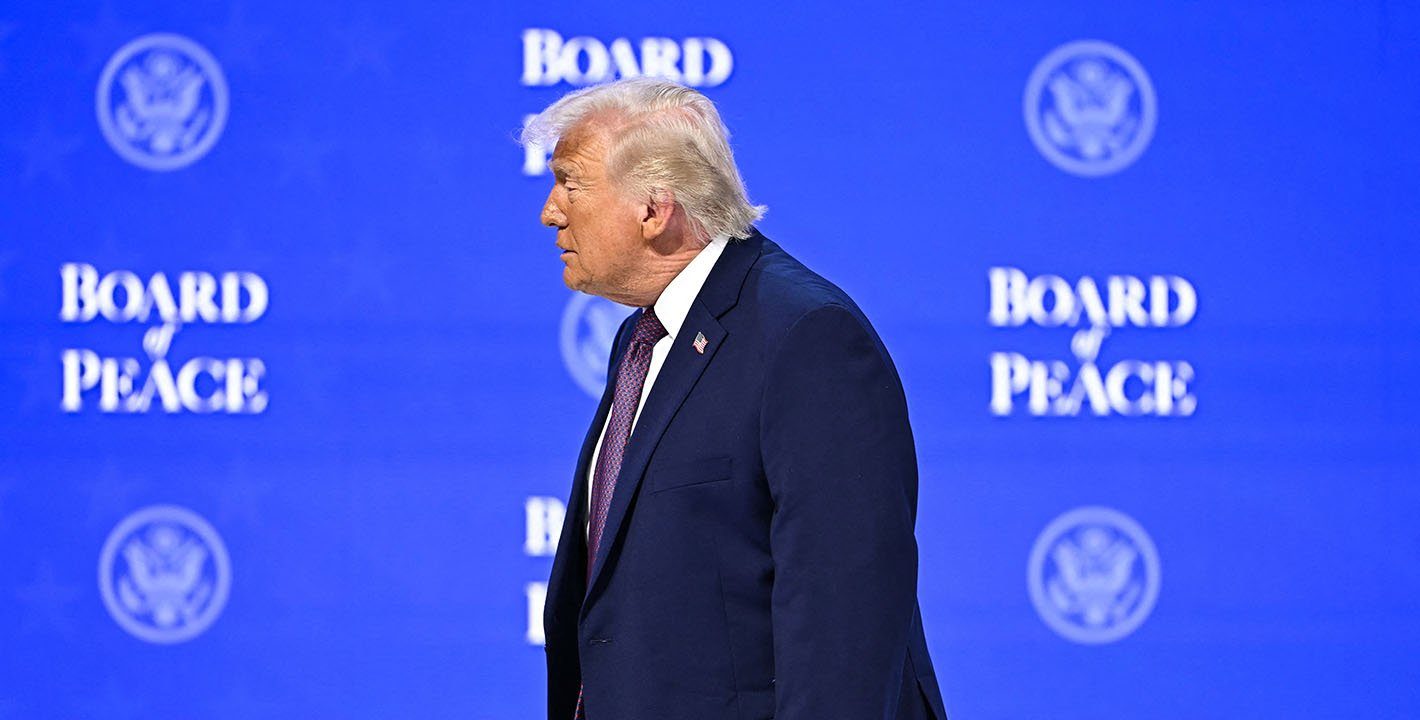
Implementing Phase 2 of Trump’s plan for the territory only makes sense if all in Phase 1 is implemented.

Yezid Sayigh
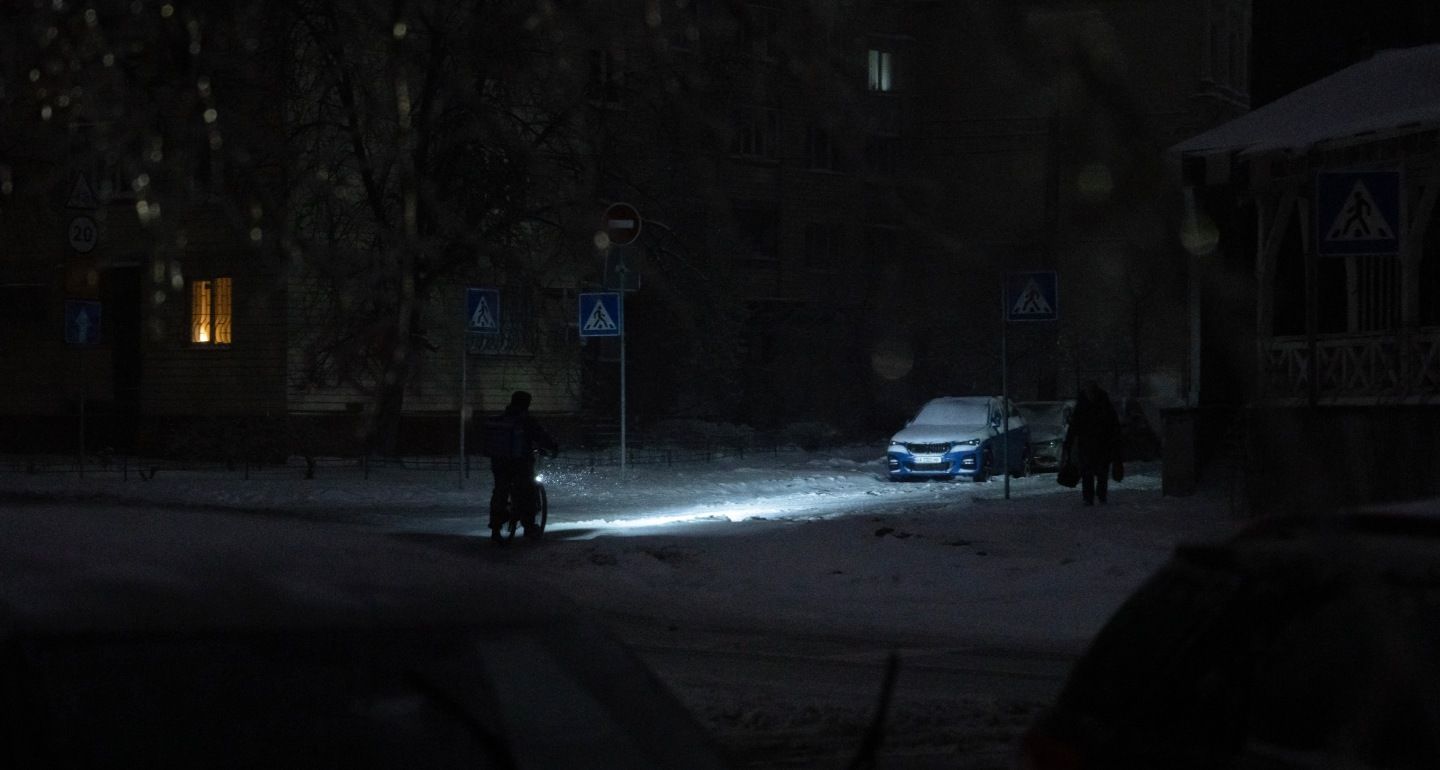
Western negotiators often believe territory is just a bargaining chip when it comes to peace in Ukraine, but Putin is obsessed with empire-building.

Andrey Pertsev
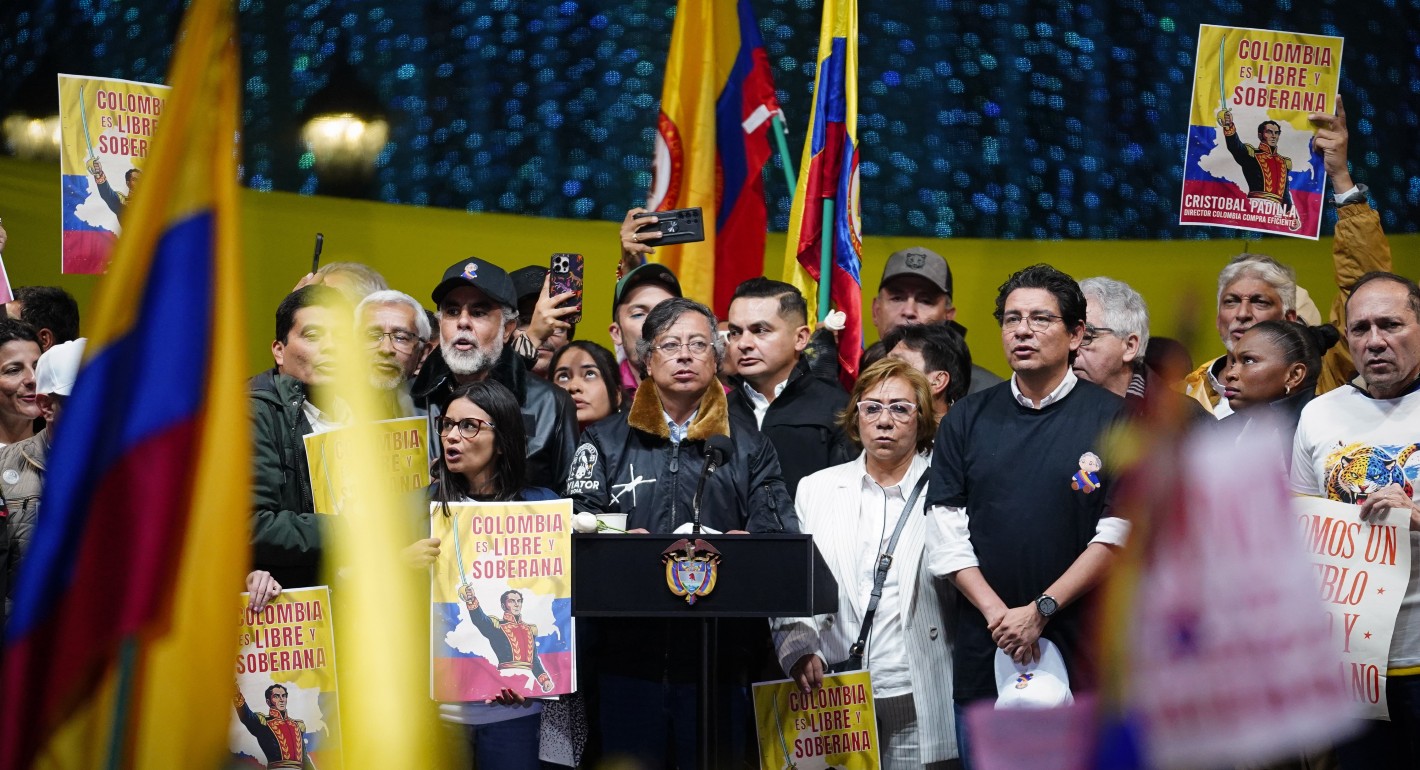
When democracies and autocracies are seen as interchangeable targets, the language of democracy becomes hollow, and the incentives for democratic governance erode.

Sarah Yerkes, Amr Hamzawy
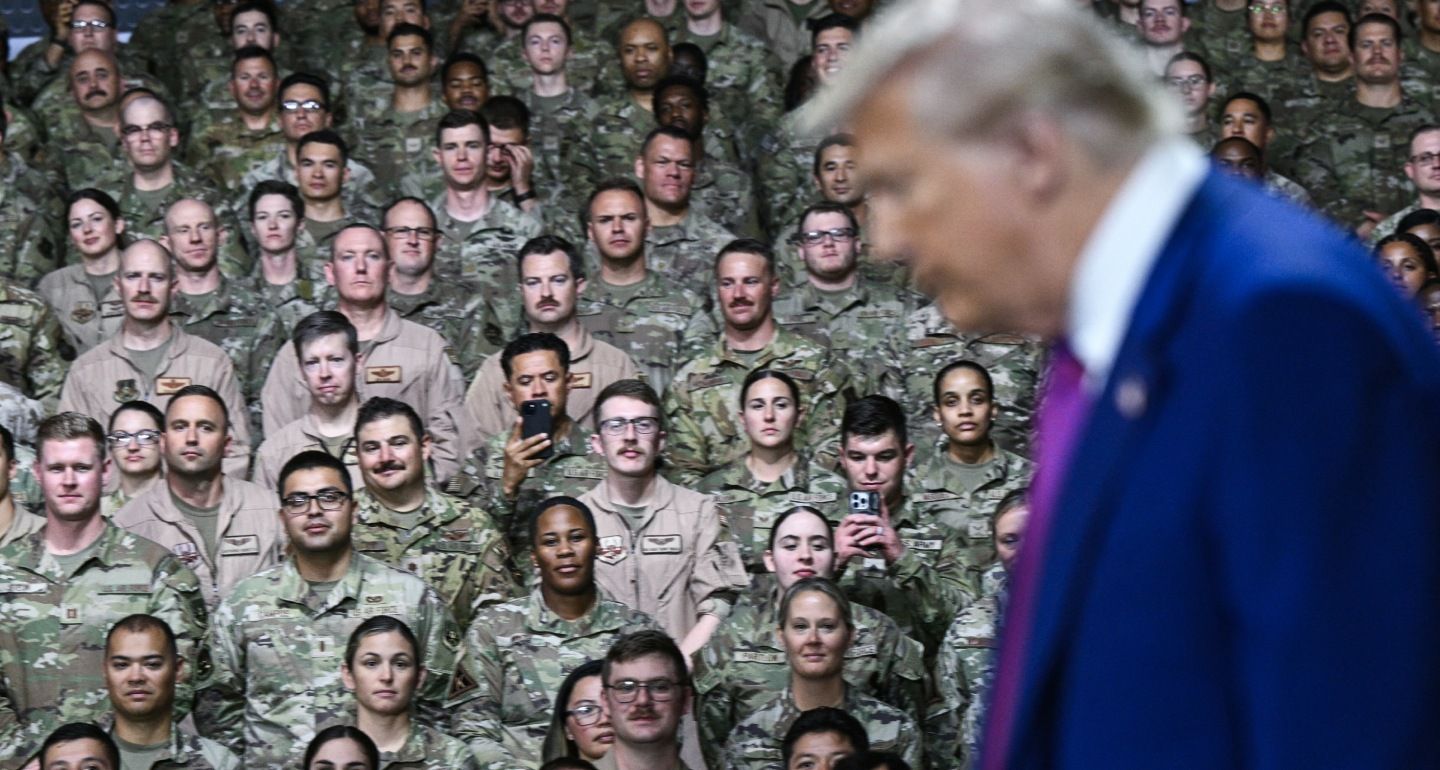
Unexpectedly, Trump’s America appears to have replaced Putin’s Russia’s as the world’s biggest disruptor.
Alexander Baunov
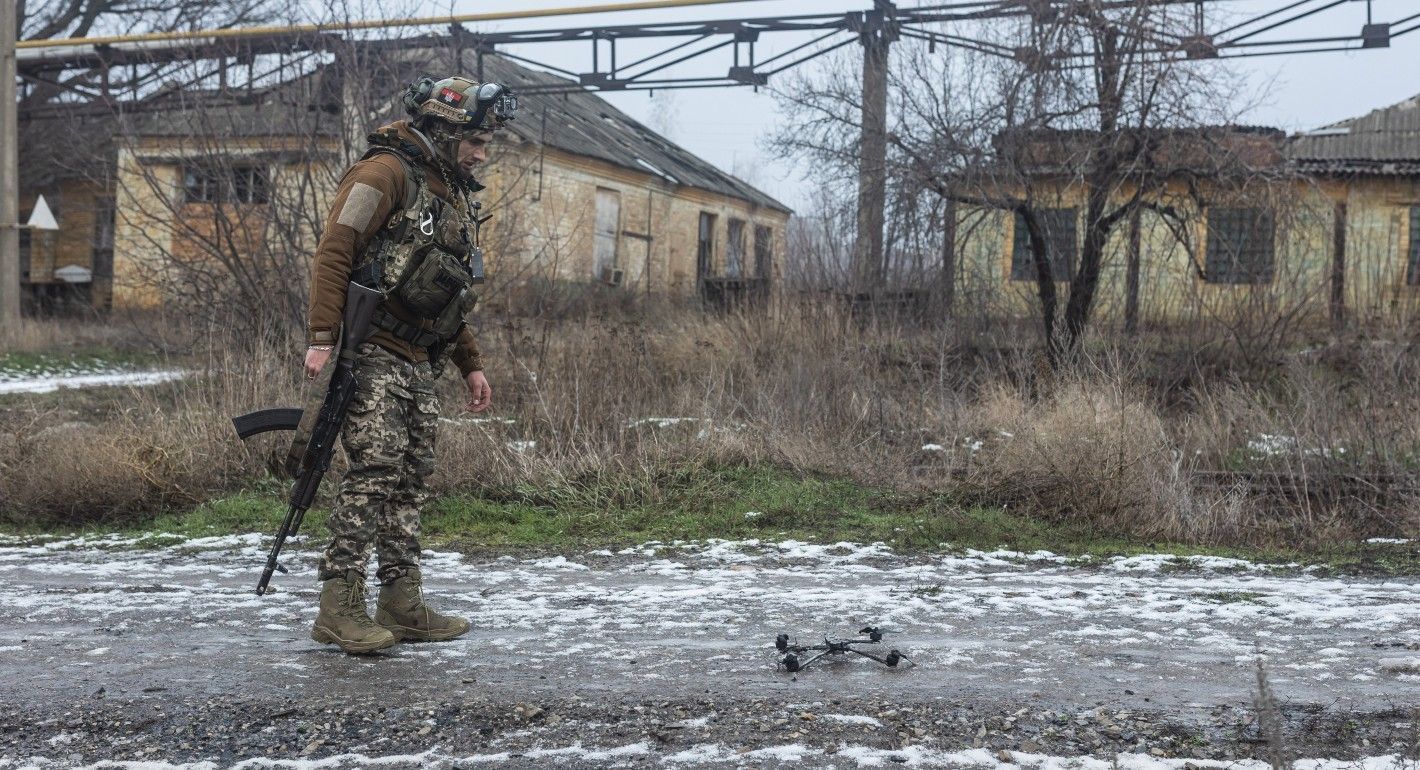
From Sudan to Ukraine, UAVs have upended warfighting tactics and become one of the most destructive weapons of conflict.


Jon Bateman, Steve Feldstein