

Commentary
An Armenia-Azerbaijan settlement may be the only realistic test case for making glossy promises a reality.
Garo Paylan
{
  "authors": [
    "Konstantin Skorkin"
  ],
  "type": "commentary",
  "centerAffiliationAll": "",
  "centers": [
    "Carnegie Endowment for International Peace",
    "Carnegie Russia Eurasia Center"
  ],
  "collections": [],
  "englishNewsletterAll": "",
  "nonEnglishNewsletterAll": "",
  "primaryCenter": "Carnegie Russia Eurasia Center",
  "programAffiliation": "",
  "programs": [],
  "projects": [],
  "regions": [],
  "topics": [
    "Economy"
  ]
}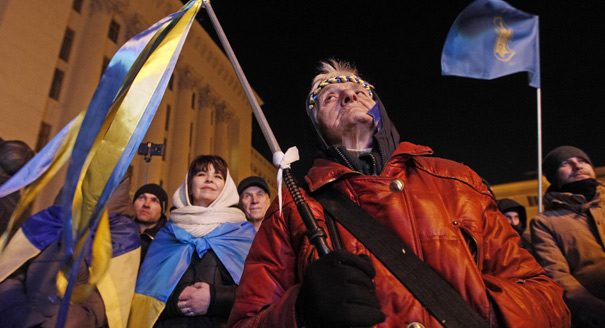
Source: Getty
Russia’s recent imposition of sanctions on Ukrainian politicians and businessmen is all about Ukraine’s upcoming presidential election. No, the Kremlin isn’t trying to get Ukrainian oligarchs to back a hypothetical pro-Moscow candidate. Rather, this is a misplaced attempt to restore the pre-war status quo, consolidate the elites of Ukraine’s notorious southeast, and end the war that hinders the business community.
After four years of conflict between Ukraine and Russia, Moscow has abruptly imposed sanctions on a list of Ukrainian politicians and businessmen. The move effectively legalizes the two countries’ de facto divorce.
The sanctions list features names that would have appeared logical in spring 2014, when Moscow had a chance to respond to the Ukrainian revolution with soft power. Back then, the sanctions might have influenced the policies of the new Kyiv regime. Instead, Russia took the opposite path.
Today—after the annexation of Crimea and war in the Donbas—a document condemning “unfriendly activities” appears rather strange. But the sanctions list does not mean that Russia is returning to soft power in its relations with Kyiv. Rather, it suggests that Moscow has great—if likely misplaced—expectations for the country’s upcoming March 2019 presidential elections.
Incumbent President Petro Poroshenko and former prime minister Yulia Tymoshenko are clearly the stars of this sanctions drama. The former is not on the list, while the latter is. Of course, other names on and off the list are also generating discussion. Why did Russia include children’s author Larysa Nitsoi? How did it manage to confuse far-right political activist Yevhen Karas with the peaceful Kyiv art gallerist of the same name? But this hodgepodge of parliamentarians, nationalists, and heroes of the Euromaidan revolution merely highlights the prominence of the two main figures.
At first glance, the explanation is simple: Poroshenko didn’t make the list for the same reason the Americans omitted Russian President Vladimir Putin from their sanctions lineup: the president cannot be sanctioned because this would preclude top-level negotiations. As for Tymoshenko, she is included because of the anti-Russian rhetoric her electorate supports.
But the sanctions list also adds a level of ambiguity to domestic politics that unnerves rank-and-file Ukrainian voters, who suspect their leaders of zrada—“treason” in Ukrainian, a term with a broad social and political significance today. For instance, Ukrainians are well aware that Poroshenko owns a chocolate factory in Lipetsk, Russia. Hence, his omission from the list looks suspicious. By the same token, Tymoshenko’s inclusion may suggest to some voters that she has accounts and assets in Russia.
“Some Ukrainian leaders who express radical views on Russia don’t mind making money off the relations [with Moscow],” an anonymous source told the RIA Novosti news agency, perfectly illustrating the arsenal of hints and omissions that Russia is utilizing in preparation for Ukraine’s elections.
In Ukraine’s overly sensitive and emotional polity, the most important thing for Russia is to preserve an atmosphere of uncertainty. After all, it is always possible to reinterpret the rationale behind the sanctions list—for example, claiming that Tymoshenko is included because she is feared in Moscow. Poroshenko is even taking the bait by saying that “being on this list is a state award of sorts, at least that’s how it is perceived.”
Ukrainian political analysts are also inclined to believe voters will view being sanctioned as a positive. “A lot of Ukrainian politicians are extremely happy to be included on this list. It’s an award for many, and for some it’s actually a bonus in the upcoming election,” says political scientist Volodymyr Fesenko. “Now politicians will use it as evidence for their voters: ‘I’m an enemy of Russia, so, fellow Ukrainians, do vote for me in the election.’”
Meanwhile, the business section of the sanctions list initially appears perplexing. Standard-bearers of the Ukrainian business community—oligarchs Rinat Akhmetov, Ihor Kolomoysky, and Dmytro Firtash—are not included, but many little-known, barely public figures are.
Perhaps the most high-profile names were simply removed from the list at the behest of their lobbyists. But it’s more likely that this list is a message from the Russian elite to its Ukrainian counterparts, whom it knows all too well.
The list reads like a series of obvious and not-so-obvious hints to Ukrainian Forbes-ranked businessmen. While Kolomoysky is missing from the list, his partner Gennady Bogolyubov is there. Firtash is out, but top managers of his Metinvest Group are in. The list also features the son-in-law of former Ukrainian President Leonid Kuchma: oligarch Viktor Pinchuk, whose business still exports pipes to Russia.
Indeed, the sanctions circumvent the key players, but they imply the possibility of a second round. In this sense, they bear little resemblance to U.S. sanctions imposed on prominent members of Russia’s old oligarchy in hopes of extracting concessions from the Kremlin. Instead, Russia’s sanctions take into account the decades-old informal system of connections and clan interests familiar to both Moscow and Kyiv. Ukrainian oligarchs’ formerly deep immersion in their Russian partners’ schemes now makes them vulnerable to blackmail and manipulation. And Russia feels confident because, despite the Ukrainian-Russian conflict, Moscow remains Kyiv’s main trade partner as of 2017.
Essentially, Moscow’s behavior is not about getting Ukrainian oligarchs to support a hypothetical Russian candidate in the upcoming Ukrainian elections. Rather, the sanctions list is an attempt to return the pre-war status quo, consolidate the elites of Ukraine’s notorious southeast, possibly reintegrate the Donbas into Ukraine, and end the war that hinders the business community.
For instance, the pro-Russian Ukrainian oligarch Serhiy Kurchenko, currently exiled in Moscow, is actively bringing his people into the Kremlin-backed, breakaway Donetsk People’s Republic, which symbolizes a creeping restoration of the old Donetsk elite. So why can’t Akhmetov and Firtash join this process from the other side of the front line?
However, these methods for influencing the Ukrainian political and business elite work poorly after 2014. While Russia and its model were quite attractive to the Ukrainian elite in the 2000s and early 2010s, Moscow’s intervention in Ukraine—with its irrationality and imperial phantoms—simply doesn’t mix well with modern capitalist principles. It has scared this elite away from Russia. And attempts to expropriate the assets of “anti-Russian oligarchs” in Crimea and the Donbas, as well as the looming secondary sanctions against businesses cooperating with the ever-increasing ranks of toxic Russian companies, don’t help matters.
In this context, the Russian sanctions won’t be seen as an invitation to a big, mutually rewarding game. Rather, they will prompt Ukrainian businessmen to look to new markets and consider reorienting their country’s exports in other, more predictable directions.
Carnegie does not take institutional positions on public policy issues; the views represented herein are those of the author(s) and do not necessarily reflect the views of Carnegie, its staff, or its trustees.
An Armenia-Azerbaijan settlement may be the only realistic test case for making glossy promises a reality.
Garo Paylan
Venezuelans deserve to participate in collective decisionmaking and determine their own futures.

Jennifer McCoy
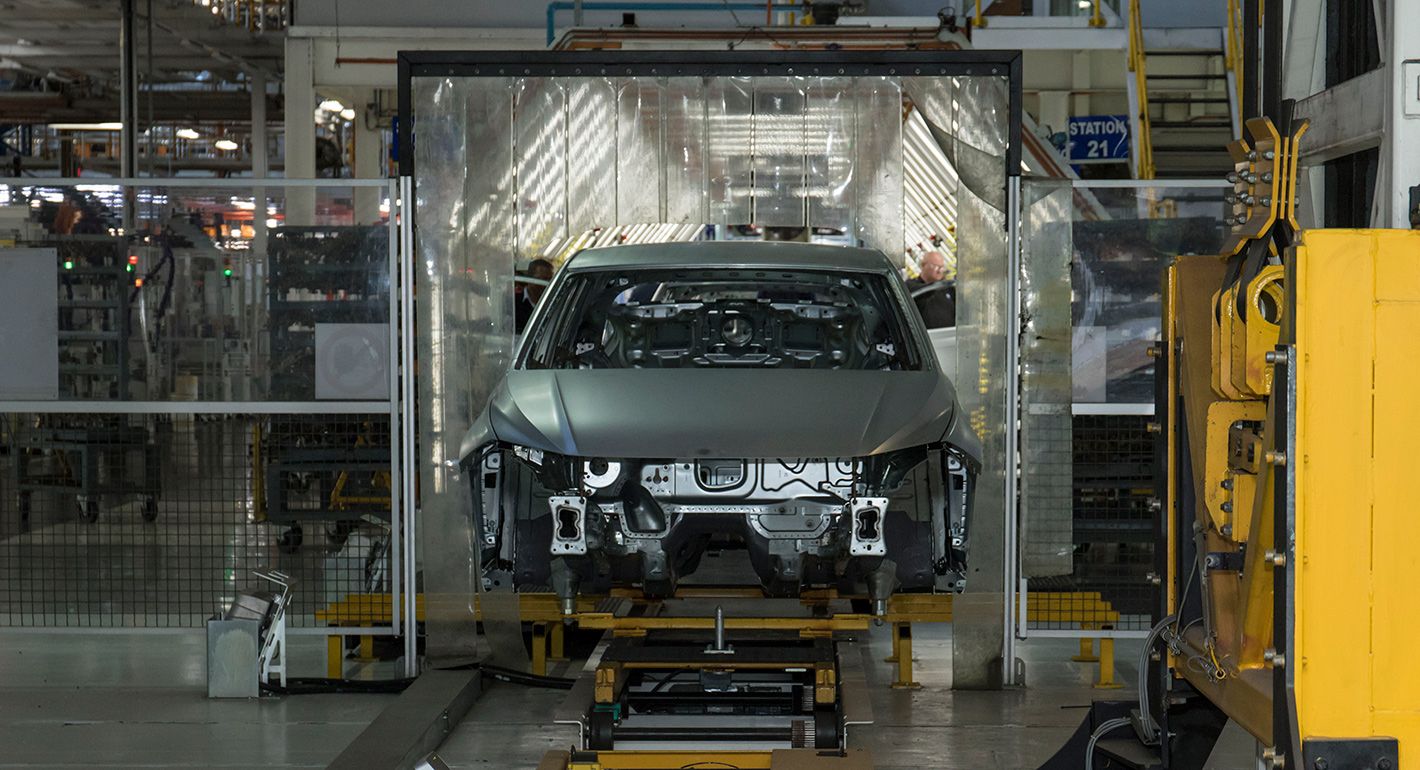
German manufacturing firms in Africa add value, jobs, and skills, while benefiting from demand and a diversification of trade and investment partners. It is in the interest of both African economies and Germany to deepen economic relations.
Hannah Grupp, Paul M. Lubeck
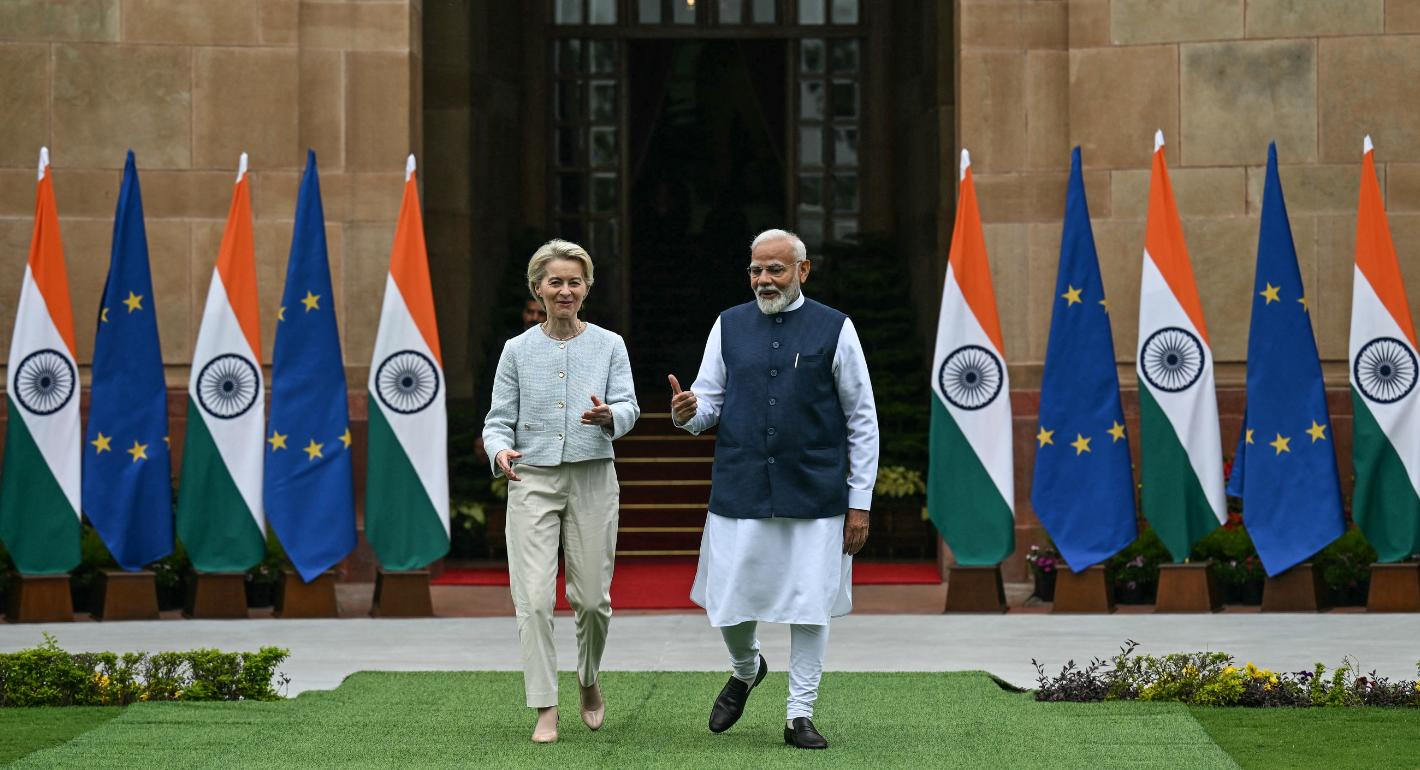
As European leadership prepares for the sixteenth EU-India Summit, both sides must reckon with trade-offs in order to secure a mutually beneficial Free Trade Agreement.
Dinakar Peri
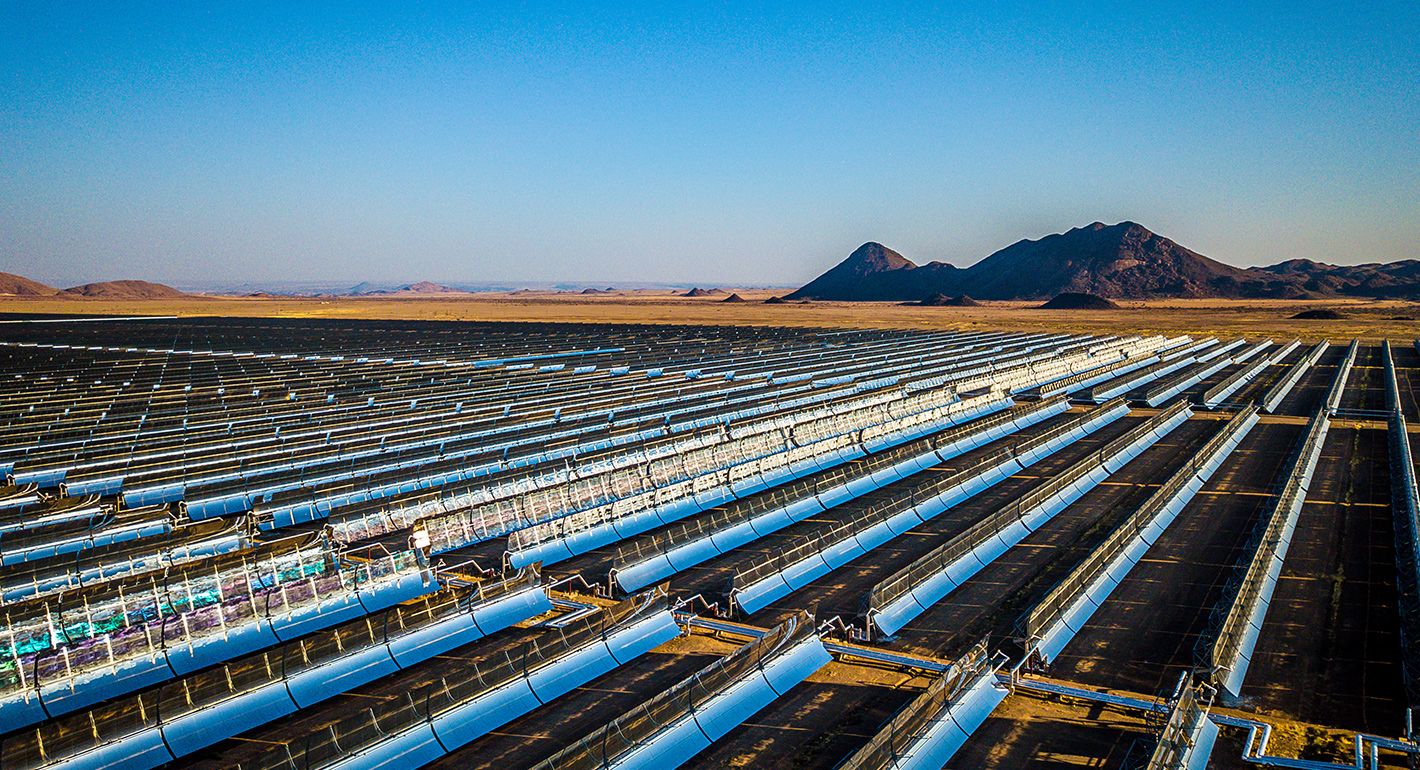
Global development needs imagination to update the purposes, structures, and systems of outmoded institutions to make them fit for today’s world.
David McNair