• Research
  • Emissary
  • About
  • Experts
Carnegie Global logoCarnegie lettermark logo
Democracy
  • Donate
Misunderstanding Democratic Backsliding
Research

Misunderstanding Democratic Backsliding

Backsliding is less a result of democracies failing to deliver than of democracies failing to constrain the predatory political ambitions and methods of certain elected leaders. Policymakers and aid providers seeking to limit backsliding should tailor their diplomatic and aid interventions accordingly. 

Link Copied
By Thomas Carothers and Brendan Hartnett
Published on Jul 1, 2024
Program mobile hero image

Program

Democracy, Conflict, and Governance

The Democracy, Conflict, and Governance Program is a leading source of independent policy research, writing, and outreach on global democracy, conflict, and governance. It analyzes and seeks to improve international efforts to reduce democratic backsliding, mitigate conflict and violence, overcome political polarization, promote gender equality, and advance pro-democratic uses of new technologies.

Learn More
Read in the Journal of Democracy

Authors

Thomas Carothers
Harvey V. Fineberg Chair for Democracy Studies; Director, Democracy, Conflict, and Governance Program
Thomas Carothers
Brendan Hartnett
Former James C. Gaither Junior Fellow, Democracy, Conflict, and Governance Program
DemocracyPolitical Reform

Carnegie does not take institutional positions on public policy issues; the views represented herein are those of the author(s) and do not necessarily reflect the views of Carnegie, its staff, or its trustees.

More Work from Carnegie Endowment for International Peace

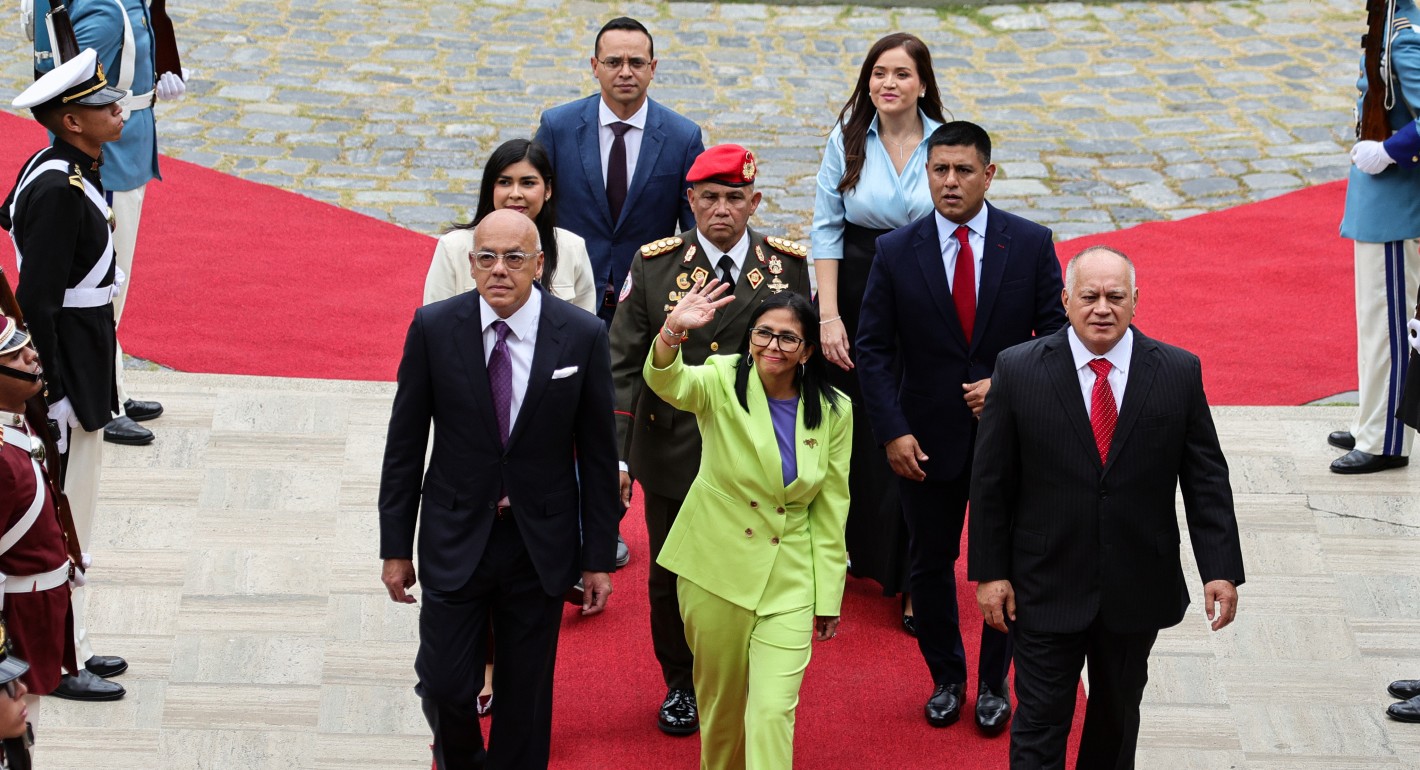
  • Group of people walking and waving
    Commentary
    Emissary
    Can Venezuela Move From Economic Stabilization to a Democratic Transition?

    Venezuelans deserve to participate in collective decisionmaking and determine their own futures.

      Jennifer McCoy

  • Commentary
    Strategic Europe
    New Tricks and AI Tools in Hungary’s High-Stakes Election

    Hungarian Prime Minister Viktor Orbán faces his most serious challenge yet in the April 2026 parliamentary elections. All of Europe should monitor the Fidesz campaign: It will use unprecedented methods of electoral manipulation to secure victory and maintain power.

      Zsuzsanna Szelényi
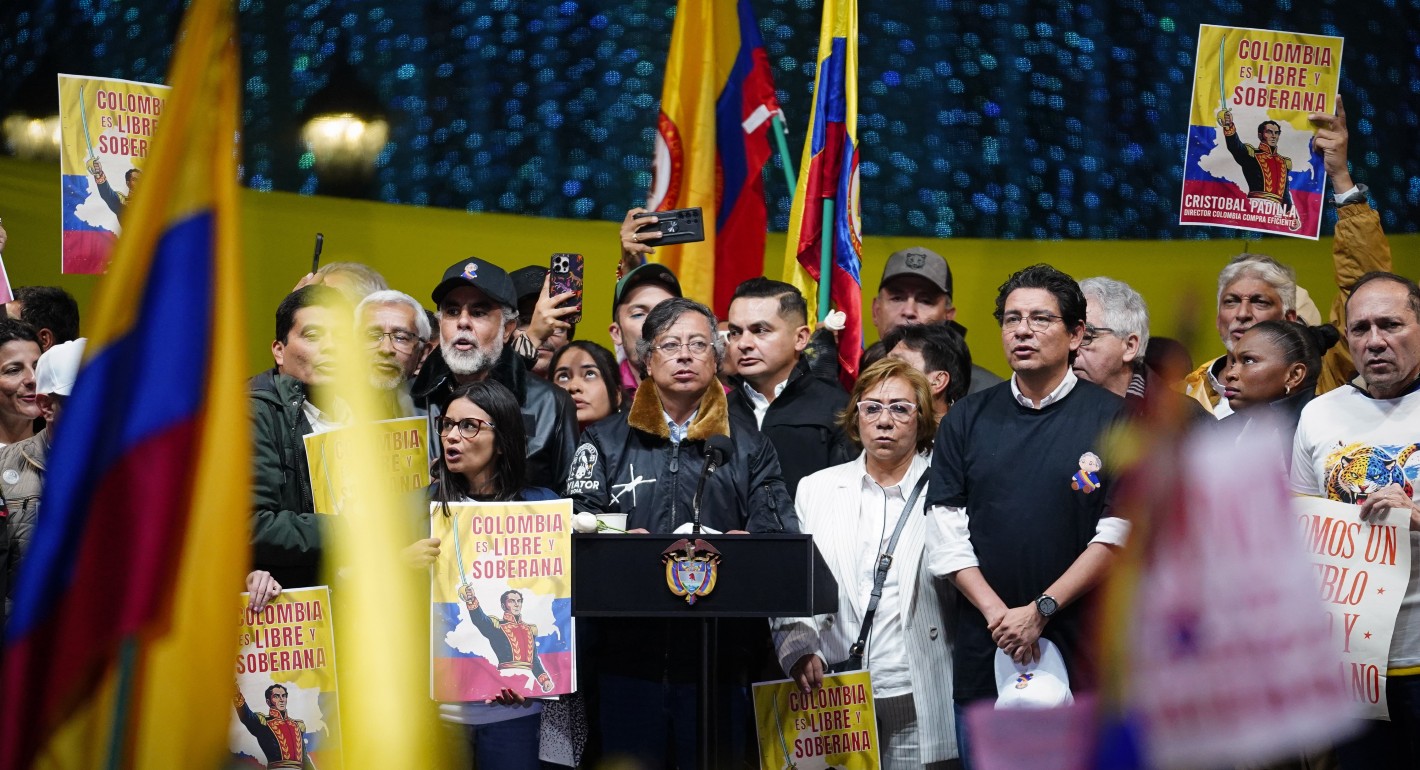
  • People on a stage
    Commentary
    Emissary
    The Dangerous Consequences of Treating Colombia Like Venezuela

    When democracies and autocracies are seen as interchangeable targets, the language of democracy becomes hollow, and the incentives for democratic governance erode.


      • Sarah Yerkes

      Sarah Yerkes, Amr Hamzawy

  • Commentary
    Carnegie Politika
    How Yulia Tymoshenko Returned to the Center of Ukrainian Politics Yet Again

    The story of a has-been politician apparently caught red-handed is intersecting with the larger forces at work in the Ukrainian parliament.

      Konstantin Skorkin
  • Commentary
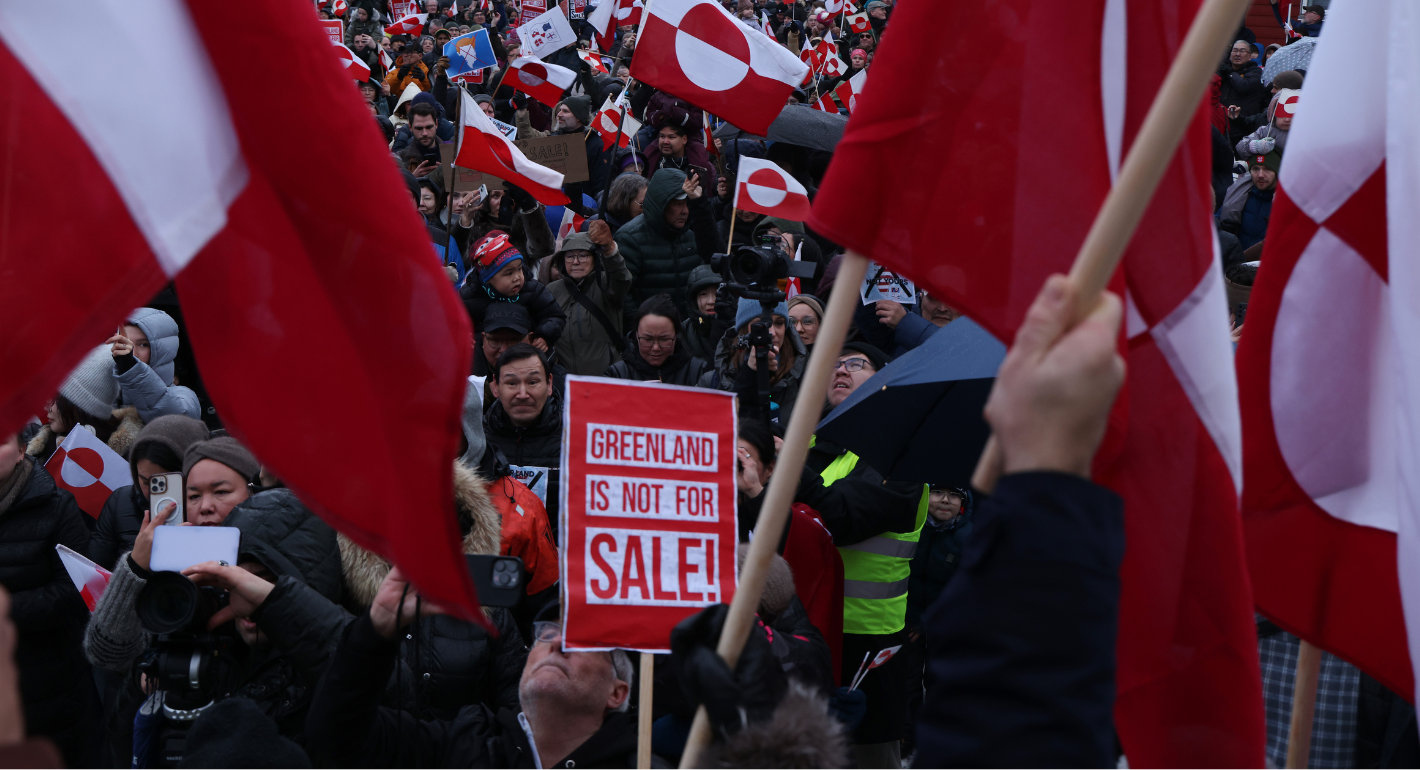
    Europe’s American Predicament

    Between Greenland and U.S. interference in Europe’s democracies, transatlantic relations risk rising to an unprecedented level of crisis. Amid continued arguments on how Brussels should react, tough times lie ahead for European leaders.

      Marc Pierini

Get more news and analysis from
Carnegie Endowment for International Peace
Carnegie global logo, stacked
1779 Massachusetts Avenue NWWashington, DC, 20036-2103Phone: 202 483 7600Fax: 202 483 1840
  • Research
  • Emissary
  • About
  • Experts
  • Donate
  • Programs
  • Events
  • Blogs
  • Podcasts
  • Contact
  • Annual Reports
  • Careers
  • Privacy
  • For Media
  • Government Resources
Get more news and analysis from
Carnegie Endowment for International Peace
© 2026 Carnegie Endowment for International Peace. All rights reserved.