

Research
As states without nuclear weapons develop nuclear-powered submarines, can NWFZ regimes adapt to manage new technical, legal, procedural, and normative challenges?
Jamie Kwong, ed., Toby Dalton, ed., Celia McDowall, ed.

Back in the fall of 2022, parts of the U.S. administration assessed a heightened risk of Russian nuclear use in the Ukraine War. Despite this assessment, nuclear weapons were not used. Why did Russia not use nuclear weapons during the fall of 2022?
Carnegie does not take institutional positions on public policy issues; the views represented herein are those of the author(s) and do not necessarily reflect the views of Carnegie, its staff, or its trustees.
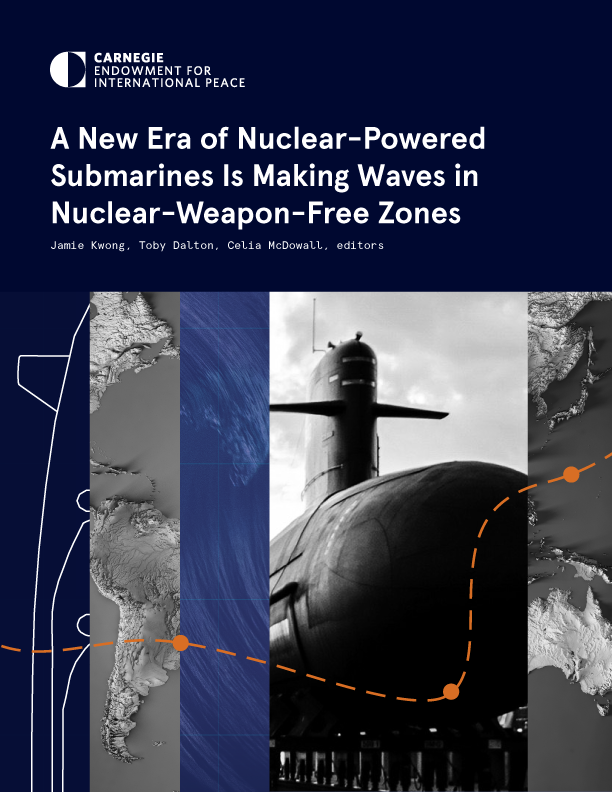
As states without nuclear weapons develop nuclear-powered submarines, can NWFZ regimes adapt to manage new technical, legal, procedural, and normative challenges?


Jamie Kwong, ed., Toby Dalton, ed., Celia McDowall, ed.
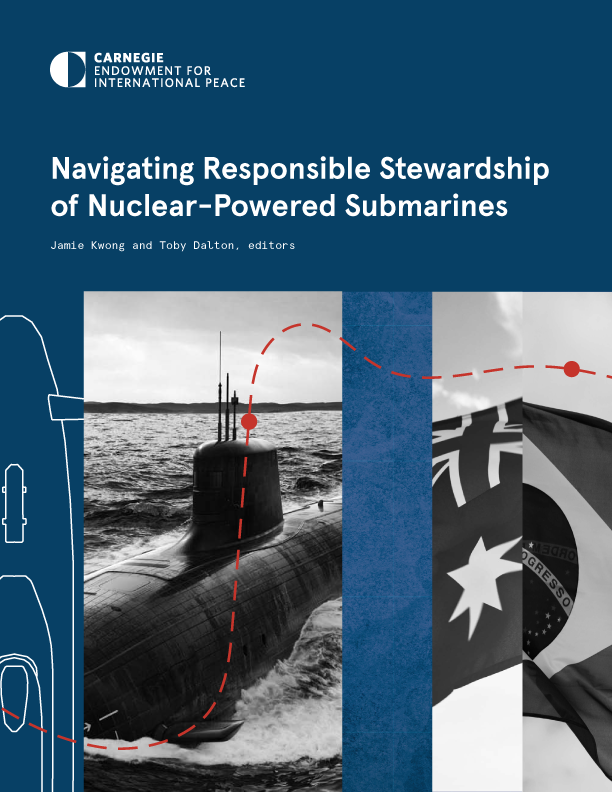
As the first states without nuclear weapons set to acquire nuclear-powered attack submarines, Australia and Brazil face new questions and challenges as they seek to responsibly manage the risks of naval nuclear propulsion.
Jamie Kwong, ed., Toby Dalton, ed.
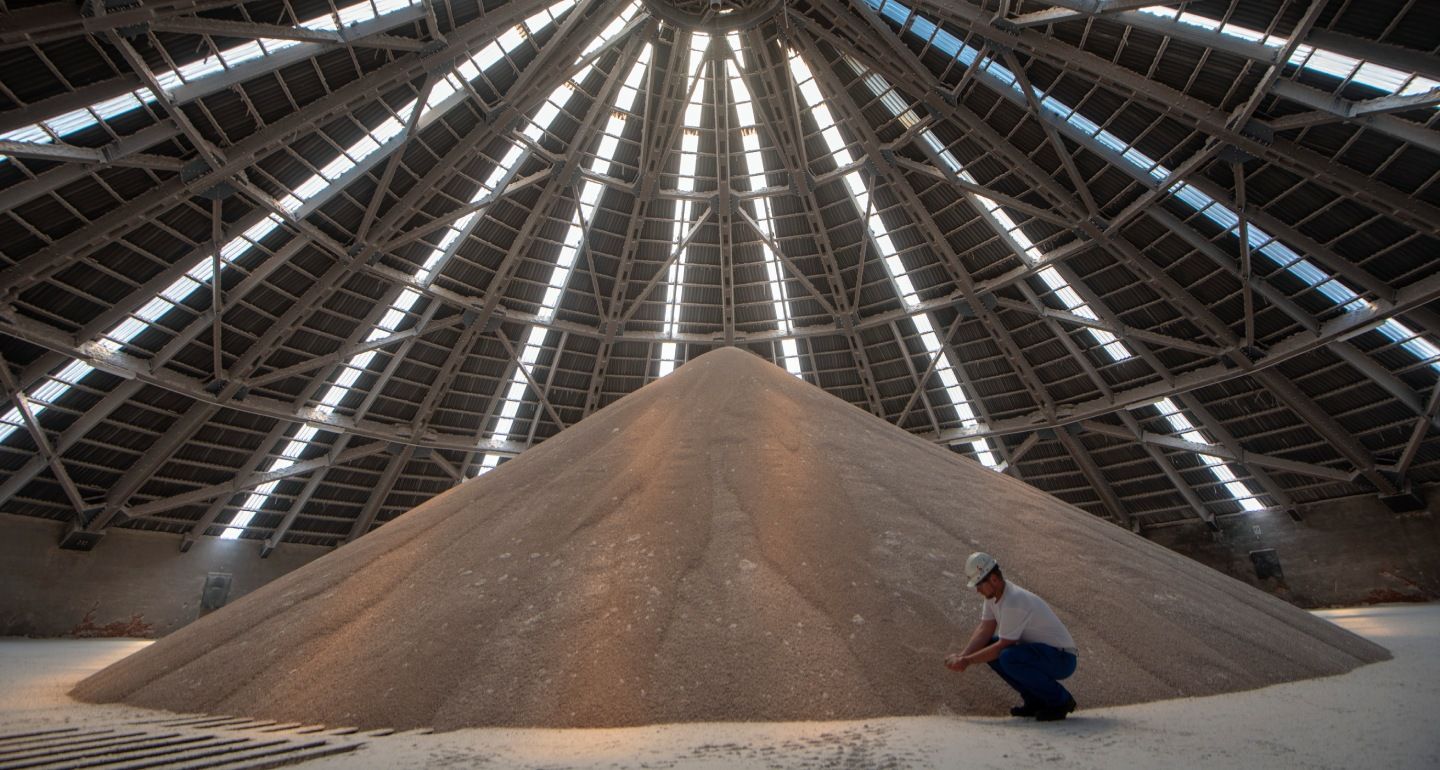
What should happen when sanctions designed to weaken the Belarusian regime end up enriching and strengthening the Kremlin?

Denis Kishinevsky
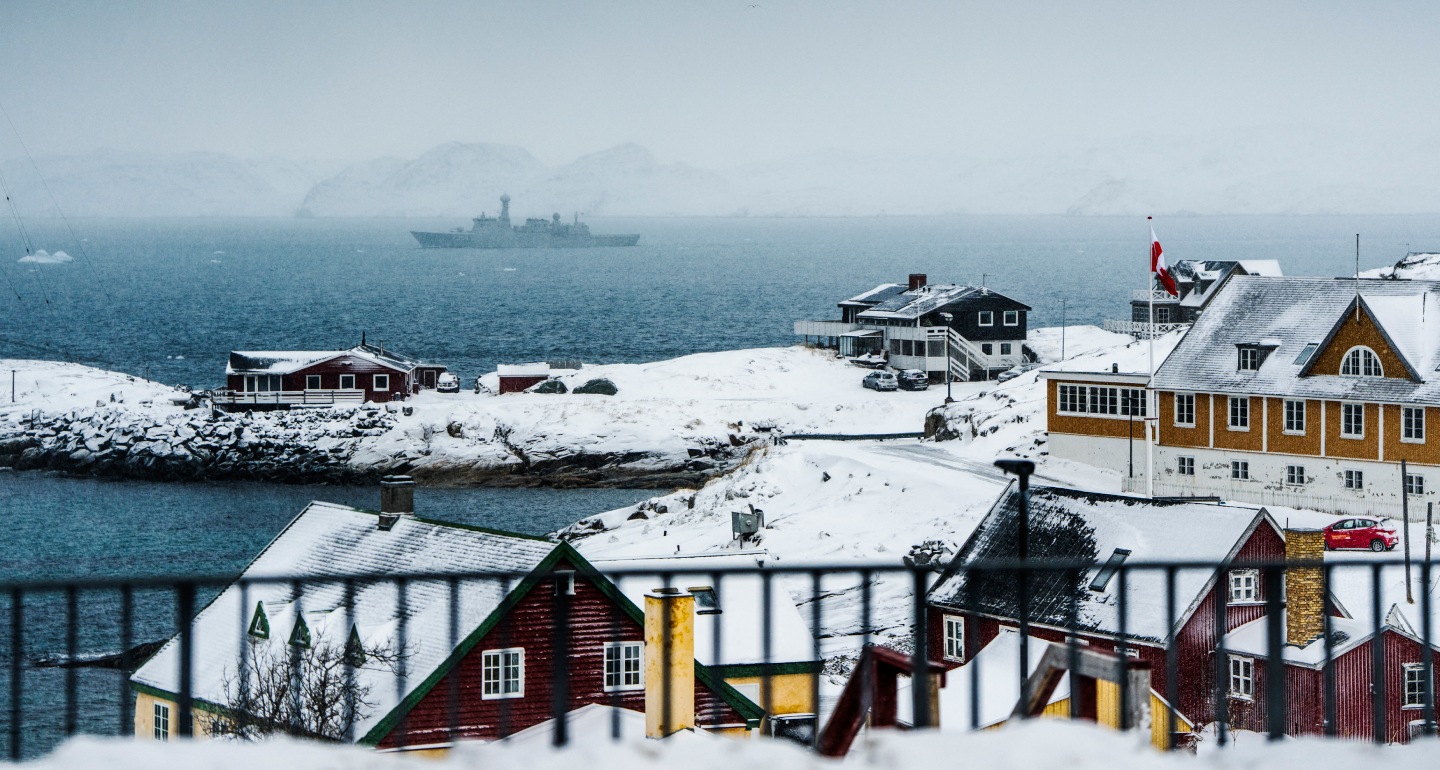
The supposed threats from China and Russia pose far less of a danger to both Greenland and the Arctic than the prospect of an unscrupulous takeover of the island.

Andrei Dagaev
There is an urgent need to strengthen the relevant international legal frameworks if they are to protect against threats to use nuclear weapons.
Anna Hood, Monique Cormier