

Commentary
Maria Lipman
{
  "authors": [
    "Maria Lipman"
  ],
  "type": "legacyinthemedia",
  "centerAffiliationAll": "",
  "centers": [
    "Carnegie Endowment for International Peace",
    "Carnegie Russia Eurasia Center"
  ],
  "collections": [],
  "englishNewsletterAll": "",
  "nonEnglishNewsletterAll": "",
  "primaryCenter": "Carnegie Russia Eurasia Center",
  "programAffiliation": "",
  "programs": [],
  "projects": [],
  "regions": [
    "Caucasus",
    "Russia",
    "Azerbaijan",
    "Armenia",
    "Georgia"
  ],
  "topics": [
    "Political Reform",
    "Economy"
  ]
}
Source: Getty
As violence in the North Caucasus surges, Kremlin policies and its loyal, but brutal, local leaders have played a critical role in causing the situation.
Source: Al Jazeera's Inside Story
Masha Lipman explains that violence in Ingushetia: “has become a vicious circle of heavy handed operations of the government and police officials antagonizing the people, people take revenge, and punitive measures follow in the vicious circle of violence. So police brutality and incompetence of the local government are the chief reasons for violence in Ingushetia.”
But Ingushetia is not an isolated incident. The whole region of North Caucasus has been afflicted by violence in recent months: "Russia has heavily relied on loyal leaders to take care of problems. And the methods used by those leaders were heavy handed, were brutal; thus breeding resistance.”
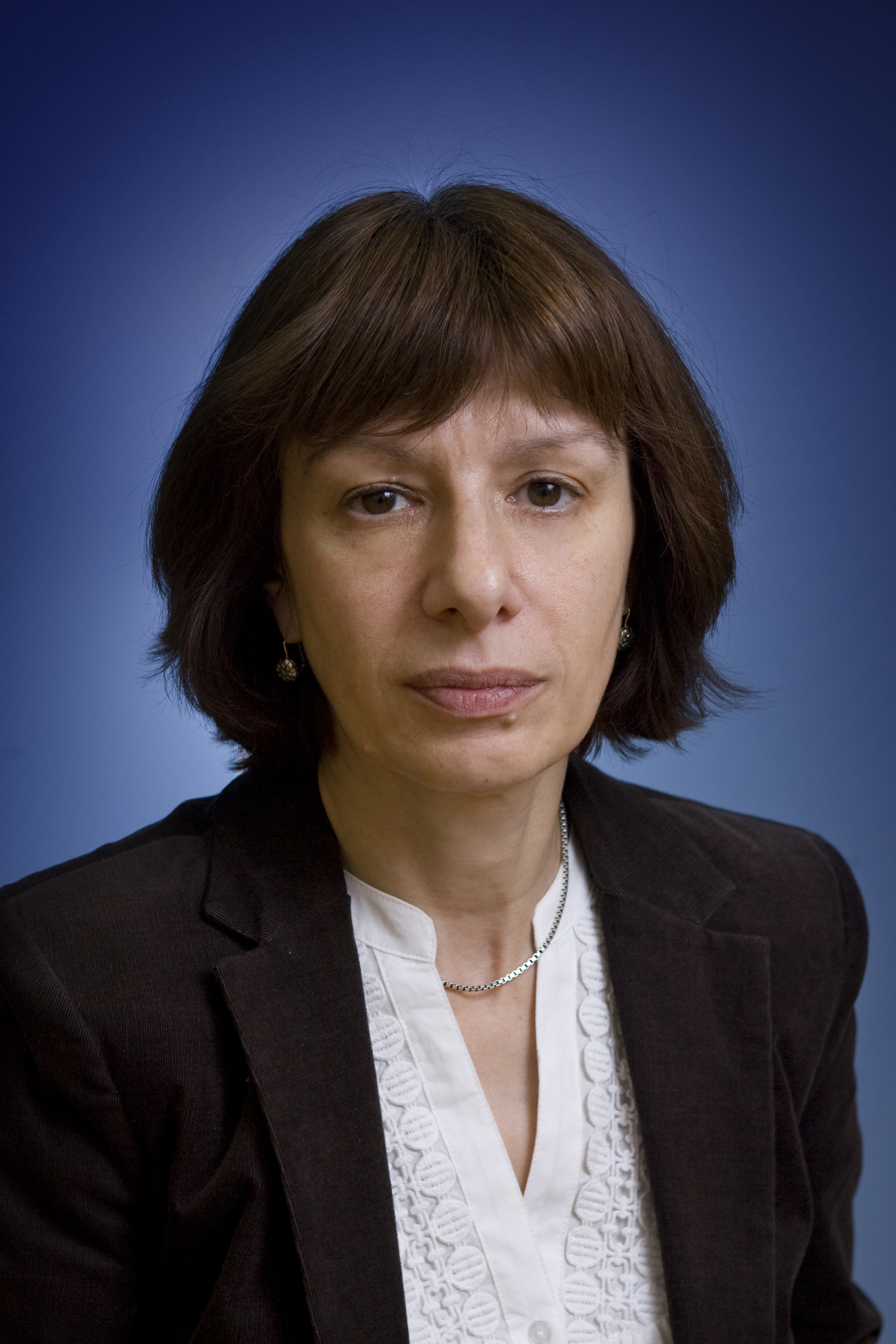
Former Scholar in Residence, Society and Regions Program, Editor in Chief, Pro et Contra, Moscow Center
Lipman was the editor in chief of the Pro et Contra journal, published by the Carnegie Moscow Center. She was also the expert of the Carnegie Moscow Center’s Society and Regions Program.
Recent Work
Maria Lipman
Maria Lipman
Carnegie does not take institutional positions on public policy issues; the views represented herein are those of the author(s) and do not necessarily reflect the views of Carnegie, its staff, or its trustees.
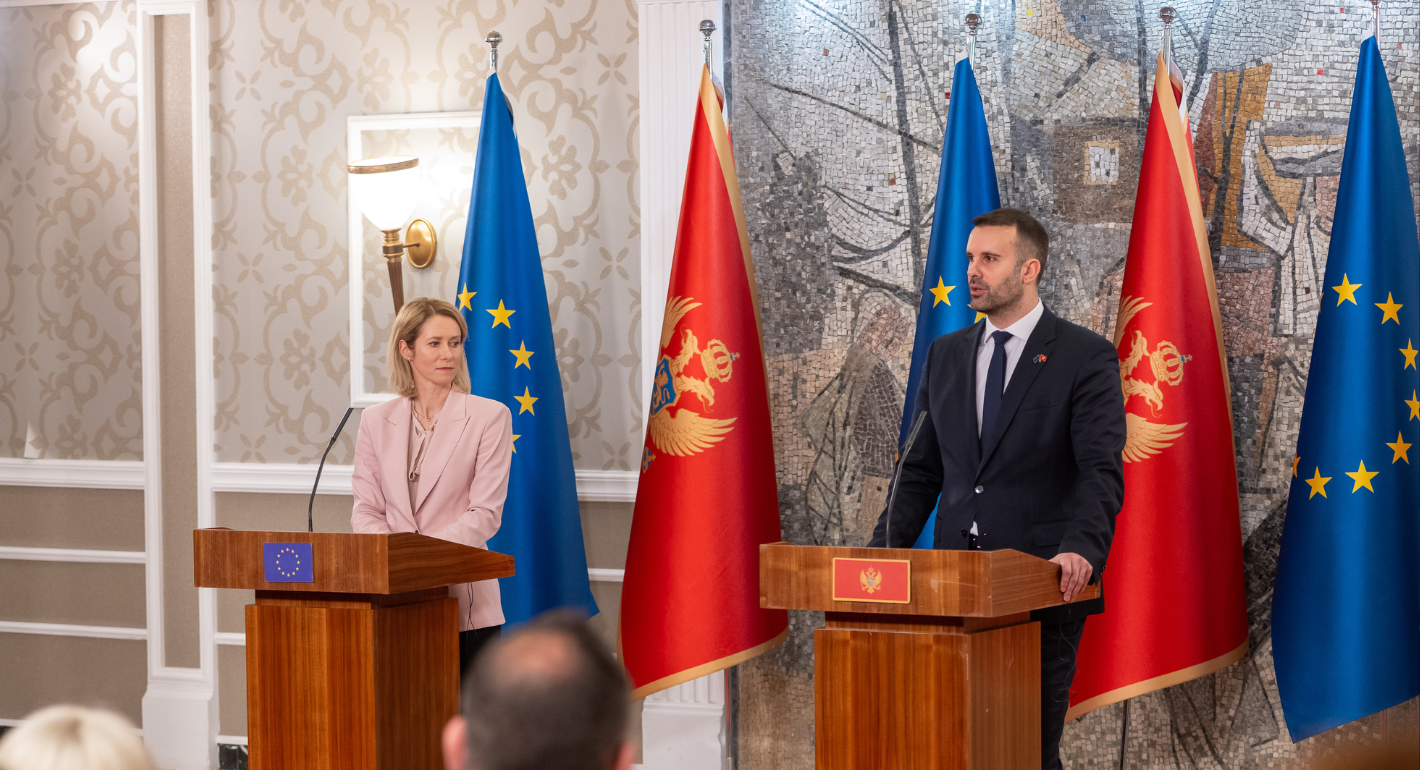
Montenegro and Albania are frontrunners for EU enlargement in the Western Balkans, but they can’t just sit back and wait. To meet their 2030 accession ambitions, they must make a strong positive case.


Dimitar Bechev, Iliriana Gjoni
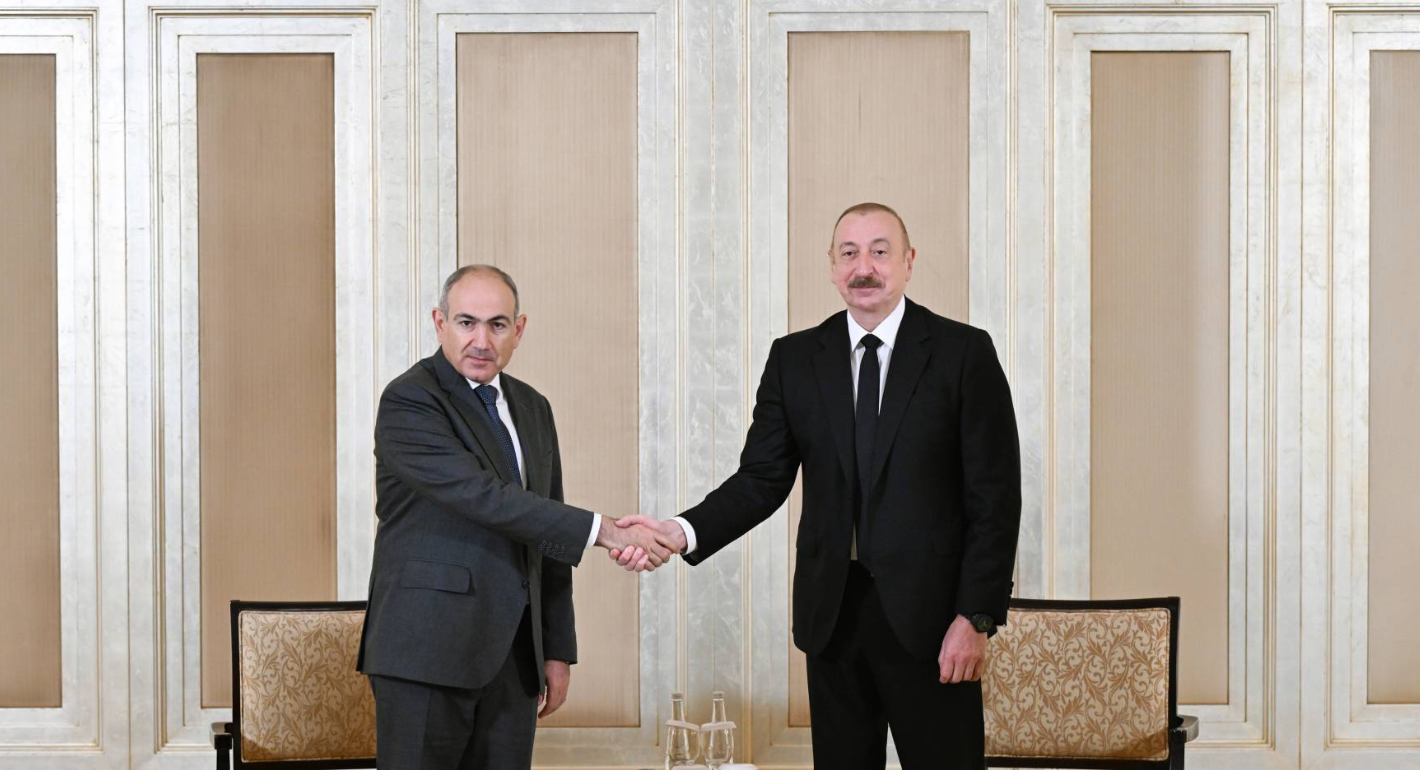
The U.S.-sponsored TRIPP deal is driving the Armenia-Azerbaijan peace process forward. But foreign and domestic hurdles remain before connectivity and economic interdependence can open up the South Caucasus.



Thomas de Waal, Areg Kochinyan, Zaur Shiriyev
The war in Ukraine is costing Russia its leverage overseas. Across the South Caucasus and Middle East, this presents an opportunity for Europe to pick up the pieces and claim its own sphere of influence.


William Dixon, Maksym Beznosiuk

Amid increased polarization and the influence of disinformation, radical-right parties are once again gaining traction across Europe. With landmark elections on the horizon in several countries, are the EU’s geostrategic vision and fundamental values under existential threat?

Catherine Fieschi, Cas Mudde

Economic growth is at the heart of a dilemma between planetary and international security.

Olivia Lazard