

Q&A
Christopher Boucek
{
  "authors": [
    "Christopher Boucek"
  ],
  "type": "legacyinthemedia",
  "centerAffiliationAll": "dc",
  "centers": [
    "Carnegie Endowment for International Peace"
  ],
  "collections": [],
  "englishNewsletterAll": "menaTransitions",
  "nonEnglishNewsletterAll": "",
  "primaryCenter": "Carnegie Endowment for International Peace",
  "programAffiliation": "MEP",
  "programs": [
    "Middle East"
  ],
  "projects": [],
  "regions": [
    "Middle East",
    "Yemen"
  ],
  "topics": [
    "Political Reform",
    "Security",
    "Foreign Policy"
  ]
}
Source: Getty
Yemen’s mounting security and economic issues require an international approach. Ultimately, aid to Yemen must address the long term stability issues the country is facing, not just American or regional security concerns.
Source: C-SPAN's Washington Journal
Yemen faces a unique set of problems that are set to converge at the same time. The country is quickly running out of money, oil (which provides 80% of its income), and water. Sana’a, the capital of Yemen, may be the first modern capital to run out of water. The population is set to double in 20 years and unemployment is at 35 percent, on par with Great Depression numbers. All of these economic issues are exacerbated by rampant corruption and inflation. Moreover, Yemen faces major security challenges from a civil war in the north, a secessionist movement in the south, and a resurgent al-Qaeda.
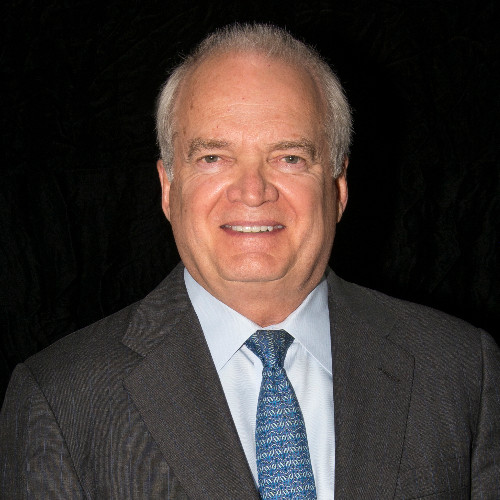
The weak central government in Yemen does not have full control over all the territory in the country and it is in these under governed places that al-Qaeda has taken refuge, according to Christopher Boucek. Although al-Qaeda has recently become resurgent in the troubled country, ultimately these “long term economic issues will sink Yemen, not al-Qaeda,” notes Boucek. Boucek suggests that “Yemen’s problems need an international solution, there is not a solely American or regional solution” to the multiple problems the country faces.

Former Associate, Middle East Program
Boucek was an associate in the Carnegie Middle East Program where his research focused on security challenges in the Arabian Peninsula and Northern Africa.
Recent Work
Christopher Boucek
Christopher Boucek, Karim Sadjadpour
Carnegie does not take institutional positions on public policy issues; the views represented herein are those of the author(s) and do not necessarily reflect the views of Carnegie, its staff, or its trustees.
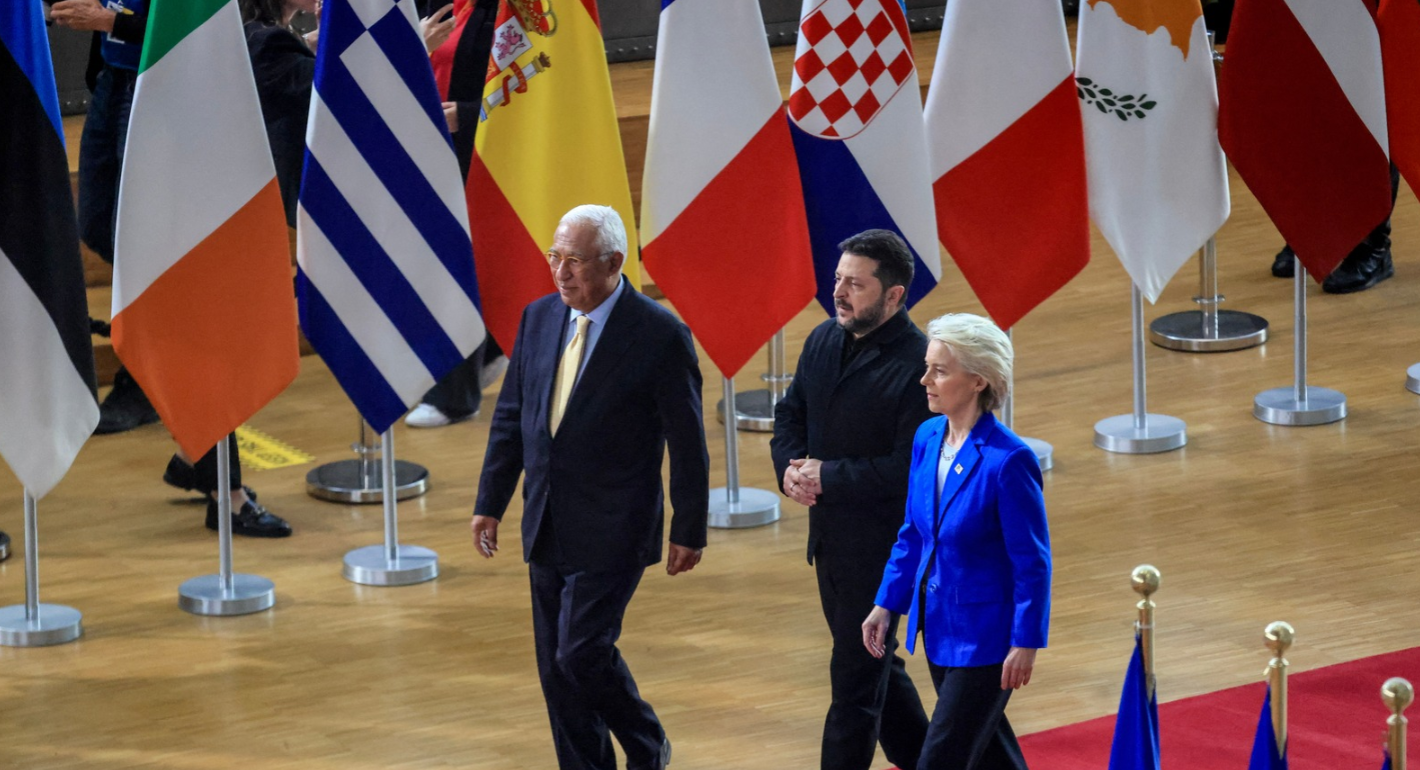
The EU can impose sanctions but struggles to enforce them without the United States. With Washington increasingly disinterested in backing European interests, the bloc must now fend for itself.
Nicu Popescu, Tiago Antunes
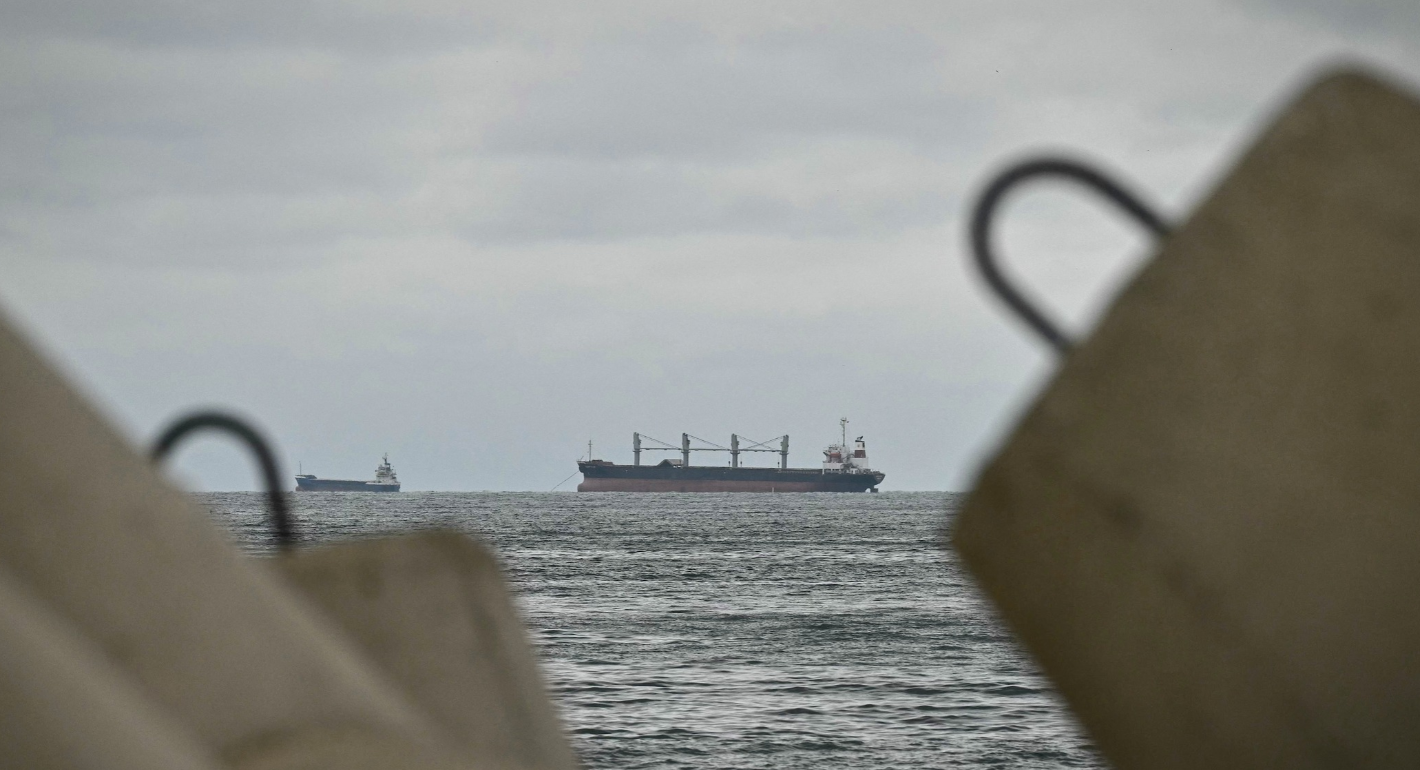
Russia is testing the waters of NATO’s mutual defense clause. What do strikes in Romanian territorial waters mean for the alliance’s posture toward Moscow?

Dimitar Bechev
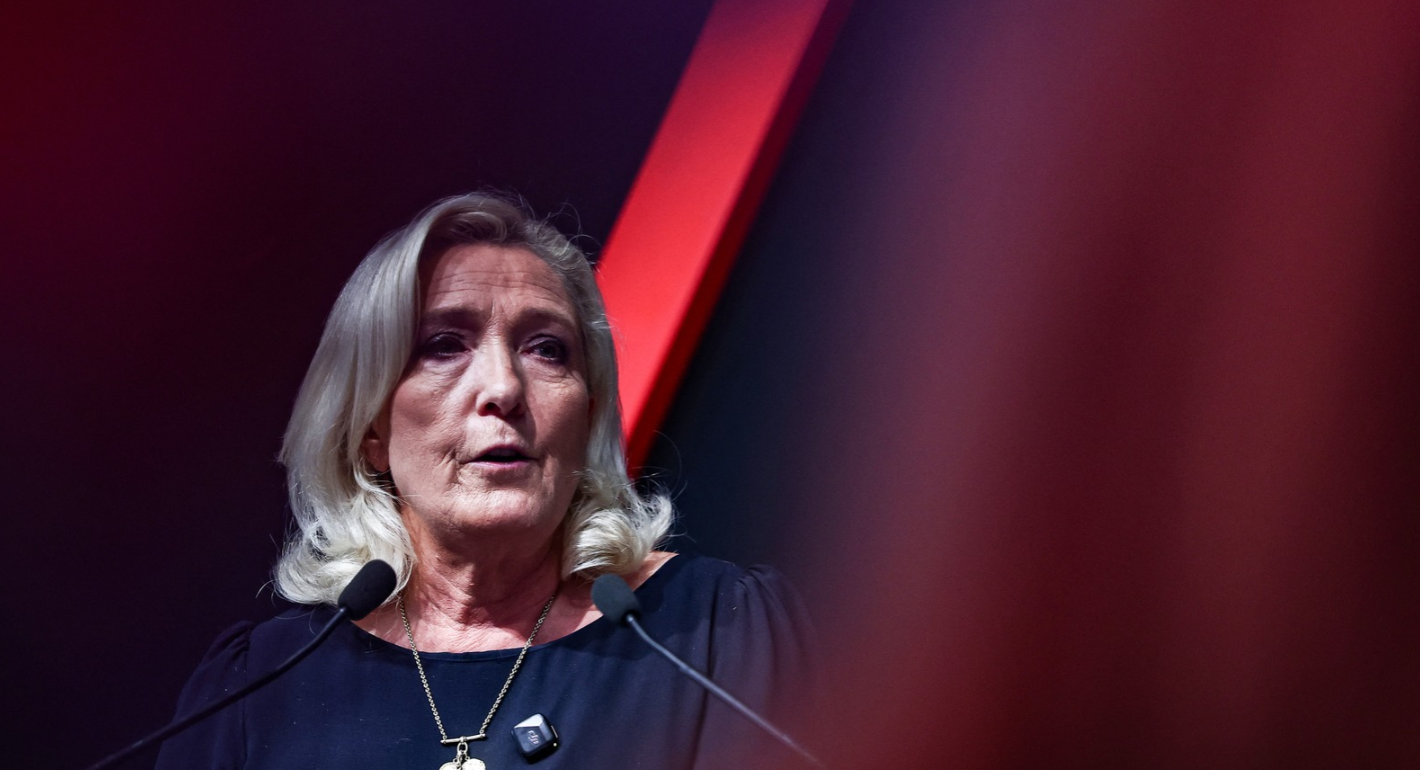
With its public finances in shambles, the far right polling at 35 percent ahead of the 2027 presidential election, and a growing protest movement, is France’s crisis a threat to the EU’s geopolitical awakening?

Rym Momtaz, ed.

Ahead of a tough winter for Ukraine, Donald Trump’s swing back toward Russia bodes ill. But instead of panicking, Kyiv’s European allies are focusing on action.
Rym Momtaz
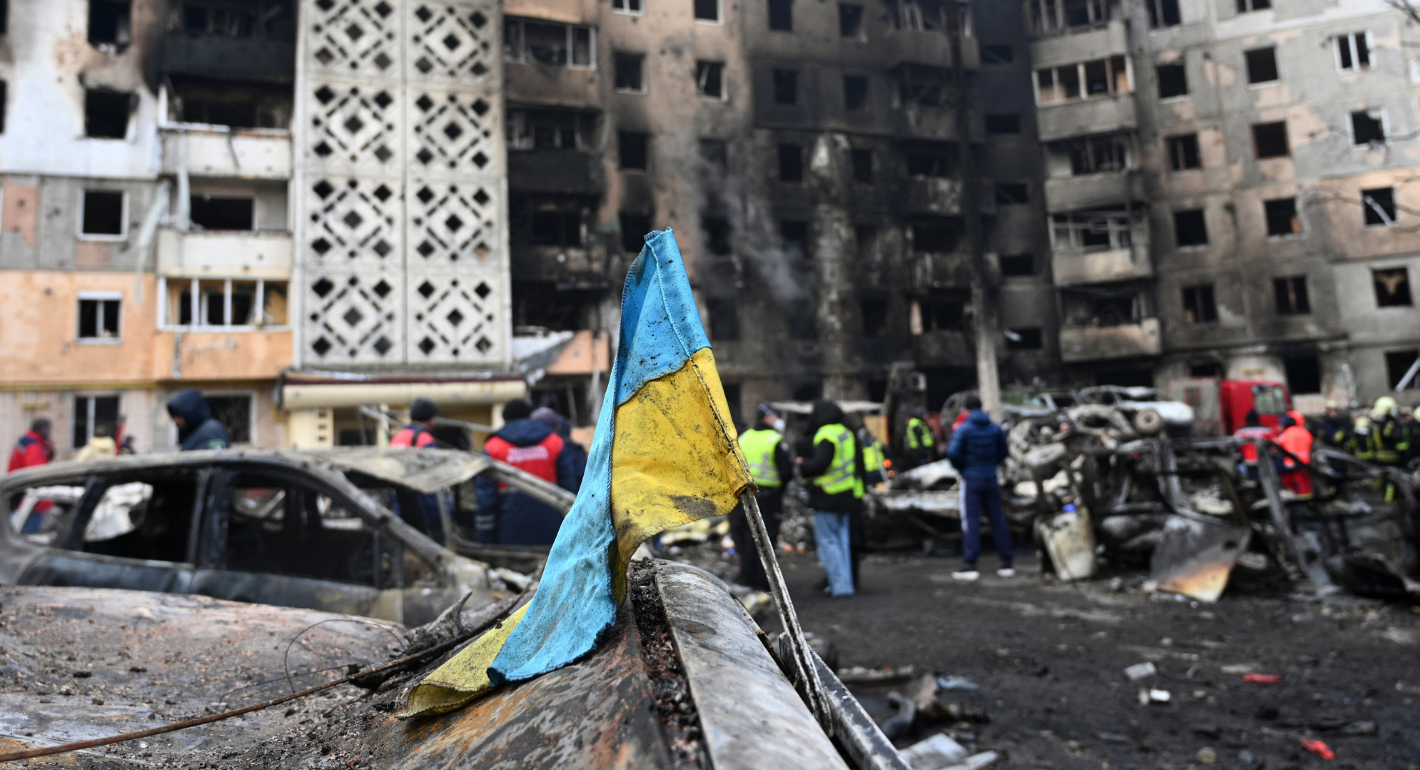
Funding Ukraine remains a priority for European leaders. As Russia’s war of aggression heads into another winter, two feasible options to mobilize support for Kyiv should be fast-tracked.
Vladyslav Rashkovan, Gregory P. Wilson