

Commentary
Michael Pettis
{
  "authors": [
    "Michael Pettis"
  ],
  "type": "legacyinthemedia",
  "centerAffiliationAll": "",
  "centers": [
    "Carnegie Endowment for International Peace",
    "Carnegie Europe",
    "Carnegie China"
  ],
  "collections": [
    "Transatlantic Cooperation"
  ],
  "englishNewsletterAll": "",
  "nonEnglishNewsletterAll": "",
  "primaryCenter": "Carnegie China",
  "programAffiliation": "",
  "programs": [],
  "projects": [],
  "regions": [
    "North America",
    "United States",
    "Western Europe",
    "Europe"
  ],
  "topics": [
    "Economy",
    "Trade"
  ]
}
Source: Getty
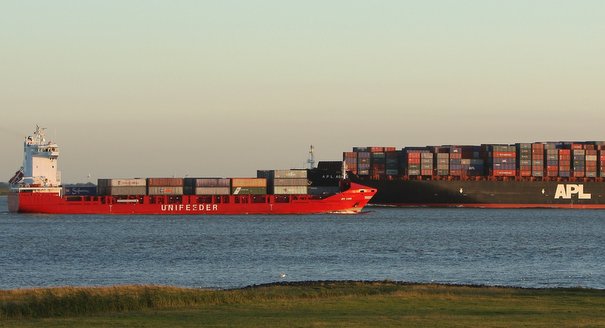
As the financial crisis forces Europe to decrease its trade deficit, major world economies must step in and help the United States absorb the burden of rebalancing global trade in order to prevent the rise of American protectionism.
Source: Financial Times

After jumping to $42bn in May, the US trade deficit rose to $50bn in June, a number not seen since the summer of 2008 and never before mid-2004. As it continues rising there will be renewed criticism about US consumers embarking on another ill-judged buying spree, but this time the finger-waggers will be wrong. The surge in the trade deficit is the automatic consequence of a shift in global trade imbalances.
Five countries or regions have largely driven these imbalances in the past decade. Three of them – China, Germany and Japan – run huge trade surpluses on which they are dependent for domestic employment growth.
Counterbalancing them have been the two trade-deficit champions – the US and trade-deficit Europe, dominated by Spain, Italy and Greece.
The financial crisis has undermined the precarious decade-long equilibrium between these blocs by forcing trade-deficit countries to reduce debt, especially household debt. As they do, the excess demand they provide to the rest of the world must decline. Trade-surplus countries, which depend heavily on this demand to absorb their excess capacity, have resisted this adjustment fiercely by trying to maintain or even increase their surpluses.
They are succeeding. The combination of a collapsing euro and German fiscal constraint will raise Germany’s trade surplus sharply and generate rapid growth. Any rise in the value of the renminbi has been more than offset by a surge in cheap credit to Chinese manufacturers, increasing their competitiveness, so China’s surplus is also rising. Recent strength in the yen has set off alarm bells and Tokyo, too, will do what it can to maintain its trade surplus.
But rising surpluses require rising deficits elsewhere, and here the situation is dire. The crisis has made it all but impossible for most of the trade-deficit countries in Europe to raise new financing – Spain, Italy, Greece and many of the other trade-deficit countries of Europe will see their capital account surpluses contract rapidly. Since current account deficits are the obverse of capital account surpluses, their current account deficits will automatically contract too.
But global trade must balance. The rest of the world will have to absorb, with rising trade deficits, the combination of rising surpluses among surplus champions and declining deficits in trade-deficit Europe. Given its openness and financial flexibility, the US will, in practice, absorb most of the adjustment, its trade deficit rising inexorably – until Congress implements vigorous anti-trade policies. The US lacks the industrial, currency intervention and interest-rate management policies available to the main trade-surplus countries, and so will be forced to use other forms of trade protection – tariffs and import quotas.
This should not be allowed to happen. Instead of supporting policies that shift the adjustment elsewhere, the other main economies must agree to absorb a large share of the European shock. If they do not, they will force the US to retaliate. It is up to the surplus countries to ensure their urgent dependence on foreign demand does not result in a collapse in the willingness of deficit countries to continue providing that demand.
Perhaps it is already too late. Trade-deficit Europe has no choice but to adjust quickly. Opposition from uncomprehending domestic constituencies in the trade-surplus champions will prevent them from taking steps to adjust. Meanwhile, US anger over trade is rising quickly and has made bashing foreigners an easy and obvious vote-getter.
Responsible leaders must nonetheless make every effort to rebalance trade in a less disruptive way. Trying to avoid sharing the cost of the necessary global adjustment is how the major economies reacted in the 1930s, and those policies are widely and correctly referred to as beggar-thy-neighbour. We know how that game ends.

Nonresident Senior Fellow, Carnegie China
Michael Pettis is a nonresident senior fellow at the Carnegie Endowment for International Peace. An expert on China’s economy, Pettis is professor of finance at Peking University’s Guanghua School of Management, where he specializes in Chinese financial markets.
Recent Work
Michael Pettis
Michael Pettis
Carnegie does not take institutional positions on public policy issues; the views represented herein are those of the author(s) and do not necessarily reflect the views of Carnegie, its staff, or its trustees.

Europe has an interest in supporting Armenian leader Nikol Pashinyan as he tries to make peace with neighbors and loosen ties with Russia. But it is depersonalized support in the long term, not quickfire flash, that will win the day.

Thomas de Waal
Following Ursula von der Leyen’s gaffe equating Turkey to Russia and China, relations with Ankara risk deteriorating even further. Without better, more consistent diplomatic messaging, how can the EU pretend to be a geopolitical power?

Sinan Ülgen
Closer EU-UK ties could help address urgent European concerns. But is the EU ready for rapprochement with the United Kingdom?

Rym Momtaz, ed.
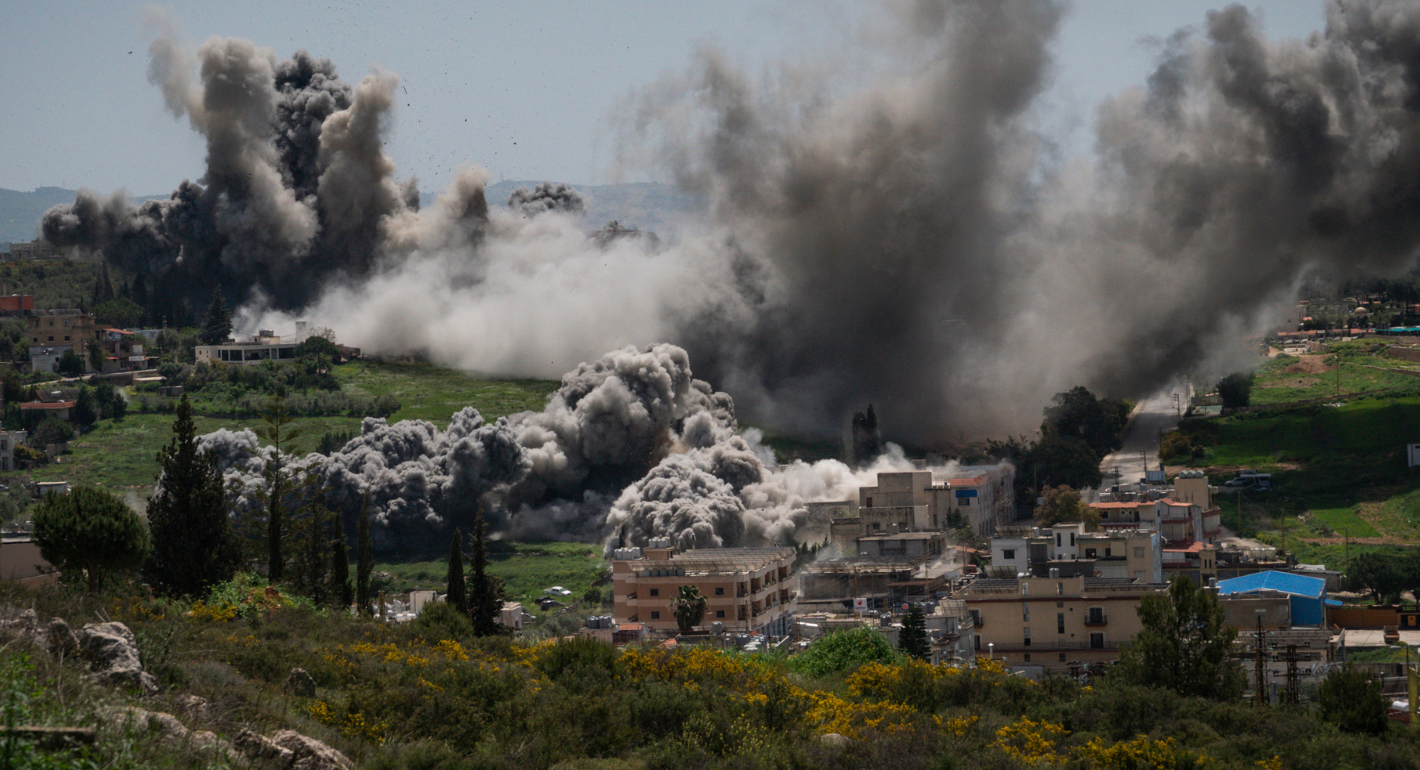
Europe has been standing by while its Southern neighborhood is being redrawn by force. To establish a path to peace between Israel and Lebanon, it’s time for Europeans to get involved with hard power.
Rym Momtaz
In Ukraine, Gaza, and Iran, AI warfare has come to dominate, with barely any oversight or accountability. Europe must lead the charge on the responsible use of new military technologies.

Raluca Csernatoni