

Paper
Sinan Ülgen
{
  "authors": [
    "Sinan Ülgen"
  ],
  "type": "legacyinthemedia",
  "centerAffiliationAll": "",
  "centers": [
    "Carnegie Endowment for International Peace",
    "Carnegie Europe",
    "Malcolm H. Kerr Carnegie Middle East Center"
  ],
  "collections": [
    "Turkey’s Transformation"
  ],
  "englishNewsletterAll": "",
  "nonEnglishNewsletterAll": "",
  "primaryCenter": "Carnegie Europe",
  "programAffiliation": "",
  "programs": [],
  "projects": [],
  "regions": [
    "Middle East",
    "Europe",
    "Türkiye",
    "Levant"
  ],
  "topics": [
    "Political Reform"
  ]
}
Source: Getty
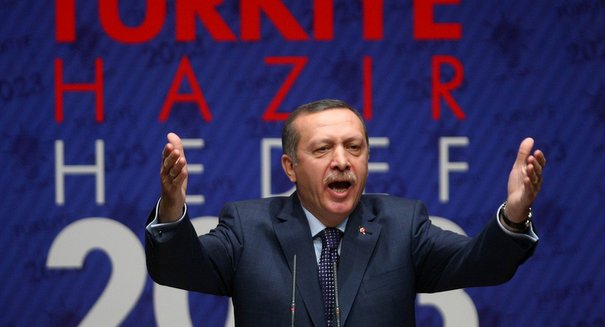
The real uncertainty in Turkey's upcoming elections lies in the margin of victory the ruling Justice and Development Party (AKP) will obtain, which will shape the near-term political climate of the country.
Source: EURACTIV

During the electoral campaign, Erdogan clearly stated his desire to change the Turkish constitution and introduce a U.S. or French style presidential system. That will only be possible if the AKP gets a constitutional majority of two thirds of the seats in the Turkish Parliament. The latest opinion polls tend to suggest that this scenario is unlikely. A fallback position for the Turkish leader would be to win 330 seats, enabling him to have the required constitutional amendment put to a referendum. A few days before the actual vote, this seems to be the ruling party’s main political objective.
What may be good for the AKP, however, may not necessarily be good for Turkish democracy. The experience of the previous constitutional amendments in September 2010 clearly demonstrated that Turkey’s ruling party tends to rely on its own majority rather than seek a consensus to implement even basic changes to the country’s constitutional order. A smaller majority would oblige the AKP to enter into substantive negotiations with the opposition for the desired changes and by the same token help to decrease the polarization of the country. It would also allay fears about the increasingly authoritarian tendencies of Turkey’s Prime Minister.
In fact, the most interesting aspect of this electoral cycle has been the transformation of the political opposition. In past years, the main opposition Republican People's Party (CHP) relied heavily on support from within the army and the Turkish judiciary to attempt to counter the influence of the AKP. The CHP’s main message to the Turkish electorate was about the safeguarding of Republican values and in particular secularism. As a result, the CHP was only able to consolidate its support among the hard core Kemalists. However, it failed to provide hope to and, therefore, to gain the support of, a large part of the aspirational society that Turkey has now become. This structural deficiency disabled the CHP from ever becoming a credible alternative to the ruling AKP. In short, Turkish democracy suffered from this lack of a close and imminent threat to the AKP’s rule.
With Kemal Kilicdaroglu as its new leader, the CHP is in the process of a major shift. The political rhetoric has become more liberal, less nationalistic and more in tune with the values of social democracy. This transformation will be consolidated if the CHP ends up increasing its share of the popular vote from the 22% it received in the elections in 2007.
Such a recalibration of the political scene in Turkey would fundamentally alter domestic dynamics. The country suffered from a loss of momentum in democratic reforms as well as a rising disinterest in Europe. This was as much due to the shifting priorities of the ruling party as the total inability of the political opposition to pressure the government on its failure to deliver on these critical issues.
After the elections however, a real prospect of collaboration between the ruling AKP and the opposition CHP for overhauling Turkey’s constitution, improving fundamental freedoms and the rights of minorities and rejuvenating the European dream will emerge.
Such a change in the political constellation would also provide an invaluable window of opportunity for the EU to re-engage Turkey and its main political actors so as to redress the erosion of interest in EU accession that is currently dooming membership negotiations to failure.

Senior Fellow, Carnegie Europe
Sinan Ülgen is a senior fellow at Carnegie Europe in Brussels, where his research focuses on Turkish foreign policy, transatlantic relations, international trade, economic security, and digital policy.
Recent Work
Sinan Ülgen
Carnegie does not take institutional positions on public policy issues; the views represented herein are those of the author(s) and do not necessarily reflect the views of Carnegie, its staff, or its trustees.
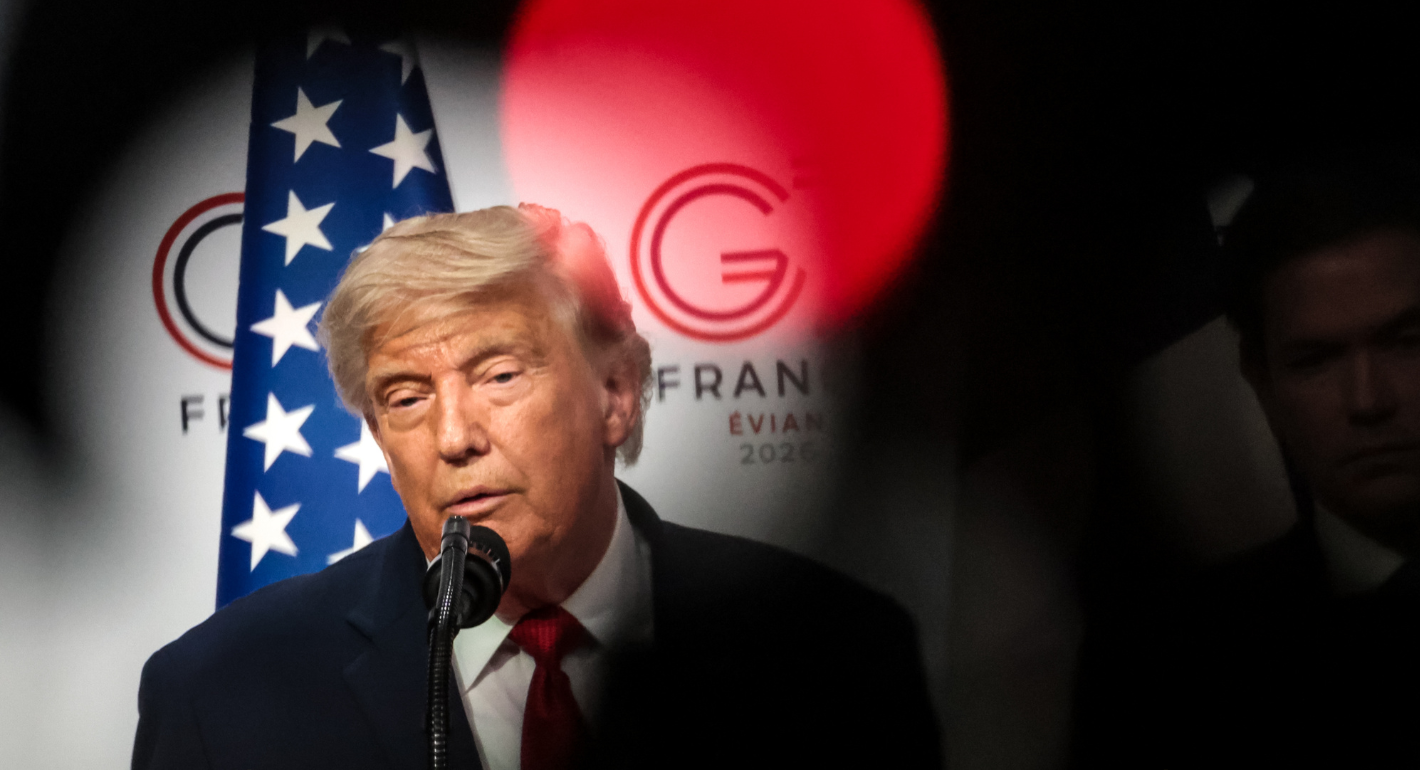
There is an elephant in the room when it comes to the EU’s upcoming security strategy: Donald Trump. Unless European leaders acknowledge the depth of the transatlantic crisis, true autonomy will remain out of reach.

Stefan Lehne
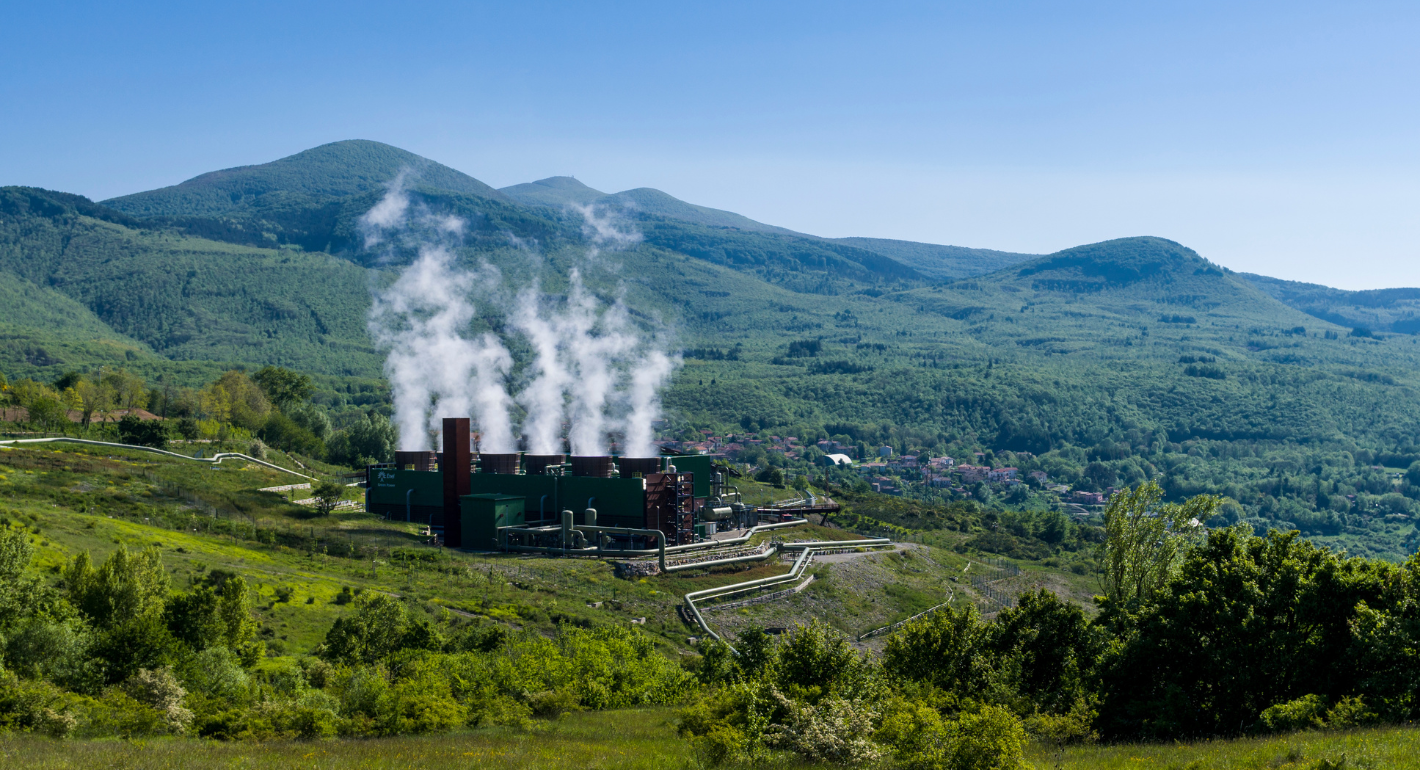
Europe’s industrial supply chains leave it vulnerable to global shocks. The EU needs a pragmatic green industrial strategy that balances durable partnerships and bolsters homegrown clean tech without sacrificing low-carbon ambition.


Milo McBride, Pauline Gerard
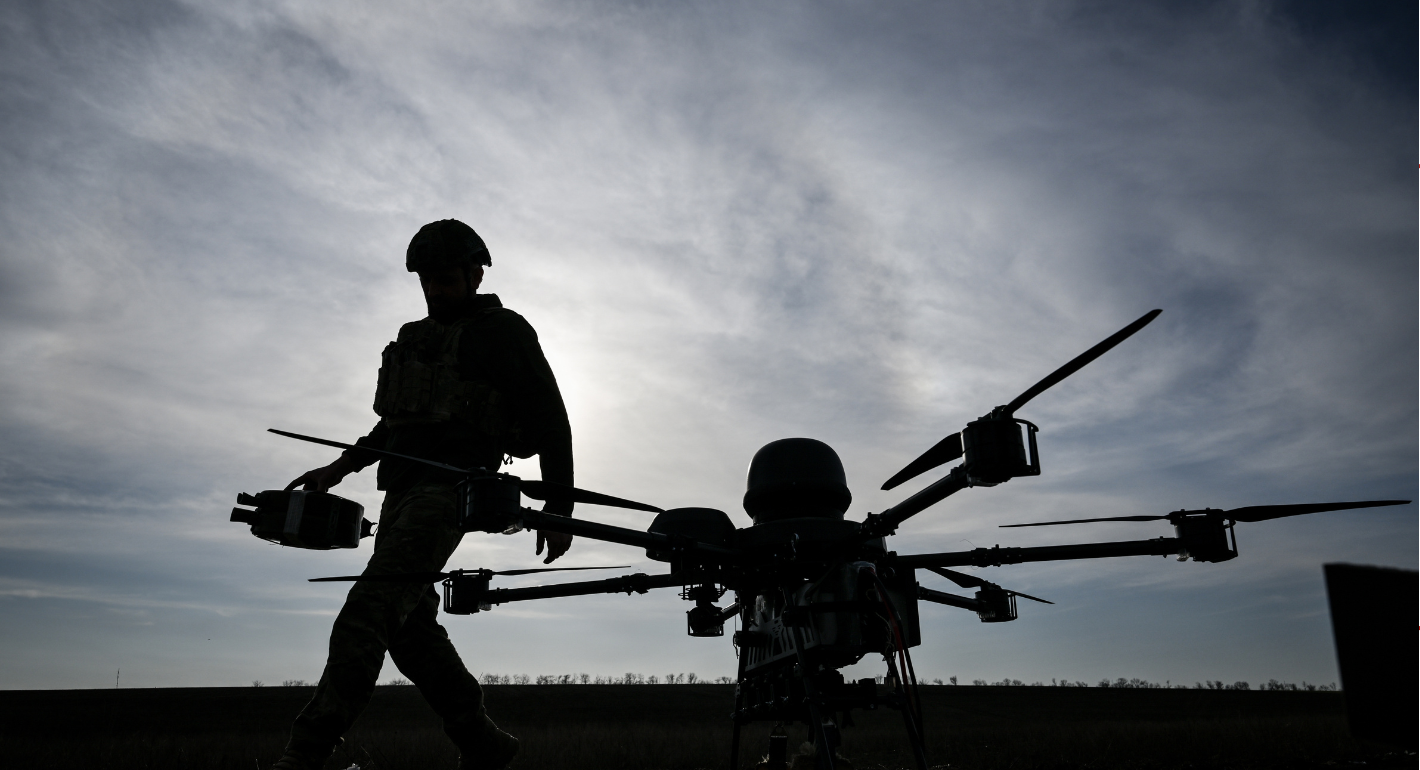
Defense tech innovations will be at the heart of Europe’s new security strategy. But so far, Brussels has been making moves without a broader plan, undermining readiness and credibility.

Raluca Csernatoni

When the U.S.-Iran memorandum of understanding was announced, the UK, France, Germany, and Italy declared their readiness to help demine the Strait of Hormuz and lift nuclear sanctions on Tehran. But does Europe need new tools to recover a diplomatic role?

Rym Momtaz, ed.
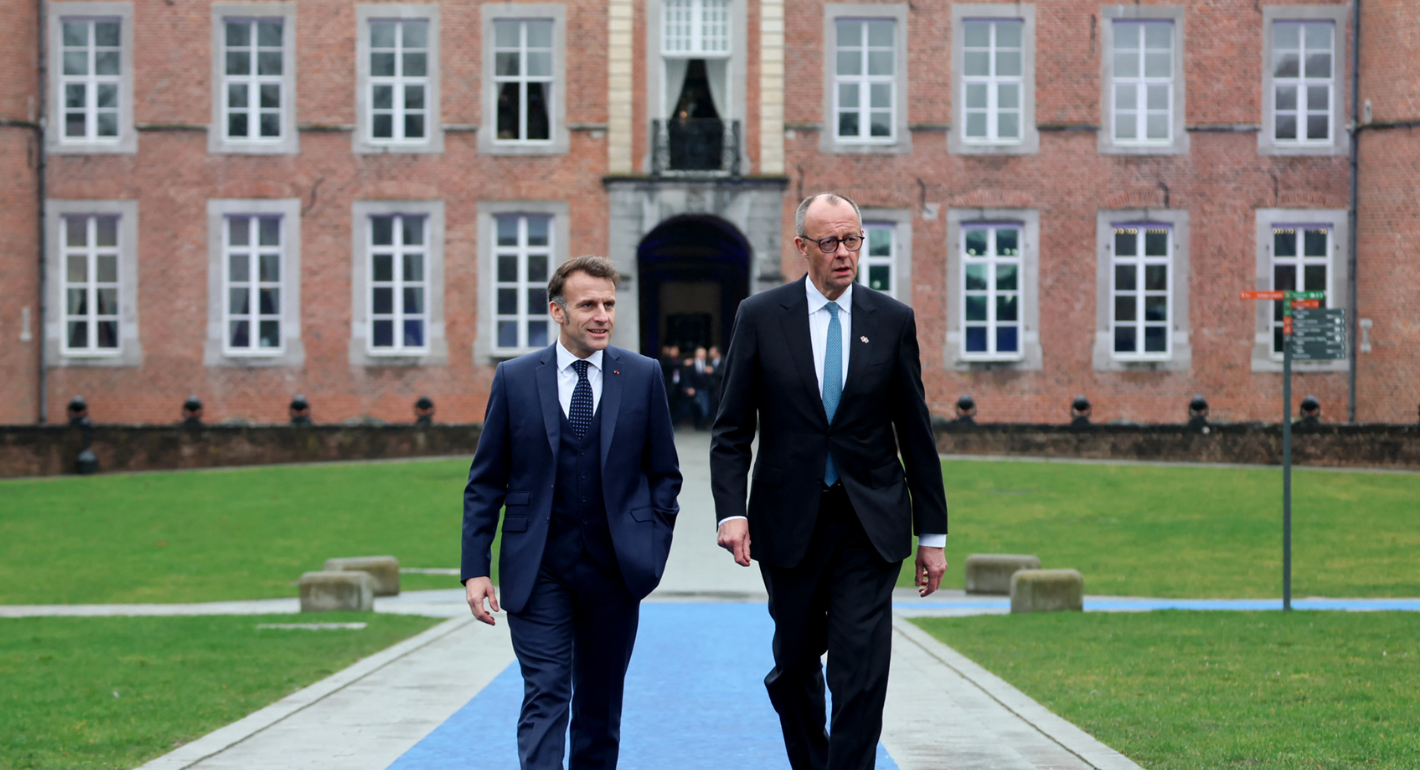
The Franco-German relationship is on the rocks again. But unlike previous moments of tension, the epochal changes on the world stage require that both step up investment in their bilateral ties.
Rym Momtaz