

Commentary
A prophetic Romanian novel about a town at the mouth of the Danube carries a warning: Europe decays when it stops looking outward. In a world of increasing insularity, the EU should heed its warning.
Thomas de Waal
{
  "authors": [
    "Dalia Ghanem"
  ],
  "type": "legacyinthemedia",
  "centerAffiliationAll": "dc",
  "centers": [
    "Carnegie Endowment for International Peace",
    "Malcolm H. Kerr Carnegie Middle East Center"
  ],
  "collections": [],
  "englishNewsletterAll": "menaTransitions",
  "nonEnglishNewsletterAll": "",
  "primaryCenter": "Malcolm H. Kerr Carnegie Middle East Center",
  "programAffiliation": "MEP",
  "programs": [
    "Middle East"
  ],
  "projects": [],
  "regions": [
    "Western Europe",
    "France"
  ],
  "topics": [
    "Political Reform",
    "Security"
  ]
}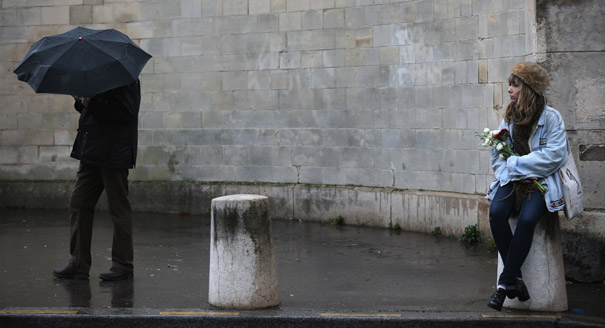
Source: Getty
Conspiracy theories about the Charlie Hebdo attacks have come to the fore in France, blaming the secret service, Mossad, and the United States.
Source: openDemocracy
Following the Charlie Hebdo attacks that took place in Paris on 7 January, conspiracy theories flooded French social media. While such theories are not new to France, this latest one became so prominent that Najat Vallaud Belkacem, French Minister of Education, expressed her alarm, stating that as many as “one in five youths adheres to the conspiracy theory.”
Shortly after the attack, hashtags such as #TheorieDuComplot, #GuerreMondiale, and #Manipulation appeared on Twitter. Online comments quickly erupted. At 1:01 P.M., @Abou_djaafar tweeted: “The Indre attacks, September 11, Mohamed Merah, Charlie Hebdo...All conspiracies and schemes targeting Islam. Beware of the media.”
His post was retweeted no less than 118 times. @Fallen Angel asked: “A quietly planned military attack, but drops his ID card? Like the titanium that melted in the 9/11 attacks but not the passports?” @Malcolm X remarked: “If it's not a hoax, what is it then? Only in France, can people be fooled like this.”This conspiracy theory has three components: The first component rests on the idea that the French secret service organized the attack to divide the French population and create an atmosphere of (civil) war.
The second component is about the demonization of Islam and the clash of civilizations; with the help of the French secret services and the Israeli Mossad, liberal hawks and American neoconservatives in Washington organized the attack in order to trigger a third world war against Islam and Muslims.
The third component has the Mossad, under orders from Benjamin Netanyahu, organizing the attacks to scare France’s Jewish community into returning to Israel. This way—the theory claims—Netanyahu can also justify his policies vis-à-vis the Palestinians.
The severity of the attack, the ways in which the victims were murdered, the tardy intervention of the security forces, the slowness of the manhunt (three days of flight), the errors made by the assailants, as well as the conditions in which they were killed, have all been cited as evidence of the conspiracy.
Certain ambiguous details of the attack lent themselves to the creation of the theory, and fueled its quick propagation, from Twitter to Facebook, YouTube and other websites (alterinfo.net, egaliteetreconciliation.fr). The conspiracy theory spread like wildfire across the web, and its credibility increased the more it was mentioned by the media.
For some, it became the truth when it was given credence by such politicians as Jean Marie Le Pen (honorary president of the right-wing Front National party), Melih Gokcek, Mayor of Ankara, and Jack Linblad, a Green Party member of the LA County Council.
Internet users and self-proclaimed experts like Thierry Meyssan, Leonid Ivashov, and Alain Sorel offered a plethora of evidence, which provided a perfect explanatory system in support of the theory, as conspiracy theories tend to have a strong structuring effect on perceptions.
Rumours crystalize into belief because they provide a coherent narrative to a large number of scattered facts. Rumours and theories allow the creation of meaning and clarity in a complex world. They are an alternative truth.
Although conspiracy theories relay false stories, they usually highlight a very real problem. In this case the Charlie Hebdo conspiracy theory—with its three components—reveals some people’s fear and lack of confidence in their leaders.
This conspiracy theory not only identifies the politicians, police and secret service as the troublemakers, but also suggests their agenda is the stigmatization of Islam, the instigation of a civil war in France and/or a world war for the dominance of the West, and the “remodelling” of the Middle East.
The security forces and intelligence services have the right qualities to make good scapegoats. They are ubiquitous yet invisible institutions, undeniable yet impenetrable parts of society; they are obscure and occult forces. The intelligence services are an empire of the shadows whose cruelty is gratuitous and above all unpredictable.
Unable to rationalize the violence that befalls them, conspiracy theorists cast their pain into a dark zone that nevertheless provides them with clarity. This zone is at the root of rumors about the intelligence services. For adherents to the Charlie Hebdo conspiracy, their convictions remain unchanged.
They have long believed that “the French State, the CIA and the Zionist lobby were capable of the worst to get their way against Muslims;” now, they know it, it is confirmed. If anything, conspiracy theorists grow more convinced every day as new evidence surfaces, justifying their entrenched beliefs, and awakening their dormant frustration vis-à-vis the state.
Conspiracy theories can also be seen as a means of externalising and exorcising fears and doubts. Adherents to the Charlie Hebdo conspiracy can thus verbalise and express their concerns, fears, and anxieties about violence and death, as well as the insecurity that they are not accustomed to. Theories offer an escape that appeases personal anguish. Through their words and rationales, conspiracy theorists blow off steam, and get rid of their anxiety—and the perception of danger is subjectively reduced
In a society of anomie, deconstructed by religious, ideological and social fractures, the Charlie Hebdo conspiracy creates cohesion. Exchanging rumors becomes a mechanism for sociability and complicity among theorists. Theories are therefore indicators of “community” since they express the opinions of the group with which they identify. By participating in the rumour, the individual participates in the group and defines its reality.
The danger with these rumours is that they exacerbate fears and establish communities of fear that are federated under the same anxiety and the same dislike of the “other.”
Carnegie does not take institutional positions on public policy issues; the views represented herein are those of the author(s) and do not necessarily reflect the views of Carnegie, its staff, or its trustees.
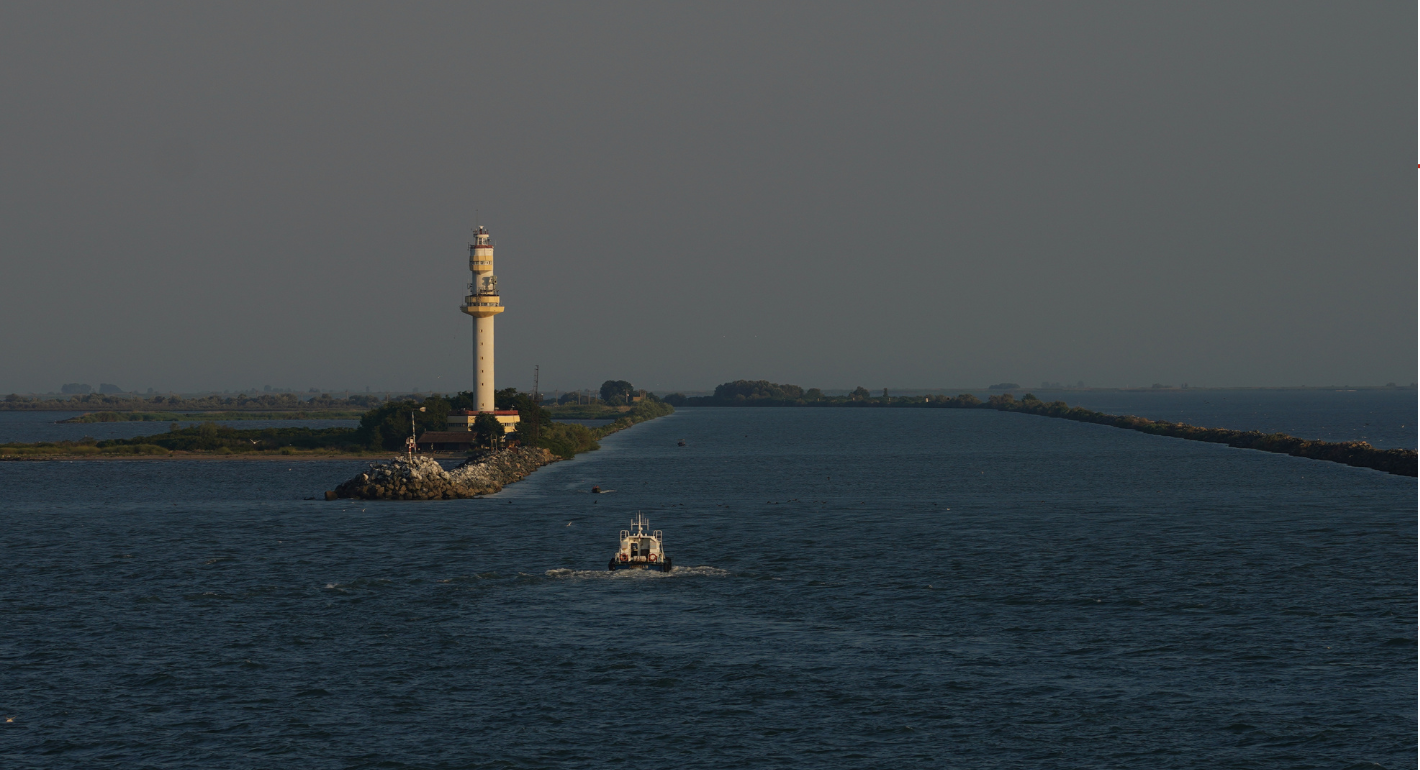
A prophetic Romanian novel about a town at the mouth of the Danube carries a warning: Europe decays when it stops looking outward. In a world of increasing insularity, the EU should heed its warning.
Thomas de Waal
Carnegie scholars examine the crucial elements of a document that’s radically different than its predecessors.
James M. Acton, Saskia Brechenmacher, Cecily Brewer, …
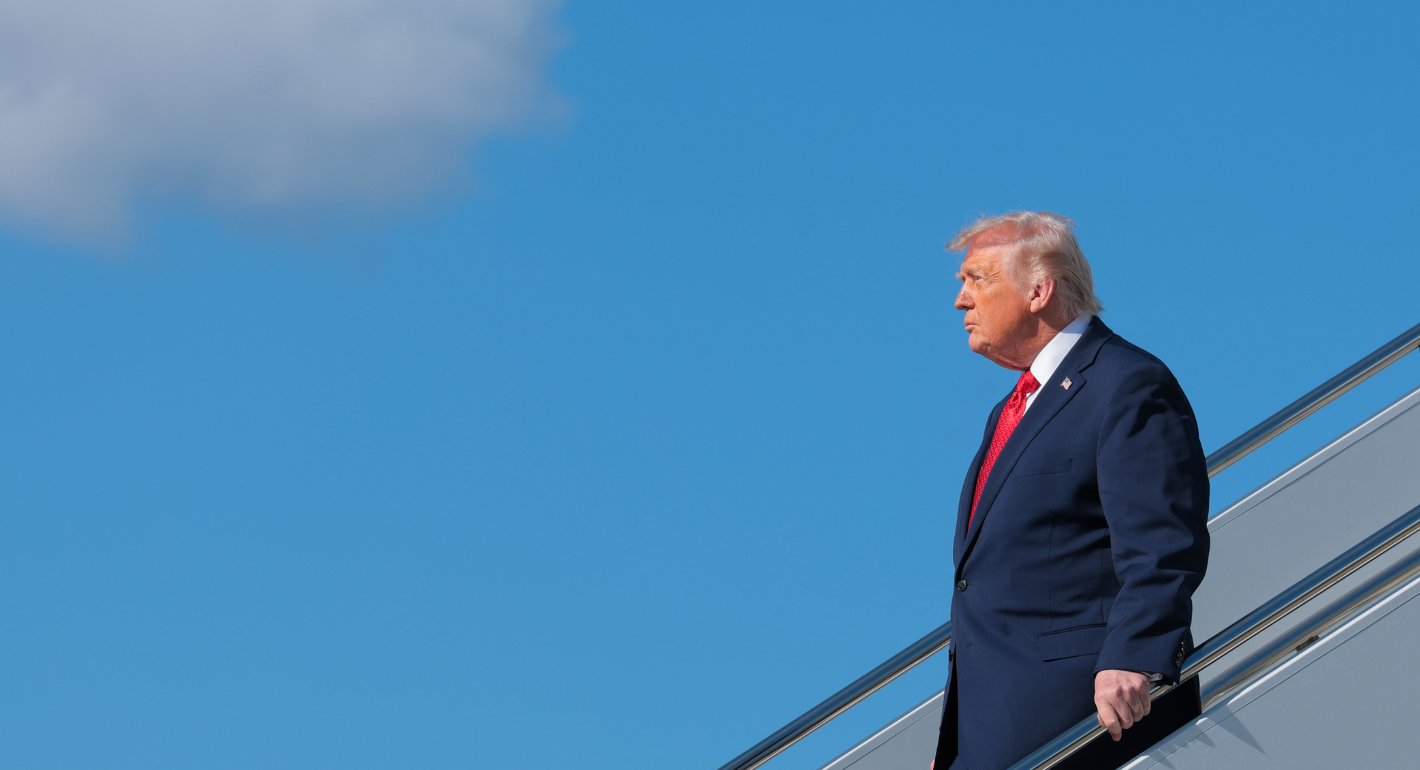
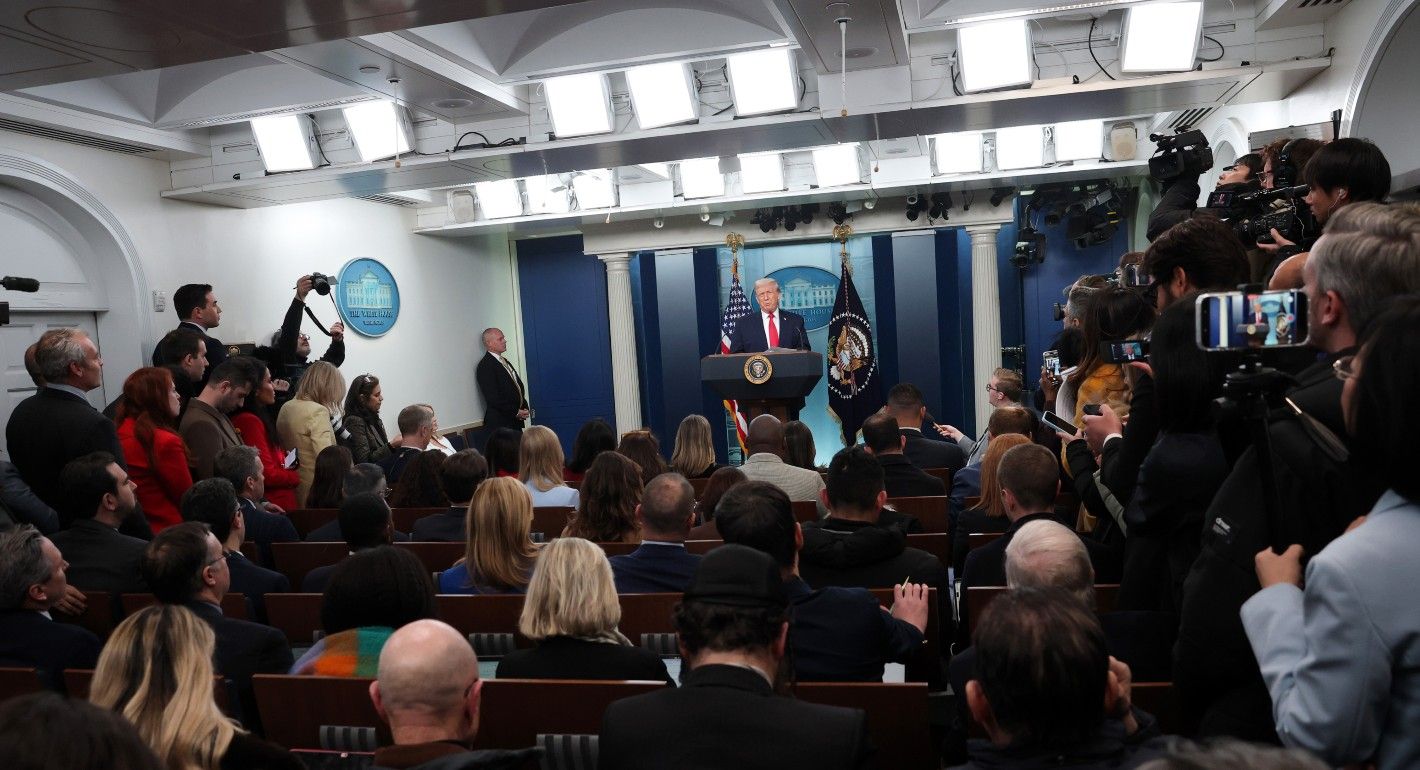
The hyper-personalized new version of global sphere-of-influence politics that Donald Trump wants will fail, as it did for Russia. In the meantime, Europe must still deal with a disruptive former ally determined to break the rules.
Thomas de Waal
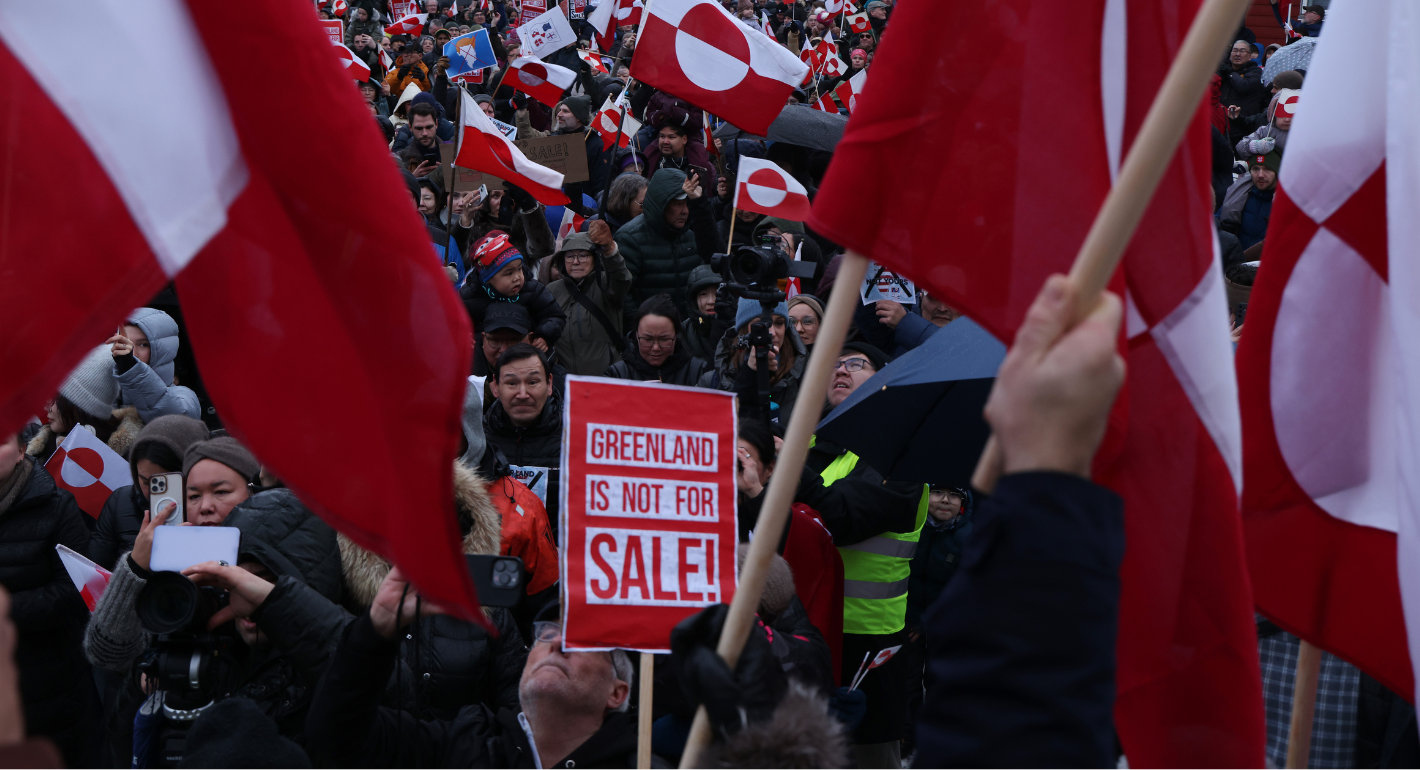
Between Greenland and U.S. interference in Europe’s democracies, transatlantic relations risk rising to an unprecedented level of crisis. Amid continued arguments on how Brussels should react, tough times lie ahead for European leaders.
Marc Pierini
2026 has started in crisis, as the actions of unpredictable leaders shape an increasingly volatile global environment. To shift from crisis response to strategic foresight, what under-the-radar issues should the EU prepare for in the coming year?
Thomas de Waal