

Paper
Renad Mansour, Faleh A. Jabar
{
  "authors": [
    "Renad Mansour"
  ],
  "type": "legacyinthemedia",
  "centerAffiliationAll": "dc",
  "centers": [
    "Carnegie Endowment for International Peace",
    "Malcolm H. Kerr Carnegie Middle East Center"
  ],
  "collections": [],
  "englishNewsletterAll": "menaTransitions",
  "nonEnglishNewsletterAll": "",
  "primaryCenter": "Malcolm H. Kerr Carnegie Middle East Center",
  "programAffiliation": "MEP",
  "programs": [
    "Middle East"
  ],
  "projects": [],
  "regions": [
    "Iran",
    "Middle East"
  ],
  "topics": [
    "Political Reform",
    "Economy",
    "Security",
    "Foreign Policy"
  ]
}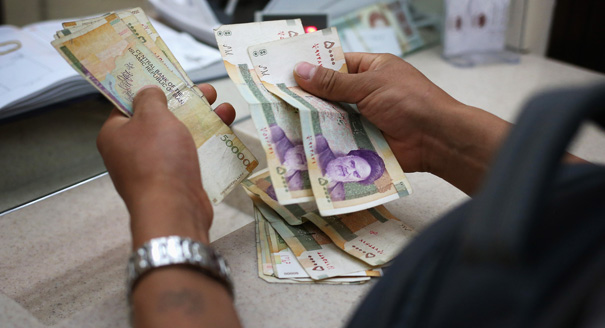
Source: Getty
Iran appears to be increasing its military presence in the Middle East, raising a lot of questions about just what its ambitions are.
Source: Al Jazeera Counting the Cost
Kamahl Santamaria: We’re looking at Iran this week, but nothing to do with its nuclear program or the ongoing nuclear talks in Switzerland. Instead, our buzzword is “influence.” Because it would appear Iran is increasing its military presence in the Middle East, raising a lot of questions about just what its ambitions are. So we thought we’d have a look at what Iran is actually capable of deploying, even as it deals with economic sanctions.
Renad Mansour joins us via Skype from Cambridge in the United Kingdom. He’s a scholar at the Carnegie Middle East Center and joins to talk about what Iran is up to.
This interview was originally broadcast by Al Jazeera Counting the Cost.
Former El-Erian Fellow, Middle East Center
Mansour was an El-Erian fellow at the Carnegie Middle East Center, where his research focused on Iraq, Iran, and Kurdish affairs.
Recent Work
Renad Mansour, Faleh A. Jabar
Renad Mansour
Carnegie does not take institutional positions on public policy issues; the views represented herein are those of the author(s) and do not necessarily reflect the views of Carnegie, its staff, or its trustees.
Russia’s maximalist demands are preventing any serious attempt at ending the war in Ukraine. To make peace a realistic prospect, Putin must recognize that diplomacy is a two-way street.
Kadri Liik
Too many national interests, too many EU institutions, and too little political will are preventing Europe from acting in its own best interests.
Judy Dempsey
As the nuclear order rapidly evolves, what can Europeans and other key players do to strengthen deterrence and reduce risks?
Jamie Kwong, ed.
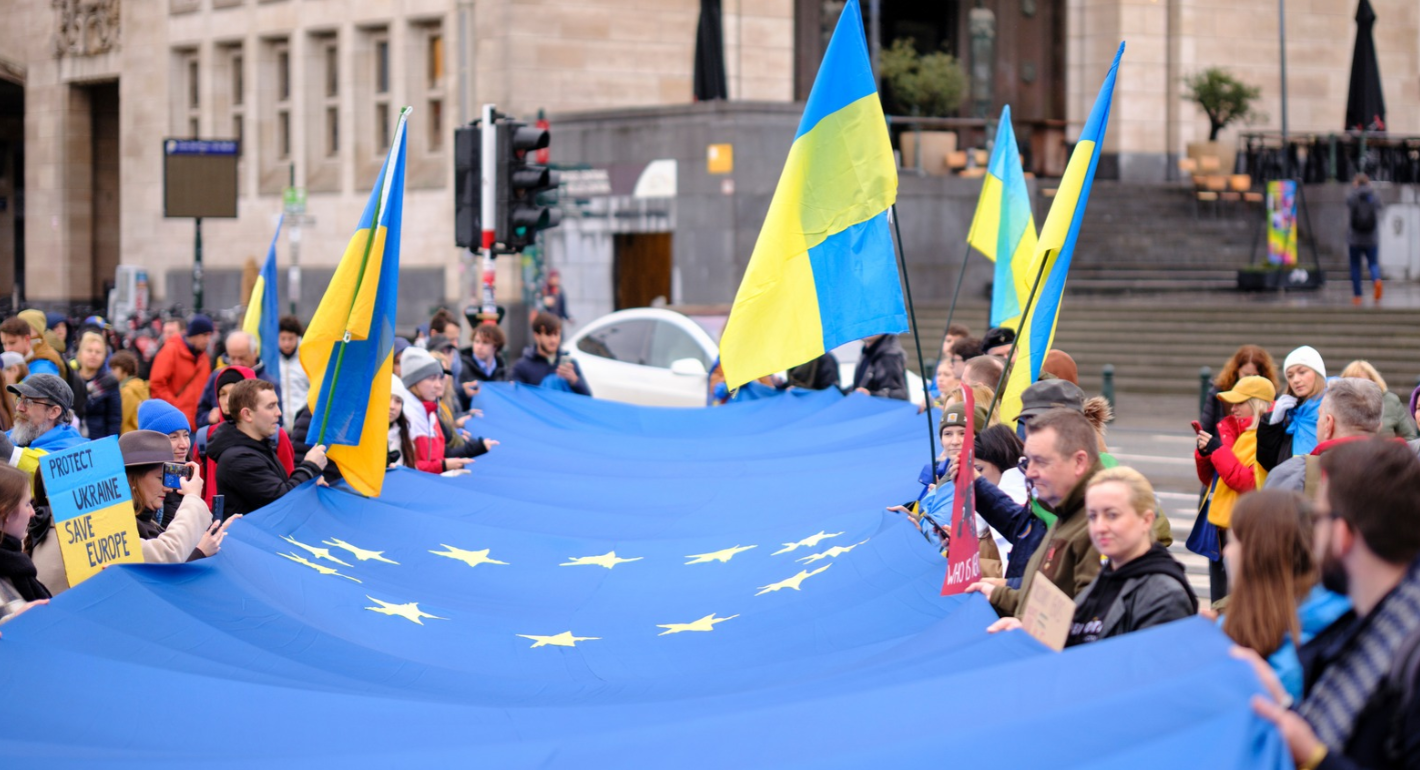
A sizeable funding shortfall looks increasingly likely to hit Ukraine in 2027. Can the Europeans, with their strained budgets and economies, come up with the cash without seizing frozen Russian assets?

Rym Momtaz, ed.
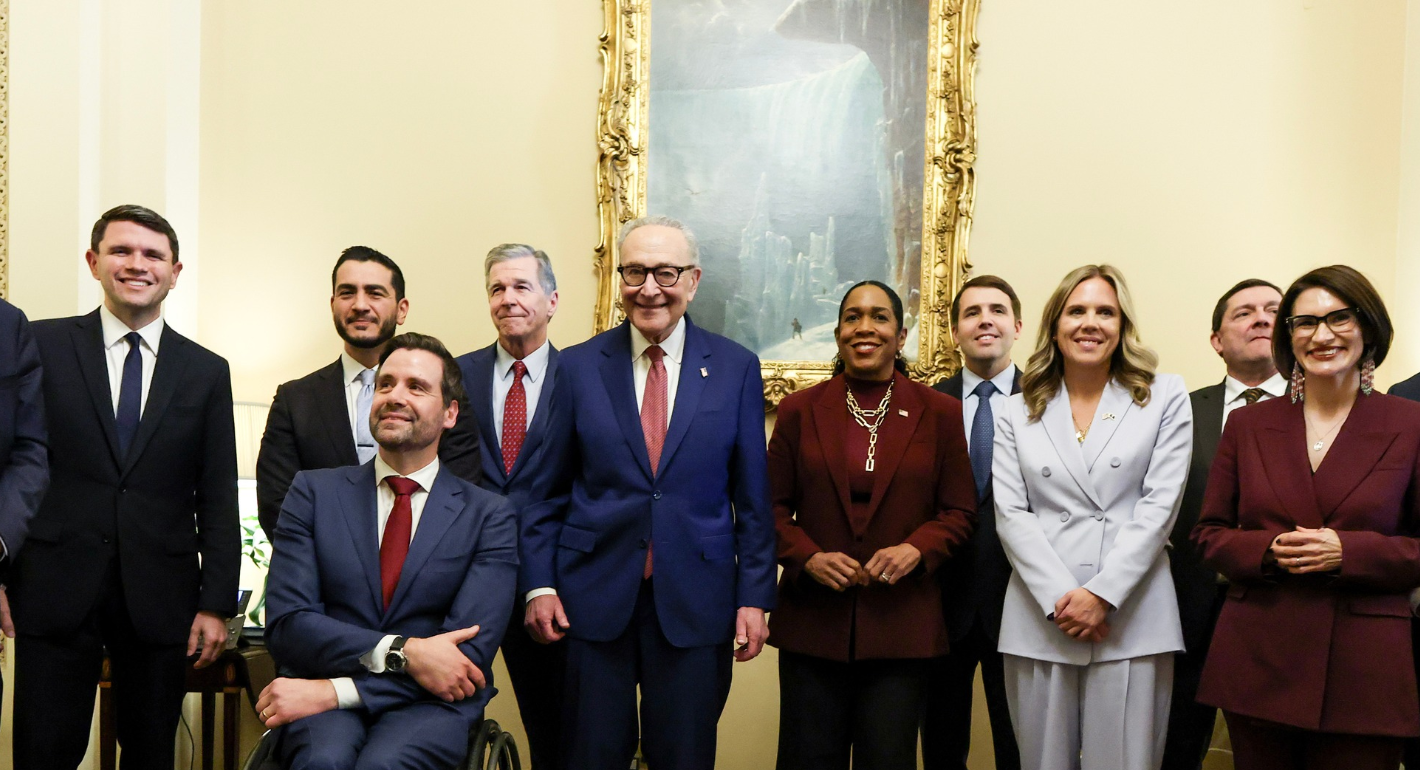
A blue wave has swept over the U.S. midterms, with Democrats regaining control of both houses of Congress. But Europeans hoping for a return to business as usual should think again.
Rym Momtaz