

Commentary
Richard Youngs
{
  "authors": [
    "Richard Youngs"
  ],
  "type": "other",
  "centerAffiliationAll": "dc",
  "centers": [
    "Carnegie Endowment for International Peace",
    "Carnegie Europe"
  ],
  "collections": [],
  "englishNewsletterAll": "ctw",
  "nonEnglishNewsletterAll": "",
  "primaryCenter": "Carnegie Europe",
  "programAffiliation": "EP",
  "programs": [
    "Europe"
  ],
  "projects": [
    "Reshaping European Democracy"
  ],
  "regions": [
    "Europe",
    "Eastern Europe",
    "Western Europe",
    "Iran"
  ],
  "topics": [
    "EU",
    "Democracy",
    "Political Reform"
  ]
}
Source: Getty
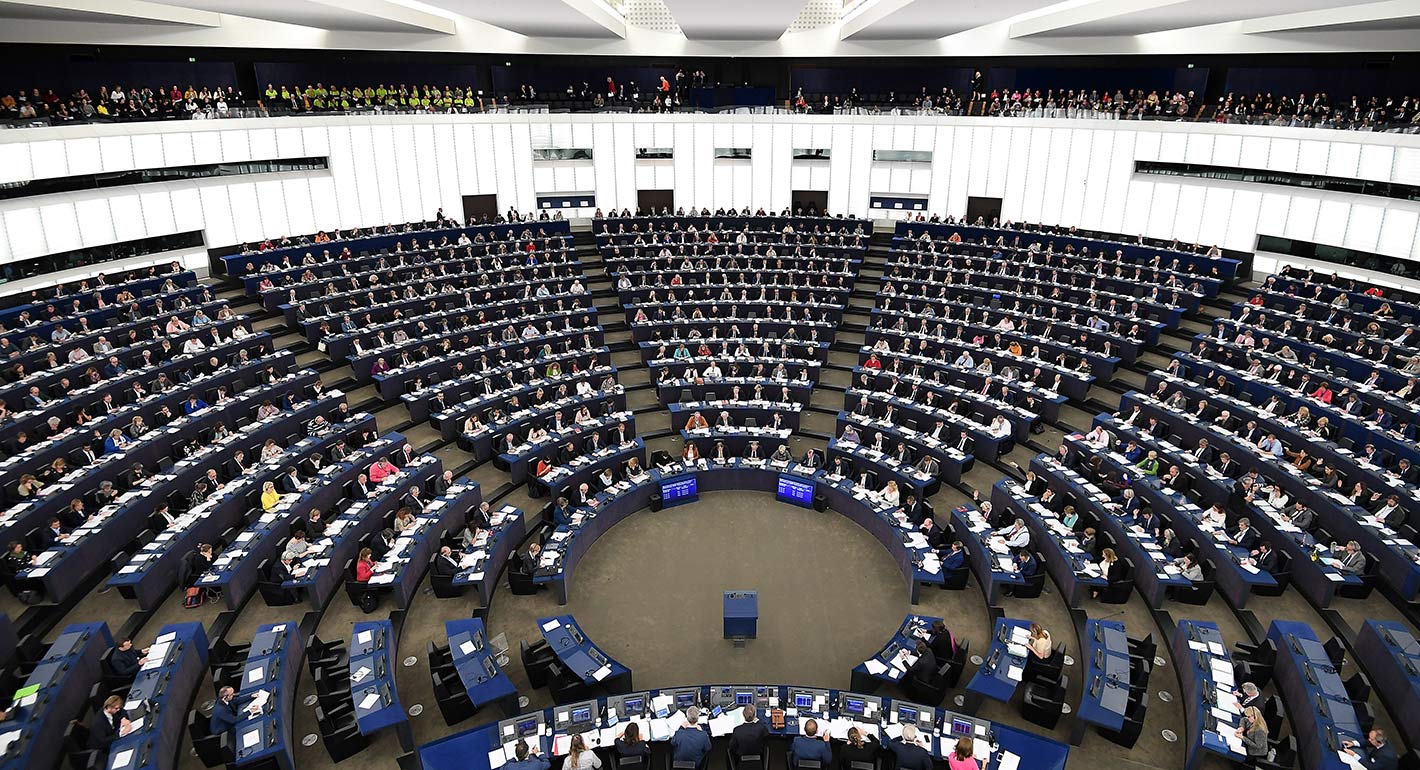
As the dust settles from the European elections, it is important to stand back from immediate political battles and assess the longer-term implications for European democracy.
Source: CENTRE FOR EUROPEAN POLICY STUDIES
As the dust settles from last month’s European elections and the new Parliament begins its work, it is important to stand back from immediate political battles and assess the longer-term implications for European democracy.
The main election outcomes have now been comprehensively assessed. The EPP and S&D lost seats to far-rights populists, the Liberals and the Greens. For the first time, the two biggest party blocs will not together command a majority. Rightist populist parties made gains overall, but not as much as many feared. Turnout increased to 50.5%, the highest since 1994.
With very different directions of change across different European countries, the results do not lend themselves to any single reading and were not entirely decisive. In some countries the farright gained, in others it lost ground. In some the left rose, in others it fell. In some the mainstream parties collapsed, while in others they retained their predominance. For some observers, the headline is that far-right populists made gains; for others, it is the apparent cresting of the populist wave.
Naturally, most commentary has focused on who is up and who is down; on the shifting balances between and within party blocs; and especially on what the results mean for the divvying up of EU leadership posts. But what do the elections mean in a deeper sense for the quality of European democracy? What do the changes they usher in mean for democracy in a more structural sense?
This is ultimately a more important question than immediate shifts in parliamentary arithmetic or who gets which top job – yet it is, of course, not an issue that lends itself to much media attention. Indeed, the question of the new Parliament’s democratic impact is complex and difficult to determine. It could be either negative or positive – and either significant or negligible. The overall impact on democratic quality is likely to be conditional. That is, it will depend on how a number of factors evolve over time.
This policy contribution is published by the Centre for European Policy Studies as part of the Towards a Citizens’ Union project of the European Policy Institutes Network (EPIN), co-funded by the Erasmus+ Programme of the European Union.
This article is also part of the Reshaping European Democracy project, an initiative of Carnegie’s Democracy, Conflict, and Governance Program and Carnegie Europe.

Senior Fellow, Democracy, Conflict, and Governance Program
Richard Youngs is a senior fellow in the Democracy, Conflict, and Governance Program, based at Carnegie Europe. He works on EU foreign policy and on issues of international democracy.
Recent Work
Richard Youngs


Richard Youngs, Erik Jones, Dan Baer, …
Carnegie does not take institutional positions on public policy issues; the views represented herein are those of the author(s) and do not necessarily reflect the views of Carnegie, its staff, or its trustees.

Are Germany’s economic, industrial, and political struggles becoming a liability for the EU’s ability to rise to the geopolitical moment?

Rym Momtaz, ed.

European Commission President Ursula von der Leyen is about to give her annual address on the state of the EU. Here’s what she won’t—but should—say.
Rym Momtaz

Radical-right parties are expected to do well in upcoming elections in four of the EU's biggest member states. If successful, they could prevent the union from addressing key challenges ahead.

Stefan Lehne

The aftermath of the Ceuta crisis shows Europe has drawn the wrong lessons. Rather than doubling down on failed migration policies, the EU needs to address the underlying roots of such episodes.
Richard Youngs

An overwhelming victory by a far-right-wing party in a small state in eastern Germany will have major repercussions for Chancellor Friedrich Merz’s coalition.

Judy Dempsey