

Report
- +2
George Perkovich, Jessica Tuchman Mathews, Joseph Cirincione, …
Source: Getty
Administration officials have settled on a standard answer to questions about their pre-war claims of chemical, biological and nuclear weapons in Iraq: “much of the intelligence turned out to be wrong.” This explanation ignores the central role senior officials had in creating, shaping and selecting the intelligence.

For example, on the eve of war the president said
The intelligence agencies, however, never said the Iraqi regime had trained and harbored al Qaeda, and explicitly said it was unlikely that Saddam would transfer weapons to terrorists. The training claim came from a man tortured in
Nor did the agencies say
Similarly on December 18, Tim Russert on Meet the Press asked Secretary Rice “Do you have any regrets that you may have misled the American people by talking about aluminum tubes that could have been used for nuclear development, which our own State Department and the Department of Energy said was not the case or talking about a mushroom cloud when, in fact, there is no evidence that Saddam had a nuclear program underway?”
Secretary Rice replied:” Tim, we talked about the uncertainties associated with nuclear weapons programs, and I believe that we gave the American people, at the time, our best estimate -- and, by the way, the best estimate of the intelligence community -- of what his activity started.”
This is not correct. In September 2002 Dr. Rice said that
Secretary Rice told Tim Russert: “You know what you know at the time, and the president, at the time, was relying on the best intelligence that we and others had.” But the Times concluded, “Senior administration officials repeatedly failed to fully disclose the contrary views of America's leading nuclear scientists…They sometimes overstated even the most dire intelligence assessments of the tubes, yet minimized or rejected the strong doubts of their own experts. They worried privately that the nuclear case was weak, but expressed sober certitude in public.”
The evidence that the tubes were most likely for artillery rockets was also in the public domain. An October 2002 report by the Institute for Science and International Security thorough examined the issue and noted: “
IAEA Director Mohamed ElBaradei also reported to the UN Security Council in January and March 2003 that the tubes were not suitable for centrifuge use. He definitively countered other claims, noting that there was no evidence that
In short, before the war began there was ample evidence available publicly, privately, domestically and internationally that the specific claims of US officials were wrong. This is clearly a problem that went far beyond faulty intelligence reports.
Intelligence on Iraq Page, Carnegie's Proliferation News and Resources Website
Updated Tables on Iraq's , Nuclear, Biological, Chemical, and Missile Programs, Deadly Arsenals: Nuclear, Biological, and Chemical Threats, Carnegie Endowment, July 2005
"Two Terrifying Reports: The US Senate and the 9/11 Commission on Intelligence Failures Before September 11 and the Iraq War," Joseph Cirincione, Disarmament Diplomacy, Issue 78, July/August 2004
Former Senior Associate, Director for NonProliferation
Recent Work


George Perkovich, Jessica Tuchman Mathews, Joseph Cirincione, …
Joseph Cirincione
Carnegie does not take institutional positions on public policy issues; the views represented herein are those of the author(s) and do not necessarily reflect the views of Carnegie, its staff, or its trustees.

Trump is distracted and Ukraine wants Europe to step up. The continent’s leaders must find their voice and assert it in talks with Russia.

Alissa de Carbonnel

Mounting economic strain and battlefield losses will not necessarily make the Kremlin less dangerous. They could instead push Moscow toward a more aggressive hybrid campaign designed to test NATO’s Eastern flank, exploit allied hesitation, and fracture European resolve.

Maksym Beznosiuk

Over the past ten years, NATO has held almost as many summits as it did during the entirety of the Cold War. Are they still useful, or is it time to stop holding annual meetings?

Rym Momtaz, ed.
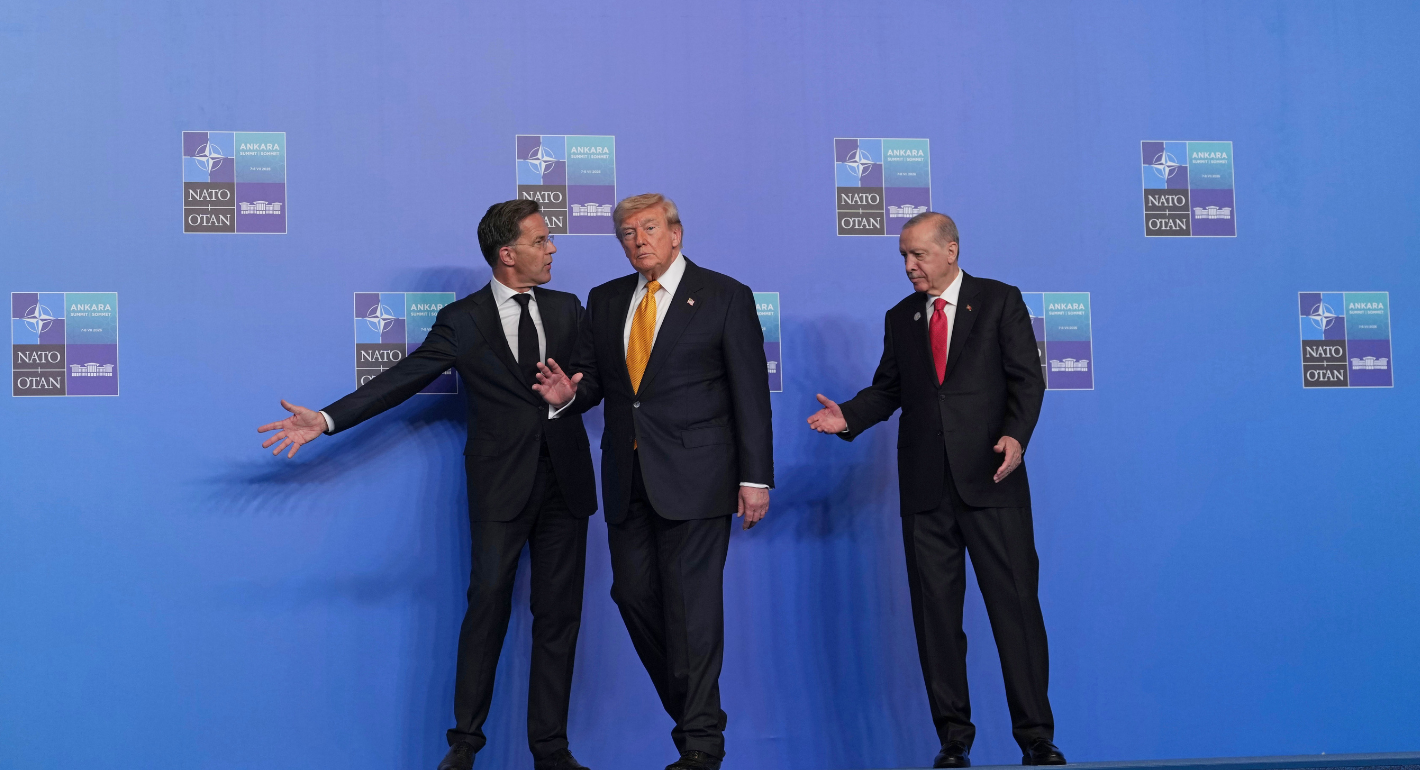
Nearly a year and a half after Europeans leaned into sucking up to Trump, the strategy has produced some benefits when it comes to Ukraine.
Rym Momtaz
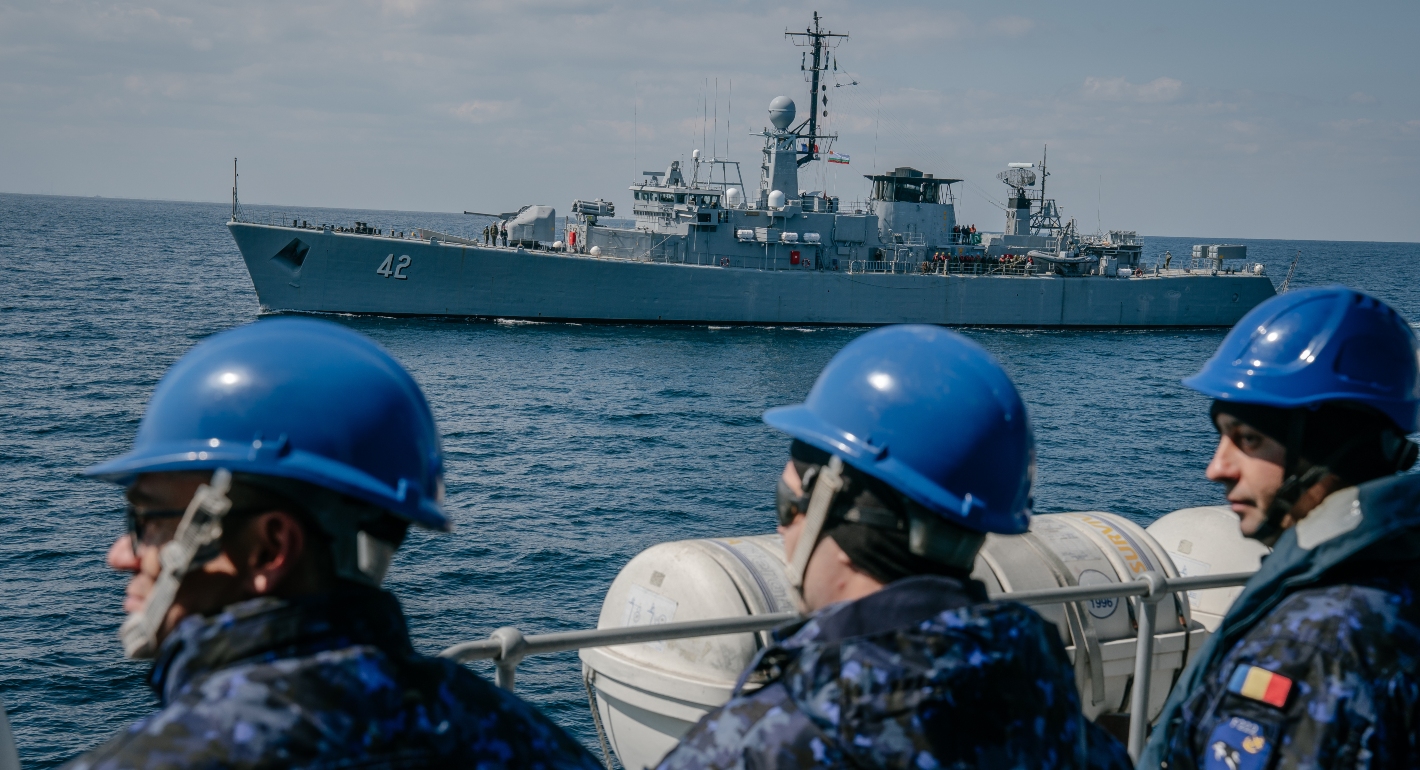
As Russia's war on Ukraine drags on, NATO is expanding its footprint in the Black Sea. Turkey, Romania, and Bulgaria are upgrading their fleets and deepening trilateral cooperation.

Dimitar Bechev