

Commentary
Judy Dempsey
{
  "authors": [
    "Judy Dempsey"
  ],
  "type": "commentary",
  "blog": "Strategic Europe",
  "centerAffiliationAll": "",
  "centers": [
    "Carnegie Endowment for International Peace",
    "Carnegie Europe"
  ],
  "collections": [],
  "englishNewsletterAll": "",
  "nonEnglishNewsletterAll": "",
  "primaryCenter": "Carnegie Europe",
  "programAffiliation": "",
  "programs": [],
  "projects": [],
  "regions": [
    "Europe"
  ],
  "topics": [
    "Climate Change"
  ]
}
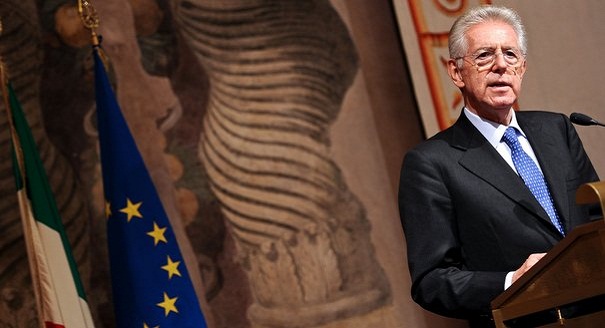
Source: Getty
Every week leading experts answer a new question from Judy Dempsey on the international challenges shaping Europe's role in the world.
Every week leading experts answer a new question from Judy Dempsey on the international challenges shaping Europe's role in the world.
Even if Monti’s announced departure leads to some renewed bond jitters, this isn’t the end of the euro. Rather it is the continuation of Italian democracy.
Monti has delivered stability for his country in a difficult time and should be thanked for that. Italy needs reforms and Monti has kick-started that arduous process. But by now, it is a sound step for Monti to make space for elections to restore confidence in Italian and European democracy.
Monti and any other European leader might completely deliver the right crisis resolution initiatives but if these aren’t backed by the people they will lack long-term legitimacy. We can’t insert an EU commissioner in every European country instead of elected politicians, however enticing it might be to some technocrats. Thus, policy should be contested in elections. Off course, in Italy, the specter of a return of Berlusconi haunts the political scene but the left-wing candidate, Bersani, seems more tuned in to the necessity to continue the reform track laid out by Monti.
European democracies, including the Italian one, aren’t governed by markets and bond spreads, but by people. Otherwise, we might save the euro’s value but corrode the real pillar of European values which is our political system. This was also the foundation for the European peace project among democracies hailed this week in Oslo and globally.
The euro will survive. However Europe will pay a price. Mario Monti has been a mighty force vis-à-vis France and Germany, mediating, negotiating, cajoling. He knows the inner mechanisms of Brussels better than any other leader. They may be savvier or more powerful, yet they defer to professor Monti’s experience and moderation when push comes to shove. Monti will be missed in Brussels and in Rome: yet the euro’s perilous course will continue plodding on.
As Charles de Gaulle once pointed out, the cemeteries are filled with indispensable men. Monti played an important role in bringing some stability and breathing space for Italy and he could have used more time but he was an unelected technocrat in a democracy. At some point the voters have to decide and, although we may think of Brecht’s reflection after the East German uprising of 1953 that perhaps we should elect a new people, legitimacy in the end requires a popular mandate. The soon-to-be Bersani government may not complete the reforms Monti began but it will not be able to ignore the pressures from the EU, the IMF, and the markets. Monti is likely to stay in the game as well, perhaps as the president of the republic and Mario Draghi will also play a role. The fate of the euro lies more in Berlin than in Rome in any case.

Nonresident Senior Fellow, Carnegie Europe
Judy Dempsey is a nonresident senior fellow at Carnegie Europe
Recent Work
Judy Dempsey
Judy Dempsey
Carnegie does not take institutional positions on public policy issues; the views represented herein are those of the author(s) and do not necessarily reflect the views of Carnegie, its staff, or its trustees.
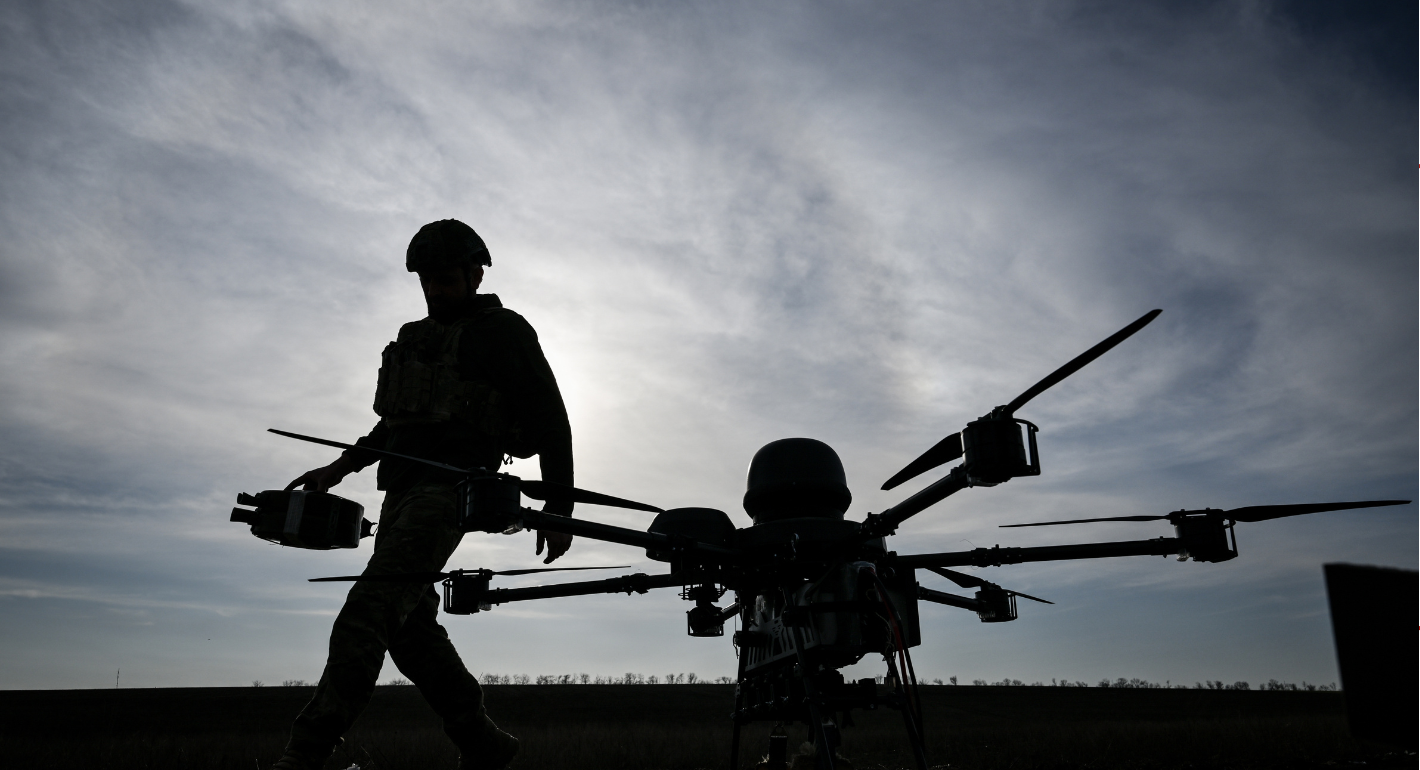
Defense tech innovations will be at the heart of Europe’s new security strategy. But so far, Brussels has been making moves without a broader plan, undermining readiness and credibility.

Raluca Csernatoni

When the U.S.-Iran memorandum of understanding was announced, the UK, France, Germany, and Italy declared their readiness to help demine the Strait of Hormuz and lift nuclear sanctions on Tehran. But does Europe need new tools to recover a diplomatic role?

Rym Momtaz, ed.
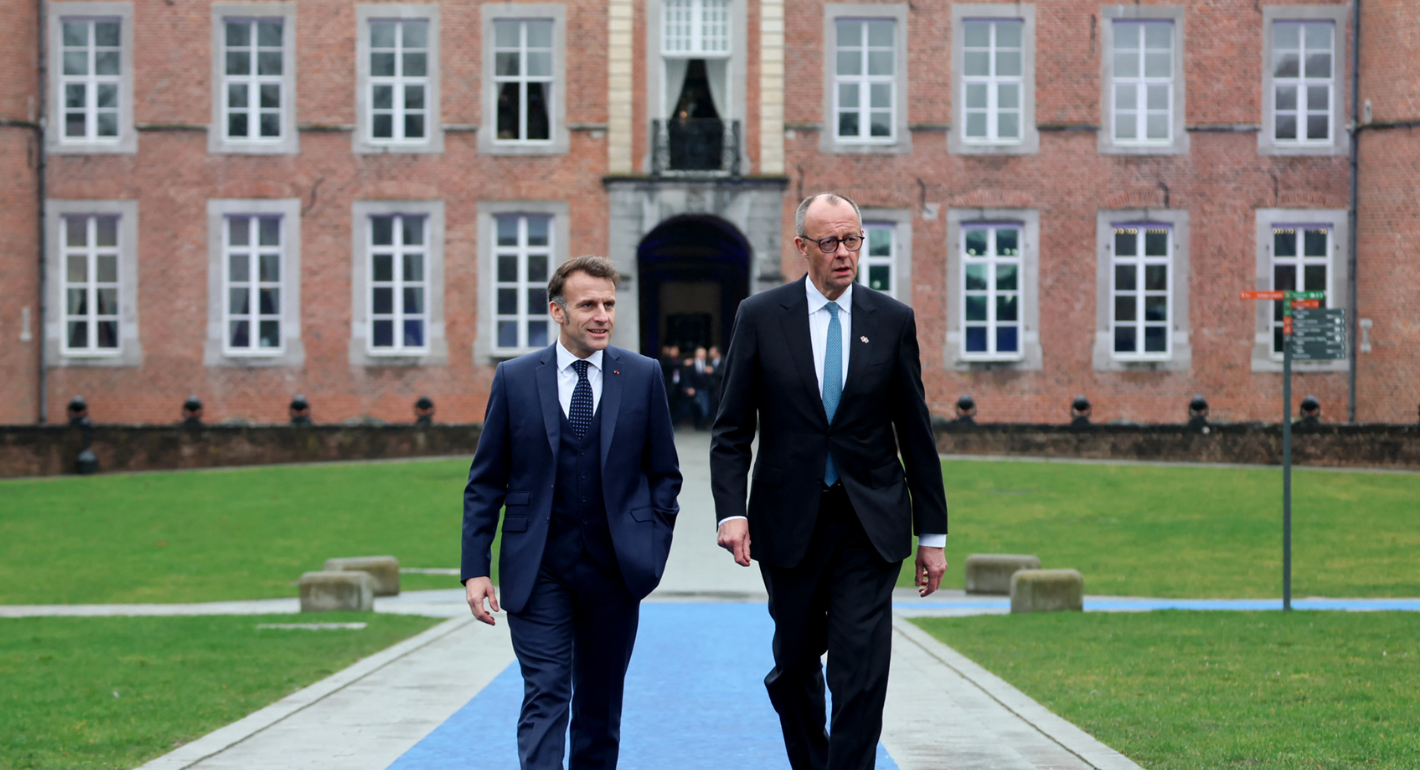
The Franco-German relationship is on the rocks again. But unlike previous moments of tension, the epochal changes on the world stage require that both step up investment in their bilateral ties.
Rym Momtaz
The EU is putting together a new security strategy to meet today’s myriad challenges. But for any proposal to be effective, the union needs to grapple with its identity and ambitions.

Pierre Vimont

The EU’s new migration policy is not suited to today’s realities. With climate change increasingly becoming a driver of displacement, Europe needs to rethink its deterrence-focused approach.

Shana Tabak