

Commentary
Marc Pierini
{
  "authors": [
    "Marc Pierini"
  ],
  "type": "commentary",
  "blog": "Strategic Europe",
  "centerAffiliationAll": "",
  "centers": [
    "Carnegie Endowment for International Peace",
    "Carnegie Europe"
  ],
  "collections": [],
  "englishNewsletterAll": "",
  "nonEnglishNewsletterAll": "",
  "primaryCenter": "Carnegie Europe",
  "programAffiliation": "",
  "programs": [],
  "projects": [],
  "regions": [
    "Middle East"
  ],
  "topics": [
    "Security"
  ]
}
Source: Getty
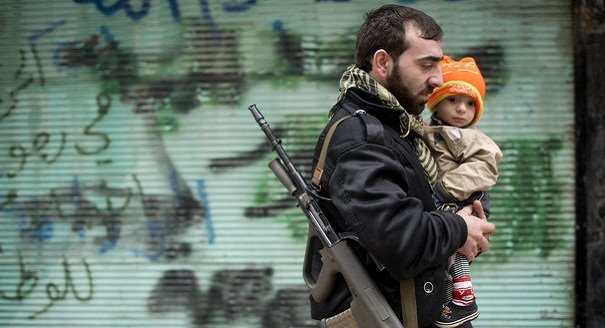
Although fraught with dangers, the upcoming Friends of the Syrian People meeting in Marrakesh offers a genuine opportunity to move closer to ending the Syrian tragedy.
The Syrian revolution has witnessed several new important developments during the past two weeks. All seem to point towards an endgame, but all are fraught with distinct dangers. It is worth looking at each of these issues on the eve of the Marrakesh meeting of the Friends of the Syrian People on December 12.
The Marrakesh meeting of the Friends of the Syrian People will open on December 12 against three worrying factors: a regime fighting to keep control of Damascus and its airport, an unclear balance of power within the rebellion between fighters and civilians, and persistent divisions within the international community. Yet, there is now a sense that Bashar al-Assad has become a liability even for his staunchest supporters. The days of the Assad regime are numbered and opposition forces should show unity at the Marrakesh meeting and work in a decisive and constructive manner with their supporters in the international community. Hopefully, the coalition and the international community will unite before more atrocities are committed against the Syrian people.
The Marrakesh meeting should also be the time to correct a major anomaly in the way international support is provided to Syrian civilians who have fled their country and crossed to Turkey or are waiting desperately to do so. The Turkish government, having provided a very remarkable amount of assistance on its own, regularly complains of being left alone in shouldering this task while at the same time squarely refusing assistance from international donors, both public and private. The tragedy of the displaced Syrians leaves no room for expressions of pride or suspicion: humanitarian assistance is a duty and it is high time that the Turkish foreign ministry lifts the artificial restrictions it has put on the UN, EU, the United States, and reputable international NGOs. Donors should take the opportunity of the Marrakesh meeting to put their offers on the table and convince Turkey to open its territory to international cooperation efforts according to standard procedures. This is part of Turkey’s international responsibilities. A public appeal by Crisis Action, an NGO specializing in assisting war victims, was sent to this effect on December 7 to Minister Davutoğlu via the UN Secretary General on behalf of a number of agencies.
Another important feature in the background of the Marrakesh meeting is the creation of a Supreme Military Council on December 7 by the rebel forces. While the ideological battle rages in parallel to the military one in Aleppo—see the detailed analysis by the Carnegie Middle East Center—it is already clear that the military commanders of the north will want a large share of political power. Whether this will be of help to the National Coalition headed by Moaz al-Khatib remains to be seen. As in all armed rebellions, the field commanders are bound to benefit from a substantial legitimacy in the eyes of the population.
A major feature of the emerging new Syria will be the importance that the new political power will grant to relations with Western countries, which they accuse of paying mere lip service to their cause. An important step was made on December 10 in Brussels when Moaz al-Khatib had an occasion to discuss with the 27 EU foreign ministers, thus establishing his international credentials further. While the National Coalition denounces Russia for re-supplying the Assad regime on a daily basis with ammunitions, Russia, still a supporter of the regime, has started distancing itself from Bashar al-Assad. President Putin has made clear during his visit to Istanbul on December 3 that Russia was not Assad’s “guarantor.” But Mr. Putin still insisted on a “negotiated solution” out of the current crisis and contacts between Russia and the United States in Dublin have not produced convergence so far. How effective Mr. al-Khatib will be in talking to Russia will also be a key factor in the evolution of the conflict. This should also be discussed in Marrakesh.
Although fraught with dangers, the Marrakesh meeting offers a genuine opportunity to move closer to the end-game in the Syrian tragedy.

Senior Fellow, Carnegie Europe
Marc Pierini is a senior fellow at Carnegie Europe, where his research focuses on developments in the Middle East and Turkey from a European perspective.
Recent Work
Marc Pierini
Marc Pierini
Carnegie does not take institutional positions on public policy issues; the views represented herein are those of the author(s) and do not necessarily reflect the views of Carnegie, its staff, or its trustees.

Mounting economic strain and battlefield losses will not necessarily make the Kremlin less dangerous. They could instead push Moscow toward a more aggressive hybrid campaign designed to test NATO’s Eastern flank, exploit allied hesitation, and fracture European resolve.

Maksym Beznosiuk
Over the past ten years, NATO has held almost as many summits as it did during the entirety of the Cold War. Are they still useful, or is it time to stop holding annual meetings?

Rym Momtaz, ed.
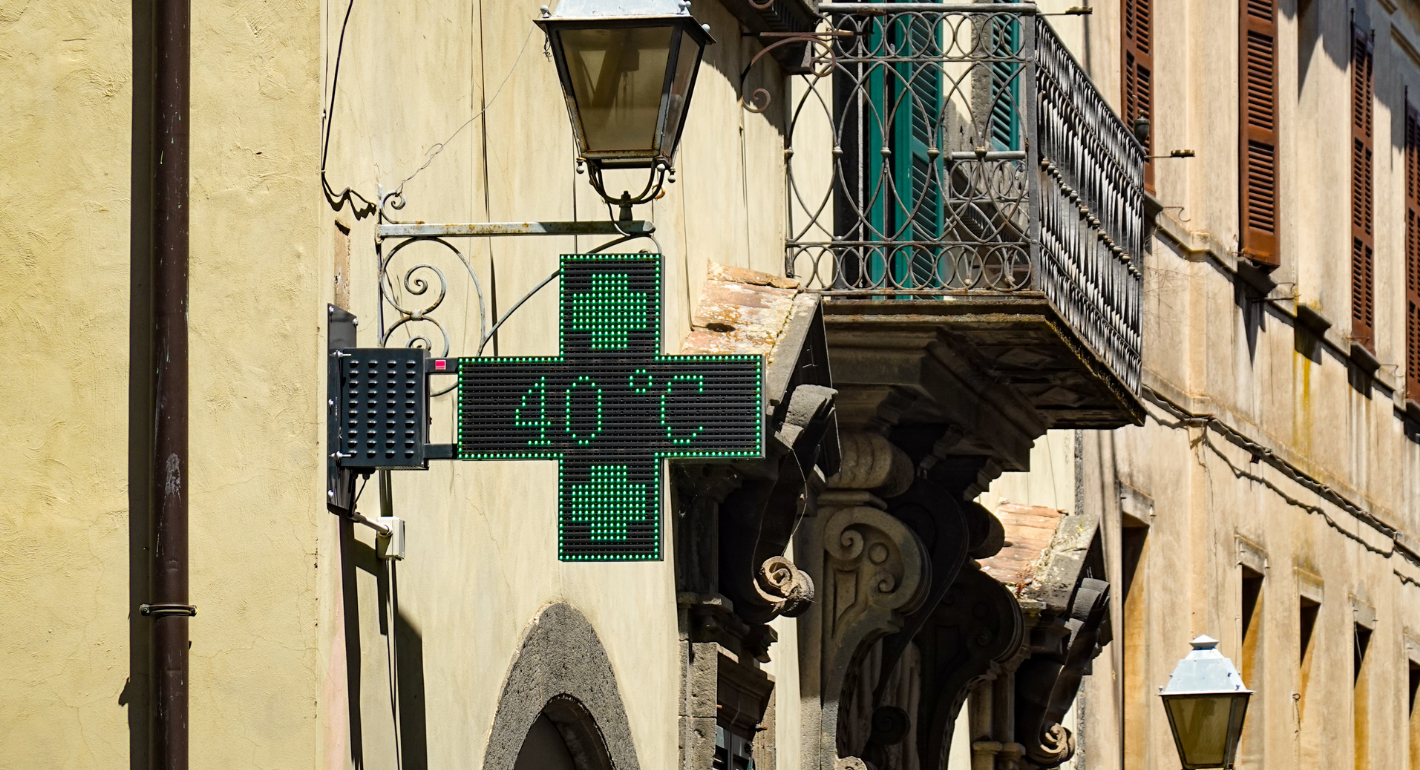
Western Europe’s dual-use infrastructure melted down during its latest heat wave. If a predicted hot weather event can take the continent by surprise, what chance does it have to withstand unexpected geopolitical crises?
Rym Momtaz
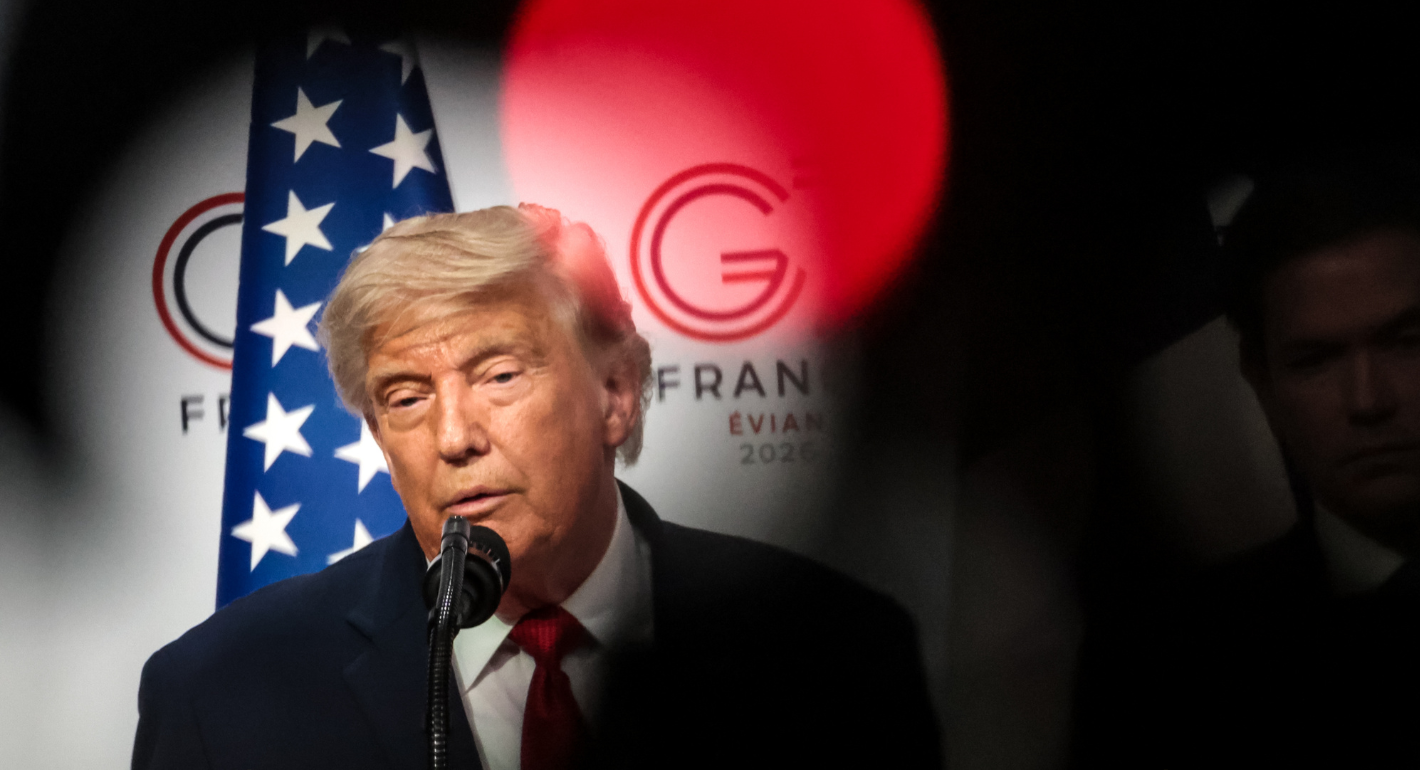
There is an elephant in the room when it comes to the EU’s upcoming security strategy: Donald Trump. Unless European leaders acknowledge the depth of the transatlantic crisis, true autonomy will remain out of reach.

Stefan Lehne
The Franco-German relationship is on the rocks again. But unlike previous moments of tension, the epochal changes on the world stage require that both step up investment in their bilateral ties.
Rym Momtaz