

Commentary
Judy Dempsey
{
  "authors": [
    "Judy Dempsey"
  ],
  "type": "commentary",
  "blog": "Strategic Europe",
  "centerAffiliationAll": "",
  "centers": [
    "Carnegie Endowment for International Peace",
    "Carnegie Europe"
  ],
  "collections": [],
  "englishNewsletterAll": "",
  "nonEnglishNewsletterAll": "",
  "primaryCenter": "Carnegie Europe",
  "programAffiliation": "",
  "programs": [],
  "projects": [],
  "regions": [
    "Europe",
    "Middle East",
    "Southern, Eastern, and Western Africa",
    "Asia",
    "North America"
  ],
  "topics": [
    "EU",
    "Security"
  ]
}
Source: Getty
Conferences like the MSC have become far too big and unwieldy to take away a clear message. But they are still useful.
Americans know how to run conferences. Speeches are short. Interventions are to the point. And above all, the moderator is tough. This means you get maximum audience participation. You get a conversation going.
For certain foreign ministers and leaders attending this year’s Munich Security Conference (MSC), the idea of a conversation is a twenty minute speech.
This is what happened during the Saturday afternoon panel on the Balkans and the Caucasus.
From the point of view of international security, this region is so important that it would have been very valuable to have panelists from Croatia, Macedonia, Azerbaijan, Kazakhstan, and Georgia exchange their concerns and ambitions openly and honestly.
What happened? With the exception of the Georgian minister, they all gave polemical, long speeches. They all said how they were the best in the region. And they all complained how they deserved more attention.
There was hardly a word about democracy, human rights, or civil society, except for Georgia. The moderator, veteran diplomat and Balkans expert, Martti Ahtisaari, was too polite to cut them off and start a discussion. Several audience participants told me he actually thought he was supposed to chair a different panel.
*******
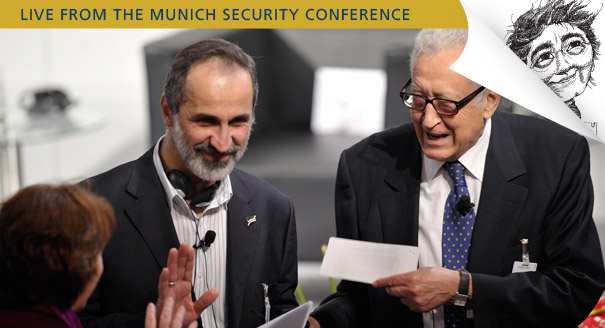
The Syrian opposition leader, too, had a great chance to present his views during a late “night owl session” that took place on Friday.
Sheikh Moaz-al Khatib, president of the National Coalition of Syrian Revolutionary and Opposition Forces, was sharing the panel with Lakhdar Brahimi, the UN and Arab League’s special envoy to Syria, and Kenneth Roth, director of Human Rights Watch.
Brahimi was ultra-cautious. I suppose he had to be. Maybe the event should have been off the record, so that we could have gleaned something from Brahimi's meetings with Presidents Assad and Putin. Khatib, in contrast, was highly emotional and loquacious.
There was a terrific conversation during the Right to Protect panel. It was a ‘breakout” session attended by an audience eager to listen and participate. It was fascinating to hear, among others, the foreign minister from Rwanda, Louise Mushikiwabo, warning against the politicization of international justice.
Just as revealing were the misgivings by several of the panelists about NATO’s intervention in Libya in 2011. The consensus was that NATO undermined the responsibility to protect, because NATO ran roughshod over the UN mandate that only stipulated a no-fly zone over Libya, not regime change. And NATO did not consider what would happen “the day after” the end of its mission in Libya. We now see the consequences in Northern Mali.
*******
To stay with the Middle East: Americans have opened back channels to Iran, according to diplomats attending the MSC. Maybe that explains why Ehud Barak, Israel’s outgoing defense minister spent most of Saturday and early Sunday holding a string of bilateral meetings instead of flying in and out of Munich on the same day.
On Sunday morning, Barak had the floor to himself. Laurent Fabius, the French foreign minister, had to cancel at the last minute. He was accompanying President François Hollande to Timbuktu. This allowed the Panel (and MSC) Chairman Wolfgang Ischinger, to concentrate on the conversation with Barak. The questions were precise, the answers were revealing. Barak said Mubarak had been a great leader. He didn’t like the Muslim Brotherhood governing Egypt, but he hoped its leadership would be pragmatic and practical. Even those who don’t agree with Barak’s views agreed that this was a panel well worth listening to.
*******
Events like the MSC or the Davos World Economic Forum have become big, unwieldy happenings with ever tighter security. Hundreds of participants crowd together under the glare of the television cameras. Some come for the event itself. Some for the bilateral talks they hope to hold in the margins. Some just come to be seen.
It’s not just by sheer size that these events are becoming overwhelming. The panoply of issues addressed becomes ever wider. Munich started, several decades ago, as a fairly straight-forward defense conference for NATO members. That’s when it was still called the Wehrkundetagung, as old-timers recall with some nostalgia.
Now, it’s not just about defense and security in the Western world, it tries to organize meaningful debates about all the most pressing international issues. That’s a tall order.
You can’t attend such a conference and come away with a clear conclusion and your mind all made up. At worst, you come away befuddled by the complexity of issues the world urgently needs to address. At best, you take away some precious nuggets of insight and information. But in any case, you will be grateful for any moderator who knows how to stop a monologue.


Nonresident Senior Fellow, Carnegie Europe
Judy Dempsey is a nonresident senior fellow at Carnegie Europe
Recent Work
Judy Dempsey
Judy Dempsey
Carnegie does not take institutional positions on public policy issues; the views represented herein are those of the author(s) and do not necessarily reflect the views of Carnegie, its staff, or its trustees.
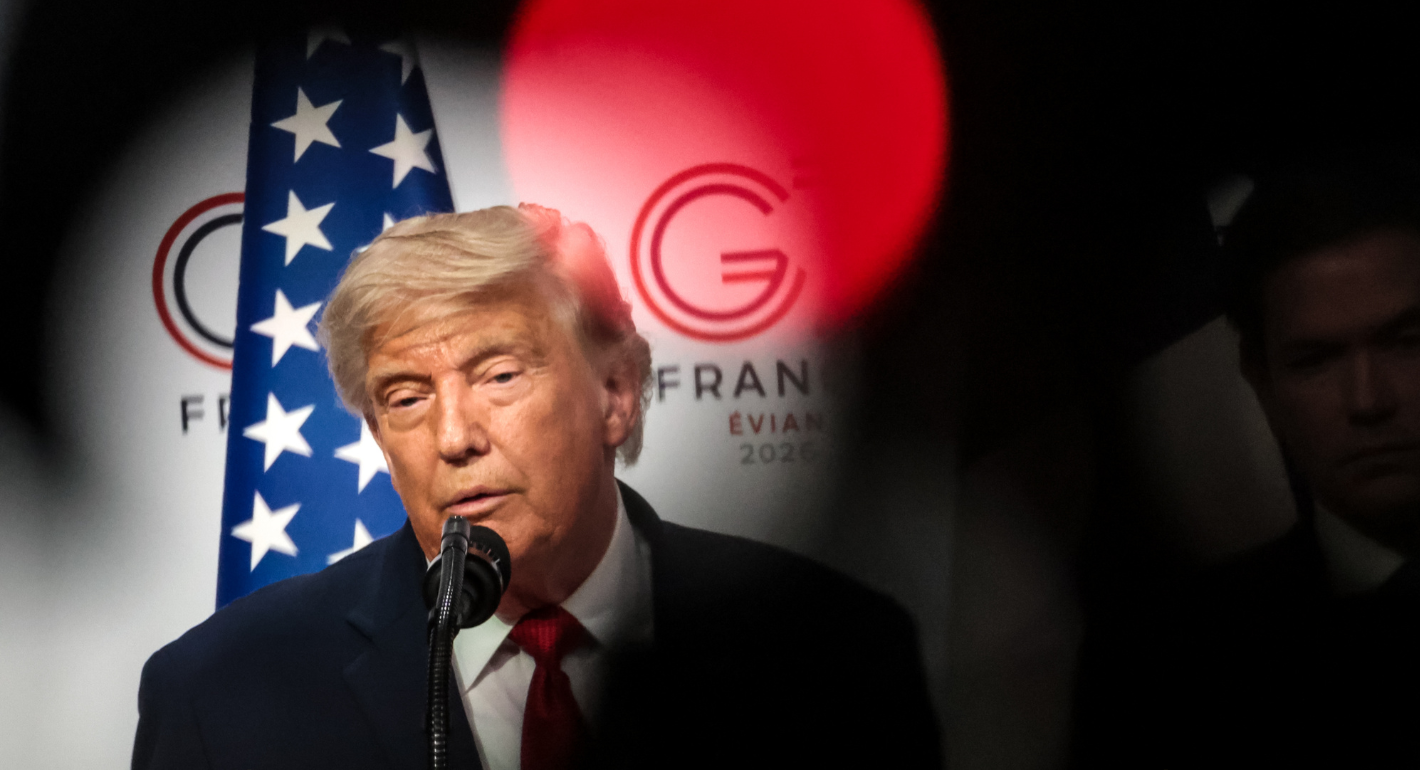
There is an elephant in the room when it comes to the EU’s upcoming security strategy: Donald Trump. Unless European leaders acknowledge the depth of the transatlantic crisis, true autonomy will remain out of reach.

Stefan Lehne
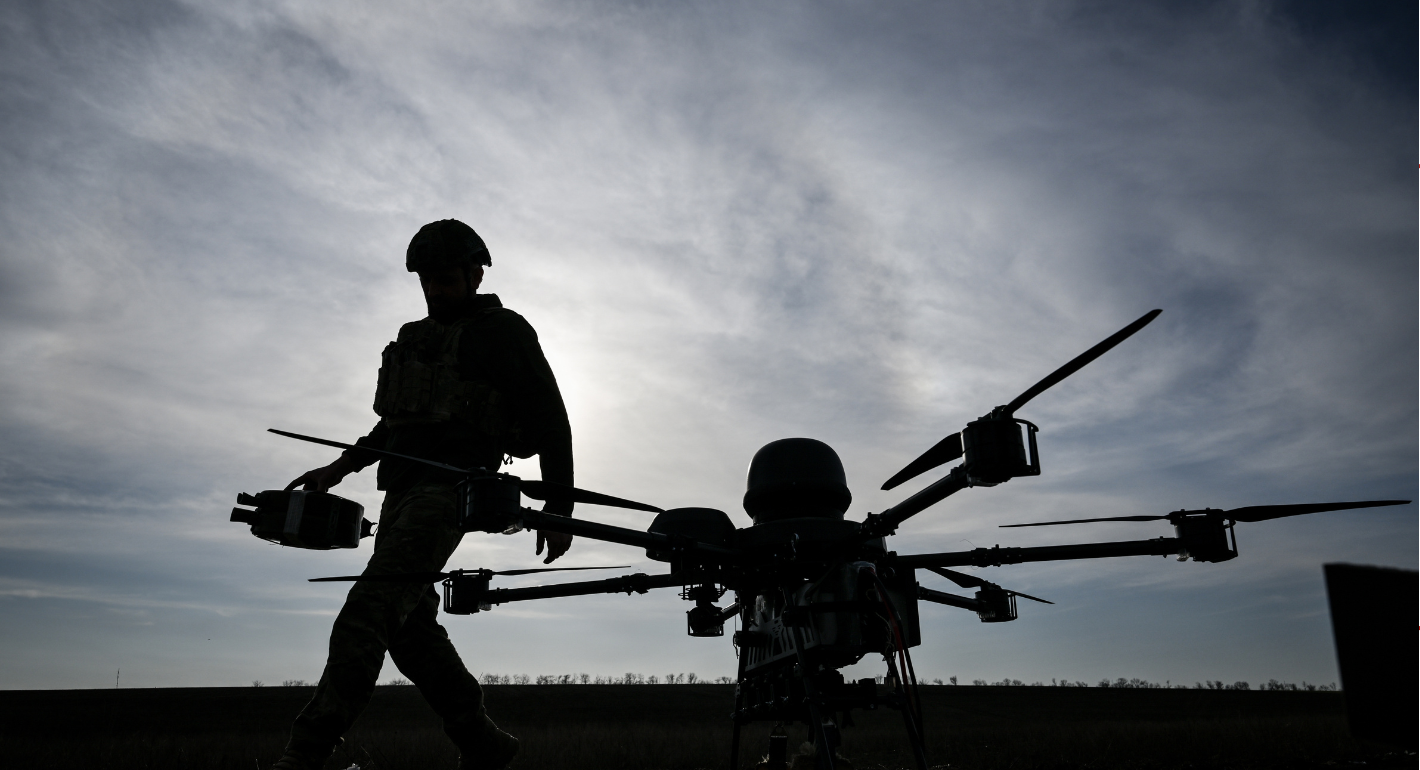
Defense tech innovations will be at the heart of Europe’s new security strategy. But so far, Brussels has been making moves without a broader plan, undermining readiness and credibility.

Raluca Csernatoni

When the U.S.-Iran memorandum of understanding was announced, the UK, France, Germany, and Italy declared their readiness to help demine the Strait of Hormuz and lift nuclear sanctions on Tehran. But does Europe need new tools to recover a diplomatic role?

Rym Momtaz, ed.
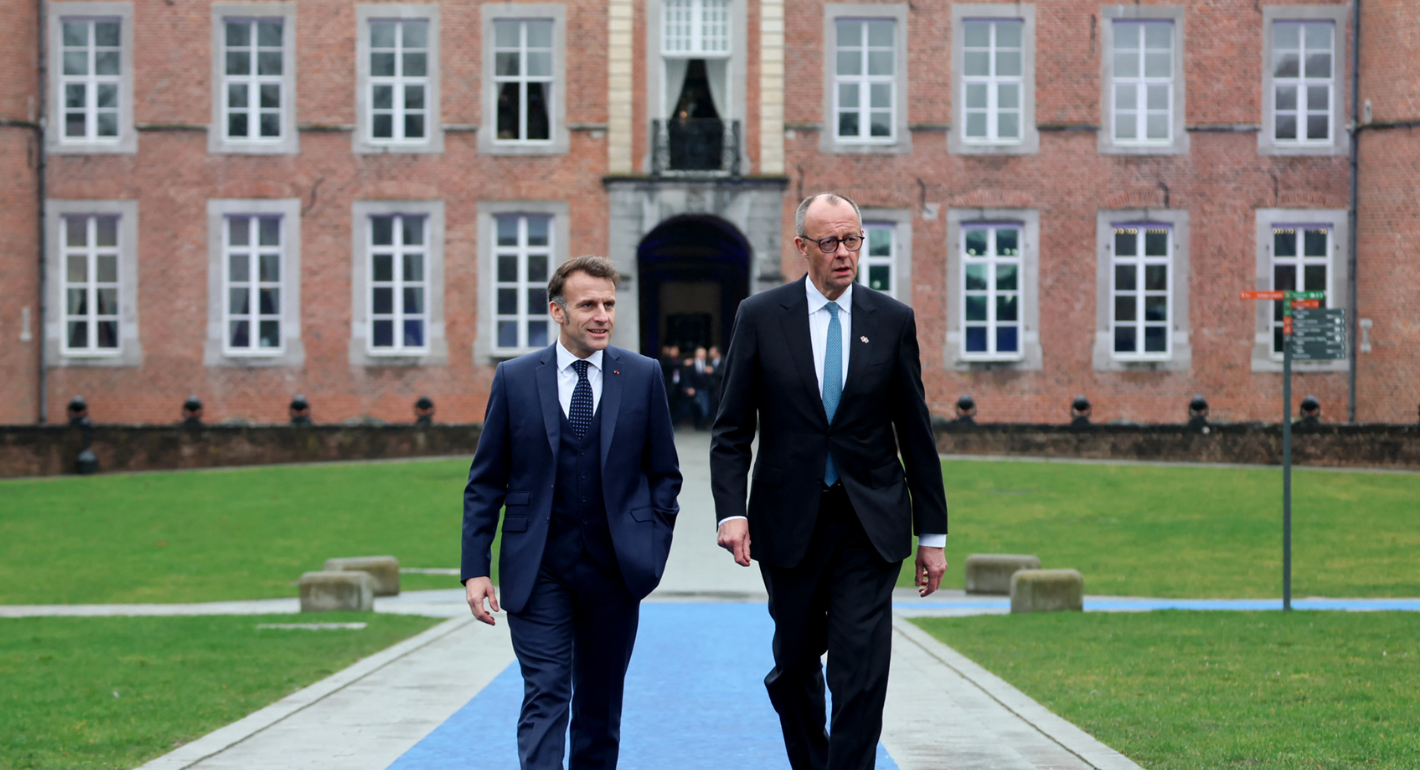
The Franco-German relationship is on the rocks again. But unlike previous moments of tension, the epochal changes on the world stage require that both step up investment in their bilateral ties.
Rym Momtaz
The EU is putting together a new security strategy to meet today’s myriad challenges. But for any proposal to be effective, the union needs to grapple with its identity and ambitions.

Pierre Vimont