

Other
- +18
James M. Acton, Saskia Brechenmacher, Cecily Brewer, …
{
  "authors": [
    "Marc Pierini"
  ],
  "type": "commentary",
  "blog": "Strategic Europe",
  "centerAffiliationAll": "",
  "centers": [
    "Carnegie Endowment for International Peace",
    "Carnegie Europe"
  ],
  "collections": [
    "Turkey’s Transformation"
  ],
  "englishNewsletterAll": "",
  "nonEnglishNewsletterAll": "",
  "primaryCenter": "Carnegie Europe",
  "programAffiliation": "",
  "programs": [],
  "projects": [],
  "regions": [
    "Middle East",
    "Europe",
    "Türkiye",
    "Western Europe"
  ],
  "topics": [
    "Democracy",
    "EU"
  ]
}
Source: Getty
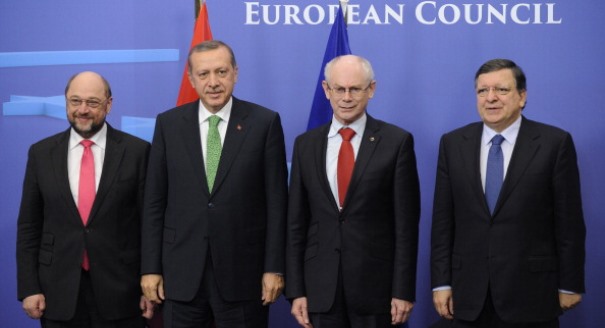
The Turkish prime minister’s recent trip to Brussels was well choreographed, but it cannot hide the fact that Ankara’s rolling back of the rule of law has shocked the EU.
When the Turkish prime minister, Recep Tayyip Erdoğan, visited the EU institutions on January 21, the choreography was perfect. He was received by the presidents of the European Commission, European Council, and European Parliament, as well as the leaders of all the political groups in the parliament.
But it has emerged that, behind closed doors, the going was rough. Mr. Erdoğan may be able to claim at home that his country’s EU accession process is on track, but his next moves could be harmful for Turkey’s membership prospects and, in turn, for the Turkish economy. It is time to think strategically.
On the surface, the prime minister’s visit went smoothly. Nobody snubbed him, and there were no shouting matches at his two press conferences. At home, thanks to the right mix of spin and restraint, Mr. Erdoğan’s high-level meetings served his domestic political purposes well.
Whether anybody listened to him is another story. Mr. Erdoğan’s constant references to international conspiracy theories do not resonate with audiences in Brussels and other European capitals. And lambasting the European Parliament in June 2013 before praising it in January 2014 doesn’t convince the average parliamentarian.
What the EU saw on January 21 is first and foremost a prime minister who faces a dire challenge within his own camp. That is no business of the EU’s. What matters for the EU is respect for the rule of law and the separation of powers during ongoing investigations into corruption allegations. Indeed, that is the message the Turkish prime minister received from every one of his interlocutors.
Despite words of reassurance from Mr. Erdoğan, on the day of his visit to Brussels more than 500 police officers and 96 judges and prosecutors were replaced. The move was part of a continued attempt to derail graft investigations that may be getting too close to the government for comfort.
At the same time, a draft law on reforming the High Council of Judges and Prosecutors, responsible for judicial functions including appointments, became a litmus test of Turkey’s compatibility with the EU’s political criteria. Once again, Ankara’s domestic political agenda clashes with the EU accession requirements and, more generally, with Turkey’s financial and diplomatic standing in the world.
Against the background of the feud in Turkey’s conservative camp, there are now three major dangers on the international stage.
First, Turkey is slipping sharply in the eyes of investors, bankers, and ratings agencies. The depreciation of the Turkish lira by at least 10 percent in just one month since the graft probes were launched on December 17 shows how fragile the markets’ confidence in an emerging economy can be, and how accusations of phantasmagoric international conspiracies can sink a currency. The drastic measure taken by the Turkish Central Bank on January 29 to raise interest rates after a long debate with the government highlights the extent of the problem.
Second, Turkey’s international diplomatic standing—in particular in the Syria peace talks—is being devalued. That is due not only to talk of conspiracy theories but also to sudden shifts in Turkey’s foreign policy narrative and to an uneasy relationship with the EU, the United States, and NATO.
Third, Turkey may quickly be reaching breaking point with the EU, depending on how Ankara handles future legislative and executive moves linked to the graft probes. Failure to correct the deteriorating rule of law in Turkey would have a high political cost, given the importance of the political criteria in EU accession negotiations.
The European Commission has a strict mandate to monitor such developments in candidate countries and an obligation to recommend a course of action to member state governments. That is what EU Enlargement Commissioner Štefan Füle told Turkey’s EU Minister Mevlüt Çavuşoğlu in no uncertain terms on January 22 and in several formal letters. As a result, the draft law reforming the High Council of Judges and Prosecutors has been withdrawn until further notice.
Irrespective of the EU’s warning, all politics are local, so to a large extent Turkey’s future course will be charted by events linked to local and presidential elections scheduled for 2014. Yet Turkey, despite the immense economic progress it has achieved, cannot afford the luxury of pursuing national policies that run against the country’s economic constraints, security affiliations, and European orientation.
As far as analysts can see, Ankara’s grandiose plans of diplomatic and economic diversification have achieved very little indeed. Efforts were made to trade more with Arab countries, attract investment from Gulf states, and diversify links with Russia, but with few lasting results.
Amid its economic ascendance, Turkey still relies heavily on the EU and, to a much lesser extent, the United States for trade, investment, and technology. The best training that Turkish students and researchers can receive is from the EU. At the same time, Turkey also depends on NATO for its security, which places constraints on Ankara’s decision to purchase a Chinese missile defense system.
The EU, having unwisely jeopardized Turkey’s accession process in 2007, when France began to block certain chapters of the negotiations, must make a simple calculation. Turkey’s accession is not imminent, as it is conditional both on Turkey meeting the negotiation criteria and on all current member states ratifying Turkey’s membership. That is how French President François Hollande clarified his country’s position on January 27. The real stakes are in ensuring political stability and anchoring democracy in Turkey.
A stable, appeased, and Western-oriented Turkey is in the EU’s interest, while a country going through acute domestic crises every six months is definitely not. Both sides can still avoid a collision.

Senior Fellow, Carnegie Europe
Pierini is a senior fellow at Carnegie Europe, where his research focuses on developments in the Middle East and Turkey from a European perspective.
Recent Work



James M. Acton, Saskia Brechenmacher, Cecily Brewer, …
Marc Pierini
Carnegie does not take institutional positions on public policy issues; the views represented herein are those of the author(s) and do not necessarily reflect the views of Carnegie, its staff, or its trustees.
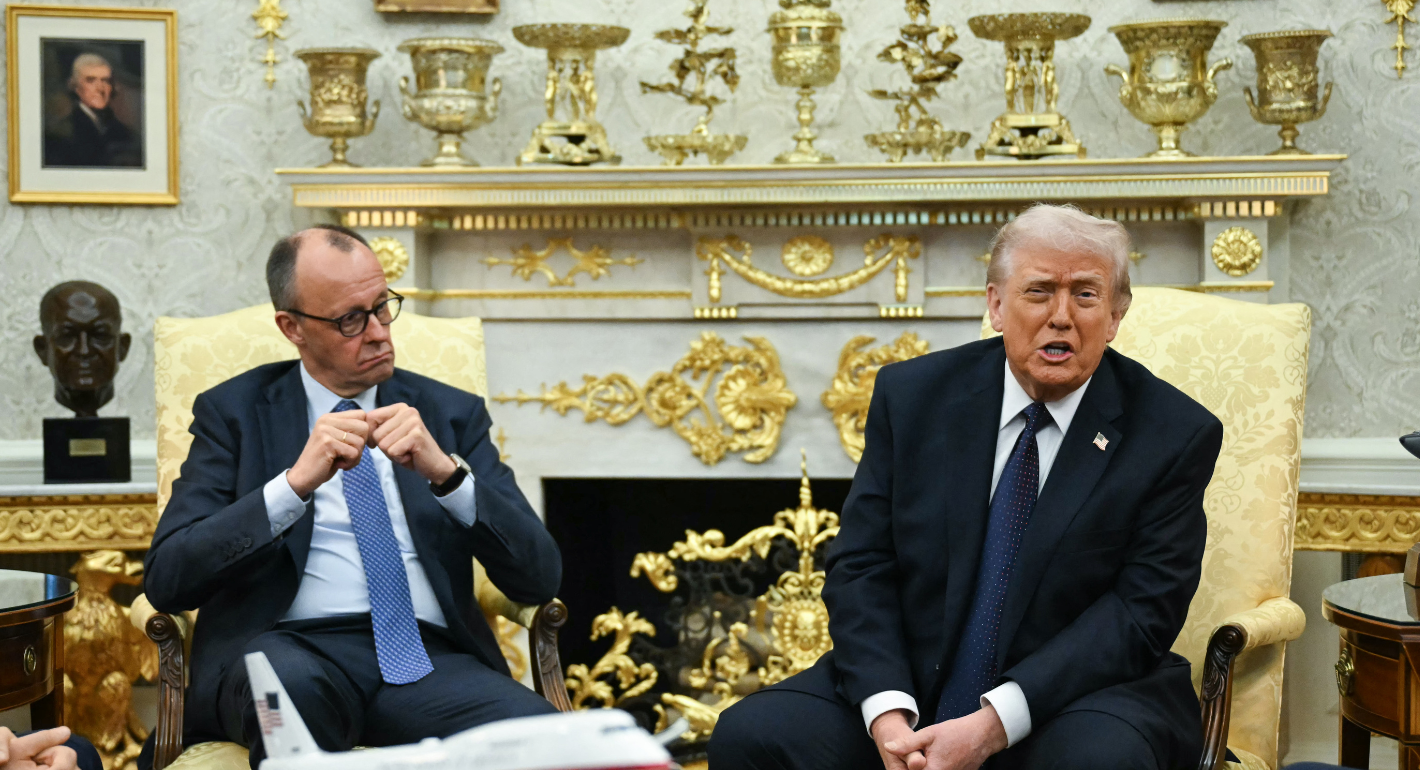
European reactions to the war in Iran have lost sight of wider political dynamics. The EU must position itself for the next phase of the crisis without giving up on its principles.

Richard Youngs
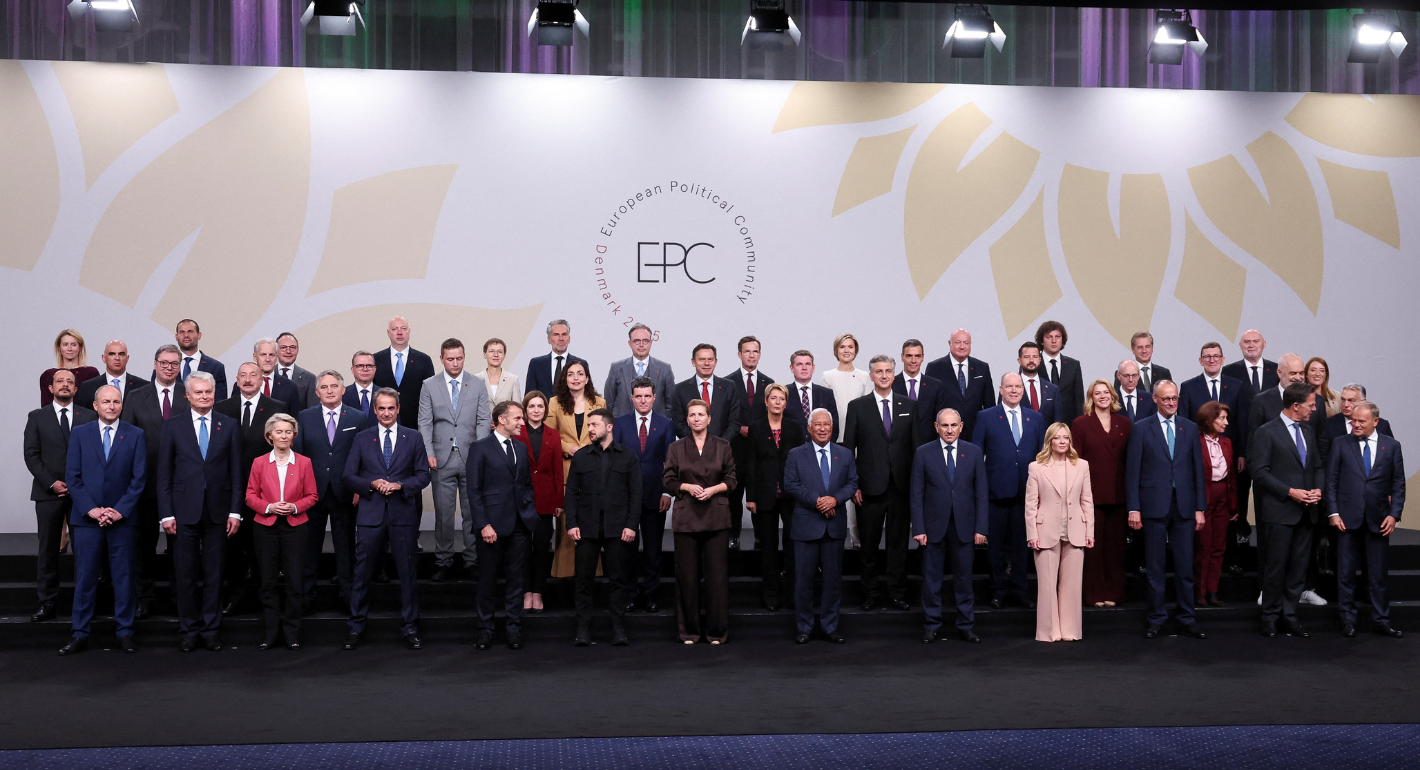
Europe isn’t as weak in the new geopolitics of power as many would believe. But to leverage its assets and claim a sphere of influence, Brussels must stop undercutting itself.

Dimitar Bechev
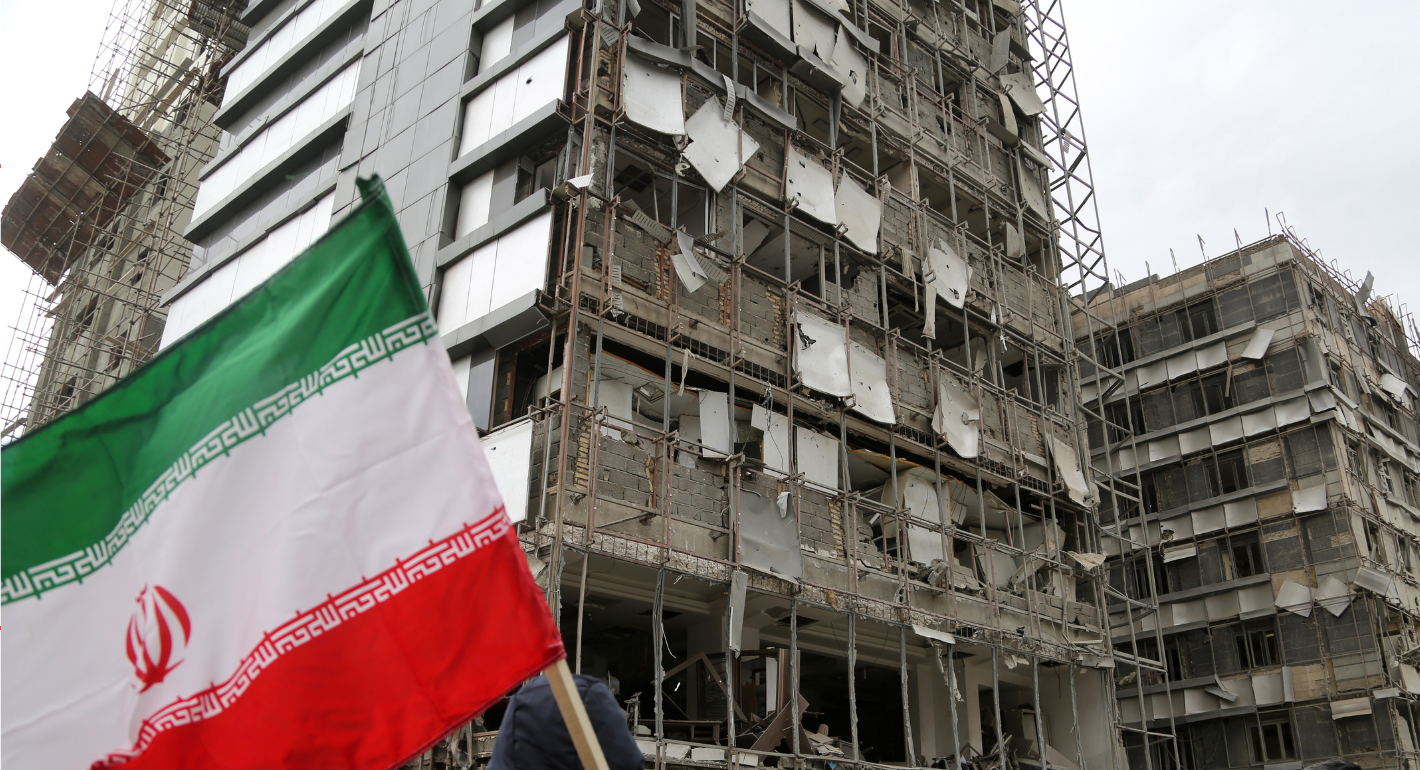
Europe’s reaction to the war in Iran has been disunited and meek, a far cry from its previously leading role in diplomacy with Tehran. To avoid being condemned to the sidelines while escalation continues, Brussels needs to stand up for international law.

Pierre Vimont
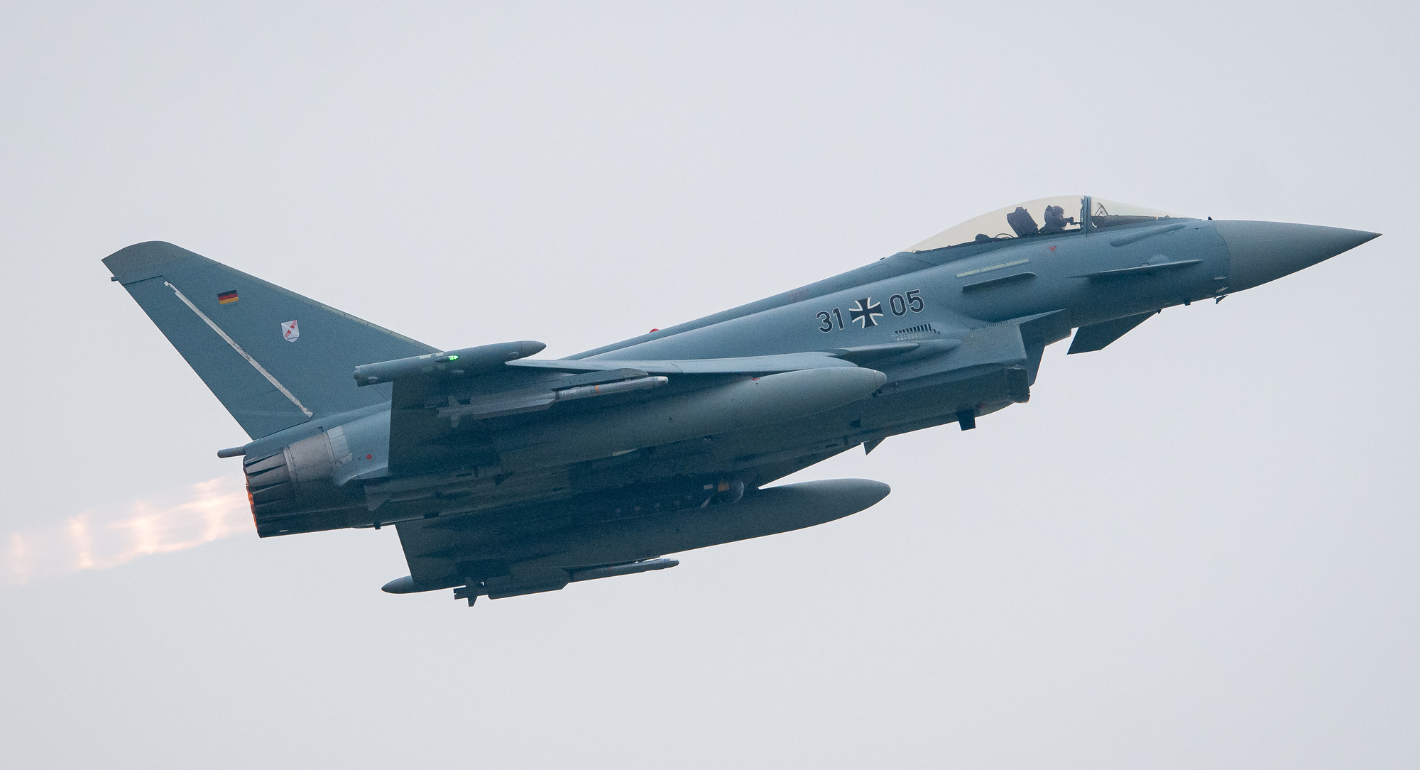
France and Germany’s failure to agree on the Future Combat Air System (FCAS) raises questions about European defense. Amid industrial rivalries and competing strategic cultures, what does the future of European military industrial projects look like?

Rym Momtaz, ed.
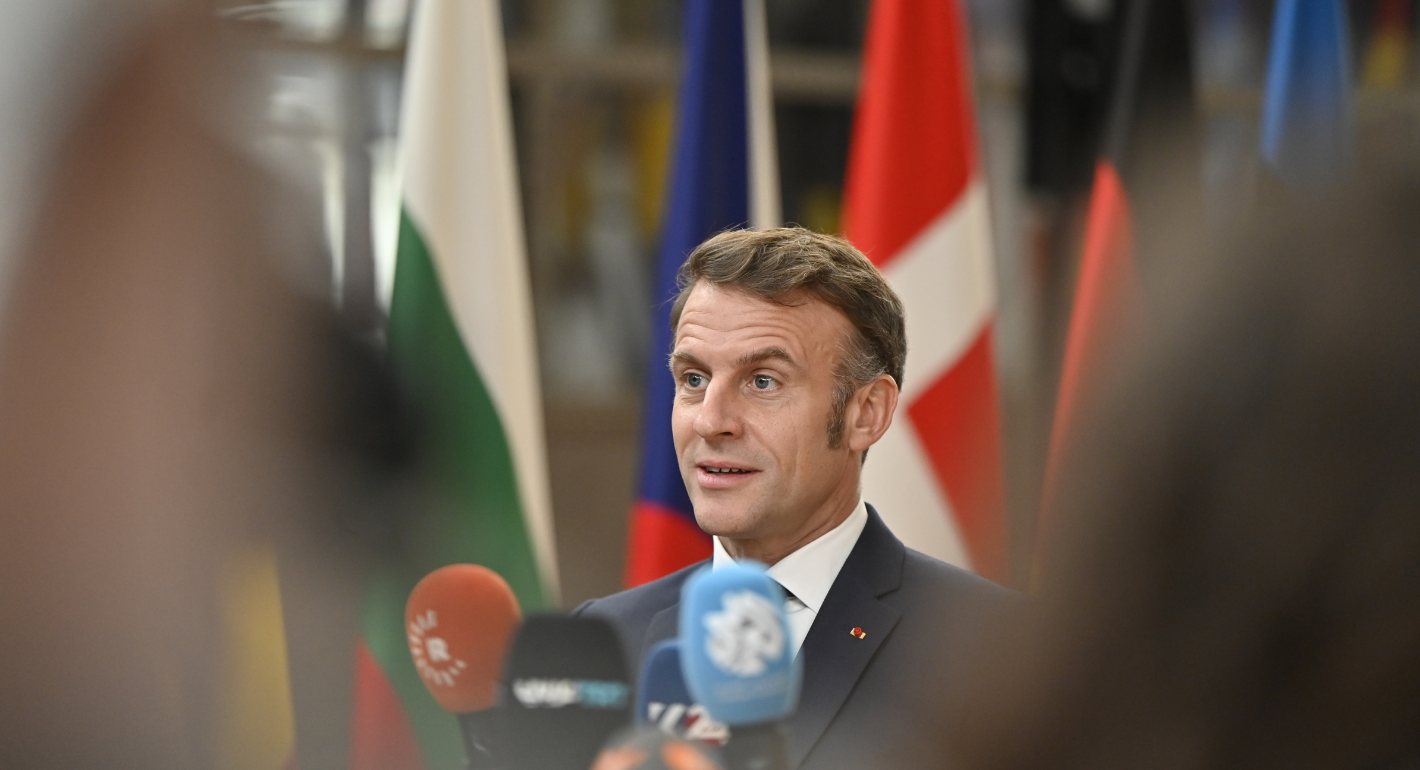
France has stopped clinging to notions of being a great power and is embracing the middle power moment. But Emmanuel Macron has his work cut out if he is to secure his country’s global standing before his term in office ends.
Rym Momtaz