

Commentary
Judy Dempsey
{
  "authors": [
    "Judy Dempsey"
  ],
  "type": "commentary",
  "blog": "Strategic Europe",
  "centerAffiliationAll": "",
  "centers": [
    "Carnegie Endowment for International Peace",
    "Carnegie Europe"
  ],
  "collections": [],
  "englishNewsletterAll": "",
  "nonEnglishNewsletterAll": "",
  "primaryCenter": "Carnegie Europe",
  "programAffiliation": "",
  "programs": [],
  "projects": [],
  "regions": [
    "North America",
    "United States"
  ],
  "topics": [
    "Foreign Policy",
    "Security"
  ]
}
Source: Getty
Every week, a selection of leading experts answer a new question from Judy Dempsey on the foreign and security policy challenges shaping Europe’s role in the world.
Every week, a selection of leading experts answer a new question from Judy Dempsey on the foreign and security policy challenges shaping Europe’s role in the world.
If you ask world opinion, the answer is a clear “no”: nine out of ten Germans, roughly four out of five French or Japanese, and two out of three Brits disapprove of the United States spying on their country’s leaders or citizens. Interestingly, the Americans themselves are more divided, with nearly half of them finding it OK for their government to spy on the citizens of “other countries” in general. But Americans disapprove of the same activity when directed toward themselves by about six to four.
If the United States feels it has to spy on its allies, that means it does not trust them and believes it would not get the information it desires through normal political and diplomatic channels. This may be the case for America’s “awkward allies” such as Kazakhstan, Rwanda, or Saudi Arabia.
Ultimately, the question is what the U.S. government gets (or believes it gets) from spying indiscriminately on its allies. The benefit may be known to only a handful of people, while the obvious damage of getting caught is out there for everyone to see.
Sixty-five years of close partnership with Germany should have warranted a different treatment, one would have thought. But if that’s not on offer, then let’s be clear about the state of the U.S.-German relationship and move on.
It would be naive to think that allies never spy on each other. Israel was caught running an agent in U.S. naval intelligence in the 1980s, but the impact on wider relations was limited, and Israel is still America’s preeminent partner in the Middle East.
However, any state thinking about acquiring secrets from its friends illicitly has to balance the expected benefits against the risks of being caught and the damage it may suffer as a result. NATO and EU countries tell each other a lot anyway, so a country has to be certain that its friends are hiding something worth stealing, that it is unlikely to get caught, and that a convincing display of contrition will restore harmonious relations if the snooping is exposed.
The public will probably never know whether the Americans uncovered some great secret either by listening to German Chancellor Angela Merkel’s cell phone or by cultivating German officials. But clearly, the Americans underestimated the risks of exposure and the likely public and political reaction. Any lasting rift will be bad news at a time when the United States and Germany should be working together to respond to crises in Ukraine and the Middle East.
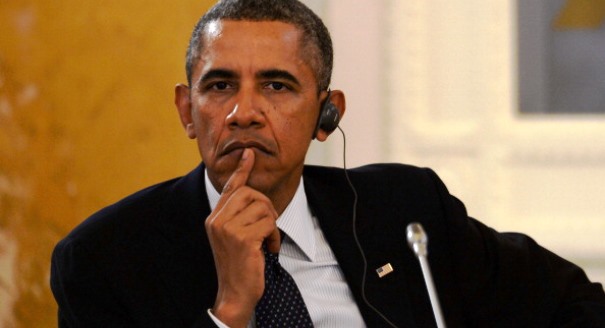
As Merkel said, “we have so many problems, we should focus on the important things.” Or, as U.S. President Barack Obama put it when explaining his foreign policy doctrine: “Don’t do stupid shit!”
The U.S. government appears to consider covert intelligence operations a legitimate instrument of its approach to diplomacy. Presumably, U.S. policymakers value the information gathered by their intelligence apparatus as an indispensable advantage in negotiations with competitors and allies alike.
Furthermore, as in the case of Germany, Washington’s intelligence gathering may be driven by skepticism over the extent to which others’ interests align with its own. Germany’s future policy toward Russia is arguably of particular concern. In addition, supposed failures of German intelligence—like its inability to discover the Hamburg-based al-Qaeda cell that carried out the September 11, 2001, terrorist attacks or its provision of a source who wrongly accused former Iraqi president Saddam Hussein of owning weapons of mass destruction—have raised the U.S. intelligence community’s doubts about its German counterpart.
But rightly or wrongly, the latest exposure of U.S. spying in Germany has clearly damaged the U.S.-German relationship. German resentment is particularly problematic for the United States as the partnership is central to America’s strategic relationship with Europe as a whole, given Germany’s role as the European powerhouse.
In a multipolar system, where the United States appears ever more dependent on allies, the political ramifications of U.S. covert intelligence on its allies seem to regularly outweigh the assumed benefits. If anything, closer cooperation between the United States and its partners is needed—particularly in the intelligence domain.
Moral indignation is usually the sound Germans make when trying to avoid facing up to their messy international responsibilities. Not so this time. For some months, Berlin has been trying to face up to things—attempting to match its economic clout with a sense of political responsibility, to take a tough line on Russia, and to be a good ally to the United States. Its reward is to have its public figures spied on.
And yet, America’s spying is justified. The United States needs Germany to be a partner that is both credible and reliable. In the past, Germany lacked credibility while offering reliability: it didn’t bother building up the means or the will to fight, but it could always be trusted to take a backseat and do nothing. That may sound cynical, but in a tense international environment, this kind of predictability is valuable.
Today, Germany is boosting its credibility as a partner. But the process is making it less reliable and predictable. Washington is therefore justified in trying to improve its understanding of Berlin’s thinking.
Happily for the rest of the world, since America also fails the reliability test these days, others are justified in spying on it too. Let’s hope they’re better at it than the Americans.
No. This may be a naive response, but it is more realistic than the line taken by those who argue that everyone spies on everyone.
America is not Russia or China and claims to be held to a higher standard as a democratic power. This is why so many Germans are upset with the U.S. intrusions while being less concerned about what the Russians are up to, even if that only enhances Russian intelligence activities in Germany.
Beyond this, it seems highly unlikely that the information gathered is worth the diplomatic cost to a central alliance relationship. No one in Germany today wants to be seen as close to America or to make a case for almost any U.S. policy.
Finally, there is an interest in protecting intellectual property rights, something that has been a central U.S. interest and that has been compromised by the violation of data privacy. Counterterrorism intelligence cooperation is vital, but recruiting agents to spy on a parliamentary committee is stupid. Just as war can’t be left to the generals, spying can’t be left to the spies.

Nonresident Senior Fellow, Carnegie Europe
Judy Dempsey is a nonresident senior fellow at Carnegie Europe
Recent Work
Judy Dempsey
Judy Dempsey
Carnegie does not take institutional positions on public policy issues; the views represented herein are those of the author(s) and do not necessarily reflect the views of Carnegie, its staff, or its trustees.
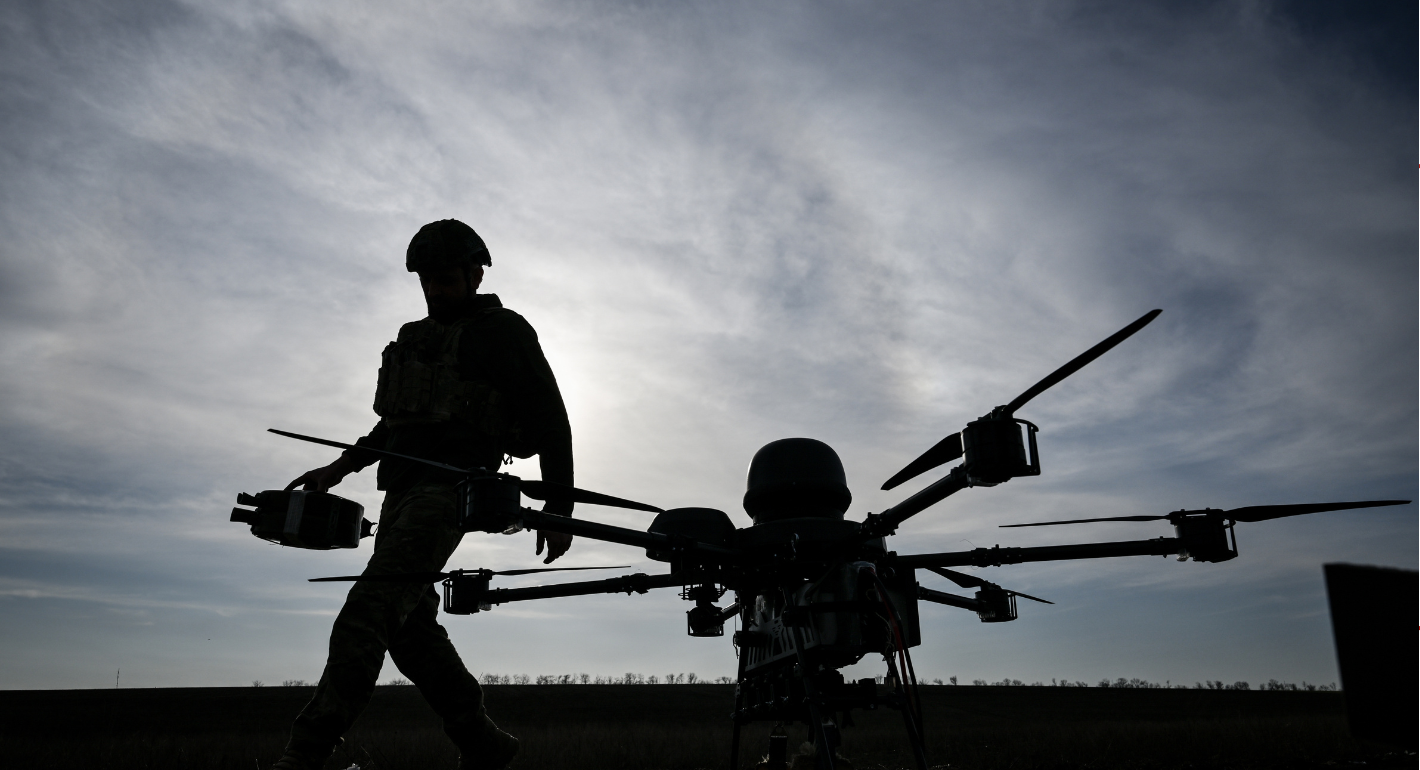
Defense tech innovations will be at the heart of Europe’s new security strategy. But so far, Brussels has been making moves without a broader plan, undermining readiness and credibility.

Raluca Csernatoni
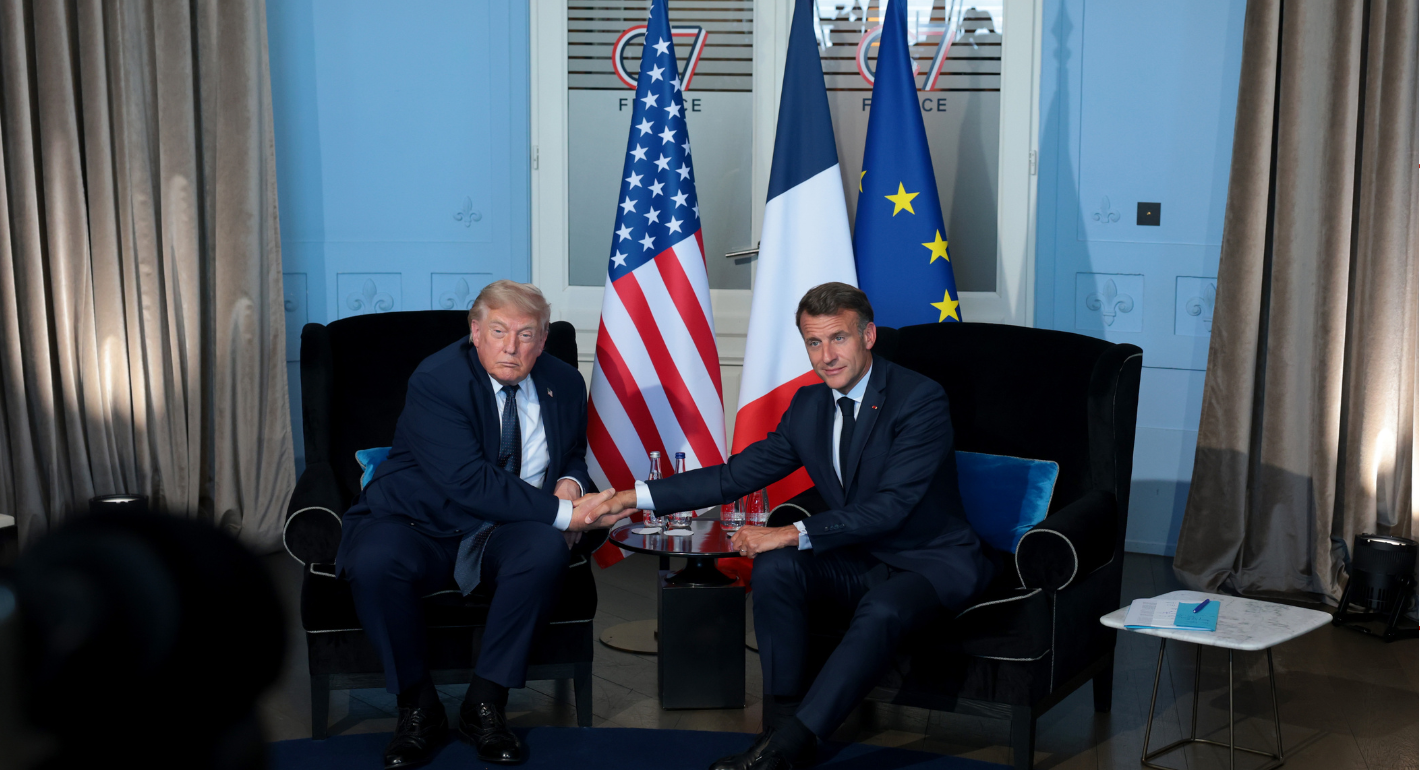
When the U.S.-Iran memorandum of understanding was announced, the UK, France, Germany, and Italy declared their readiness to help demine the Strait of Hormuz and lift nuclear sanctions on Tehran. But does Europe need new tools to recover a diplomatic role?

Rym Momtaz, ed.
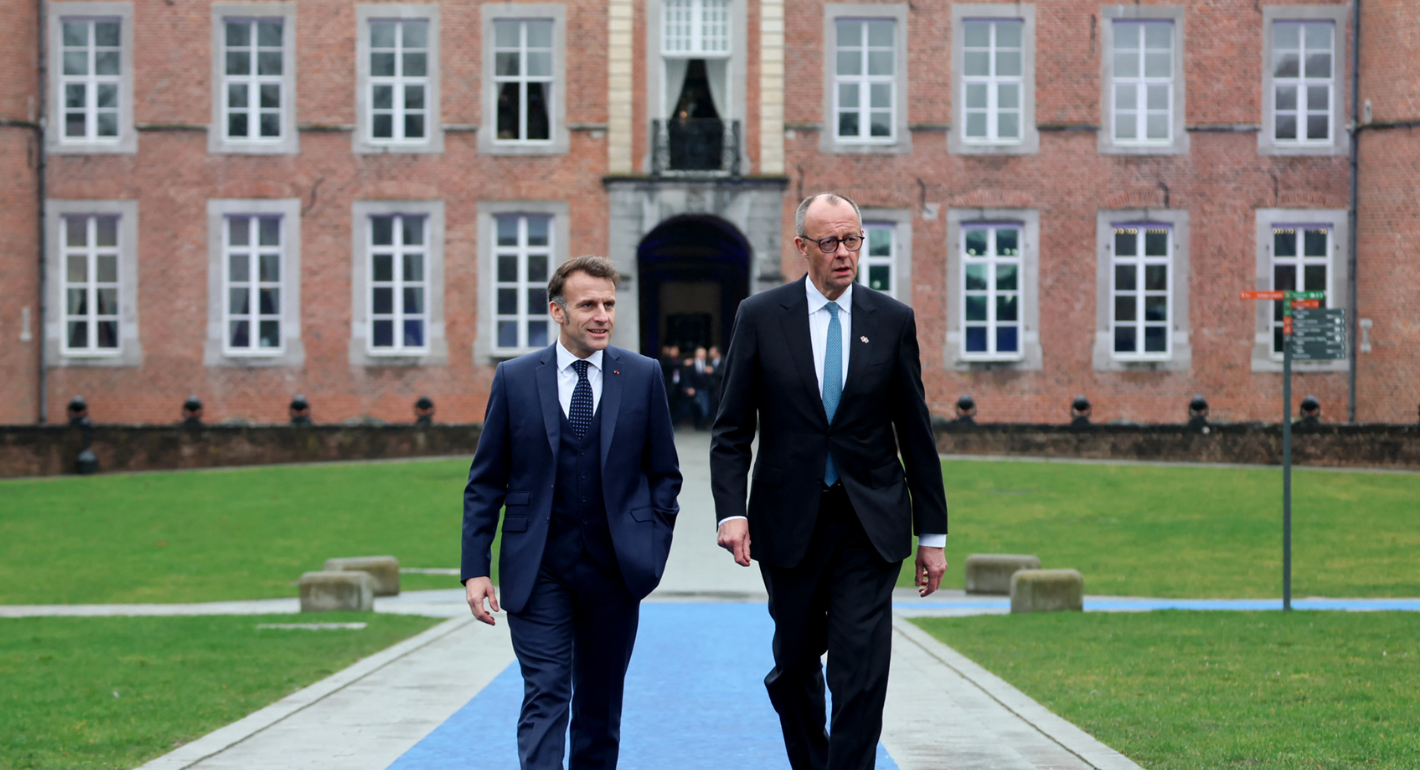
The Franco-German relationship is on the rocks again. But unlike previous moments of tension, the epochal changes on the world stage require that both step up investment in their bilateral ties.
Rym Momtaz

The EU is putting together a new security strategy to meet today’s myriad challenges. But for any proposal to be effective, the union needs to grapple with its identity and ambitions.

Pierre Vimont

The EU’s new migration policy is not suited to today’s realities. With climate change increasingly becoming a driver of displacement, Europe needs to rethink its deterrence-focused approach.

Shana Tabak