

Commentary
Judy Dempsey
{
  "authors": [
    "Judy Dempsey"
  ],
  "type": "commentary",
  "blog": "Strategic Europe",
  "centerAffiliationAll": "",
  "centers": [
    "Carnegie Endowment for International Peace",
    "Carnegie Europe"
  ],
  "collections": [
    "Europe’s Southern Neighborhood"
  ],
  "englishNewsletterAll": "",
  "nonEnglishNewsletterAll": "",
  "primaryCenter": "Carnegie Europe",
  "programAffiliation": "",
  "programs": [],
  "projects": [],
  "regions": [
    "Middle East",
    "Southern, Eastern, and Western Africa",
    "North Africa"
  ],
  "topics": [
    "Foreign Policy",
    "Political Reform",
    "Democracy",
    "EU"
  ]
}
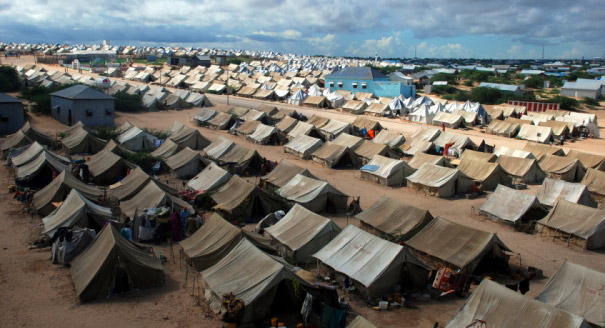
Source: Getty
Every week, a selection of leading experts answer a new question from Judy Dempsey on the foreign and security policy challenges shaping Europe’s role in the world.
Every week, a selection of leading experts answer a new question from Judy Dempsey on the foreign and security policy challenges shaping Europe’s role in the world.
The story of Europe-Africa engagement is not a particularly happy one. This is largely because although European governments and the EU have poured billions of euros into Africa—including into the coffers of Africa’s many failed and failing states—most of the funds have gone to state institutions and state actors.
Europe has failed to grasp the changes taking place in #Africa.Tweet This
For the most part, this has been a losing game, with EU resources failing to produce any notable change in governments’ policies. The key deficit in the EU’s approach has been its strikingly slow and plodding effort to engage with civil society representatives and to reach out to students, women, independent journalists, artists, and business leaders.
The result is simple: Europe has failed to grasp and to respond adequately to the dramatic changes taking place in Africa, including the rise of ethnic and religious tensions, the emergence of extremist and terrorist organizations, and challenges in the health and education sectors. To help Africa’s failed states, the EU must not only step up its conversation with nonstate actors but also listen to them.
The short answer is no. African states fail because of unresolved divisions in their societies or because of atrocious leadership. Therefore, only Africans themselves can redeem Africa’s failed states. No amount of aid can mend Somalia unless the Somali people take their destiny into their own hands. The same can be said of the Central African Republic or of South Sudan.
Only Africans themselves can redeem #Africa's failed states.Tweet This
This does not imply that Europe should or could stand idly by. Europeans have an obligation to help, if they can.
For example, the British nurse William Pooley went to treat Ebola patients in Kenema in Sierra Leone. In doing so, he helped repay a debt that goes back to World War II, when troops from the local area went off to fight for Britain. European aid, well used, has helped millions of African children (girls, in particular) get schooling.
French military assistance helped Mali, but foreign troops cannot halt Nigeria’s war with the militant Islamist group Boko Haram. That requires an end to endemic corruption and a belief by Nigerian politicians in their own soldiers.
So no simple answers. A case-by-case review should guide Europe’s Africa policies, bearing in mind Europeans’ commitment to justice, human rights, and equality.
The idea that Africa is always in need, and that Europe is the one helping, is not well received on the continent, nor is it borne out by reality. The causes of fragility globally and in Africa are complex. They are not subject to quick fixes or magic-bullet policy initiatives from Europe or elsewhere (for example, better security-sector reform, more equitable growth, or better terms of trade alone), despite wishful thinking from the political level.
Europe needs to work with African and int'l actors with humility.Tweet This
It is important to focus not only on state fragility but also on state-society relations and on effective regional cooperation. If it is to make a meaningful contribution, Europe needs to work with African and other international actors with a large degree of humility. Europe is actually already doing this, although it could use its multidimensional toolbox—EU delegations, various developmental, political, and security assets, and member-state interventions—better across Africa.
There is still a long way to go for the EU to coordinate the short- and long-term engagement of its institutions and member states to make that engagement more than the sum of its parts. If the EU can achieve this, it will be able to tackle more effectively the causes of fragility in Africa—including those coming from Europe.

Nonresident Senior Fellow, Carnegie Europe
Judy Dempsey is a nonresident senior fellow at Carnegie Europe
Recent Work
Judy Dempsey
Judy Dempsey
Carnegie does not take institutional positions on public policy issues; the views represented herein are those of the author(s) and do not necessarily reflect the views of Carnegie, its staff, or its trustees.
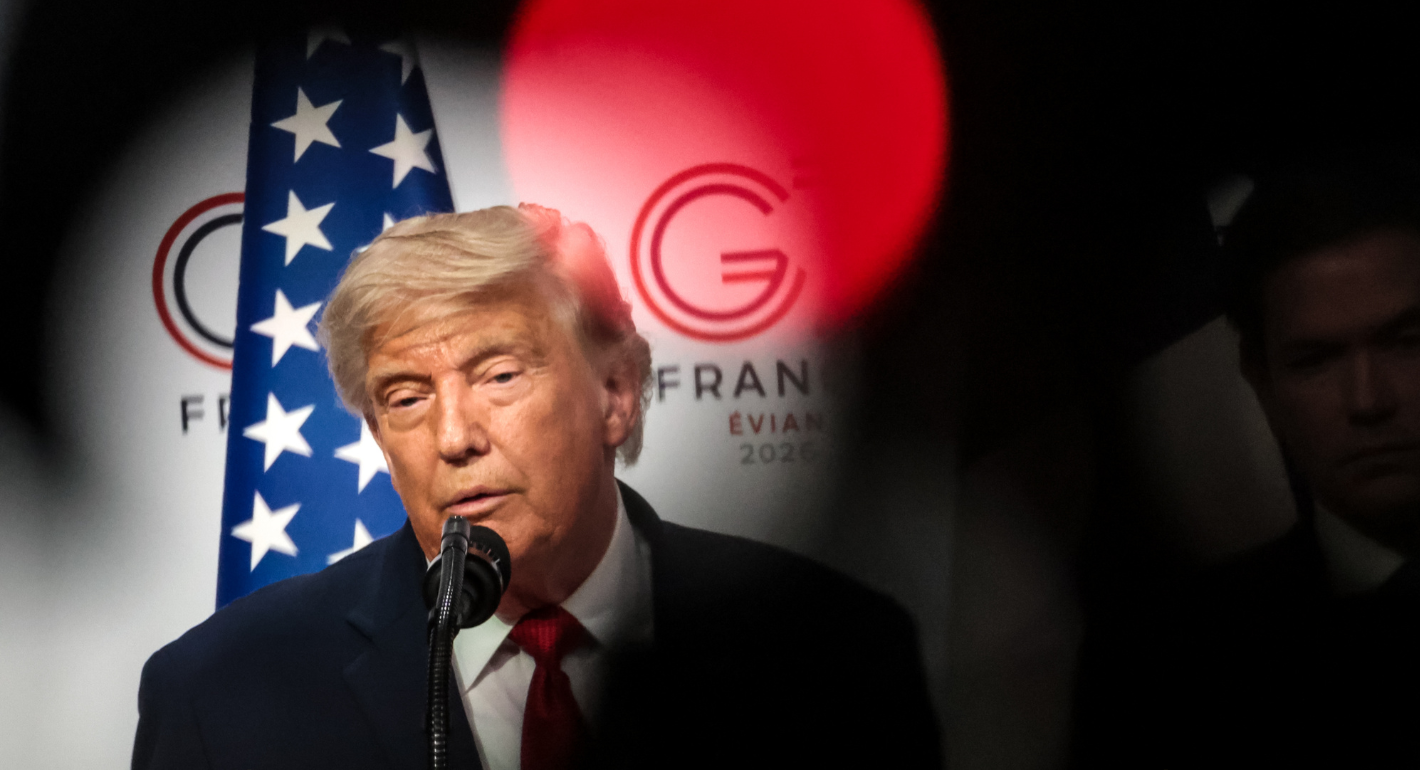
There is an elephant in the room when it comes to the EU’s upcoming security strategy: Donald Trump. Unless European leaders acknowledge the depth of the transatlantic crisis, true autonomy will remain out of reach.

Stefan Lehne
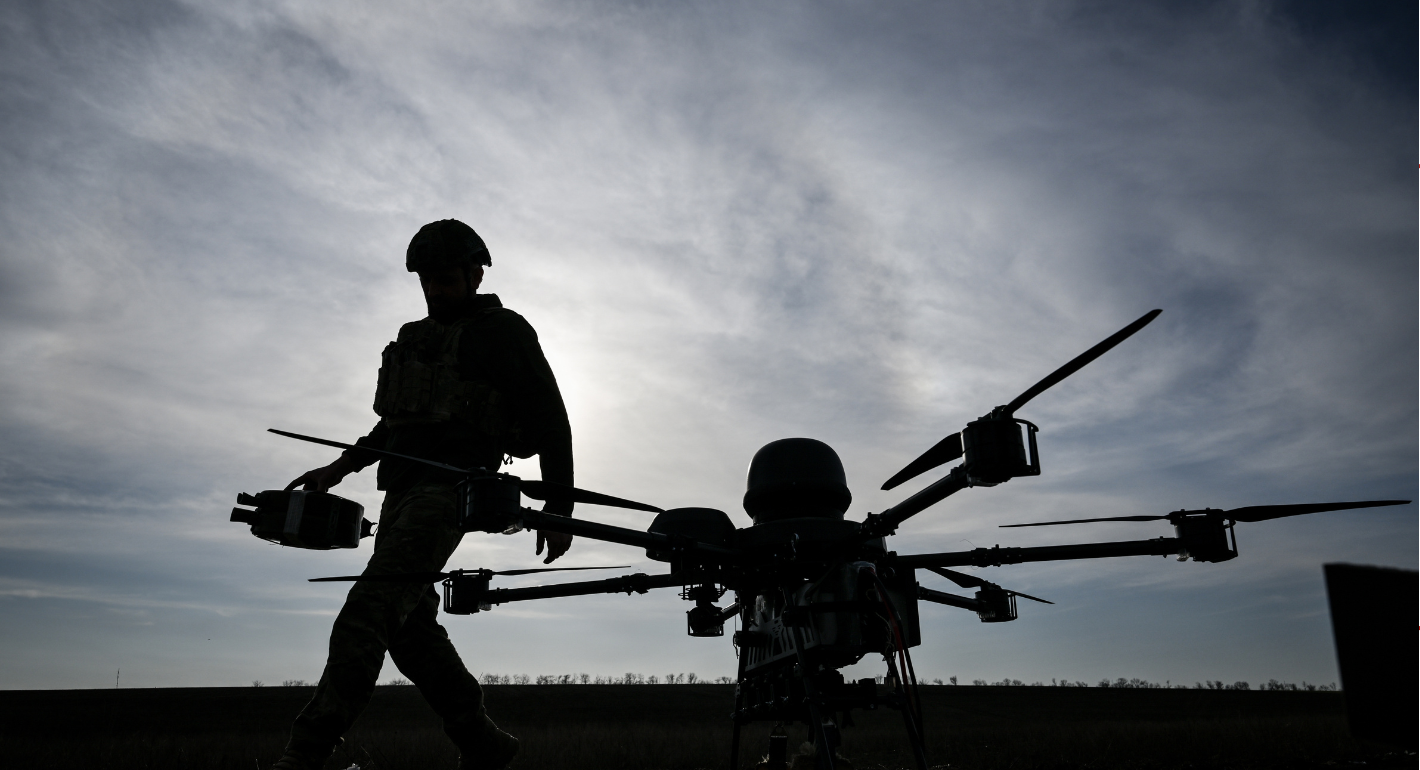
Defense tech innovations will be at the heart of Europe’s new security strategy. But so far, Brussels has been making moves without a broader plan, undermining readiness and credibility.

Raluca Csernatoni
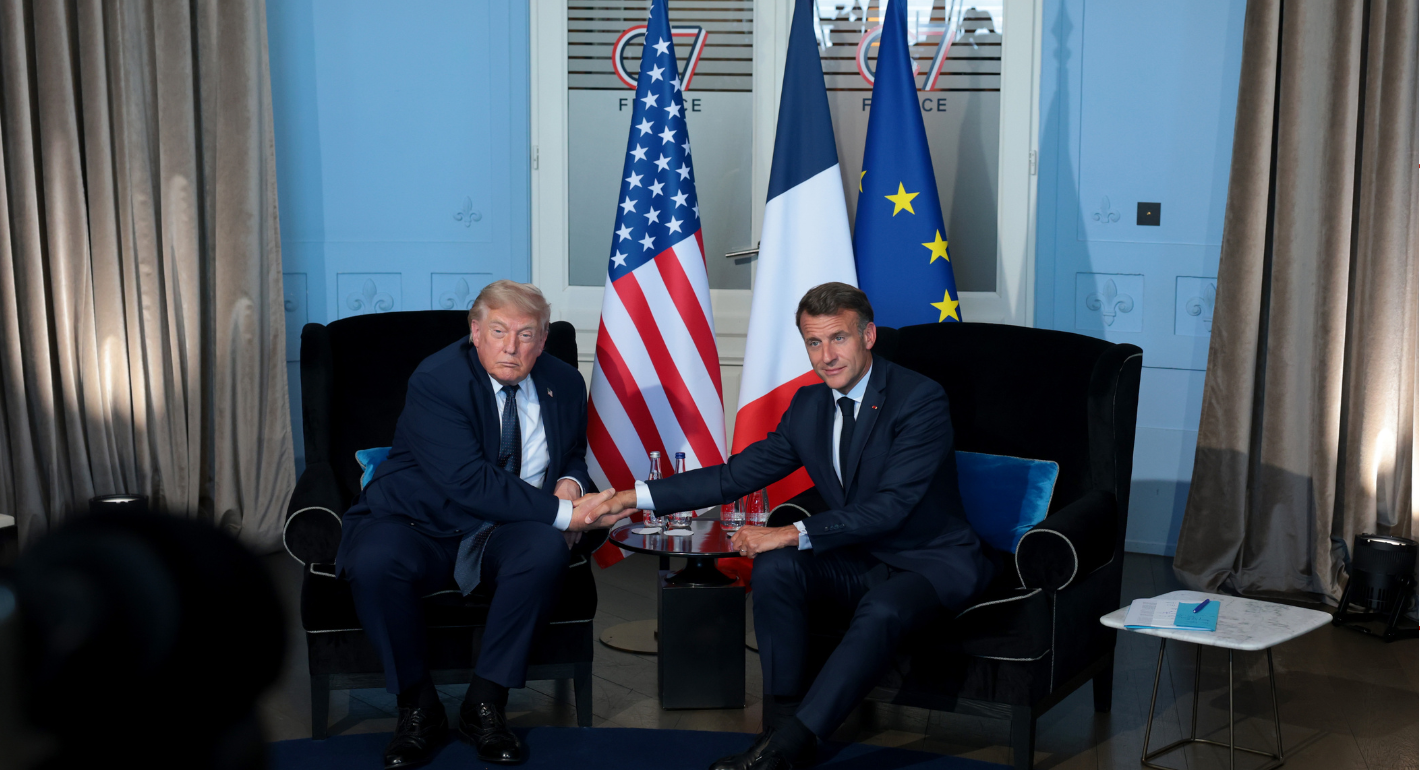
When the U.S.-Iran memorandum of understanding was announced, the UK, France, Germany, and Italy declared their readiness to help demine the Strait of Hormuz and lift nuclear sanctions on Tehran. But does Europe need new tools to recover a diplomatic role?

Rym Momtaz, ed.
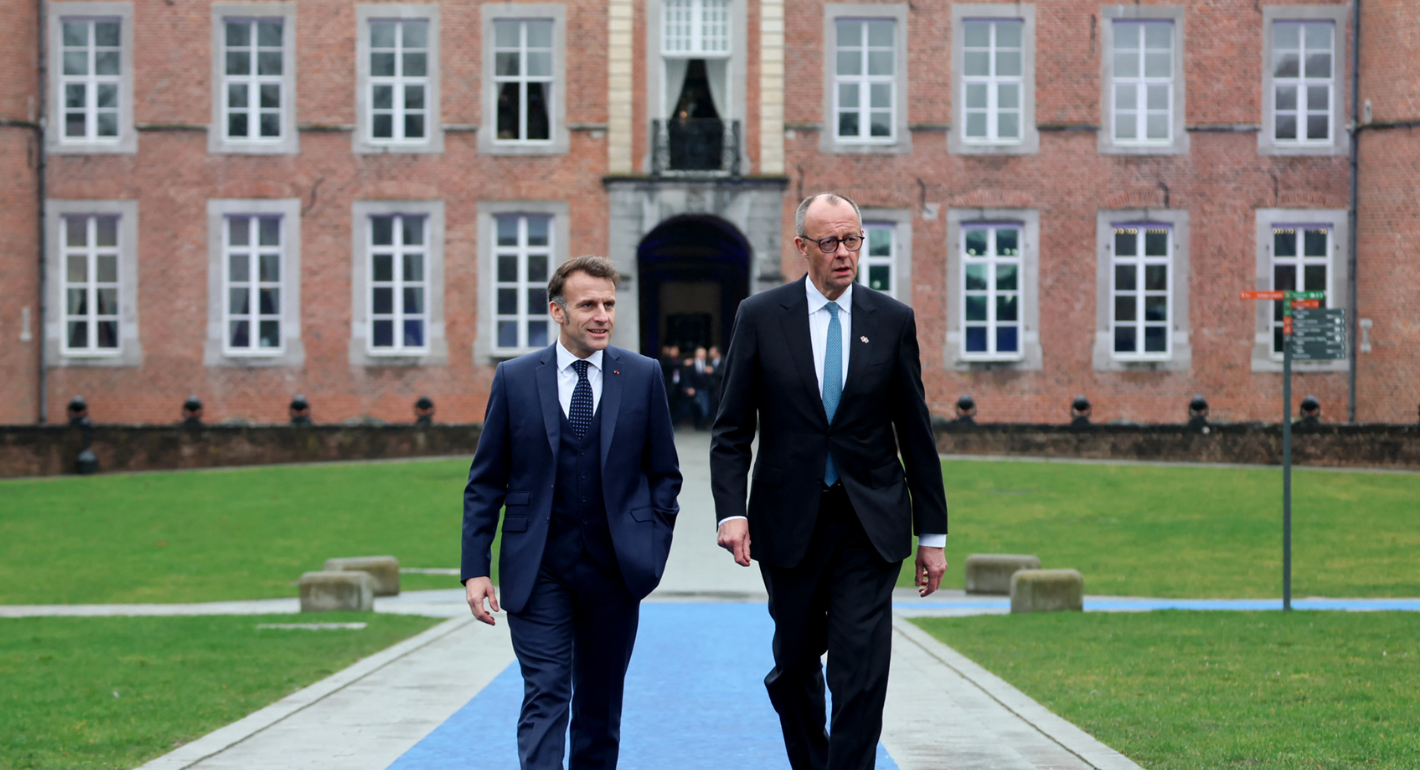
The Franco-German relationship is on the rocks again. But unlike previous moments of tension, the epochal changes on the world stage require that both step up investment in their bilateral ties.
Rym Momtaz

The EU is putting together a new security strategy to meet today’s myriad challenges. But for any proposal to be effective, the union needs to grapple with its identity and ambitions.

Pierre Vimont