

Commentary
The Franco-German relationship is on the rocks again. But unlike previous moments of tension, the epochal changes on the world stage require that both step up investment in their bilateral ties.
Rym Momtaz
{
  "authors": [
    "Mikhail Minakov"
  ],
  "type": "commentary",
  "blog": "Strategic Europe",
  "centerAffiliationAll": "",
  "centers": [
    "Carnegie Endowment for International Peace",
    "Carnegie Europe"
  ],
  "collections": [
    "Europe’s Eastern Neighborhood"
  ],
  "englishNewsletterAll": "",
  "nonEnglishNewsletterAll": "",
  "primaryCenter": "Carnegie Europe",
  "programAffiliation": "",
  "programs": [],
  "projects": [],
  "regions": [
    "Europe",
    "Eastern Europe",
    "Ukraine"
  ],
  "topics": [
    "Political Reform",
    "EU"
  ]
}
Source: Getty
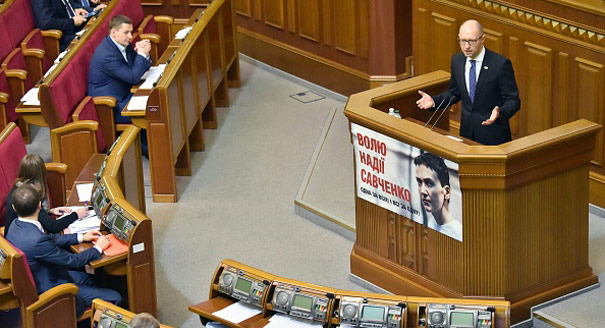
The resignation of Ukraine’s prime minister will make constitutional reform in the country impossible and will delay reforms in many other areas.
In the two years since Ukraine’s Revolution of Dignity, or Euromaidan, Ukrainian politics has revealed its worst side: former corruption fighters have established their own financial-political clans; former democrats have created a superpresidential system, hunted the media, and deprived the opposition from having a say; and former reformers have sought to leave the drowning government as soon as possible. The political crisis that started in February 2016 has shown Ukraine’s post-Euromaidan political elite to be a source of national shame.
On top of the endless wave of political scandals, on April 10 Ukraine’s Prime Minister Arseniy Yatsenyuk declared his intention to resign. Though the announcement was his first public recognition of his plan to leave the cabinet, it was not news. Since late February, the media have been full of details of bargaining between Ukrainian President Petro Poroshenko, the leaders of different political factions, and the prime minister himself on Yatsenyuk’s conditions for quitting.
The resignation of Yatsenyuk and the expected creation of a bipartisan coalition makes constitutional reform in Ukraine impossible and delays many other reforms. Even though the opposition is highly fragmented, it has also become much stronger in its resistance to reform. All voting on reform packages will now be much more complicated.
Since February 16, when Kiev’s duumvirate of Poroshenko and Yatsenyuk failed to come to terms and create a stable cabinet for the next six months, the creation of a new coalition and cabinet has been inevitable. Yatsenyuk never publicly agreed to step down. On the contrary, even in his last weekly ten-minute address he exuded assurance in his political future. Yet after former prosecutor general Viktor Shokin resigned and claims emerged of the creation of a new bipartisan coalition in late March, it was time for Yatsenyuk to go.
In his resignation statement, Yatsenyuk refused to bear any responsibility for the political and economic situation in Ukraine. Instead, he portrayed himself as a victim of unnamed politicians whose “desire to change one person” blinded them and “paralyzed their political will for real change.” Yatsenyuk blamed the parliament for its inability to endorse a new cabinet in accord with his proposals and under his leadership, thus making the political crisis impossible to resolve in a constructive way. It was as if the president and prime minister had learned nothing from the infighting that has paralyzed Ukraine since its independence in 1991.
To cap it all, by early April, the Ukrainian public was disgusted by revelations of Poroshenko’s offshore holding company, by the rejection in a Dutch referendum of the EU-Ukraine Association Agreement—with disastrous consequences for Ukraine’s European ambitions, and by scandals in the Prosecutor General’s Office. Following these events, the public quietly praised the resignation of the highly unpopular prime minister. Even from those rare supporters of Yatsenyuk, there were no words of gratitude for a politician who had led the cabinet in the hardest times of Ukraine’s recent history. The only words of thanks came from abroad: from German Chancellor Angela Merkel and U.S. Vice President Joe Biden.
Yatsenyuk’s resignation opens up a new page in post-Euromaidan politics. Now, the new coalition must prove its ability to survive. According to leaks from the Ukrainian parliament, or Rada, the coalition will have the support of about 230 members (with 226 necessary for a majority). The alliance will consist of two main parties: the Petro Poroshenko Bloc and Yatsenyuk’s People’s Front. Because these two factions alone do not have enough members to create a majority, they will also bring individual parliamentarians from other parties into the coalition. This way of coalition building was tested after the 2004 Orange Revolution and led to the growth of corruption in the parliament.
The same leaks say that the new candidate for the post of prime minister will be Volodymyr Groysman, the speaker of the Rada. Loyal to Poroshenko, Groysman has considerably reduced the significance of the parliament in post-Euromaidan Ukraine. His promotion to the position of prime minister may serve to return some power to the Rada. Poroshenko’s party will have several ministers and vice prime ministers in the future cabinet.
To somewhat balance the increasing power of Poroshenko’s group, Ukraine’s parliament will be led by Andriy Parubiy, a vice speaker from the People’s Front and former head of the Euromaidan self-defense force. Yatsenyuk’s party will also have more ministers and a vice prime minster in the cabinet.
Yatsenyuk’s resignation will create more risks for Poroshenko’s rule. For a long time, Yatsenyuk was a major figure who received all the criticism for Ukraine’s failing reforms, while Poroshenko had relatively high popular support. It was only after the farce of February 16 that Poroshenko’s image was shaken and his ratings started to slip. By the beginning of March, former prime minister Yulia Tymoshenko was more popular in opinion polls than Poroshenko. With Yatsenyuk gone, Poroshenko will be the major politician responsible for the success of Ukraine’s reforms.
The days and weeks ahead will tell if this is the end of the government of shame in postrevolutionary Ukraine. The country desperately needs some good news and hope for a better life.
Mikhail Minakov is an associate professor in the Department of Philosophy and Religious Studies at the National University of Kyiv-Mohyla Academy and editor in chief of the Ideology and Politics Journal.
Mikhail Minakov
Carnegie does not take institutional positions on public policy issues; the views represented herein are those of the author(s) and do not necessarily reflect the views of Carnegie, its staff, or its trustees.
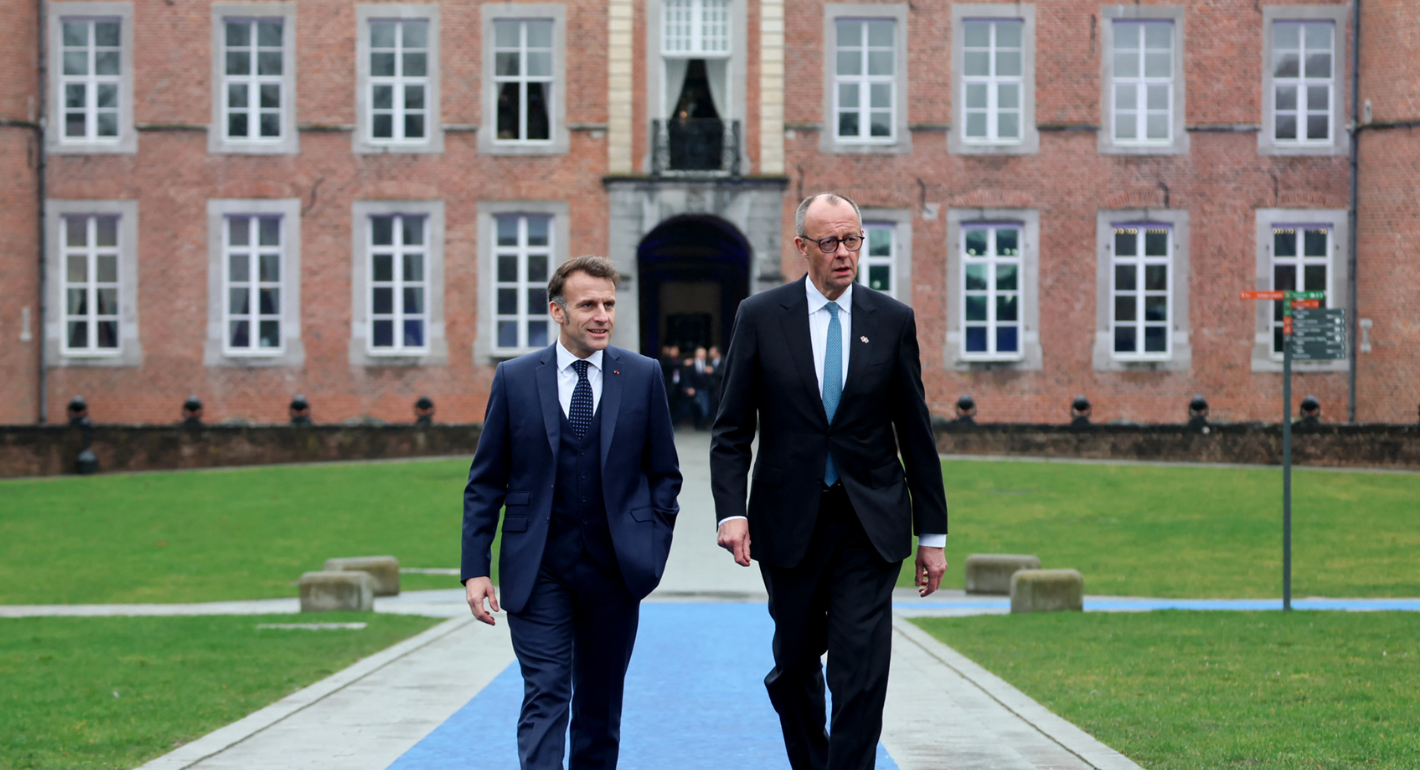
The Franco-German relationship is on the rocks again. But unlike previous moments of tension, the epochal changes on the world stage require that both step up investment in their bilateral ties.

Rym Momtaz

The EU is putting together a new security strategy to meet today’s myriad challenges. But for any proposal to be effective, the union needs to grapple with its identity and ambitions.

Pierre Vimont

The EU’s new migration policy is not suited to today’s realities. With climate change increasingly becoming a driver of displacement, Europe needs to rethink its deterrence-focused approach.

Shana Tabak
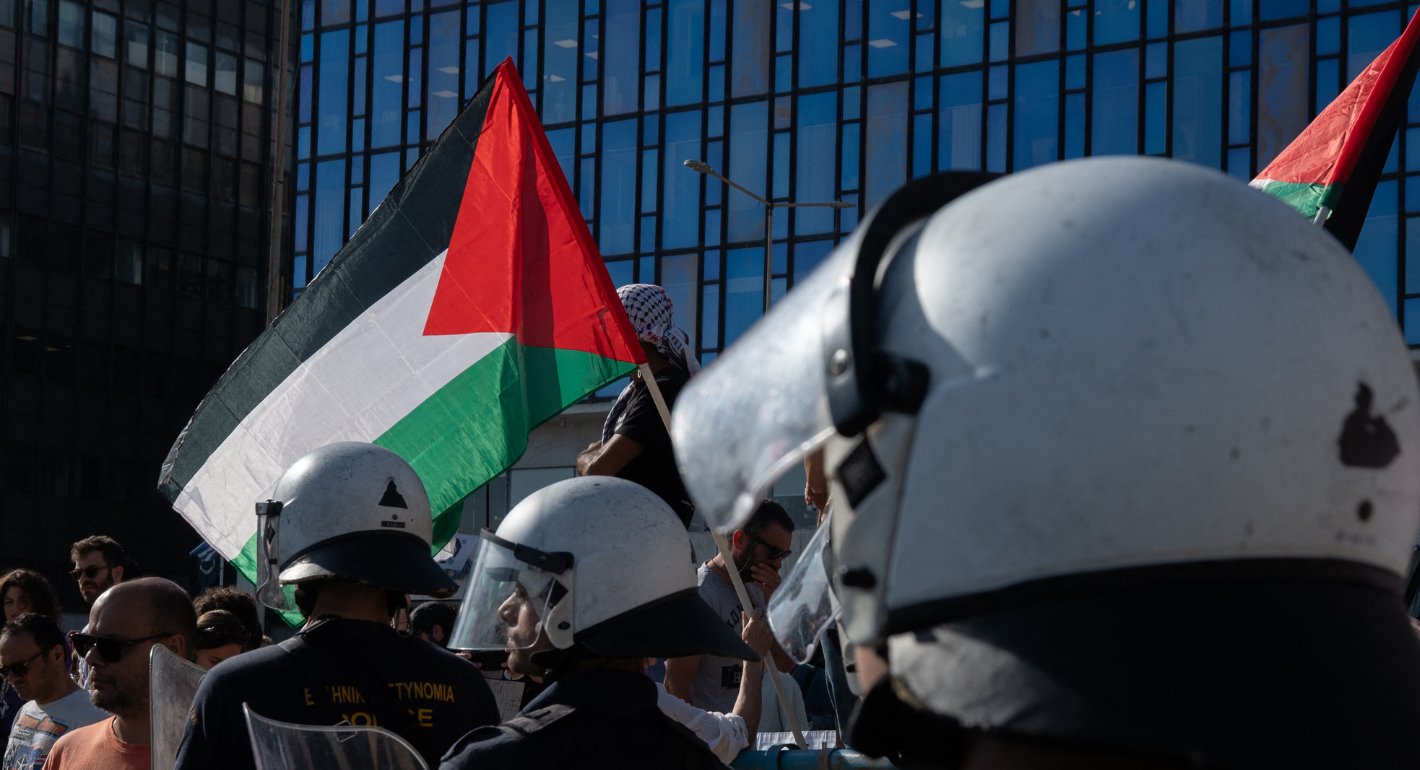
The battle over free speech has taken center stage since U.S. Vice President JD Vance accused Europe of censorship. From travel bans to social media regulation, especially around the Israel-Palestine conflict, are liberal democratic governments weaponizing free speech?
Rym Momtaz, ed.
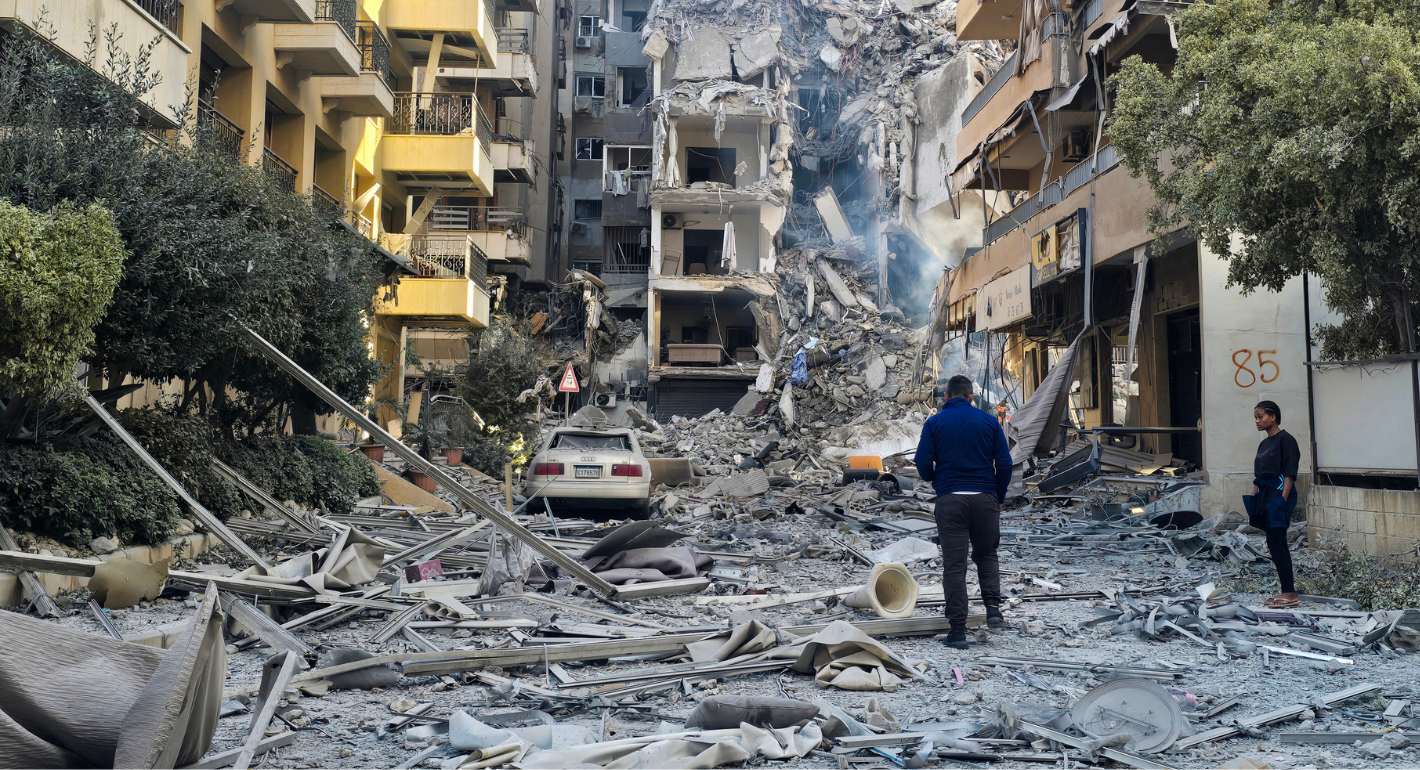
Europe seems to have accepted its sidelining in the Middle East. The EU must reassert its support for the international rules-based order and step up engagement.
Rym Momtaz