

Commentary
Ahead of a tough winter for Ukraine, Donald Trump’s swing back toward Russia bodes ill. But instead of panicking, Kyiv’s European allies are focusing on action.
Rym Momtaz
{
  "authors": [
    "Daniel Keohane"
  ],
  "type": "commentary",
  "blog": "Strategic Europe",
  "centerAffiliationAll": "",
  "centers": [
    "Carnegie Endowment for International Peace",
    "Carnegie Europe"
  ],
  "collections": [],
  "englishNewsletterAll": "",
  "nonEnglishNewsletterAll": "",
  "primaryCenter": "Carnegie Europe",
  "programAffiliation": "",
  "programs": [],
  "projects": [],
  "regions": [
    "Europe",
    "Western Europe"
  ],
  "topics": [
    "Foreign Policy",
    "Security",
    "Military",
    "EU"
  ]
}
Source: Getty
Will EU member governments heed Federica Mogherini’s clarion call for more investment and a more active EU defense policy? History is not encouraging.
There is much for defense buffs to ponder in the new EU global strategy. Three themes in particular stand out. The first is to guarantee the security of the union and its citizens. This would require the EU to develop what the document calls “strategic autonomy,” implying that Europeans should take much more responsibility for their own security and invest more together in security and defense capabilities.
A second theme is the link between internal and external security, because EU security “depends on peace beyond our borders,” geographically prioritizing the EU’s broad neighborhood. Given the current turbulence across the EU’s extended neighborhood, ranging from wars to terrorism to refugee flows, the strategy emphasizes the need for the EU to invest in “state and societal resilience” from Central Asia to Central Africa.
A third theme is to develop an “integrated approach” to conflicts. This is not new, in the sense that the EU has long claimed that one of its strengths is the ability to join up a wide variety of international security policy instruments, from development spending to defense policy. While sound in principle, this has proved very difficult to implement in practice. This is in part because Federica Mogherini, the EU foreign policy chief, can try to coordinate disparate policies but cannot command member states to deploy military assets or direct EU development spending.
Three main tasks emerge from these broad themes. First, the strategy says that the EU should have a much more responsive defense policy, meaning that member states should be able to react more rapidly to crises and deploy armed forces more quickly if necessary. Rapid crisis response has been a core task of EU defense policy since its formal inception in 1999, and since then national governments have struggled to up their game in this respect.
But given the wide variety of difficult security challenges across the EU’s broad neighborhood, which will likely intensify in the coming years, it is right that rapid response is restated in the strategy as a core task for EU defense policy.
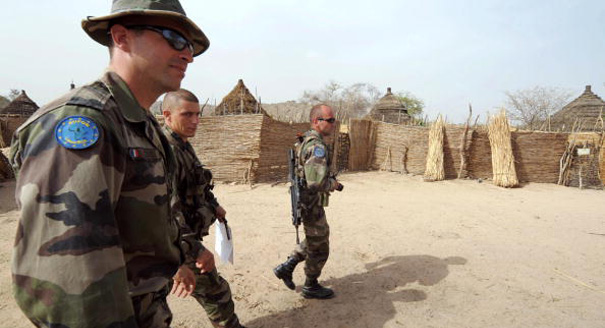
Second, the EU should try to bolster fragile states, a large number of which can be found across the EU’s extended neighborhood. The EU already has some experience of helping third countries become more resilient, for example training Malian armed forces to counter terrorists. These types of capacity-building operations are likely to play a more prominent role in EU defense policy in the future.
Third, the EU should step up its contribution to protecting its citizens and territory. This is an innovation in the document and reflects the growing demand for homeland security–style tasks in recent years, such as countering people smuggling in the Mediterranean.
The document makes clear that NATO remains the primary forum for collective defense for its member governments (six EU countries are not members of NATO). Although vague on detail, the strategy says that the EU could contribute much more to collective security in Europe. This is fine in principle, but it remains unclear how this would complement NATO’s collective-defense duties, and what role—if any—the EU could or should play in conventional deterrence.
All in all, the global strategy lays out clear priorities and an ambitious agenda for EU defense policy. And it calls on EU member states to invest more in defense and cooperate more closely together. Therein, however, lies the nub of the challenge, as it is unclear how credible this ambitious agenda will prove in practice. Will member-state governments heed the strategy’s clarion call for more investment in “full spectrum defense capabilities” and a more active EU defense policy?
History is not encouraging in this respect. EU governments have signed up to numerous EU defense plans and goals since 1999, but with few impressive results. In truth, EU defense policy has been noted more for its potential than for its impact. Moreover, the largest European military spender—the UK—intends to leave the union in the coming years, which will greatly reduce the military credibility of EU defense policy.
This is not to say that the other 27 EU governments should not try to develop EU defense policy. Following the June 23 decision of the British people to leave the EU, the French and German foreign ministers proposed a “European Security Compact” to strengthen the EU’s contribution to international security. Among other things, they suggested that the EU should have a “permanent civil-military chain of command.”
If the EU is serious about developing strategic autonomy, it makes sense for it to have its own central capacity for running peace operations (both civil and military). But creating new institutions will not ensure that the EU can meet the ambitious defense agenda outlined in the global strategy. That will require France and Germany—and the other 25 remaining EU governments—to spend more on defense, cooperate more closely, and be prepared to do more together.
Daniel Keohane is a senior researcher at the Center for Security Studies at ETH Zürich.
Daniel Keohane
Carnegie does not take institutional positions on public policy issues; the views represented herein are those of the author(s) and do not necessarily reflect the views of Carnegie, its staff, or its trustees.
Ahead of a tough winter for Ukraine, Donald Trump’s swing back toward Russia bodes ill. But instead of panicking, Kyiv’s European allies are focusing on action.

Rym Momtaz
While the EU and European governments are embracing the much-lauded middle-power moment, this entails three difficult conundrums.

Richard Youngs
Much has been said of the changes Brussels is trying to make to the EU enlargement process. Here’s why gradual integration might—or might not—be the answer.

Dimitar Bechev
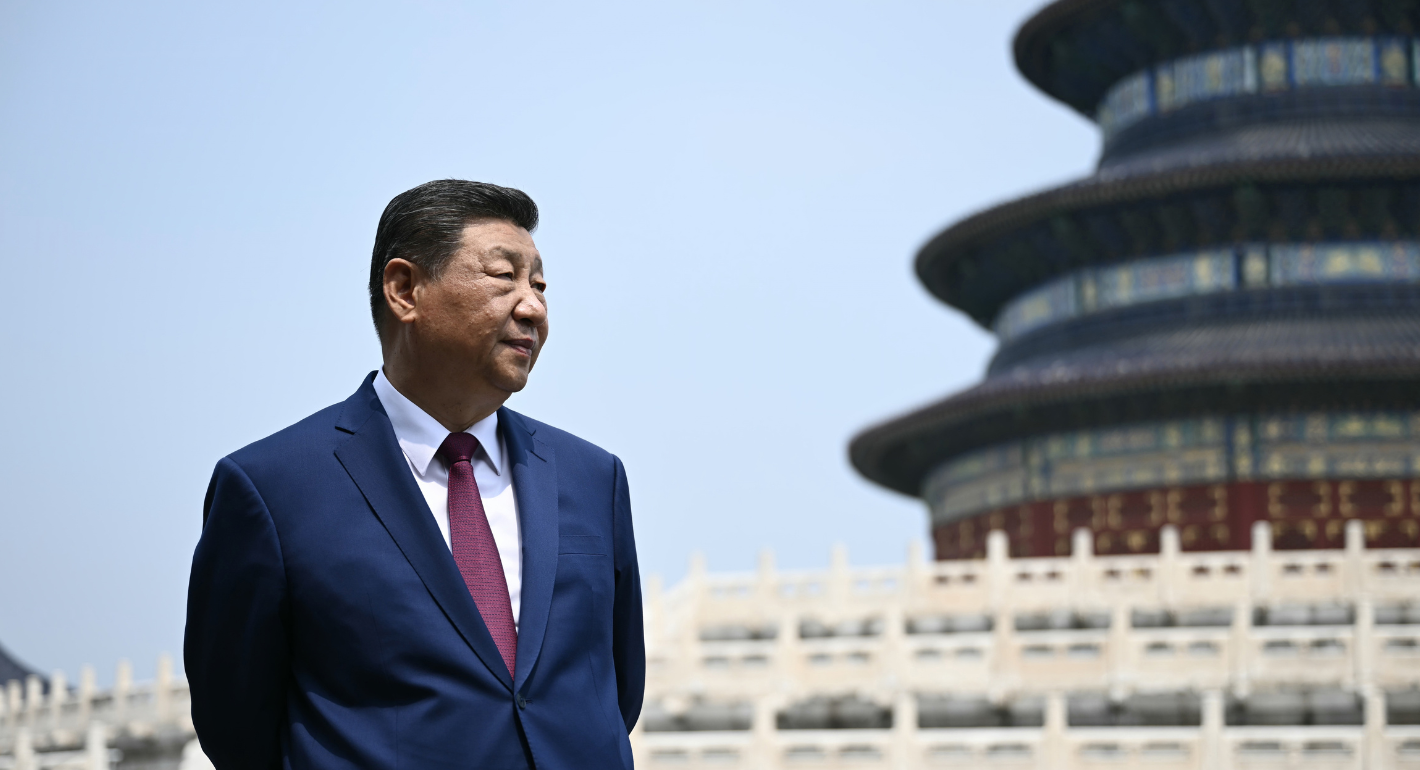
The European Commissioner for Trade is headed to China. But after President Xi’s bridge-building visit to Washington, can a more isolated EU overcome Beijing’s stranglehold on critical raw materials? Who will blink first?
Rym Momtaz, ed.
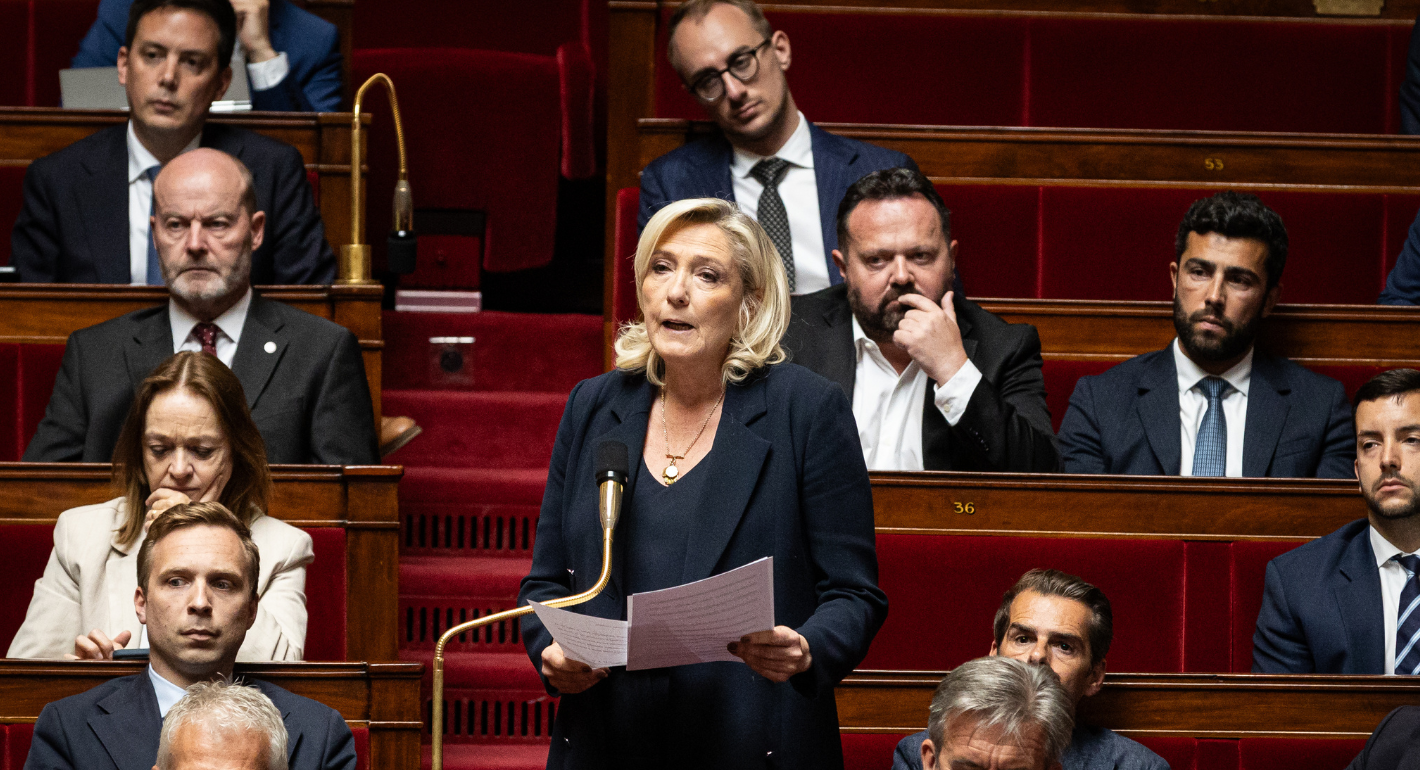
The domestic impacts of how long it is taking to end the war in Ukraine have pushed the French electorate to the political extremes and compromised the country’s diplomatic capacity.
Rym Momtaz