

Commentary
Trump is distracted and Ukraine wants Europe to step up. The continent’s leaders must find their voice and assert it in talks with Russia.
Alissa de Carbonnel
{
  "authors": [
    "John R. Deni"
  ],
  "type": "commentary",
  "blog": "Strategic Europe",
  "centerAffiliationAll": "",
  "centers": [
    "Carnegie Endowment for International Peace",
    "Carnegie Europe"
  ],
  "collections": [
    "Europe’s Eastern Neighborhood",
    "Transatlantic Cooperation"
  ],
  "englishNewsletterAll": "",
  "nonEnglishNewsletterAll": "",
  "primaryCenter": "Carnegie Endowment for International Peace",
  "programAffiliation": "",
  "programs": [],
  "projects": [],
  "regions": [
    "Russia",
    "Europe",
    "North America"
  ],
  "topics": [
    "Security",
    "Foreign Policy",
    "EU"
  ]
}
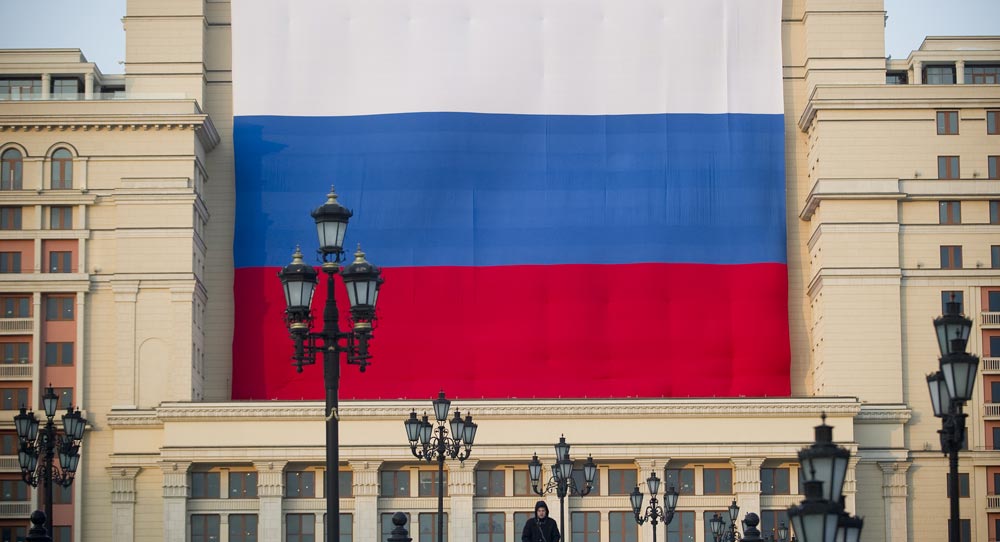
Source: Getty
Moscow is engaged in a hybrid war against the West. The West’s response amounts to muddling through.
Apparent Kremlin meddling in the United Kingdom’s decision to leave the European Union is only the latest in a series of egregious Russian efforts to undermine Western governments and institutions, heighten insecurity, and ultimately sever the transatlantic link. Obviously, Russia is engaged in a kind of covert war against the West, or what’s more fashionably termed a hybrid war.
Though it’s not been entirely clear, the Western response to date appears to be one of muddling through—pushing back where necessary, but holding out hope for cooperation with Moscow where possible. However, this sort of approach toward Russia fails to address the heart of the conflict between Moscow and the West, and so it is unlikely to adequately safeguard Western interests over time.
Last week, British Prime Minister Theresa May leveled a series of accusations against the Kremlin, in what was an unusually forthright public speech by a leading Western political figure. Just days later, British academics reported evidence of Russian efforts to sow discord in the UK before and after the Brexit vote.
During recent elections in Germany, the success of the right-wing Alternative for Germany (AfD) was at least in part a product of the party’s cozy relationship with Russian state-sponsored media outlets. Earlier this year, evidence appeared to indicate the Russians undertook far more aggressive tactics during the French presidential election, infiltrating voting-related infrastructure as well as leaking nine gigabytes of emails from candidate Emmanuel Macron’s campaign onto the web.
Similarly, the Kremlin sought to manipulate public opinion and electoral outcomes in the case of the Dutch election, according to a report released by Dutch intelligence officials. Russia’s aggressive, direct interference in the 2016 U.S. presidential election is of course widely known. And most recently, Spanish officials have accused the Kremlin of “massively” publicizing the separatist cause in Catalonia through social media.
Meanwhile, Russian violations of allied airspace have continued and its aggressive testing of electronic warfare capabilities recently blinded civilian aviation and disabled civilian emergency response service and cellular networks in some NATO countries. Russian efforts to weaponize energy have been longstanding, but in 2015, Russian officials appeared to weaponize even refugees, facilitating their transit through Russia to Norway and Finland. Additionally, Russia continues to violate the terms of the Intermediate-Range Nuclear Forces (INF) Treaty, thereby further destabilizing Europe as Moscow builds, tests, and fields prohibited missile systems.
Considered together, this veritable assault on Western networks, governments, electoral processes, security, institutions, and norms amounts to a hybrid war waged by Moscow against the West, designed to achieve any number of Russian objectives through actions short of an Article 5 threshold-crossing event. In response, Western strategy remains mostly opaque, or at least not explicit. The reasons for this are too complex to address here, but they include both domestic political as well as intra-alliance factors and dynamics.
To the degree that a strategy is discernable, the emerging Western approach seems to be to treat Russia as a combination of adversary and partner—to confront Moscow where the West must, but to cooperate with Moscow where the West can. At a minimum, recent statements by senior U.S. officials or nominees seem to confirm this, as well as NATO’s efforts to revive the NATO-Russia Council.
This approach, or what might be termed a strategy of “cooperate and confront,” recognizes that on several issues—such as terrorism, Syria, and counterproliferation—cooperation with Russia could serve Western interests well. In many ways, this is essentially the strategy the West has pursued since Russia’s invasion of Ukraine and its illegal annexation of Crimea. Perhaps most interestingly, it is also the strategy the West has pursued during each of the other rough patches in NATO-Russian relations over the last 25 years. Intuitively, this sort of two-track approach is very appealing, since it appears to be an extraordinarily practical way of handling a troublesome partner.
However, this approach has some fundamental flaws. First, a cooperate and confront strategy fails to sufficiently protect vital Western interests. It does so by leaving Moscow free to continue to violate airspace, weaponize energy, manipulate public opinion, and cripple critical infrastructure, with evidently little in the way of compelling consequences. Instead (assuming that Moscow can tolerate occasionally heated rhetoric, such as that offered last week by Theresa May), it rewards Moscow with a lasting Western degree of naiveté.
More importantly, a cooperate and confront strategy fails to address what’s at the heart of the struggle between Russia and the West. That is, it does not deal with the irreconcilable conflict between Moscow’s geopolitically inspired conflation of space and security on the one hand and the West’s enduring commitment to liberty, the rule of law, and self-determination on the other.
In other words, a cooperate and confront strategy addresses the symptoms but not the illness at the heart of Western-Russian differences. In this way, cooperate and confront is perhaps necessary but not sufficient for managing the challenges posed to Western interests.
Finally, a cooperate and confront strategy is costly for the West—politically, economically, and possibly militarily—because it places the West in the position of having to repeatedly “confront” Russia as Western redlines are approached and crossed.
The West clearly needs a new approach toward Moscow. Unfortunately, continuing to rely on a strategy of cooperate and confront is likely to yield more of the same for the West, including compromised elections and referenda, heightened divisiveness in the public sphere, and disunity within the transatlantic community.
Dr. John R. Deni is a research professor of security studies at the Strategic Studies Institute of the U.S. Army War College and an adjunct professor at the American University’s School of International Service. The views expressed are those of the author and do not necessarily reflect those of the U.S. Department of the Army, the U.S. Department of Defense, or the U.S. government.

John R. Deni
Atlantic Council
John R. Deni is a research professor at the U.S. Army War College’s Strategic Studies Institute, a nonresident senior fellow at the Atlantic Council, and an associate fellow at the NATO Defense College. He is the author of NATO and Article 5. The views expressed are his own.
Carnegie does not take institutional positions on public policy issues; the views represented herein are those of the author(s) and do not necessarily reflect the views of Carnegie, its staff, or its trustees.

Trump is distracted and Ukraine wants Europe to step up. The continent’s leaders must find their voice and assert it in talks with Russia.

Alissa de Carbonnel

Mounting economic strain and battlefield losses will not necessarily make the Kremlin less dangerous. They could instead push Moscow toward a more aggressive hybrid campaign designed to test NATO’s Eastern flank, exploit allied hesitation, and fracture European resolve.

Maksym Beznosiuk

Over the past ten years, NATO has held almost as many summits as it did during the entirety of the Cold War. Are they still useful, or is it time to stop holding annual meetings?

Rym Momtaz, ed.
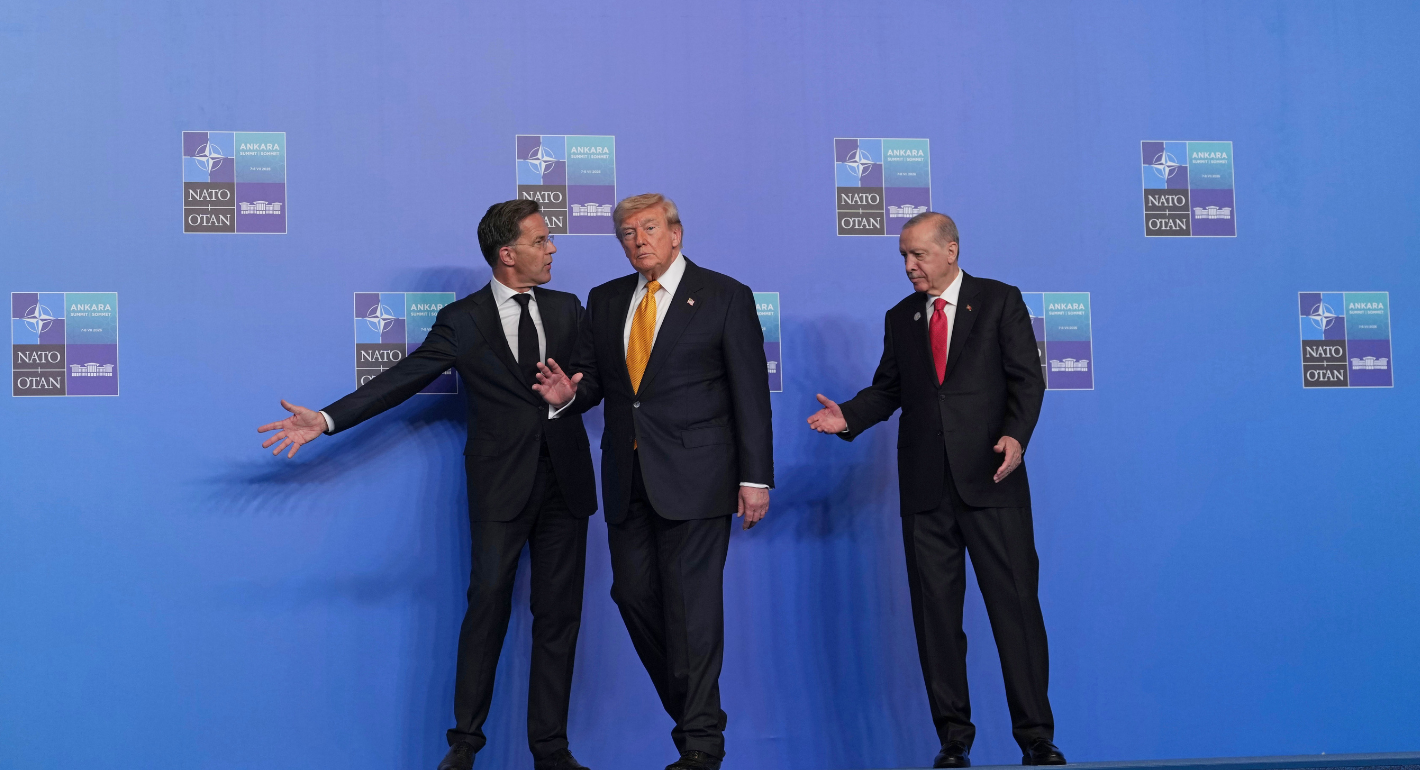
Nearly a year and a half after Europeans leaned into sucking up to Trump, the strategy has produced some benefits when it comes to Ukraine.
Rym Momtaz
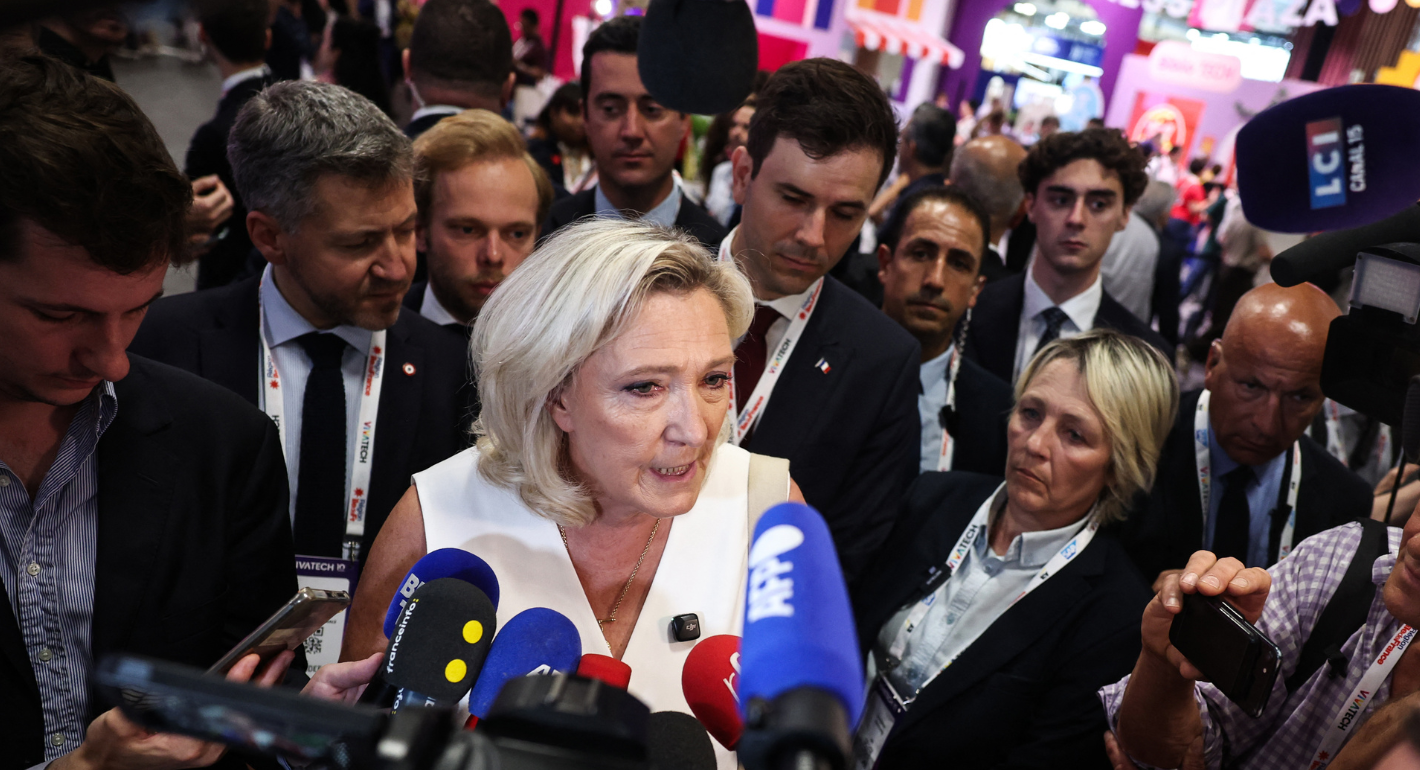
Far-right leader Marine Le Pen can—and will—run in France’s next presidential election. What does the outcome of her appeal against a 2025 embezzlement conviction mean for the country’s political future?

Catherine Fieschi