

Commentary
Judy Dempsey
{
  "authors": [
    "Judy Dempsey"
  ],
  "type": "commentary",
  "blog": "Strategic Europe",
  "centerAffiliationAll": "",
  "centers": [
    "Carnegie Endowment for International Peace",
    "Carnegie Europe"
  ],
  "collections": [
    "EU Integration and Enlargement"
  ],
  "englishNewsletterAll": "",
  "nonEnglishNewsletterAll": "",
  "primaryCenter": "Carnegie Europe",
  "programAffiliation": "",
  "programs": [],
  "projects": [],
  "regions": [
    "Europe",
    "Western Europe",
    "France",
    "Germany"
  ],
  "topics": [
    "EU"
  ]
}
Source: Getty
The next German government needs a long overdue policy for Europe’s future. That means supporting French President Emmanuel Macron.
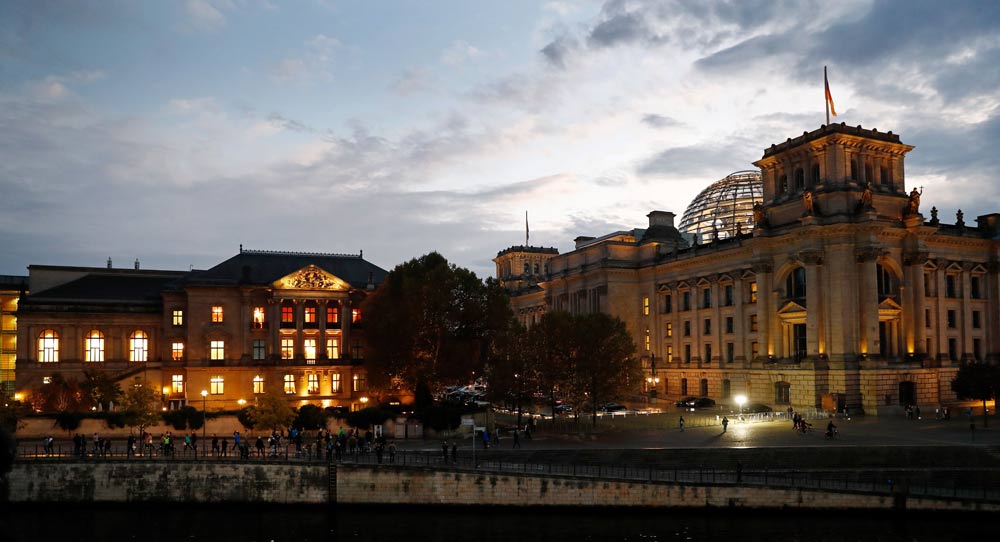
It has all the appearances of harmony. Every so often, for the benefit of the cameras, the leaders of four political parties who are trying to thrash out a coalition agreement gather on the balcony of the elegant Parliamentary Society in Berlin.
The building, which was completed in 1904 and has splendid views of the river Spree as well as the German Bundestag, usually serves as a rather exclusive dining and meeting place for parliamentarians.
But since the federal elections of September 24, it has become a retreat for Chancellor Angela Merkel’s Christian Democrats as well as the leaders of the Christian Social Union, the Greens, and the Free Democrats.
Inside, Merkel has to mesh the very different views of these parties. It is the first time ever that they have had to form a coalition after the conservative bloc lost a substantial number of votes to the far-right and anti-immigrant Alternative for Germany party.
These coalition parties differ over environmental, energy, and tax policy. They also differ over Europe. But it will be the government’s policy toward Europe that will shape Berlin’s relationship with Paris.
French President Emmanuel Macron is waiting for Merkel to speak about Europe; to respond to the speeches that he made at the Hôtel de Ville, a venue he used to celebrate the five hundredth anniversary of the Reformation, and at the Sorbonne. Both speeches were not just about Europe. They were about Germany; and France’s special relationship with its neighbor. Macron is waiting for Merkel to deliver. It’s not certain that the German chancellor can or will.
The two leaders couldn’t be more different. Apart from age—Macron is 39, Merkel is 63— and political experience—this is Macron’s first stint as president, Merkel’s fourth as chancellor—Macron has bold views for Europe, Merkel has none.
Macron points to closer cooperation in the eurozone on the basis of a joint budget. “A budget must be placed under the strong political guidance of a common minister and be subject to strict parliamentary control at (the) European level. Only the eurozone with a strong and international currency can provide Europe with the framework of a major economic power,” he said at the Sorbonne.
The French president also wants the eurozone to make progress on corporate tax rate convergence, to have a financial transaction tax, and to have a gradual convergence of the different social policy systems. As if that’s not already bold and ambitious enough, Macron wants to put in place a European trade prosecutor so that international trade rules are adhered to.
On the political level, or rather on the level of citizens, the French president wants to create transnational party lists. That could lead to a European party system, a kind of European polity for European citizens.
Were that to happen, the European project, which has become such an elite-driven project and dominated by the European Council that represents the member states, could be radically transformed. For all the above to happen, Macron needs allies. He needs Merkel.
Throughout the chancellor’s twelve years in power—which first started in the Parliamentary Society building when she established her first coalition with the Social Democrats—it’s hard to recall Merkel ever giving a major speech on Europe.
Yes, she has given plenty of speeches extolling the virtues of the euro currency and how she would do everything to save it. But the chancellor’s views about what Europe can become, or should become, remain a mystery.
What is certain is that during Merkel’s tenure, she has embraced intergovernmentalism—a shorthand for doing things via the member states—over the Commission, or Community policy. That shift began under the former Social Democrat chancellor Gerhard Schröder. It slowly and steadily eroded the decades-long policy pursued by previous chancellors, most notably Helmut Kohl.
Merkel, too, has stuck by her outgoing finance minister Wolfgang Schäuble. During his last meeting of eurozone ministers on October 9, Schäuble presented a paper that poured lots of cold water on Macron’s plans for a euro budget and bailouts. Bailouts should come with “the obligation to carry out comprehensive debt restructuring if this is necessary to ensure debt sustainability,” the paper stated.
Christian Lindner, leader of the pro-business Free Democrats and who is making a big bid to run the finance ministry, identifies with Schäuble’s views—at least for the moment. Both the Free Democrats and the conservatives also seem uninterested in Macron’s wider, political views about how to move Europe from a project to a movement of citizens. Maybe the pro-European Greens could inject some enthusiasm for Macron’s views. Fresh ideas about Europe’s future are sparse, to say the least.
At the end of the day, it depends on Merkel. To embrace (or not) the French president’s views, requires the chancellor to deliver a long-awaited and substantial speech on Europe. Maybe once her coalition is in place the waiting in Berlin might end.
Nonresident Senior Fellow, Carnegie Europe
Judy Dempsey is a nonresident senior fellow at Carnegie Europe
Recent Work
Judy Dempsey
Judy Dempsey
Carnegie does not take institutional positions on public policy issues; the views represented herein are those of the author(s) and do not necessarily reflect the views of Carnegie, its staff, or its trustees.
While the EU and European governments are embracing the much-lauded middle-power moment, this entails three difficult conundrums.
Richard Youngs
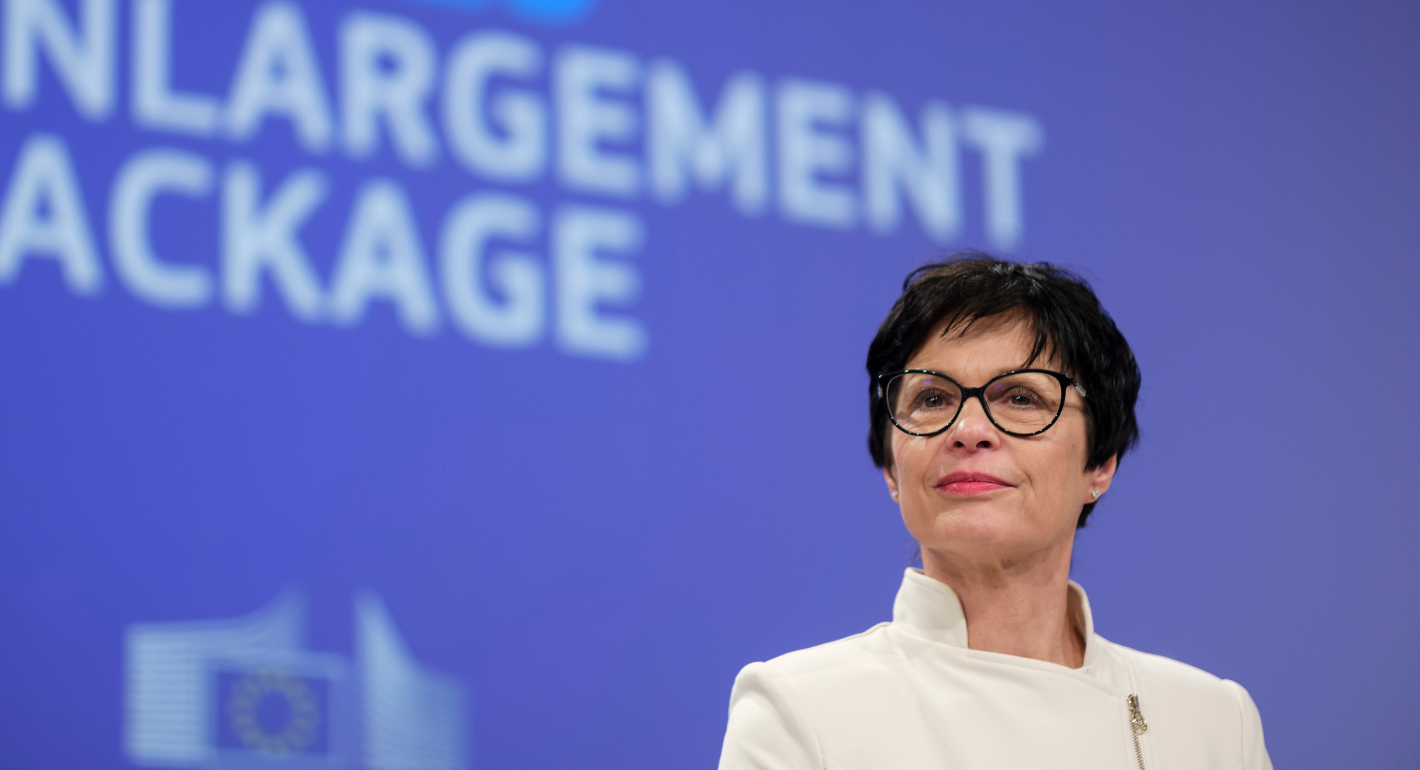
Much has been said of the changes Brussels is trying to make to the EU enlargement process. Here’s why gradual integration might—or might not—be the answer.

Dimitar Bechev
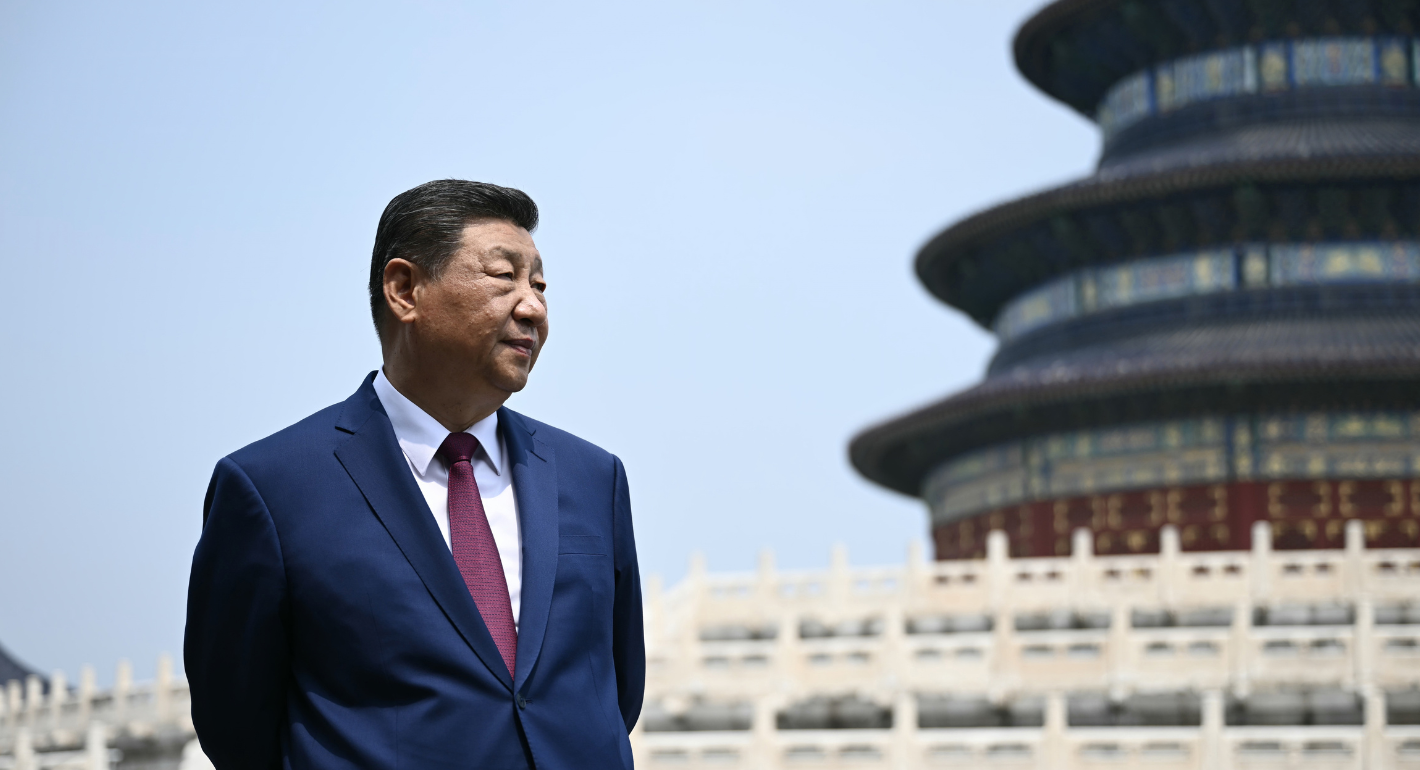
The European Commissioner for Trade is headed to China. But after President Xi’s bridge-building visit to Washington, can a more isolated EU overcome Beijing’s stranglehold on critical raw materials? Who will blink first?

Rym Momtaz, ed.
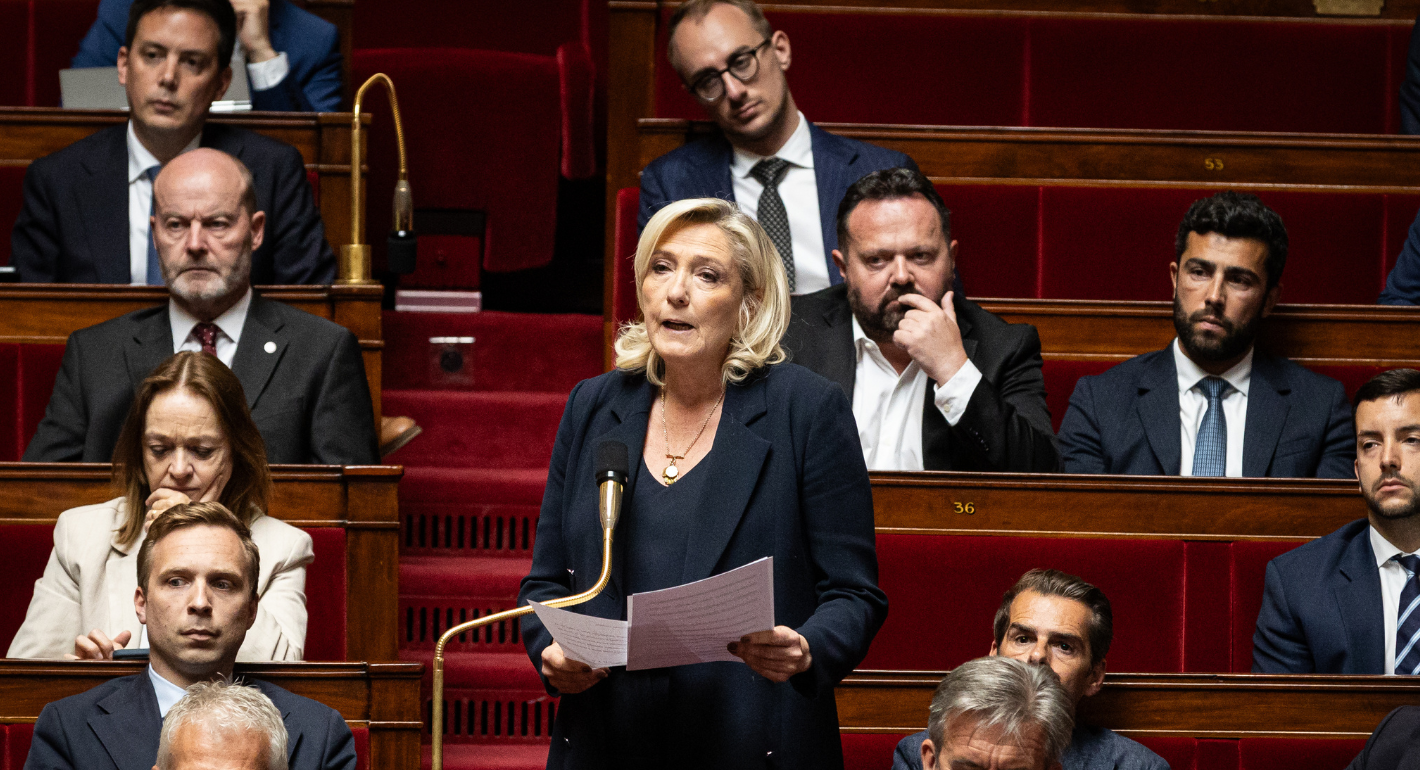
The domestic impacts of how long it is taking to end the war in Ukraine have pushed the French electorate to the political extremes and compromised the country’s diplomatic capacity.
Rym Momtaz
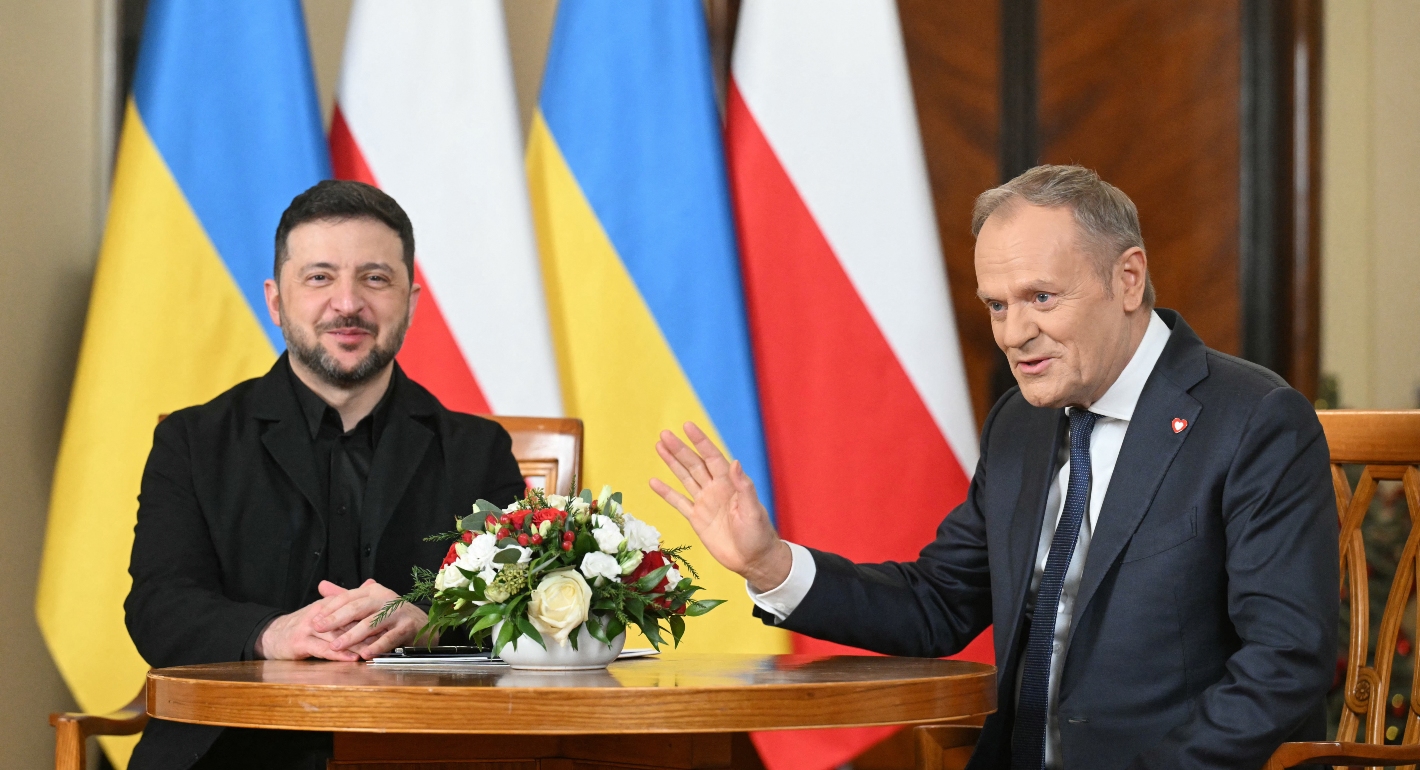
Before the next wave of EU enlargement takes place, the union needs to grapple with thorny questions of how power is distributed among its members.
Emil Sondaj Hansen, Ditte Brasso Sørensen