

Commentary
Judy Dempsey
{
  "authors": [
    "Judy Dempsey"
  ],
  "type": "commentary",
  "blog": "Strategic Europe",
  "centerAffiliationAll": "",
  "centers": [
    "Carnegie Endowment for International Peace",
    "Carnegie Europe"
  ],
  "collections": [],
  "englishNewsletterAll": "",
  "nonEnglishNewsletterAll": "",
  "primaryCenter": "Carnegie Europe",
  "programAffiliation": "",
  "programs": [],
  "projects": [],
  "regions": [
    "Europe",
    "Eastern Europe",
    "Western Europe"
  ],
  "topics": [
    "EU",
    "Economy",
    "Climate Change",
    "Global Governance"
  ]
}
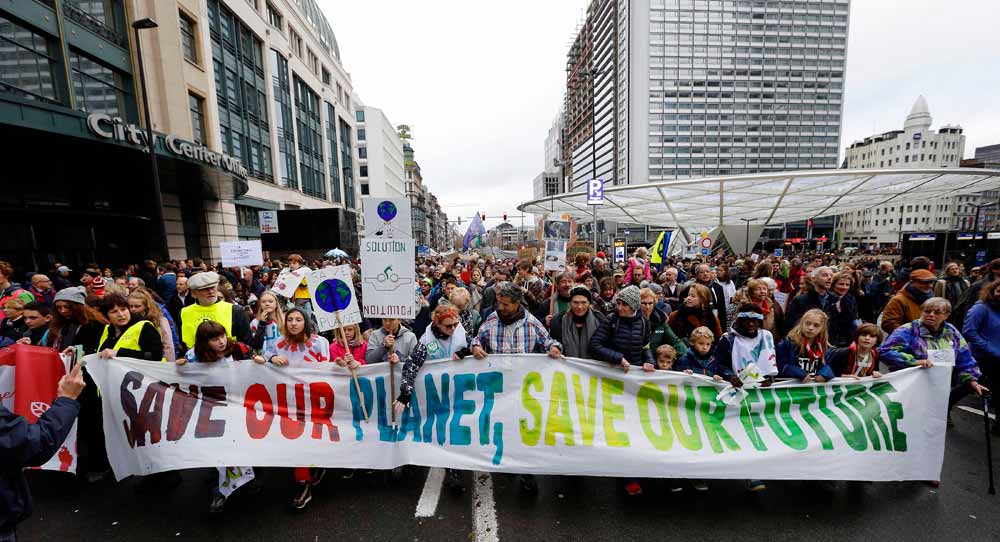
Source: Getty
A selection of experts answer a new question from Judy Dempsey on the foreign and security policy challenges shaping Europe’s role in the world.
In one word, no. The EU talks a good game when it comes to climate, but it turns out that European politicians are having a very difficult time inflicting any level of pain on their publics in the name of climate policy. This week’s unexpected retreat by France over a fuel tax hike of only 3 percent, which sparked weeks of violent protests, shows that lack of public acceptance for such measures. In Germany, another self-proclaimed green leader, a government commission had to push back its deadline for a report on phasing out coal after resistance from eastern states, and an effort to impose a carbon tax earlier this year was quickly shot down. Poland, the coal-fired COP24 host, has constantly emphasized that decarbonization policies have to keep in mind economic and job impacts. Spain and Italy are also finding it tough to translate ambitious climate declarations into concrete policy. Of course, with the United States gone, even a tattered European commitment to the Paris Agreement puts it in front of other countries when it comes to climate diplomacy. The problem is going to be putting those promises into action.
Europe will remain the world’s organizer and actor on fighting climate change. COP24 in Poland marks the twelfth global climate convening in Europe since 1995—more than any other continent. While some U.S. states are stepping up, their reach on climate mitigation is more local: modernizing grids in New York and Washington states, advancing electric vehicles in Delaware and Minnesota, and funding renewables in California and Connecticut. Europe, on the other hand, occupies the international stage—invoking trade policies, pricing emissions, and circulating billions in low-carbon financing. Even the European oil majors, including Shell and Eni, are proposing more aggressive climate targets than their global competitors.
The world simply cannot count on U.S. states to tip the scales on climate change. Despite recent historic wins for Democrats, most U.S. states remain red, and climate change is not at the top of— or even on—their agendas. And at the federal level, any climate action is more likely to come in the form of techno-fixes that involve geoengineering the earth’s radiation or removing greenhouse gases from the atmosphere. For solutions without significant moral hazard risks, however, the world will continue to look to Europe to chart the innovative and efficient path forward.
First of all, Europe has a moral obligation to remain the anti-global warming leader. Because of our historical, enormous contribution to climate change, we have to do better than the rest and reduce emissions faster. This is not happening at the moment. We see governments hijacked by their industries of the twentieth century: the car industry in Germany and the petrochemical sector in Belgium are two examples.
At the same time, people suffering from inequality are protesting against higher prices for fossil fuels, like the Yellow Vests in France. They rightly feel abandoned by their governments. Europe taking up its leadership in climate policy will require a stronger vision and a bolder industrial policy. Only the vision of a Just Transition will be able to create support for game- changing policies. This vision has to give people a sense of certainty over their future, based on the availability of green jobs and a decent income. For example, if we want to phase out coal quickly, people living in mining areas need real transition policies. The EU has to give high priority to investing in the job-creating potential of renewable energies and the zero-carbon industry of the twenty-first century.
We are paying a price that an American president went from leading on climate change to leading a deniers’ chorus. An American administration may have pulled out of Paris, but the American people are still in.
Leaders in Europe and the United States can rally the energy and commitment of nations around the world in a new spirit of cooperation, with the strength of diplomacy, focused on the solutions we all know can solve the crisis. We need to do more, and we all need to do it now.
Just because President Trump has put the world at risk is not a reason for leaders in other countries to shirk their responsibilities and accelerate the danger. We need adequate funding to help developing countries with climate adaptation and mitigation. And all of us need to make a greater commitment to move away from carbon intensive energy—and we can do that.
We have met the enemy, and it is man-made. But that means mankind can provide the solution. We will arrive at the global, low-carbon economy we need. It’s up to all of us to decide whether we will get there in time.
If Europe isn’t leading the anti-global warming campaign, who will? Germany has lost some of its momentum in fostering the transition toward a green economy and reduced CO2 emissions due to an increasingly uncertain governmental situation. For Germany, remaining a leader in environmental politics is finding ways on how to transform entire regions that are depending on brown coal—for example, Lusatia. A fast exit from coal would contribute considerably to the reduction of CO2 but would leave workers and their families without jobs and identity. With upcoming regional elections, their voices are being heard.
The big leap toward a sustainable and democratic future has to consider notions of justice for those who have to deal with severe changes in the short term. In a participatory and co-creative process, we scientists support regional actors in designing a process to trigger the creative and resilient potentials within a greater part of the population. If they can take part in designing a more sustainable future, the continuation of coal mining will lose its attraction. Making the Lusatia case a model for transformations in Europe would strengthen the EU as an anti-global warming leader as well as its role as a defender of democracy.

Nonresident Senior Fellow, Carnegie Europe
Dempsey is a nonresident senior fellow at Carnegie Europe
Recent Work
Judy Dempsey
Judy Dempsey
Carnegie does not take institutional positions on public policy issues; the views represented herein are those of the author(s) and do not necessarily reflect the views of Carnegie, its staff, or its trustees.

French President Emmanuel Macron has unveiled his country’s new nuclear doctrine. Are the changes he has made enough to reassure France’s European partners in the current geopolitical context?

Rym Momtaz, ed.
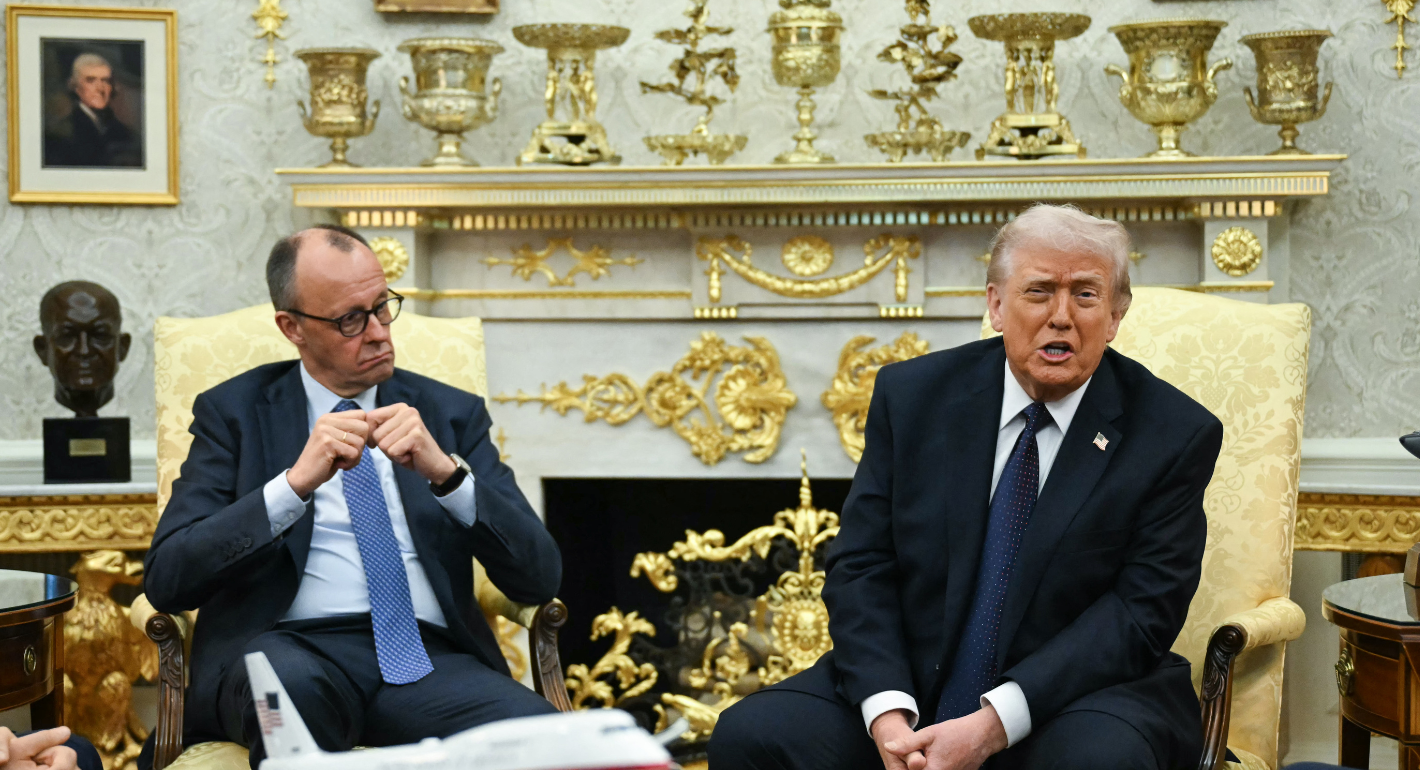
European reactions to the war in Iran have lost sight of wider political dynamics. The EU must position itself for the next phase of the crisis without giving up on its principles.

Richard Youngs
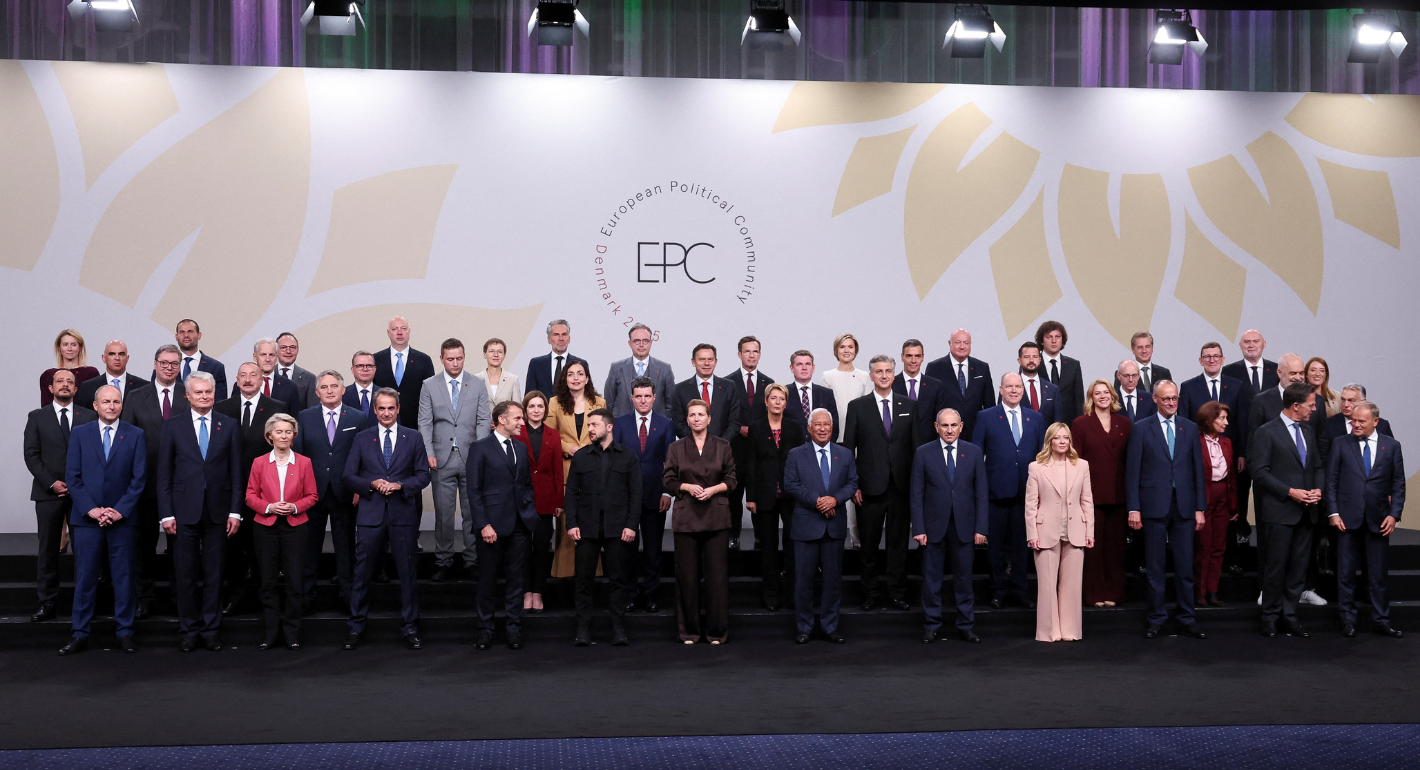
Europe isn’t as weak in the new geopolitics of power as many would believe. But to leverage its assets and claim a sphere of influence, Brussels must stop undercutting itself.

Dimitar Bechev
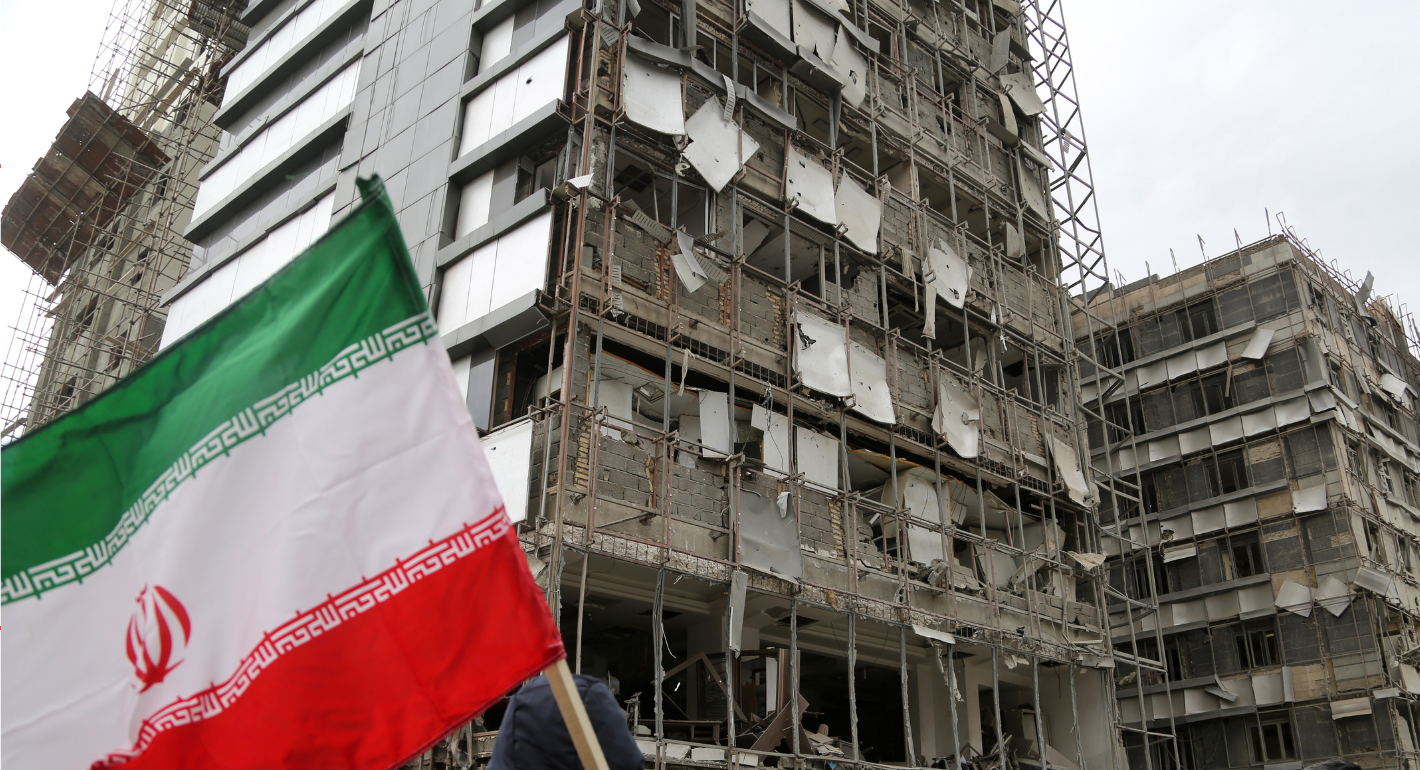
Europe’s reaction to the war in Iran has been disunited and meek, a far cry from its previously leading role in diplomacy with Tehran. To avoid being condemned to the sidelines while escalation continues, Brussels needs to stand up for international law.

Pierre Vimont
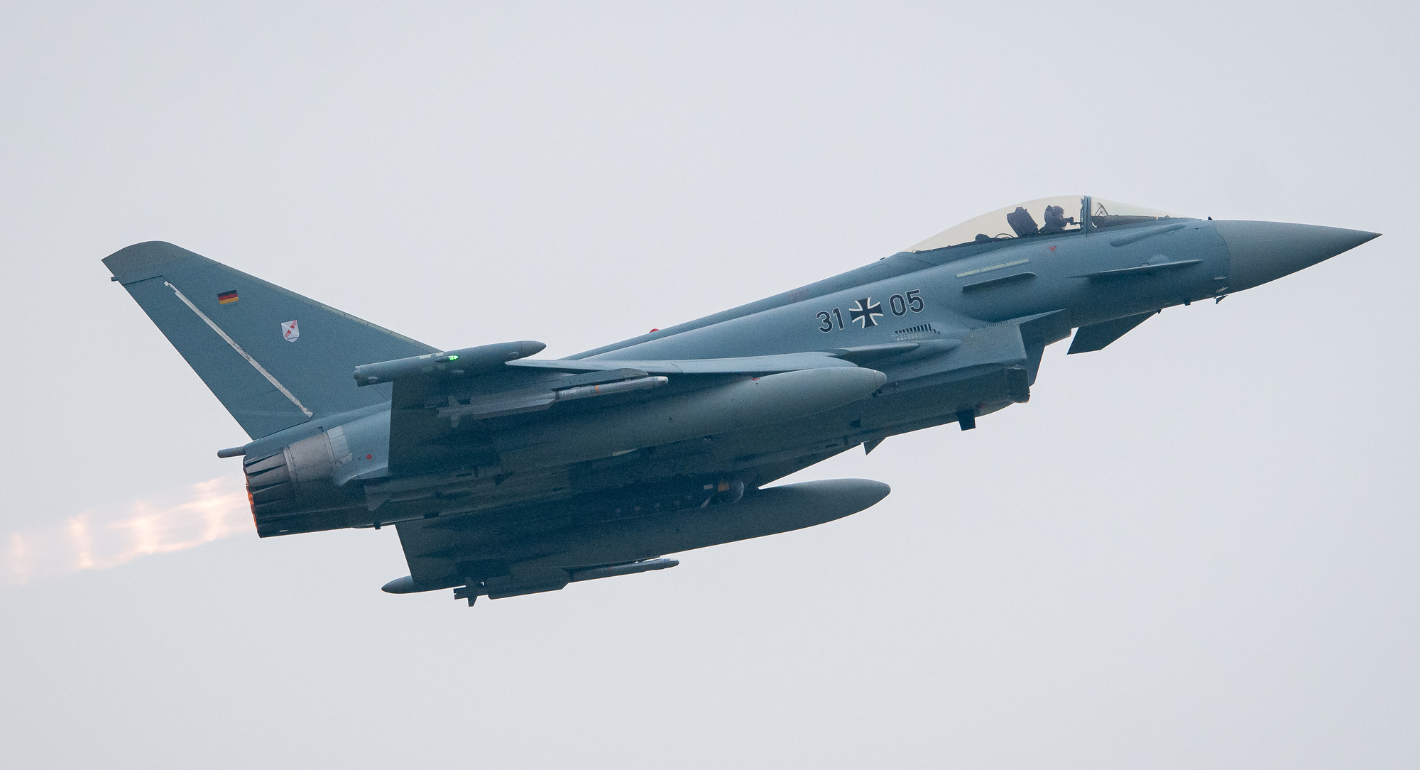
France and Germany’s failure to agree on the Future Combat Air System (FCAS) raises questions about European defense. Amid industrial rivalries and competing strategic cultures, what does the future of European military industrial projects look like?
Rym Momtaz, ed.