

Commentary
Judy Dempsey
{
  "authors": [
    "Judy Dempsey"
  ],
  "type": "commentary",
  "blog": "Strategic Europe",
  "centerAffiliationAll": "",
  "centers": [
    "Carnegie Endowment for International Peace",
    "Carnegie Europe"
  ],
  "collections": [],
  "englishNewsletterAll": "",
  "nonEnglishNewsletterAll": "",
  "primaryCenter": "Carnegie Europe",
  "programAffiliation": "",
  "programs": [],
  "projects": [],
  "regions": [
    "Europe",
    "Western Europe"
  ],
  "topics": [
    "EU",
    "Democracy",
    "Political Reform"
  ]
}
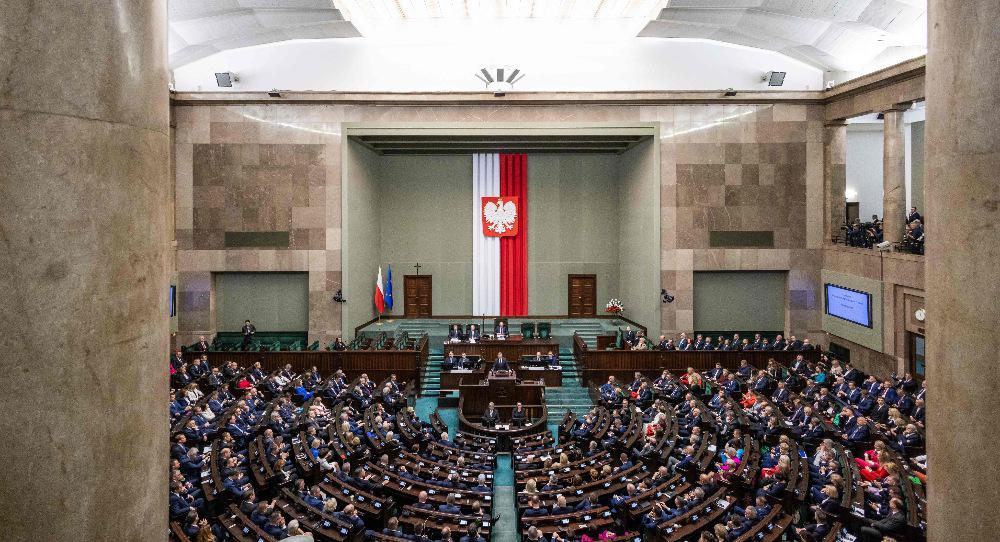
Source: Getty
Poland’s recent vote offers hope amid worrying political trends in Europe. President Duda is doing his country no favors by delaying the appointment of a new government.
Europe needs some good news.
A far-right wing political party led by Geert Wilders won the most seats in the recent Dutch parliamentary election.
In Hungary, Prime Minister Viktor Orbán is threatening to withhold another EU financial package to Ukraine—his latest move in the standoff with Brussels, which is withholding €22 billion ($24 billion) worth of cohesion funds to Budapest over rule-of-law concerns. Orbán is also delaying Sweden’s entry into NATO. His unequivocal support for Russian President Vladimir Putin contrasts sharply with his ambiguous support for Ukraine.
In Finland, which ended its long tradition of neutrality by joining NATO in April 2023, Russia has been sending migrants across the shared border. Jens Stoltenberg, NATO’s secretary general, accused Russia of using “migration as a tool to put pressure on a neighbor and a NATO ally.” Finland has closed several border crossing points.
Sweden’s major cities have been rocked by violence caused by gangs running drug and other criminal activities. This has shaken the country’s liberal immigration policies. Migration is also a headache for Italian Prime Minister Giorgia Meloni.
The war in Gaza has highlighted the vulnerability of Europe’s Jewish and Muslim communities. Anti-Semitism and Islamophobia are on the rise in several European countries.
Meanwhile, just to add to Europe’s woes, economies are plagued by inflation that will affect growth and consumer spending, not to mention the costs of implementing the EU’s ambitious green agenda.
But wait a moment.
There could be one snippet of positive news if and when Poland’s president Andrzej Duda swears in a new government led by Donald Tusk, leader of the Civic Coalition.
Duda is stalling. More than that. He has already sworn in the Law and Justice party (PiS) led by Prime Minister Mateusz Morawiecki. PiS won the most seats in the recent parliamentary election but not enough to form a majority to remain in power. And while Duda has the right to ask the biggest party to try and establish a government, the reality is that PiS will not win the parliamentary majority to do so. Tusk, who has served as Poland’s prime minister and European Council president, is waiting in the wings to take over the mantle of governing this important country.
The EU and NATO are waiting, too. Poland’s size, history, and location in Europe give it a special place in both organizations. Furthermore, Brussels hopes that under a new government, Warsaw might become a counterweight to populist governments elsewhere in the bloc.
Under PiS, Warsaw’s relationship with NATO was close to stellar, but its relationship with the EU was another matter. PiS ran roughshod over the rule of law, choosing to undermine the Polish constitution by chiseling away at the independence of judges and large sections of the judiciary. It interfered in the media and the appointment of managers to the state-owned companies. On social issues, it undermined women’s rights, including by adopting very strict laws on abortion.
PiS paid the price for those policies in the October 2023 election. After jointly receiving over 54 percent of the votes amid a stunning turnout of over 70 percent, the opposition coalition ended PiS’s long hold on power.
Duda, however, is in no hurry to pass the baton over to Tusk even though this is what the electorate voted for. The president is dragging his feet because he is a creature of Jaroslaw Kaczyński, PiS’s veteran eminence grise. And even though Morawiecki won’t get the parliamentary majority to remain in power, Duda is prepared to go down that unnecessary road.
There is also the animosity element. The polarization of Polish politics that has been deepening over recent years cannot be underestimated. Tusk was demonized during the election campaign. With PiS in office, the opposition and the media were hounded. The atmosphere in a country that had endured years of communism and had fought peacefully for its independence and freedom between 1945 and 1989 lapsed over the past several years into bitterness and rivalry.
Finally, Duda is buying time for PiS. The party knows that the new government will open investigations over corruption; that it will try and reinstate the rule of law; that it will try and revive Poland’s much-needed influence in the EU. In the meantime, PiS may try to destroy documents and other evidence of how it ran the country. It may use funds to set up new foundations for the party’s loyalists and top echelons.
Morawiecki has two weeks for the parliament to vote in his cabinet. Assuming that fails, the mantel will be passed onto Tusk. That means he could attend the European leaders’ summit on December 14–15—unless Duda is outside the country and avoids swearing in the new administration.
So much for statesmanship. What a way to commemorate the forty-second anniversary of martial law that was imposed on Poland to silence the Solidarity independence movement that had united the country against the communist regime.

Nonresident Senior Fellow, Carnegie Europe
Judy Dempsey is a nonresident senior fellow at Carnegie Europe
Recent Work
Judy Dempsey
Judy Dempsey
Carnegie does not take institutional positions on public policy issues; the views represented herein are those of the author(s) and do not necessarily reflect the views of Carnegie, its staff, or its trustees.

The EU’s new migration policy is not suited to today’s realities. With climate change increasingly becoming a driver of displacement, Europe needs to rethink its deterrence-focused approach.

Shana Tabak
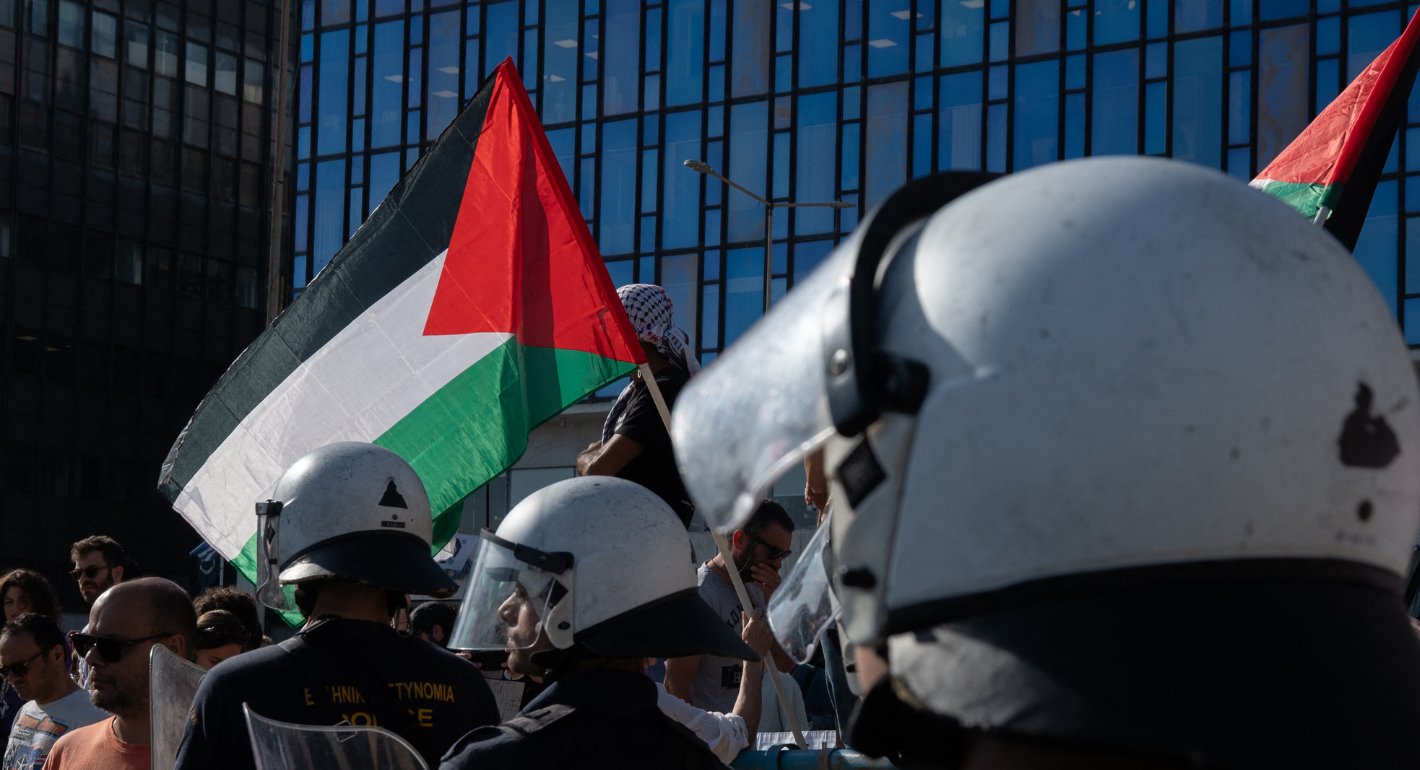
The battle over free speech has taken center stage since U.S. Vice President JD Vance accused Europe of censorship. From travel bans to social media regulation, especially around the Israel-Palestine conflict, are liberal democratic governments weaponizing free speech?

Rym Momtaz, ed.
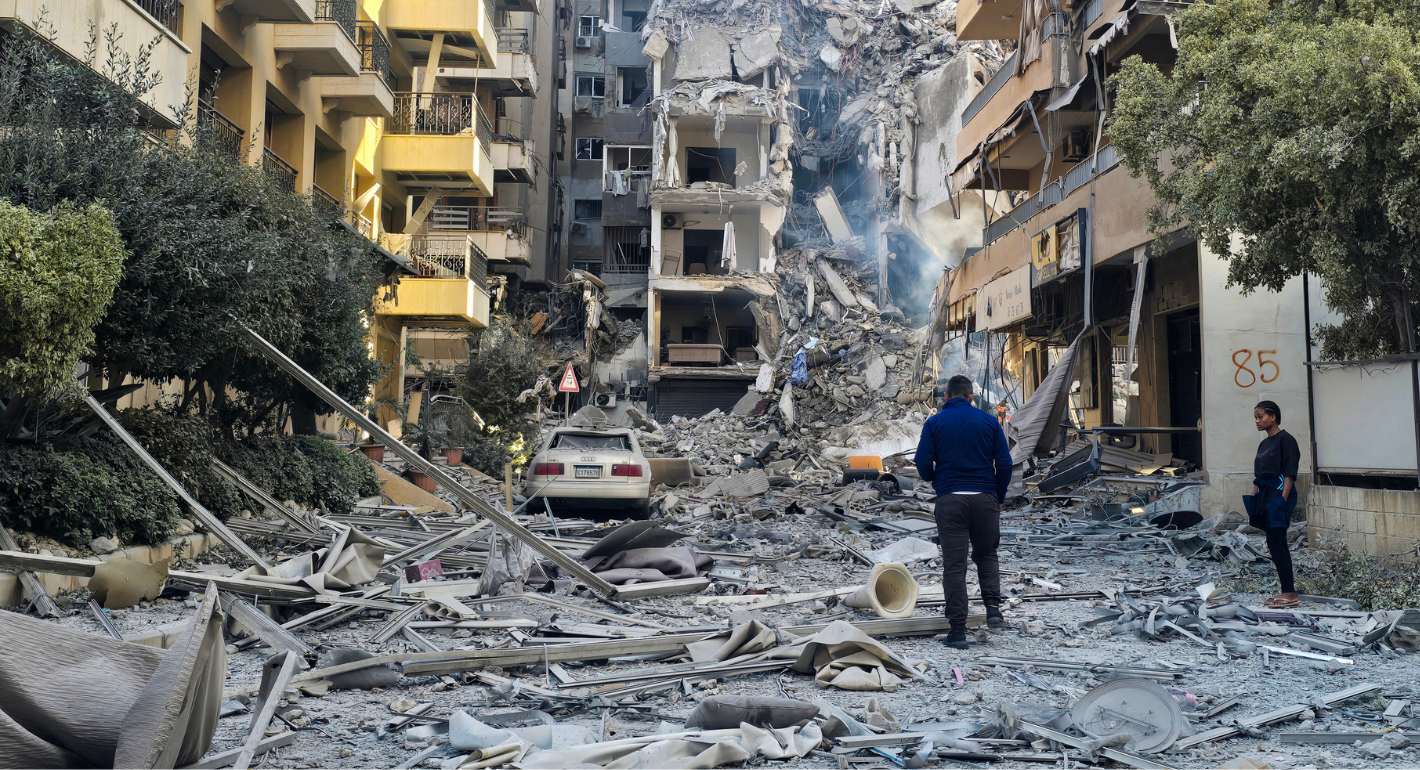
Europe seems to have accepted its sidelining in the Middle East. The EU must reassert its support for the international rules-based order and step up engagement.
Rym Momtaz
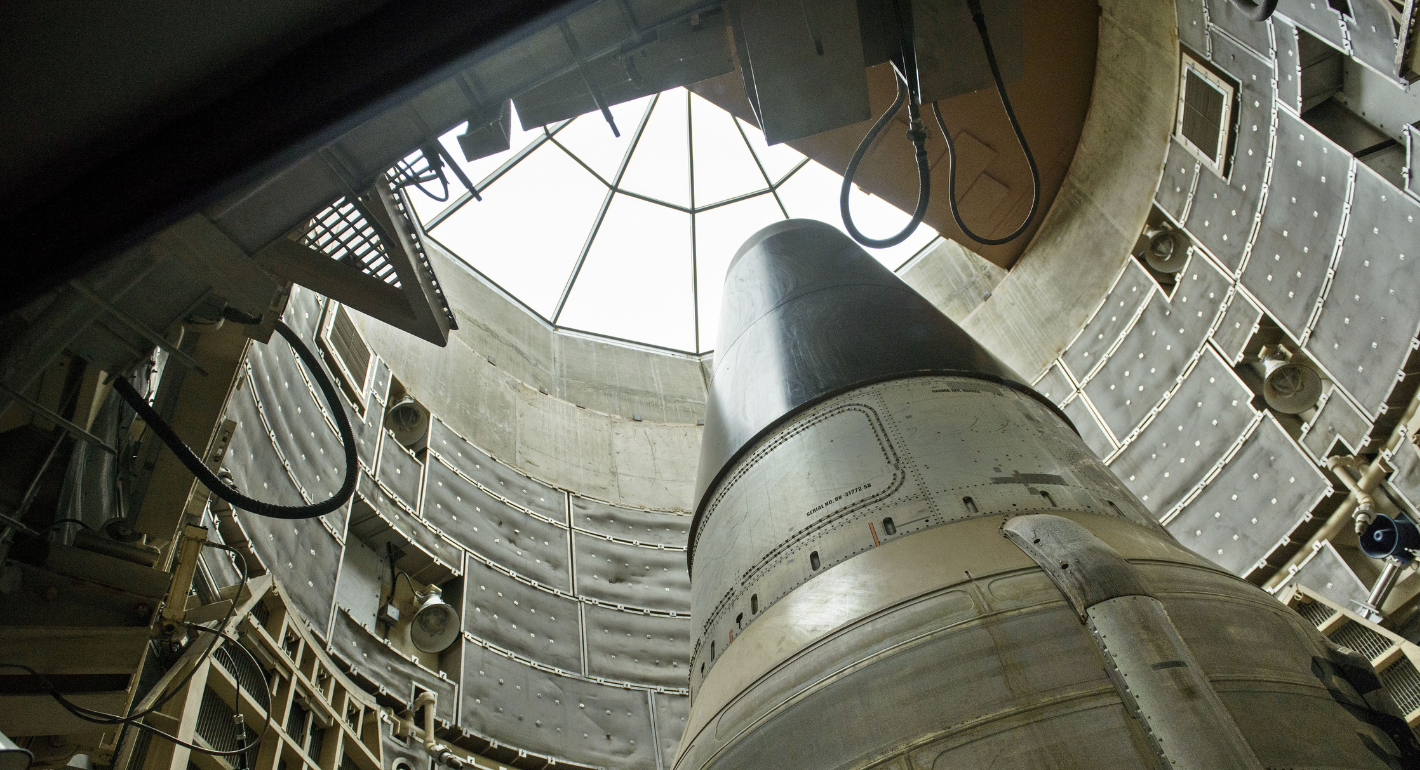
Amid uncertainty caused by the Iran war, the global drive for nonproliferation has stalled. With Europe diplomatically marginalized and countries reassessing their nuclear options, efforts to curb the spread of nuclear weapons risk becoming irrelevant.

Jane Darby Menton
Preparing candidate countries for EU membership is no longer enough. As the enlargement process becomes a reality, the union must also prepare its own societies.

Iliriana Gjoni