

Commentary
Judy Dempsey
{
  "authors": [
    "Judy Dempsey"
  ],
  "type": "commentary",
  "blog": "Strategic Europe",
  "centerAffiliationAll": "",
  "centers": [
    "Carnegie Endowment for International Peace",
    "Carnegie Europe"
  ],
  "collections": [
    "Europe’s Southern Neighborhood"
  ],
  "englishNewsletterAll": "",
  "nonEnglishNewsletterAll": "",
  "primaryCenter": "Carnegie Europe",
  "programAffiliation": "",
  "programs": [],
  "projects": [],
  "regions": [
    "Middle East",
    "Europe",
    "Israel",
    "Palestine",
    "Western Europe"
  ],
  "topics": [
    "Foreign Policy",
    "Security",
    "Migration",
    "EU"
  ]
}
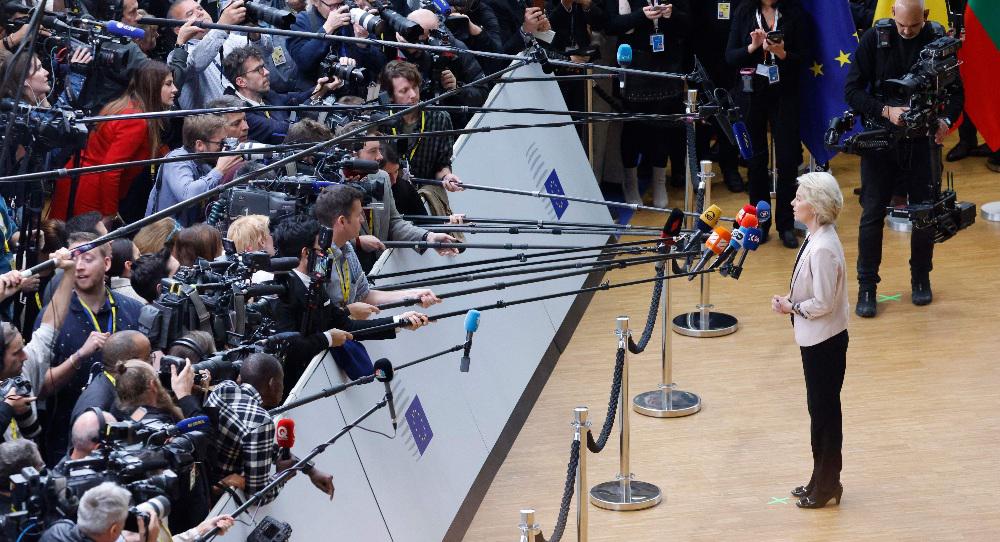
Source: Getty
In response to developments in the Middle East, the EU has been weak and divided. Its leaders need to be strategic in addressing the growing insecurity and instability on the continent.
There are events that reveal much about how governments, institutions and societies respond.
The war between Israel and Hamas is one of those profound, disturbing events that is testing Europe. And it is showing how the EU institutions and its twenty-seven member states are in no position to address several urgent issues.
If they are left unattended, Europe will not only lurch from crisis to crisis. Its own internal stability will be fundamentally undermined because the bloc’s governments and leaders repeatedly fail to recognize how this latest conflict in the Middle East is weakening the EU.
The union is already dealing with several simultaneous crises. They are all related to aspects of security.
The first is the inability of the Europeans to defend themselves. The bloc’s security has depended on the United States since 1945. This is not sustainable. Russia’s war on Ukraine should surely be the warning that whoever is elected to the White House in 2024, Europe must take responsibility for this part of the continent. The Europeans have yet to internalize that fact and that challenge.
There is no point in speculating what will happen in the United States or if American military and financial aid for Ukraine will continue. Yes, the EU can gloat about how it has supported Ukraine. But the union’s ability to extend a further financial package to Ukraine is currently being threatened by Hungary and Slovakia. This is despite the fact that continuing support for Ukraine and its ability to defend itself affects the security and stability of all of Europe.
The views of Hungary and Slovakia are not only dangerous. They show once again how the leaders of the EU will not take action against its own members that are undermining the bloc’s security and interests, and playing into the hands of Russia.
There is another dimension to security.
Instead of agreeing a comprehensive migration and asylum strategy, the EU has forged agreements with Libya, Tunisia, and Türkiye, and is now negotiating with Egypt and Morocco in an attempt to stop migrants and refugees from reaching Europe.
Somehow, the member states believe that providing these countries with financial assistance will stem migration flows across the Mediterranean. They also hope that these packages will weaken right-wing anti-immigration movements that want to turn Europe into a fortress. As it is, these recipient countries, some of which are authoritarian or terribly unstable, are hugely burdened with massive migration flows that could affect their own security. One wonders if the EU is exporting insecurity.
Inside Europe itself, there is already a security issue that affects the safety of its citizens. The war between Israel and Hamas has unleashed waves of anti-Semitism and Islamophobia across several European countries.
Anti-Semitism has been on the rise for some time. But Jews are now being identified with what is happening in Israel—as if they are personally responsible for this latest war. Parents fear sending their children to their Jewish schools.
The latest figures, compiled by the Anti-Defamation League and RIAS, a German-government-supported organization that records attacks on Jews or Jewish cemeteries, synagogues or buildings, are grim reading. In Austria, according to the Jewish Community of Vienna, from October 7 to 19, there were 76 antisemitic incidents—a 300 percent increase. In France, since October 7 there were 819 antisemitic incidents and 414 arrests. In Germany, according to RIAS, from October 7 to 15 there was a 240 percent rise in antisemitic incidents compared to the same time last year.
Michael O’Flaherty, the director of the EU’s Agency for Fundamental Rights told the Guardian: Antisemitism is a “deeply ingrained racism in European society.” These disturbing statistics show how Europe’s Jews are increasingly vulnerable.
Islamophobic hate crimes have also been rising sharply: The Metropolitan Police reported 101 Islamophobic offenses in London in the first 18 days of October, up from 42 over the same time period last year. This shows how the war between Israel and Hamas is being instrumentalized to sow hatred and fear—and how it is affecting both Jewish and Muslim communities in Europe.
Those Jews to whom I spoke about this sense of fear and insecurity referred to the recent vote at the United Nations General Assembly. It was overwhelmingly in favor of adopting a resolution on the conflict between Israel and Hamas. It called for an “immediate, durable and sustained humanitarian truce leading to a cessation of hostilities.” Not a word in the text about Hamas.
And what was the stance of EU member states? Nine voted for the non-binding resolution. Fourteen abstained. Four voted against. The lack of unity confirmed the deep divisions over a conflict that affects Europe’s security in all its dimensions. If EU leaders don’t acknowledge this, they will make Europe less secure, less stable, and less safe for its citizens. That bodes ill for the continent and its neighbors.

Nonresident Senior Fellow, Carnegie Europe
Dempsey is a nonresident senior fellow at Carnegie Europe
Recent Work
Judy Dempsey
Judy Dempsey
Carnegie does not take institutional positions on public policy issues; the views represented herein are those of the author(s) and do not necessarily reflect the views of Carnegie, its staff, or its trustees.

In Ukraine, Gaza, and Iran, AI warfare has come to dominate, with barely any oversight or accountability. Europe must lead the charge on the responsible use of new military technologies.

Raluca Csernatoni
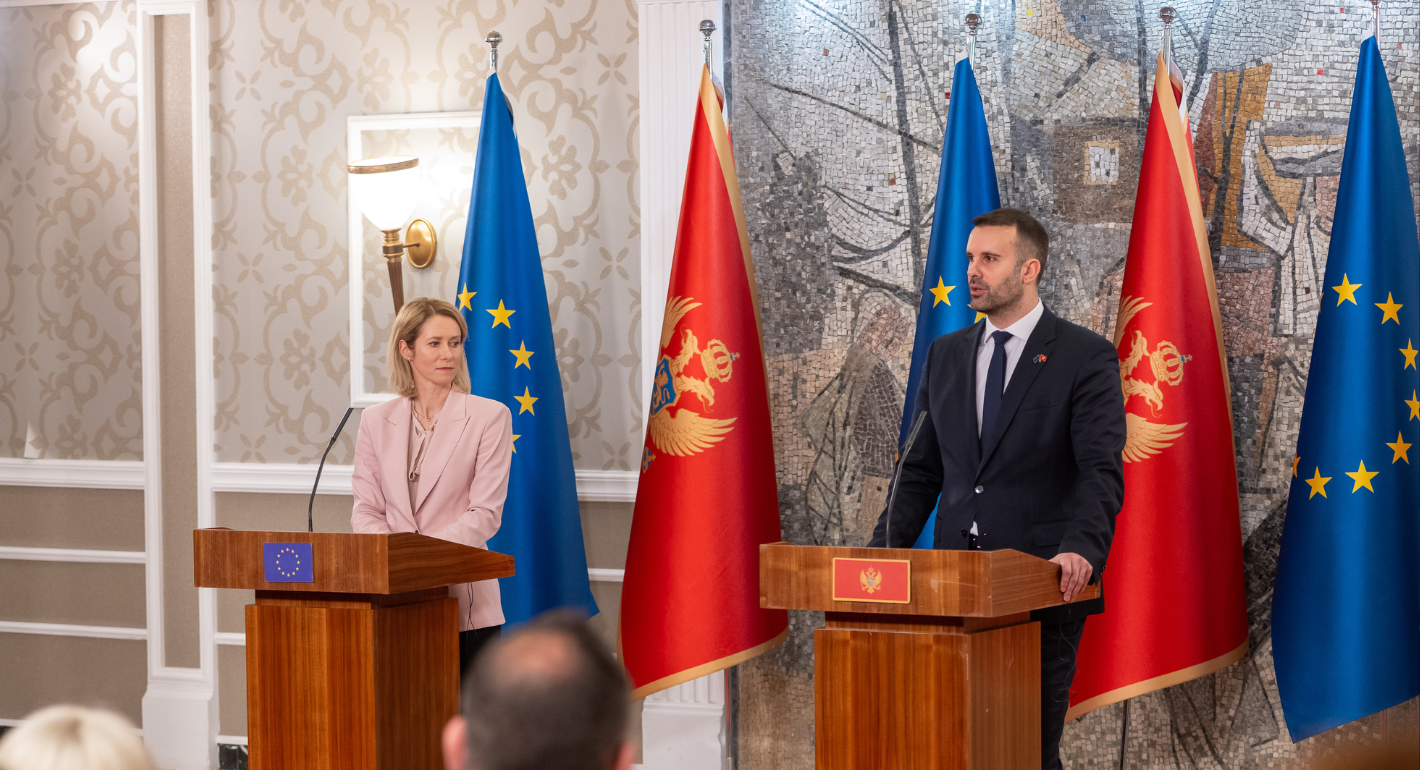
Montenegro and Albania are frontrunners for EU enlargement in the Western Balkans, but they can’t just sit back and wait. To meet their 2030 accession ambitions, they must make a strong positive case.


Dimitar Bechev, Iliriana Gjoni
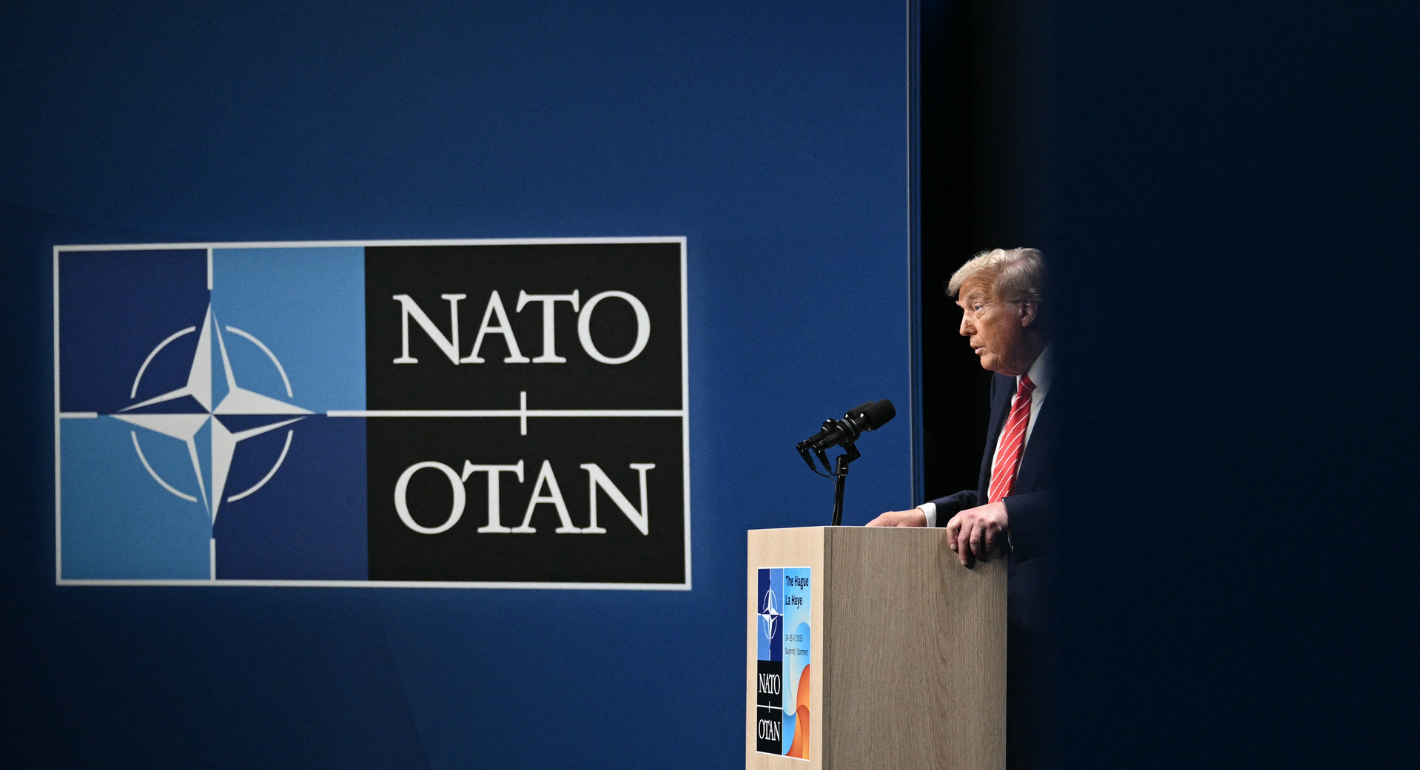
Donald Trump has repeatedly bashed NATO and European allies, threatening to annex Canada and Greenland and deploring their lack of enthusiasm for his war of choice in Iran. Is this latest round of abuse the final straw?

Rym Momtaz, ed.
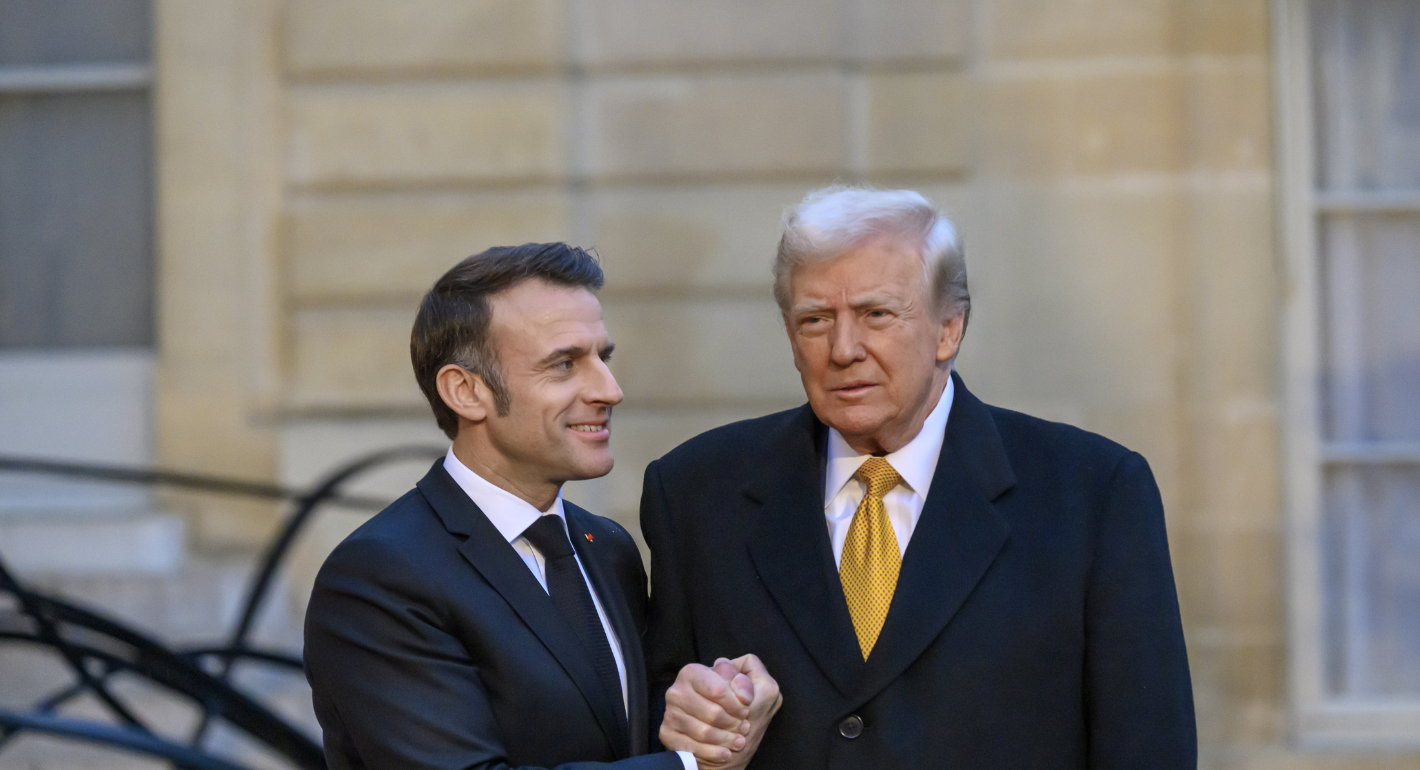
Donald Trump’s repudiation of NATO goes against the Make America Great Again vision of a U.S.-centered foreign policy. If the goal is to preserve the alliance by boosting Europe’s commitments, leaning into France’s vision is the most America First way forward.
Rym Momtaz
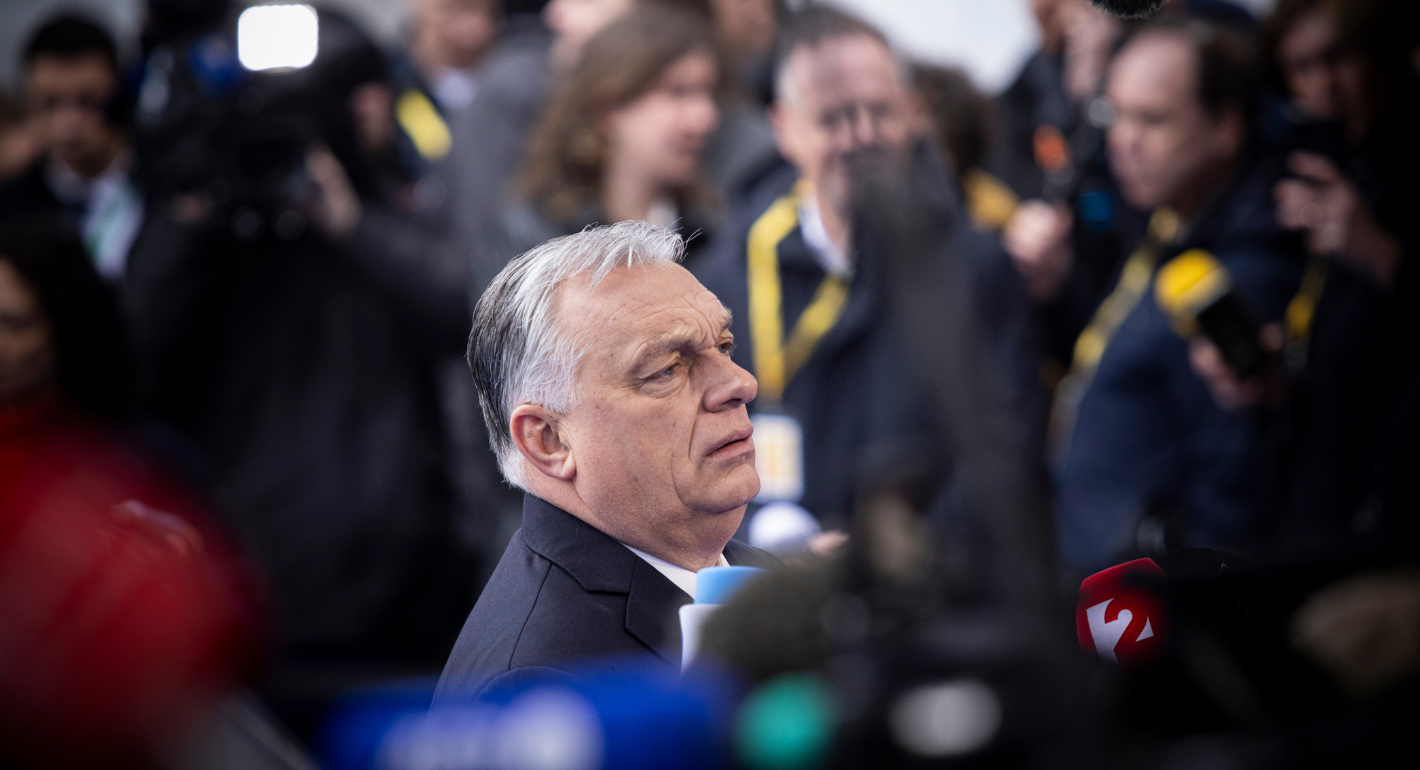
Hungarians head to the polls on April 12 for an election of national and European consequence. Three different outcomes are on the cards, each with their own implications for the EU.

Zsuzsanna Szelényi