

Commentary
Trump is distracted and Ukraine wants Europe to step up. The continent’s leaders must find their voice and assert it in talks with Russia.
Alissa de Carbonnel
{
  "authors": [
    "Oana Popescu-Zamfir"
  ],
  "type": "commentary",
  "blog": "Strategic Europe",
  "centerAffiliationAll": "",
  "centers": [
    "Carnegie Endowment for International Peace",
    "Carnegie Europe"
  ],
  "collections": [
    "Europe’s Eastern Neighborhood",
    "EU Integration and Enlargement"
  ],
  "englishNewsletterAll": "",
  "nonEnglishNewsletterAll": "",
  "primaryCenter": "Carnegie Europe",
  "programAffiliation": "",
  "programs": [],
  "projects": [],
  "regions": [
    "Russia",
    "Europe",
    "Eastern Europe",
    "Western Europe",
    "Western Balkans"
  ],
  "topics": [
    "Foreign Policy",
    "EU",
    "Security",
    "Democracy",
    "Political Reform"
  ]
}
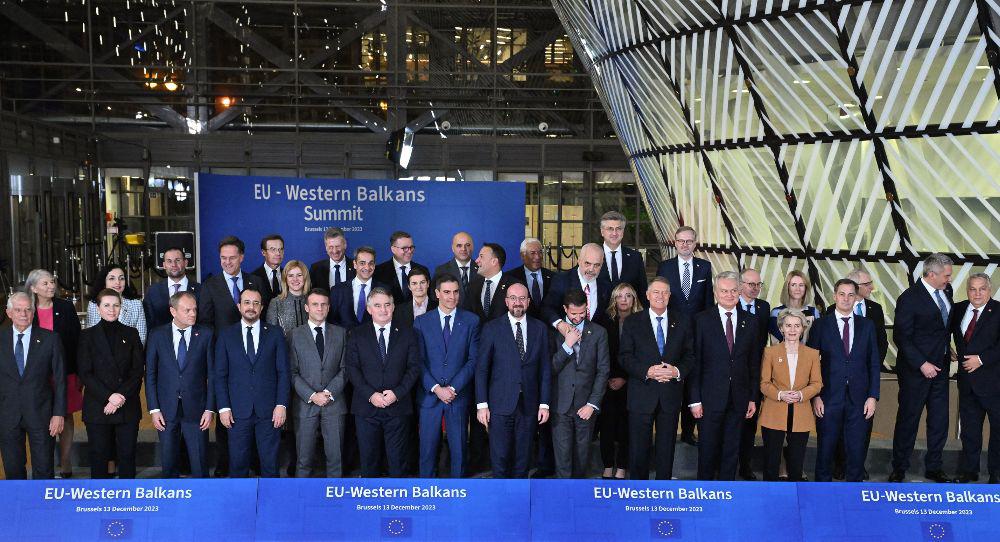
Source: Getty
The EU cannot afford to keep Ukraine and the Western Balkans in the waiting room. A revamped enlargement strategy and internal reforms will have to go hand in hand.
The opening of accession negotiations with Ukraine and Moldova and the adoption of the 50 billion ($54 billion) aid package marked the peak of the EU’s strategic response to Russia’s war on Ukraine and to the subsequent shift in the security paradigm.
The geopolitical momentum was the glue that held EU leaders to their initial promise—even if an avalanche of second thoughts immediately followed.
Had it not been for the war, EU enlargement would have continued to drag on. This would have been to the mutual satisfaction of Western Balkan leaders unenthusiastic about reforms and of EU governments reluctant to rock the boat at a time of internal crises. An integration roadmap for Ukraine and Moldova would have been inconceivable.
In fact, beyond the show of hands in the European Council, little has changed. In December 2023, the peak geopolitical momentum was passed. The EU offered everything that it was ready to give and it’s now back to square one.
Most member states and the European Commission recognize that Russia’s invasion of Ukraine has significantly changed the union’s own security situation. Unprecedented steps like the introduction of sweeping sanctions, energy decoupling, Zeitenwende-like strategic overhauls, and the provision of military and financial support to Ukraine were taken. But the EU has still not shown that it is willing and able to be an influential geopolitical player and reconsider its modus operandi.
Its approach to enlargement remains more of the same. The Growth Plan will bring the six Western Balkan countries closer to the single market. However, Serbia’s and Hungary’s balancing acts between the EU and its challengers—successfully milking both for money while the anti-democratic practices of their leaders worsen—demonstrate that economic growth and integration does not automatically trigger democratic development and a convergence of values.
What Brussels proposes to deeply disillusioned societies and highly opportunistic governments of the region falls far short of a strategic reshuffle that would provide the right incentives for structural reforms or unequivocal alignment with the EU in foreign policy and security.
The EU has not come up with a better idea for how to support Ukraine’s and Moldova’s integration since February 24, 2022. If anything, the situation has become more complicated. The current enthusiastic alignment in democratic aspirations and geopolitical options could be dispelled by disappointment with progress along the accession path, or by a potential peace deal with Russia at Ukraine’s expense, triggered by war fatigue or a new Donald Trump presidential term in the United States.
Both Moldova and Ukraine will be facing daunting domestic challenges even if the security situation improves. The pro-democratic government in Chișinău could collapse. Ukraine could have trouble keeping up internal reforms alongside the war effort—especially if what follows in relations with the EU is a long-drawn, mutually frustrating, and unrewarding process, swamped in technicalities.
The European Council celebrated the opening of negotiations as the litmus test of collective resolve. In fact, the real test will be whether the EU is able to offer a credible process that actually delivers and whose outcome amounts to a strategic leap—as was the case with the 2004–07 accession of the formerly communist countries.
For more than six years now, none of the Western Balkan candidates have closed a single negotiation chapter and non-candidates are similarly prepared for accession.
Ukraine’s much bigger challenges cannot be resolved with such a low level of bilateral commitment. Moreover, having a reason to keep fighting and dying is existential for Ukrainians. It is improbable that Kyiv will just sit and wait. Instead, it may prove a tough negotiator. Brussels will need to design strategically relevant intermediate deliverables—meaningful gradual integration, both sectoral and political—that it can offer as achievable rewards, and not just to Ukraine.
This is not merely to fuel the Ukrainians’ efforts and avoid a backlash of resentment, opportunism, or nationalism. As Russian President Vladimir Putin seeks to gain decisive influence on security arrangements on the continent, unless the EU can rally all its neighbors, from the Western Balkans to Moldova and Georgia, the Kremlin will have won. The moment would amount to a geopolitical failure. It would be highly consequential.
The opening of negotiations with Kyiv is bound to change both enlargement and the EU itself. The bloc of twenty-seven tends to recoil in the face of complex challenges—and upcoming elections.
Yet it would be a mistake if the EU engaged in a quest for creative ways to keep Ukraine and the Western Balkans in the waiting room. The union cannot afford a permanent grey area of instability around its borders. It also cannot afford to continue with unreformed policies, such as the Common Agricultural Policy and Cohesion Policy, regarded as obstacles to Ukraine’s integration. In fact, these policies are outdated and costly, just as the decisionmaking systems that allow for discretionary vetoes blocking even internal mechanisms.
Rather than ceding ground to Euroskeptics and nationalists and reducing its ambitions, the EU—likely to retain a democratic majority after elections this year—should instead embrace reform. It will be messy, but less so than war.
Oana Popescu-Zamfir is director of the independent foreign policy think tank GlobalFocus Center in Bucharest.

Oana Popescu-Zamfir
Director, GlobalFocus Center
Oana Popescu-Zamfir is the director of the GlobalFocus Center, where she coordinates the organization’s Democratic Resilience Program.
Carnegie does not take institutional positions on public policy issues; the views represented herein are those of the author(s) and do not necessarily reflect the views of Carnegie, its staff, or its trustees.

Trump is distracted and Ukraine wants Europe to step up. The continent’s leaders must find their voice and assert it in talks with Russia.

Alissa de Carbonnel

Mounting economic strain and battlefield losses will not necessarily make the Kremlin less dangerous. They could instead push Moscow toward a more aggressive hybrid campaign designed to test NATO’s Eastern flank, exploit allied hesitation, and fracture European resolve.

Maksym Beznosiuk

Over the past ten years, NATO has held almost as many summits as it did during the entirety of the Cold War. Are they still useful, or is it time to stop holding annual meetings?

Rym Momtaz, ed.
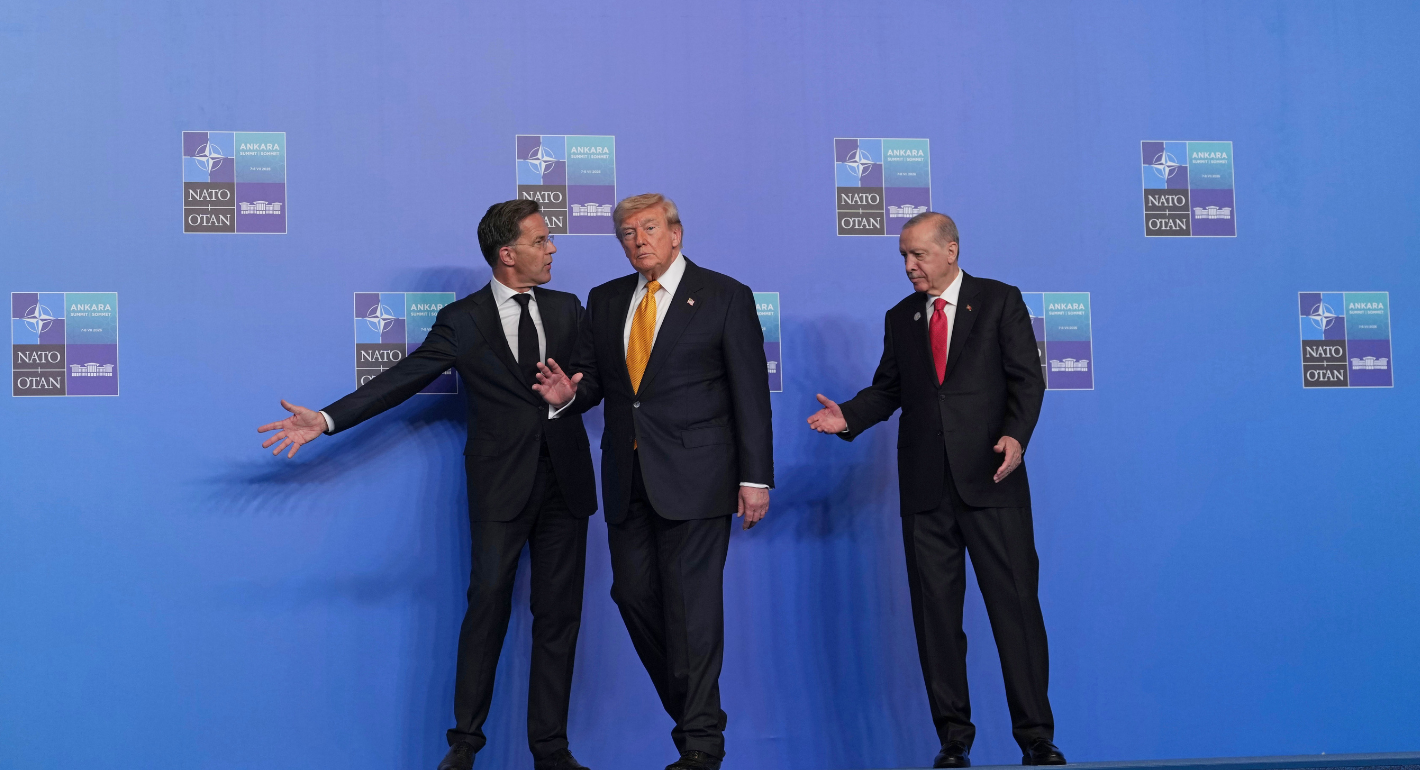
Nearly a year and a half after Europeans leaned into sucking up to Trump, the strategy has produced some benefits when it comes to Ukraine.
Rym Momtaz
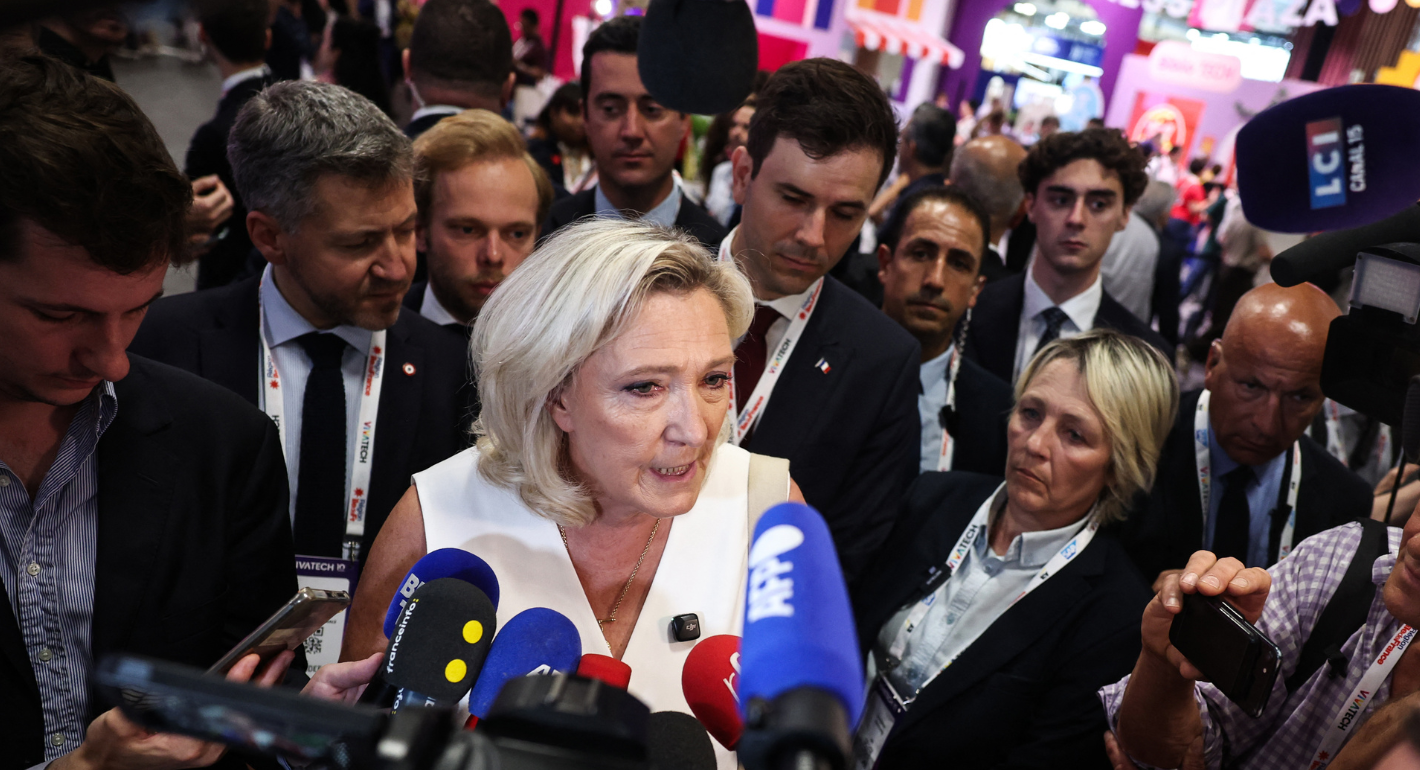
Far-right leader Marine Le Pen can—and will—run in France’s next presidential election. What does the outcome of her appeal against a 2025 embezzlement conviction mean for the country’s political future?

Catherine Fieschi