

Commentary
The EU’s responses to two recent incidents expose the gulf between European perceptions and capabilities. Unless the union can bridge that gap, it will never become a real geostrategic power.
Rym Momtaz
{
  "authors": [
    "Jean-François Bélanger"
  ],
  "type": "commentary",
  "blog": "Strategic Europe",
  "centerAffiliationAll": "",
  "centers": [
    "Carnegie Endowment for International Peace",
    "Carnegie Europe"
  ],
  "englishNewsletterAll": "",
  "nonEnglishNewsletterAll": "",
  "primaryCenter": "Carnegie Europe",
  "programAffiliation": "",
  "programs": [],
  "projects": [],
  "regions": [
    "Europe",
    "Ukraine",
    "United States"
  ],
  "topics": [
    "Security",
    "Defense",
    "Military",
    "EU"
  ]
}

Source: Getty
As U.S. commitment to Europe’s security wanes and Russia’s threat to the continent grows, the need for a European defense force is more pressing than ever. By expanding existing frameworks and investing in Ukraine’s defense industry, Europe can begin to take charge of its own security.
With the United States hurtling toward a deal with Russia over Ukraine and U.S. Secretary of Defense Pete Hegseth telling Europe it must take responsibility for its own security, a European defense force is needed more than ever.
Unlike in the past, such a force is no longer a pipedream. It is within reach, provided a group of European countries with a common strategic threat assessment have the political determination to develop the necessary capabilities and to deploy where needed together.
The threat environment is critical. Danish and German intelligence services assess that Russia could be ready to attack an EU or NATO neighbor within six months to two years after a ceasefire in Ukraine. A larger war in Europe could break out within the next five years. Moscow is giving itself the means. Its war economy is in full swing and its defense spending now exceeds that of all European countries combined.
With growing doubts about U.S. commitment to upholding its end of the transatlantic security bargain, Europe needs a defense force. Its main mission would be providing security guarantees to Ukraine and, eventually, securing European territory against the Russian threat. But it wouldn’t be the silver bullet for Europe’s autonomy. Given Europe’s structural constraints, whatever the final form of such a force, it would need to rely on NATO scaffolding for the foreseeable future, leaving it vulnerable to shifts in U.S. policy.
Nevertheless, for Europeans to take greater control of their security such a force is worth building.
As things stand, the best and most effective option is to enlarge the Franco-British Combined Joint Expeditionary Force (JEF) into a “European Union Plus” plan. This would allow countries such as Canada, Norway, Türkiye, the UK, and Ukraine to participate and would bypass the consensus-based decisionmaking of NATO, which is threatened by Washington. It would also allow for negotiations with Australia, Canada, and New Zealand on intelligence gathering.
The command structure, at the outset, could have the NATO deputy supreme allied commander Europe (DSACEUR) at the helm and EU Military Staff as support.
Through this expanded structure, Europeans could do three essential things: ensure the defense of Ukraine, create an operation joint European command, and shore up the European defense industry. It will be costly and hard choices will have to be made, but as NATO Secretary General Rutte stated, defense budgets have to go up; otherwise Europeans may have to “get out [their] Russian language courses or go to New Zealand.”
First, to ensure the defense of Ukraine and put a command structure in place, Europeans must standup an effective deterrence and reassurance force, with a command structure.
Under the Berlin Plus agreement, the DSACEUR is double-hatted. He could assume command of the newly created structure and oversee the deployment in Ukraine. To enable DSACEUR staff to carry out this mission, the EU Military Staff could be integrated into it. This would provide an experienced command to ensure the defense of Ukraine.
In parallel, this new expeditionary force must create a joint defense force.
Under Berlin Plus, the EU can supplement its own capabilities by borrowing from NATO. This could be used to share classified operational planning and logistics material among others. However, as the EU lacks institutional and personnel structures, and experience on operational and defense planning, it could strengthen the defense force staff by drawing from both its own and NATO’s ranks as a transitional step. This would complement the enlargement of the JEF, which would become its own EU Plus entity for security in Europe.
Future command rotations between France, Germany, and the UK with the addition of Finland and Poland—the two countries with the largest fighting forces in Europe—would make sense. Integration will be a work of compromise, but it is not impossible. Scandinavian countries, for example, have integrated their air forces in the Nordic Air Defense Force in a rather seamless fashion.
Finally, Europeans will need to shore up their defense industry.
One effective way is to invest in Ukraine’s defense industry. Ukraine now produces about 40 percent of what it uses on the battlefield. Europe needs to invest to increase this share. Denmark and Norway have been using this strategy. It is about future-proofing. The lessons from fighting against Russia rest with the Ukrainian army and its industry. Additionally, having a fourth defense center outside of France, Germany, and Poland would be beneficial.
The stakes are high. Beyond the real threat to European security posed by Russia, there is a growing risk of a return of nuclear proliferation in Europe. Trump’s policy moves are casting doubt on the U.S. military guarantee and, with that, its nuclear umbrella. In a sea change, Germany’s chancellor-in-waiting Frederich Merz has already indicated he would like to discuss nuclear sharing with France and the UK.
The Trump administration is assessing its force posture in Europe and could decide to draw it down. It is currently unclear how extensive such a drawdown could end up being. It is also uncertain whether NATO can survive a substantial U.S. withdrawal from the European theater, if that ends up being the administration’s choice. Regardless, Europe needs to bolster its defenses.
Europeans can take two immediate actions. First, they can fortify the Baltics Air Policing through the European Sky Shield Initiative by adjusting it to operate without the U.S. Patriots system proofing it, in case the United States withdraws. Second, they can deploy soldiers on the ground in Ukraine in non-combat roles to relieve the pressure on the Ukrainian army.
Europe needs to stop reacting and start dictating the pace in Ukraine—and for its security.

Jean-François Bélanger
Assistant Professor, Institute of Military Operations at the Royal Danish Defense College

The EU’s responses to two recent incidents expose the gulf between European perceptions and capabilities. Unless the union can bridge that gap, it will never become a real geostrategic power.

Rym Momtaz

In supporting Europe’s far-right, MAGA and Russia both want the same thing: a weaker EU. Europe must defend itself without abandoning the openness these forces exploit.

Armida van Rij

As we close out another season of Strategic Europe, it is worth taking stock of the deep shifts underway.
Rym Momtaz
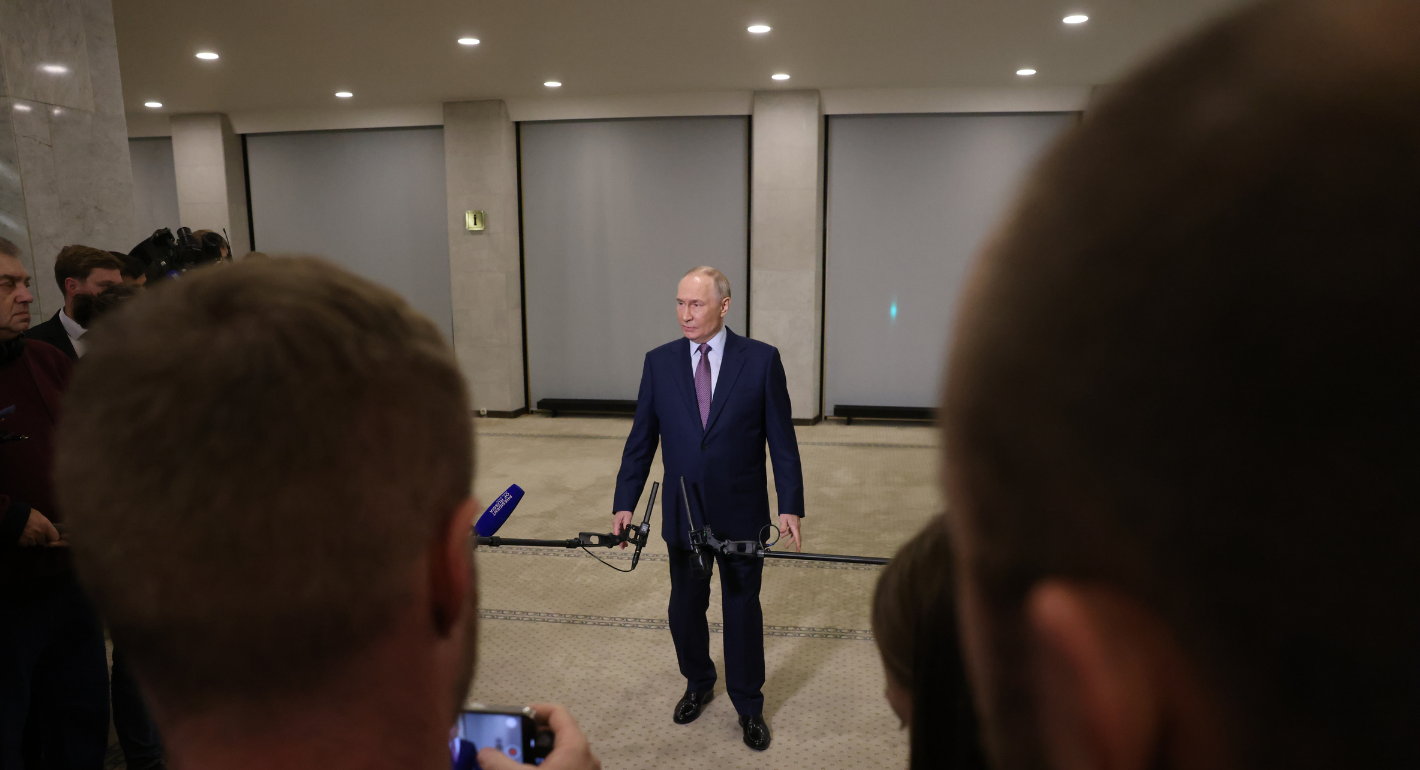
The EU had to compromise to adopt a twenty-first sanctions package against Russia, exposing growing cracks in the union’s resolve. Is this latest, weaker round worth it to keep pressure on Moscow?
Rym Momtaz, ed.
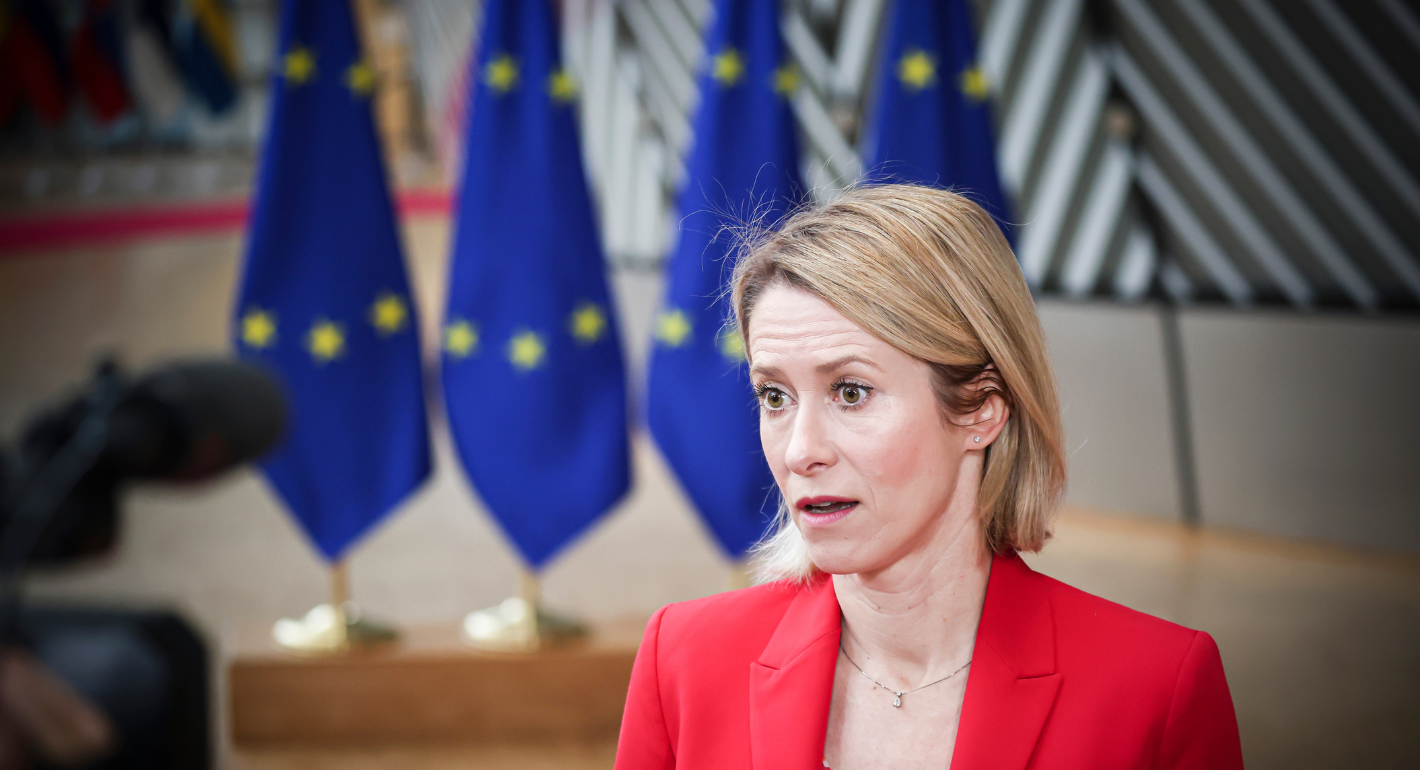
Trump is distracted and Ukraine wants Europe to step up. The continent’s leaders must find their voice and assert it in talks with Russia.

Alissa de Carbonnel