

Report
- +9
Richard Youngs, Erik Jones, Dan Baer, …
{
  "authors": [
    "Erik Jones"
  ],
  "type": "commentary",
  "blog": "Strategic Europe",
  "centerAffiliationAll": "",
  "centers": [
    "Carnegie Endowment for International Peace",
    "Carnegie Europe"
  ],
  "englishNewsletterAll": "",
  "nonEnglishNewsletterAll": "",
  "primaryCenter": "Carnegie Europe",
  "programAffiliation": "",
  "programs": [],
  "projects": [],
  "regions": [
    "Europe",
    "United States",
    "Ukraine",
    "Russia"
  ],
  "topics": [
    "EU",
    "Foreign Policy",
    "NATO",
    "Security"
  ]
}
Source: Getty
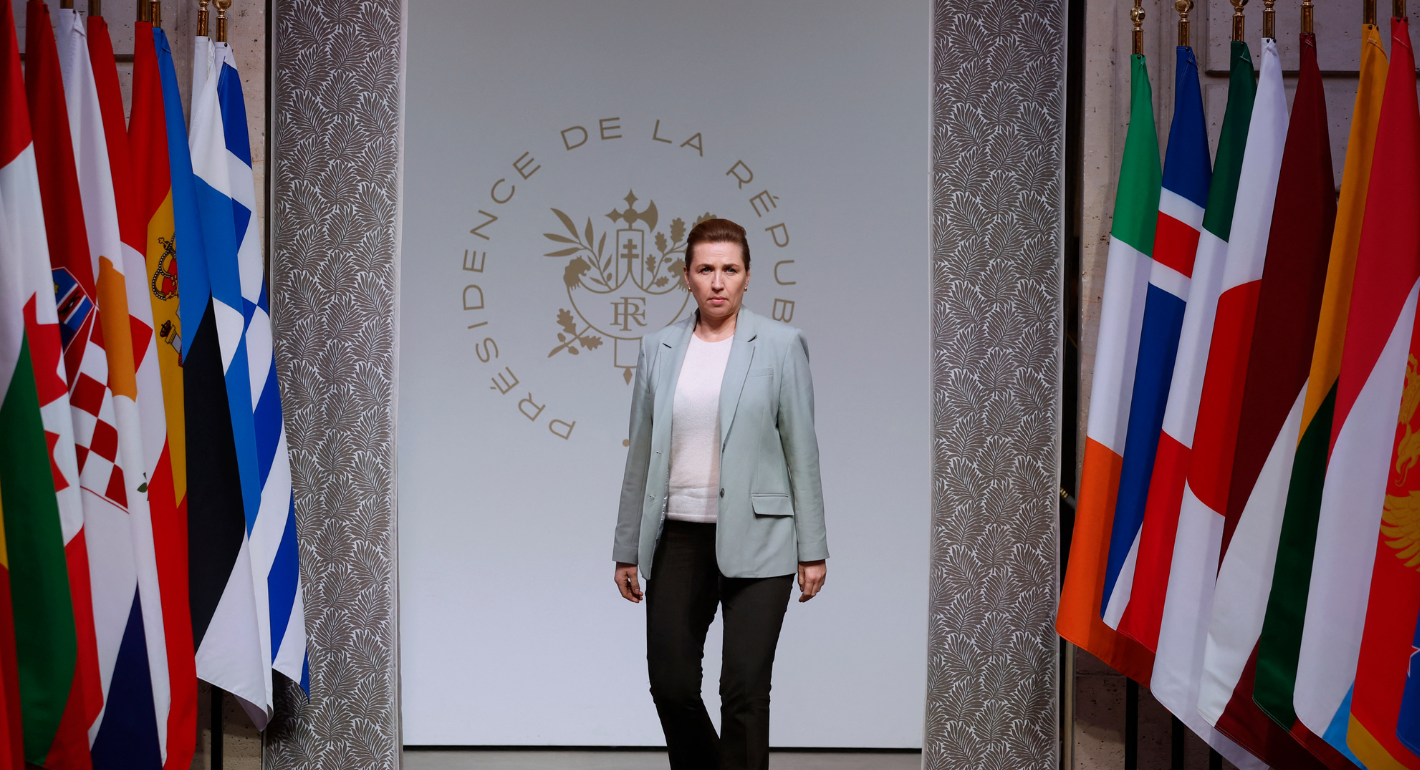
Europe is designing a new model of collective security that no longer relies on the United States. For this effort to succeed, solidarity between member states that have different threat perceptions is vital.
Fears about European security—from Greenland to Ukraine—are deeper than they have been in decades.
A new understanding has taken hold that must now drive the continent’s strategic thinking: European security is not a public good and the United States is no longer going to provide it. This requires a new policy approach, built on a commitment to solidarity that European countries must now demonstrate.
In a joint statement with the Danish government, six European leaders showed resolve by expressing their support for Copenhagen over U.S. threats to annex Greenland. That same decisiveness may not extend to how best to respond to Washington’s actions in Venezuela, but at least two other recent messages from the EU show that officials in Brussels are aware of the challenge they face.
The first of these messages arose in a November 2025 speech in Thessaloniki, where European Commissioner for Defense and Space Andris Kubilius argued that solidarity is the key to the EU’s security and autonomy, and that every country has a role to play. The Greeks and Italians, he said, must protect Europe from uncontrolled migration across the Mediterranean, the Ukrainians and their allies must protect the continent from Russian aggression, and the Irish must protect fiber-optic cables and other digital infrastructures that extend across the Atlantic. If any of these efforts fail, all Europeans are at risk.
This was a timely reminder that neutrality is not an option in a Europe defined by its close interdependence. Ireland’s lack of preparedness to protect underwater sea cables is a vulnerability. One Irish security expert argued, in the second of these messages, that the country—which is not a member of NATO—could be “ground zero” for any actor seeking to inflict damage on the EU without risking a response from the alliance. Yet if Ireland is to take the lead on securing its maritime borders, it needs to know that the rest of Europe has its back. The same is true for other countries.
Greece, for example, knows it is on the front line of the continent’s migration crisis but is not confident that it has the necessary support from others to tackle it. Ukrainians will have had similar concerns, albeit on a larger scale, as they watched leaders debate on whether and how to use sequestered Russian assets. The fact that some EU countries pointed fingers at the Belgian government, which opposed the use of seized assets, only underscores the underlying dynamic. The Belgians were not happy to play their part unless the rest of the EU member states were ready to offer adequate risk-sharing.
The failure by the European Council on December 18, 2025, to make a decision on Russian state assets has been depicted as a setback. Looked at another way, however, European solidarity held up well. The heads of state and government agreed to loan €90 billion ($105 billion) to Ukraine over the next two years, albeit with special opt-outs for the Czech Republic, Hungary, and Slovakia. The statement, signed by 25 member states, was both a reassertion of the fact that Russia’s war of aggression against Ukraine constitutes “an existential challenge for the European Union” and an underscoring of “the continued importance of enlargement as a geostrategic investment in peace, security, stability, and prosperity.”
Washington’s new National Security Strategy emphasizes the urgency of the task. The document makes it clear not only that the Trump administration will abandon Europe if it continues “free riding” but also that the United States will support only those actors who are willing to align themselves with the White House’s views on national sovereignty, the role of the EU, and reengagement with Russia.
Events in Venezuela underscore that post-Atlantic reality. Rules alone are not enough. Europeans have no choice but to come together if they want to be safe in a world where the United States is determined to shift the trajectory of Europe’s political development in a way that damages the continent’s interests. Brussels will also have to enlist support from countries outside the union, each of which has its own sources of vulnerability and strategic importance. These include Norway, with its energy resources and border with Russia, as well as the United Kingdom and Turkey, which possess strong military capabilities and control strategic sea lanes.
The EU has already taken many of the key decisions needed to defend its interests, even if the implementation remains a work in progress. The regulation establishing a European Defense Industry Program agreed on December 16, 2025, is a good illustration: The technical details of the agreement are less important than the wider strategy in which it is embedded.
It is essential that policymakers now work to prepare the public for the fact that shared security requires a whole-of-society approach, and not just an increase in defense spending. The call for solidarity made by Andris Kubilius is the first of many strong messages that are needed to win popular commitment for a reinvention of European security.

Nonresident Scholar, Carnegie Europe
Erik Jones is a nonresident scholar at Carnegie Europe.
Recent Work


Richard Youngs, Erik Jones, Dan Baer, …
Erik Jones
Carnegie does not take institutional positions on public policy issues; the views represented herein are those of the author(s) and do not necessarily reflect the views of Carnegie, its staff, or its trustees.
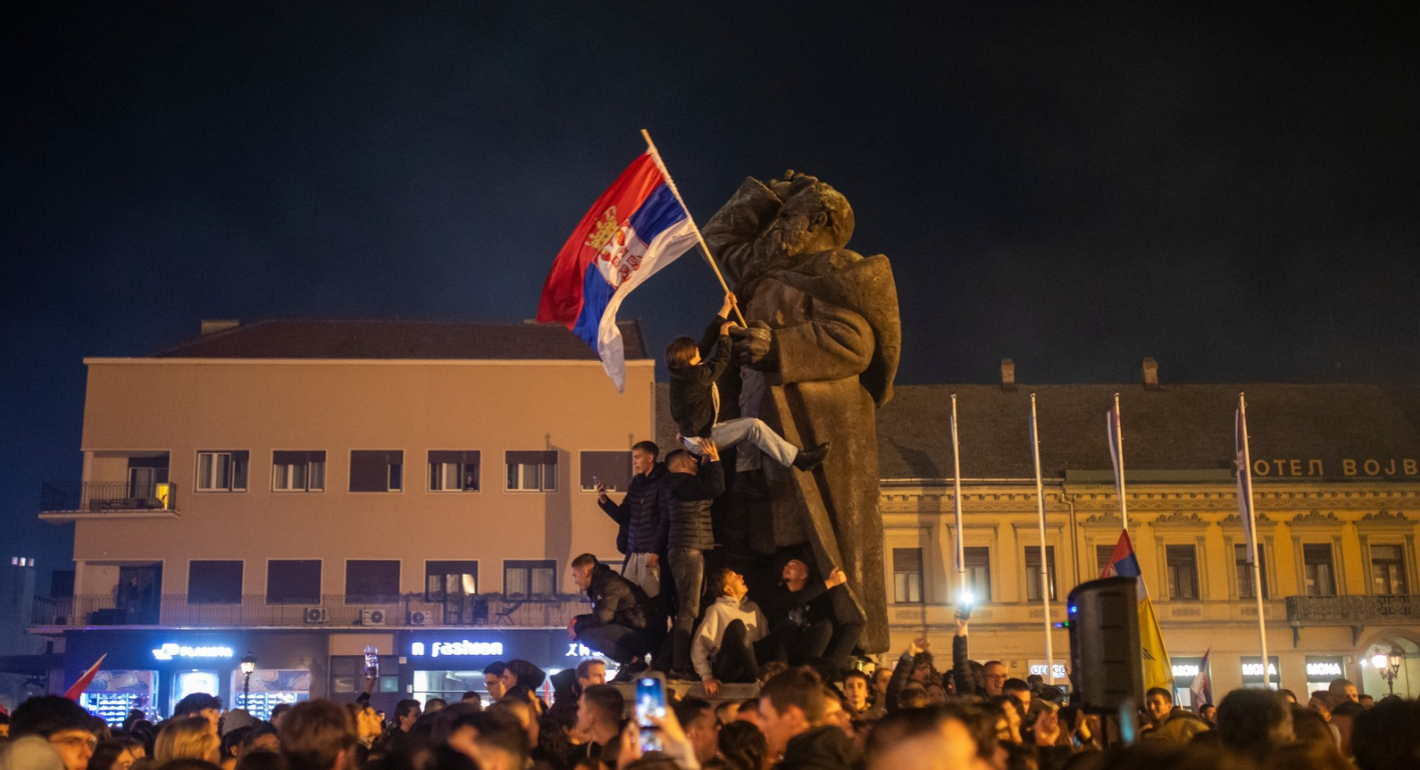
Excitement is in the air following Aleksandar Vučić’s defeat in Serbia. To build a truly democratic state, the movement that unseated the former president must learn from the mistakes of the past.

Ivan Vejvoda

The EU can impose sanctions but struggles to enforce them without the United States. With Washington increasingly disinterested in backing European interests, the bloc must now fend for itself.


Nicu Popescu, Tiago Antunes

Russia is testing the waters of NATO’s mutual defense clause. What do strikes in Romanian territorial waters mean for the alliance’s posture toward Moscow?

Dimitar Bechev

With its public finances in shambles, the far right polling at 35 percent ahead of the 2027 presidential election, and a growing protest movement, is France’s crisis a threat to the EU’s geopolitical awakening?

Rym Momtaz, ed.

Ahead of a tough winter for Ukraine, Donald Trump’s swing back toward Russia bodes ill. But instead of panicking, Kyiv’s European allies are focusing on action.
Rym Momtaz