

{
  "authors": [
    "Thomas Carothers",
    "Jack Snyder",
    "Francis Fukuyama",
    "Marc Plattner"
  ],
  "type": "event",
  "centerAffiliationAll": "dc",
  "centers": [
    "Carnegie Endowment for International Peace"
  ],
  "collections": [],
  "englishNewsletterAll": "democracy",
  "nonEnglishNewsletterAll": "",
  "primaryCenter": "Carnegie Endowment for International Peace",
  "programAffiliation": "DCG",
  "programs": [
    "Democracy, Conflict, and Governance"
  ],
  "projects": [],
  "regions": [
    "North America",
    "Middle East",
    "North Africa",
    "Egypt",
    "Iraq",
    "Southern, Eastern, and Western Africa",
    "East Asia",
    "China"
  ],
  "topics": [
    "Political Reform",
    "Democracy",
    "Economy",
    "Foreign Policy"
  ]
}
REQUIRED IMAGE
Debating the “Sequencing Fallacy”
Tue, January 30th, 2007
Washington, D.C.
Presenter:
Thomas Carothers, Vice President, Carnegie Endowment
Discussants:
Jack Snyder, Professor of Political Science, Columbia University; co-author of Electing to Fight: Why Emerging Democracies Go to War
Francis Fukuyama, Bernard L. Schwartz Professor of International Political Economy, The Paul H. Nitze School of Advanced International Studies Johns Hopkins University
Moderator:
Marc F. Plattner, Editor, Journal of Democracy
Thomas Carothers' recent Journal of Democracy article, “How Democracies Emerge: The ‘Sequencing' Fallacy,” is a critical response to the viewpoint that certain preconditions –especially a well-functioning state and the rule of law– should be in place before a country attempts democratization. In this debate Carothers expanded on his core arguments about the relative compatibility of authoritarianism versus democracy with rule-of-law development and state-building, exploring cases ranging from El Savador and Nigeria to Egypt and Iraq. Jack Snyder emphasized the high costs of failed democratization and suggested that the United States and other international actors should give less priority to elections in their democracy promotion efforts. Francis Fukuyama drew attention to democracy's relation to good governance and state-building, stressing that state consolidation is a long, arduous process. Marc Plattner moderated the session.
Carnegie does not take institutional positions on public policy issues; the views represented herein are those of the author(s) and do not necessarily reflect the views of Carnegie, its staff, or its trustees.
Event Speakers
Harvey V. Fineberg Chair for Democracy Studies; Senior Fellow, Democracy, Conflict, and Governance Program

Thomas Carothers, a senior fellow in the Carnegie Endowment for International Peace’s Democracy, Conflict, and Governance Program, is a leading expert on comparative democratization and international support for democracy.
Jack Snyder
Former Nonresident Scholar, Democracy, Conflict, and Governance Program
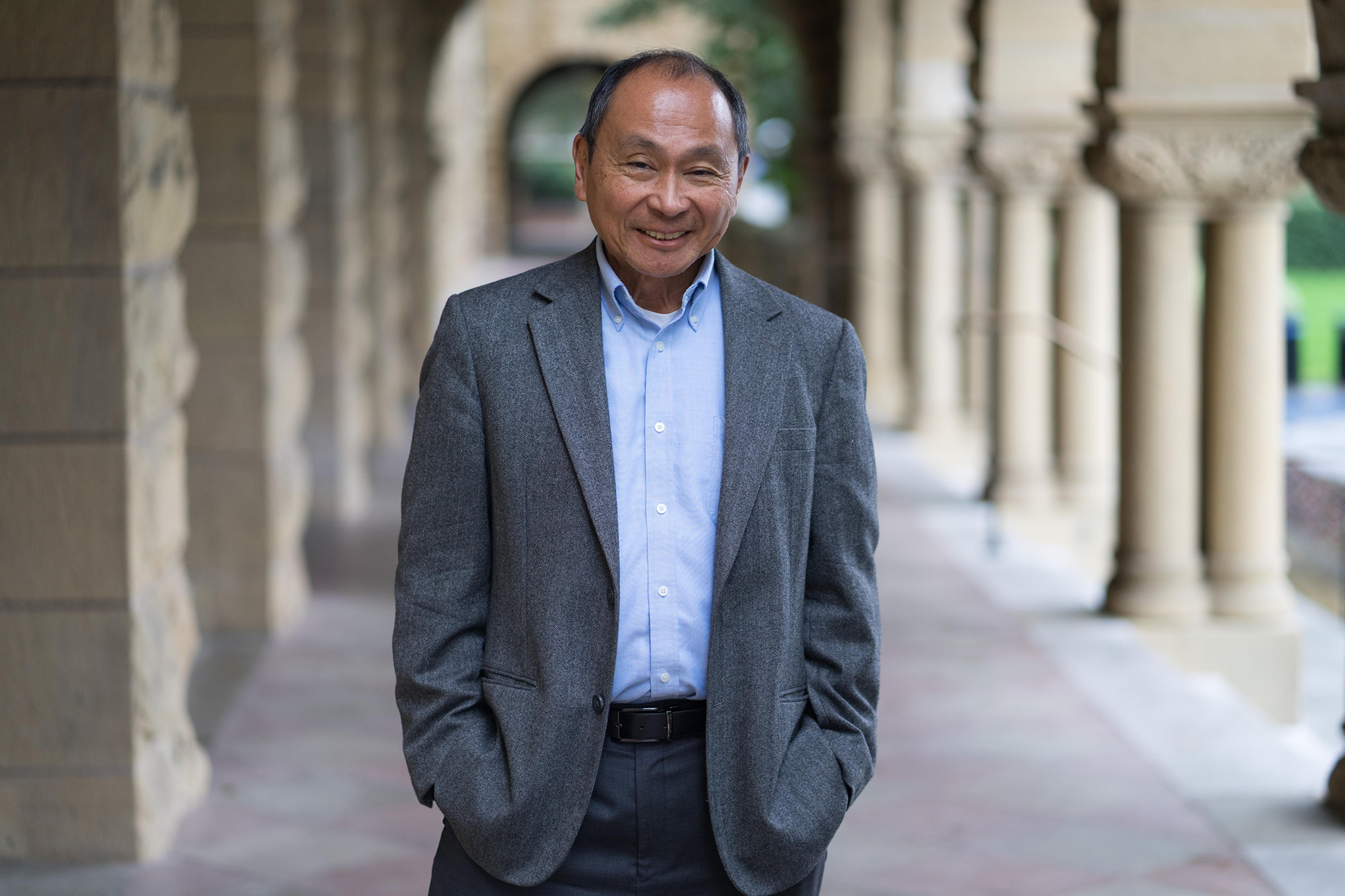
Francis Fukuyama was a nonresident scholar in Carnegie’s Democracy, Conflict, and Governance Program, where his research focuses on democratization and international political economy.
Marc Plattner