

{
  "authors": [
    "Togzhan Kassenova",
    "George Perkovich"
  ],
  "type": "event",
  "centerAffiliationAll": "dc",
  "centers": [
    "Carnegie Endowment for International Peace"
  ],
  "collections": [],
  "englishNewsletterAll": "ctw",
  "nonEnglishNewsletterAll": "",
  "primaryCenter": "Carnegie Endowment for International Peace",
  "programAffiliation": "NPP",
  "programs": [
    "Nuclear Policy"
  ],
  "projects": [],
  "regions": [
    "North America",
    "United States",
    "South America"
  ],
  "topics": [
    "Nuclear Policy"
  ]
}
Understanding Brazil’s Nuclear Policy
Wed, March 12th, 2014 - Tue, March 11th, 2014
Washington, D.C.
For a country whose importance in the global nuclear order is of potentially great significance, remarkably little is understood about the domestic drivers behind Brazil’s nuclear policy decision making. Brazil is moving toward industrializing a full nuclear fuel cycle. It operates nuclear power plants and plans to build more. It is the only non-nuclear-weapon state to work on a nuclear-powered submarine. And it does not shy away from being a confident voice on the matters of global nuclear politics.
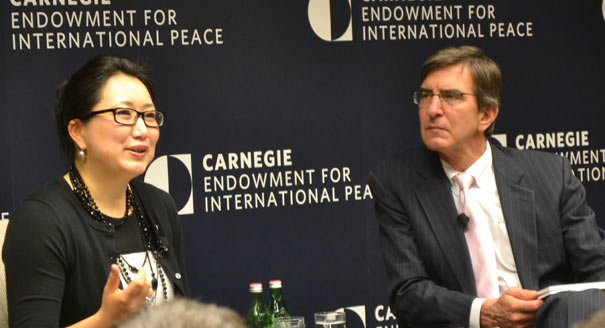
Based on numerous conversations over two years with Brazilian policy experts, academics, former and current officials, and representatives of the nuclear industry, Togzhan Kassenova reflected on how Brazilians think about and explain their country’s nuclear policy. The discussion marked the release of Kassenova’s new report Brazil’s Nuclear Kaleidoscope: An Evolving Identity. Copies of the report were available. George Perkovich moderated.
Togzhan Kassenova
Togzhan Kassenova is an associate in the Nuclear Policy Program at the Carnegie Endowment. She currently works on issues related to the role of emerging powers in the global nuclear order, weapons of mass destruction nonproliferation issues, nuclear security, and strategic trade management.
George Perkovich
George Perkovich is vice president for studies and director of the Nuclear Policy Program at the Carnegie Endowment for International Peace. His research focuses on nuclear strategy and nonproliferation, with a concentration on South Asia, Iran, and the problem of justice in the international political economy.
Carnegie does not take institutional positions on public policy issues; the views represented herein are those of the author(s) and do not necessarily reflect the views of Carnegie, its staff, or its trustees.
Event Speakers
Former Nonresident Fellow, Nuclear Policy Program
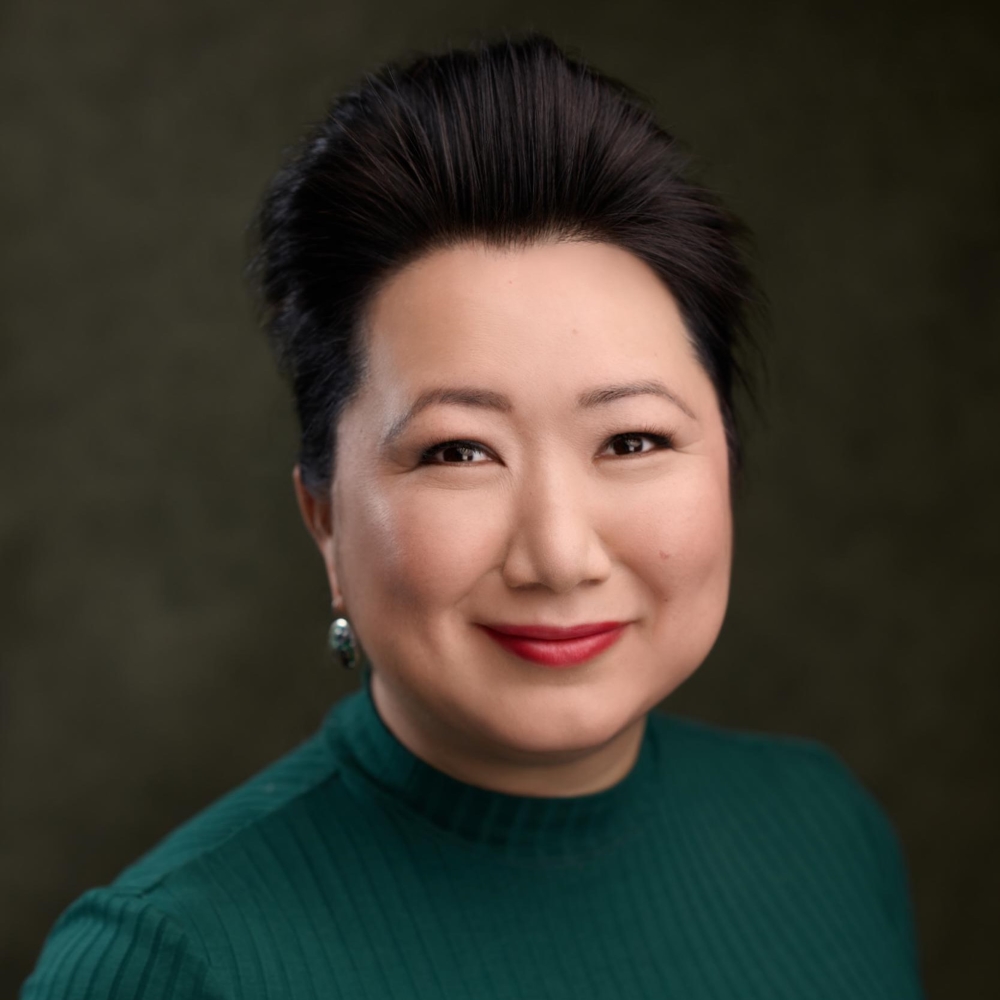
Kassenova was a nonresident fellow in the Nuclear Policy Program at the Carnegie Endowment.
Japan Chair for a World Without Nuclear Weapons, Senior Fellow

George Perkovich is the Japan Chair for a World Without Nuclear Weapons and a senior fellow in the Carnegie Endowment for International Peace’s Nuclear Policy Program. He works primarily on nuclear deterrence, nonproliferation, and disarmament issues.